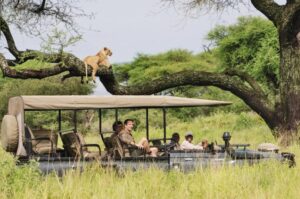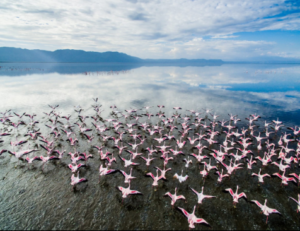
Choosing among the best Tanzania safari tour tours can feel overwhelming. Tanzania offers world-famous wildlife, dramatic landscapes, welcoming communities, tropical islands, and safari styles for almost every budget. The right trip may take you across the endless Serengeti plains, into the wildlife-rich Ngorongoro Crater, beneath Tarangire’s ancient baobab trees, or into the remote wilderness of southern Tanzania.
At Kilipath African Safaris, we help travelers turn those possibilities into a well-organized journey. Whether you want a private honeymoon, a family holiday, a photographic expedition, or an affordable group safari, your tour should match your interests, available time, preferred comfort, and travel season.
This guide explains Tanzania’s leading safari destinations, popular itineraries, accommodation categories, wildlife seasons, costs, and practical planning considerations. Use it to compare your options, then let a local safari specialist design the experience around you.
Why Tanzania Is One of Africa’s Best Safari Destinations
Tanzania protects an extraordinary variety of ecosystems, from open savannah and volcanic highlands to wetlands, woodlands, lakes, and remote river valleys. This diversity supports huge populations of animals and creates very different experiences within one country.
Travelers choose Tanzania for several important reasons:
- The Serengeti hosts the Great Wildebeest Migration.
- Ngorongoro Crater offers exceptional wildlife viewing in a compact area.
- Tarangire is famous for elephants, baobab trees, and seasonal concentrations of animals.
- The country supports lions, leopards, cheetahs, elephants, buffalo, giraffes, hippos, and hundreds of bird species.
- Safari routes can be combined with Mount Kilimanjaro, cultural visits, and Zanzibar beaches.
- Accommodation ranges from public camping to intimate tented camps and luxury lodges.
- Private and shared tours make Tanzania suitable for different travel styles and budgets.
A Tanzania safari is not simply a checklist of animals. Dawn light over the plains, a lion calling near camp, elephants walking past a baobab, and conversations around the dinner table are often the moments travelers remember most.
Top Destinations for the Best Tanzania Safari Tours
Serengeti National Park
The Serengeti is Tanzania’s most celebrated safari destination. Its name is associated with immense plains, predators, and the annual movement of wildebeest and zebra through the greater Serengeti ecosystem.
Central Serengeti, often called Seronera, is an excellent year-round wildlife area. Permanent water sources and varied habitats support resident animals, including big cats. It fits well into both short and extended northern-circuit itineraries.
Different migration stages occur in different areas. The southern plains around Ndutu are best known for the calving season, generally from December through April, with the strongest activity commonly occurring early in the year. Northern Serengeti is most popular from July through October, when herds may gather near the Mara River. Nature does not follow an exact timetable, so flexibility and realistic expectations are essential.
Serengeti suits first-time safari guests, photographers, honeymooners, and anyone who wants the classic East African landscape.
Ngorongoro Crater
Ngorongoro Crater is one of Tanzania’s most remarkable wildlife areas. The crater floor contains grassland, woodland, marshes, and a soda lake, allowing many animals to live within a relatively small space.
During a crater game drive, visitors may see lions, elephants, buffalo, hippos, hyenas, zebras, wildebeest, and many antelope species. The crater is also among the places where travelers may have a chance of seeing the endangered black rhinoceros, although no sighting can ever be guaranteed.
The highlands can be cool, particularly in the early morning. A warm jacket is useful. Staying near the crater rim or in nearby Karatu can make an early descent easier, depending on the itinerary and accommodation budget.
Tarangire National Park
Tarangire is sometimes overshadowed by the Serengeti, but it can be one of the great surprises of a northern Tanzania safari. The park is known for large elephant families, enormous baobab trees, and attractive landscapes shaped by the Tarangire River.
Wildlife becomes especially concentrated during the dry season when animals depend on permanent water. Visitors may encounter giraffes, zebras, wildebeest, buffalo, lions, and numerous bird species. Tarangire works very well as the first or final park on a multi-day safari from Arusha.
Neutral or light-colored clothing is preferable, and travelers may wish to avoid dark blue and black because these colors can attract tsetse flies in some areas.
Lake Manyara National Park
Lake Manyara is a compact, scenic park beneath the Rift Valley escarpment. Its groundwater forest, lake environment, and open areas create a varied setting. The park is known for birds, monkeys, elephants, and beautiful views.
Water levels and wildlife distribution change over time, so the experience can vary by season. Lake Manyara is often selected for a shorter game drive, a first safari day, or an itinerary that also includes nearby cultural activities.
Nyerere National Park
Nyerere is a major southern Tanzania destination with a quieter, more remote atmosphere than the busiest northern parks. The Rufiji River and surrounding channels attract hippos, crocodiles, elephants, and diverse birdlife. Depending on conditions and camp operations, visitors may combine traditional game drives with boat safaris and guided walking experiences.
Nyerere is attractive for repeat visitors, couples, and travelers who want fewer vehicles and a strong wilderness feeling. Fly-in packages can connect it conveniently with Dar es Salaam or Zanzibar.
Ruaha National Park
Ruaha offers rugged scenery, baobab-covered landscapes, river systems, and excellent predator country. It receives fewer visitors than the Serengeti and can feel wonderfully wild. The park is particularly appealing to experienced safari travelers, serious photographers, and guests seeking longer, unhurried game drives.
Because distances are substantial, fly-in arrangements are often the most efficient option. Ruaha also combines well with Nyerere for an in-depth southern circuit safari.
Popular Tanzania Safari Itineraries
Three-Day Safari: Tarangire, Ngorongoro, and Lake Manyara
A three-day route is suitable for travelers with limited time. It normally includes one park per day and minimizes the number of nights away from Arusha. The pace is active, but it provides a strong introduction to Tanzania’s northern circuit.
Four-Day Safari: Tarangire, Serengeti, and Ngorongoro
This is one of the most popular compact itineraries. It includes the elephant landscapes of Tarangire, a Serengeti game drive, and a visit to Ngorongoro Crater. Travelers should understand that road travel is a significant part of a short Serengeti itinerary. Those who prefer a slower pace may benefit from adding another day.
Five-Day Northern Circuit Safari
A five-day safari creates more time for wildlife viewing and reduces the feeling of rushing between destinations. A typical itinerary includes Tarangire, two days in the Serengeti, and Ngorongoro Crater. Lake Manyara may be added or substituted according to season and preference.
Seven-Day Migration Safari
Travelers focused on the Great Migration should choose a route based on the expected seasonal location of the herds. A seven-day private safari may combine Tarangire, Ngorongoro, Central Serengeti, and either Ndutu or Northern Serengeti. Private travel is particularly valuable because migration areas require flexible routing and longer stays.
Southern Circuit Safari
A five- to eight-day southern journey can combine Nyerere and Ruaha. This option is ideal for travelers looking for a quieter safari, varied activities, and less-traveled wilderness. Flights between parks help make efficient use of vacation time.
Safari and Zanzibar Combination
Combining safari with Zanzibar offers a satisfying balance of adventure and relaxation. After dusty game drives and early mornings, travelers can enjoy Indian Ocean beaches, Stone Town, spice farms, and marine activities. Domestic flights connect Zanzibar with Arusha, the Serengeti, Nyerere, and other safari gateways.
Private, Shared, Fly-In, or Camping Safari?
The best safari format depends on your priorities.
Private Safari
A private safari provides a dedicated vehicle and guide for your party. It offers greater flexibility for departure times, photography stops, family needs, and special interests. Couples, families, photographers, and friends traveling together often find the additional control worthwhile.
Shared Group Safari
A shared safari lowers the per-person cost by placing travelers with similar routes in one vehicle. It is a social and practical choice for solo travelers and budget-conscious guests. Because the schedule must work for everyone, routes and timing are less flexible than on a private safari.
Fly-In Safari
A fly-in safari reduces long road transfers and allows guests to reach remote areas efficiently. It is particularly helpful for Northern Serengeti, Nyerere, and Ruaha, or for travelers combining Zanzibar with a short safari. Baggage restrictions on light aircraft should be checked before packing.
Camping Safari
Camping offers an adventurous and affordable way to stay close to nature. A typical organized camping package provides tents, mattresses, sleeping bags, meals, and a safari crew. Public campsites normally have shared bathroom facilities, and comfort is simpler than in lodges.
Tanzania Safari Accommodation
Choosing accommodation affects both the price and the character of the journey.
Budget camping is best for adventurous guests who prioritize wildlife and value. Mid-range lodges and tented camps generally provide private bathrooms, comfortable beds, and restaurant service without the premium price of top luxury properties. Luxury camps and lodges emphasize personalized service, exceptional locations, refined dining, spacious rooms, and added privacy.
The word “tented” does not always mean basic. Many tented camps have permanent floors, private showers, electricity, furniture, and hotel-style beds. Ask for detailed descriptions so the accommodation matches your expectations.
Best Time to Book a Tanzania Safari
Tanzania can be visited throughout the year, but each season has advantages.
The dry season, broadly from June to October, is popular because wildlife often gathers near water and vegetation is less dense. July through September is a peak period for Northern Serengeti migration travel, so early booking is important.
From December through March, the southern Serengeti and Ndutu region attract travelers interested in calving-season activity. April and May are usually wetter and quieter. Landscapes become green, birdlife is excellent, and some properties offer lower rates, although road conditions and rain can affect plans.
November often brings shorter rains, but travel remains possible. Seasonal patterns can vary, and climate conditions are never completely predictable.
What Determines Tanzania Safari Cost?
Safari prices vary because each itinerary uses a different combination of services. The main cost factors include:
- Number of safari days
- Private or shared vehicle arrangement
- Accommodation level and location
- Park fees and conservation charges
- Travel season
- Domestic flights
- Number of travelers sharing the vehicle
- Special activities such as balloon safaris or walking experiences
- Airport transfers and pre- or post-safari hotels
When comparing quotations, examine what is included rather than looking only at the final total. A dependable proposal should clearly state the route, accommodation, meals, park fees, transport, guide service, transfers, and excluded personal expenses.
What Is Usually Included?
A well-organized Tanzania safari package commonly includes a safari vehicle with a pop-up roof, a professional English-speaking guide, accommodation specified in the itinerary, meals during the safari, drinking water, game drives, and applicable park and conservation fees.
International flights, visas, travel insurance, tips, personal purchases, optional activities, and some airport transfers may be excluded. Inclusions differ between operators and packages, so always request written confirmation.
How to Choose a Reliable Tanzania Safari Company
The operator you choose has a direct effect on the quality of your trip. Look for clear communication, transparent pricing, realistic advice, detailed accommodation information, and written payment and cancellation terms.
Ask these questions before booking:
- Is the safari private or shared?
- Which exact lodges, camps, or campsites are planned?
- Are all park and conservation fees included?
- What vehicle will be used, and how many guests will share it?
- Are airport transfers and arrival accommodation included?
- What is the deposit and cancellation policy?
- Can dietary requirements be accommodated?
- Who should I contact during the trip if I need assistance?
An experienced local team should answer these questions directly and adapt the proposal when necessary.
Practical Safari Planning Tips
Pack light, comfortable clothing in neutral colors, a warm layer for early mornings, sun protection, insect repellent, closed shoes, and any required medication. Binoculars and a camera are valuable, but remember to spend time enjoying wildlife without a screen.
Soft-sided luggage is useful, particularly when domestic flights are involved. Carry essential medication and important documents in your hand luggage. Comprehensive travel insurance should cover medical needs, cancellation, delays, and activities included in your itinerary.
Dietary requirements such as vegetarian, vegan, halal, or allergy-related meals should be communicated before arrival. Families should also discuss child seats, room configurations, driving distances, and age restrictions for special activities.
Why Travel With Kilipath African Safaris?
Kilipath African Safaris plans journeys around real traveler needs rather than forcing every guest into the same program. Our team can arrange private and shared safaris, camping adventures, lodge packages, honeymoon trips, migration routes, domestic flights, airport transfers, cultural experiences, and Zanzibar extensions.
We focus on responsive communication, carefully selected routes, professional guides, dependable safari vehicles, and clear inclusions. From your first question to your final transfer, our goal is to make the experience organized, enjoyable, and personal.
Start Planning Your Tanzania Safari
The best Tanzania safari tour tours are not necessarily the longest or most expensive. They are the journeys designed around the right season, route, pace, accommodation, and expectations for each traveler.
Tell Kilipath African Safaris your travel dates, number of guests, preferred comfort level, and approximate budget. We will help you compare the most suitable options and create a personalized itinerary covering the destinations that matter most to you.
Contact Kilipath African Safaris today for a customized Tanzania safari quotation and begin planning your unforgettable African adventure.