

Budget Ngorongoro Crater Safari Holiday
Planning a budget Ngorongoro Crater safari holiday from Arusha? Compare a crater day trip, a two-day Tarangire and Ngorongoro safari, or a…
Read articleArusha City - Tanzania
Safari & Travel Tips
August 14, 2026 · 7 min read
A best Tanzania wildlife safari holiday combines spectacular wildlife, breathtaking landscapes, professional safari guiding, and the opportunity to explore some of Africa’s most famous national parks. From the endless plains of the Serengeti to the wildlife-rich Ngorongoro Crater and the elephant country of Tarangire, Tanzania offers an exceptional variety of safari experiences.
Whether you are planning your first African safari, a honeymoon, family holiday, private adventure, or budget-friendly trip, choosing the right parks, season, accommodation, and number of safari days can make a major difference to your experience.
Tanzania is one of Africa’s outstanding wildlife destinations because several different ecosystems can be combined within one itinerary. Travelers can experience open savannah, volcanic highlands, acacia woodland, lakes, river valleys, and enormous wildlife populations during the same holiday.
A Tanzania wildlife safari can offer opportunities to see:
The country is also famous for the Great Wildebeest Migration, during which huge herds of wildebeest and zebra move through the Serengeti ecosystem in search of fresh grazing and water.
Serengeti is usually one of the highlights of a Tanzania safari holiday. Its vast plains support extraordinary concentrations of wildlife and provide excellent opportunities to observe predators and large herbivore herds.
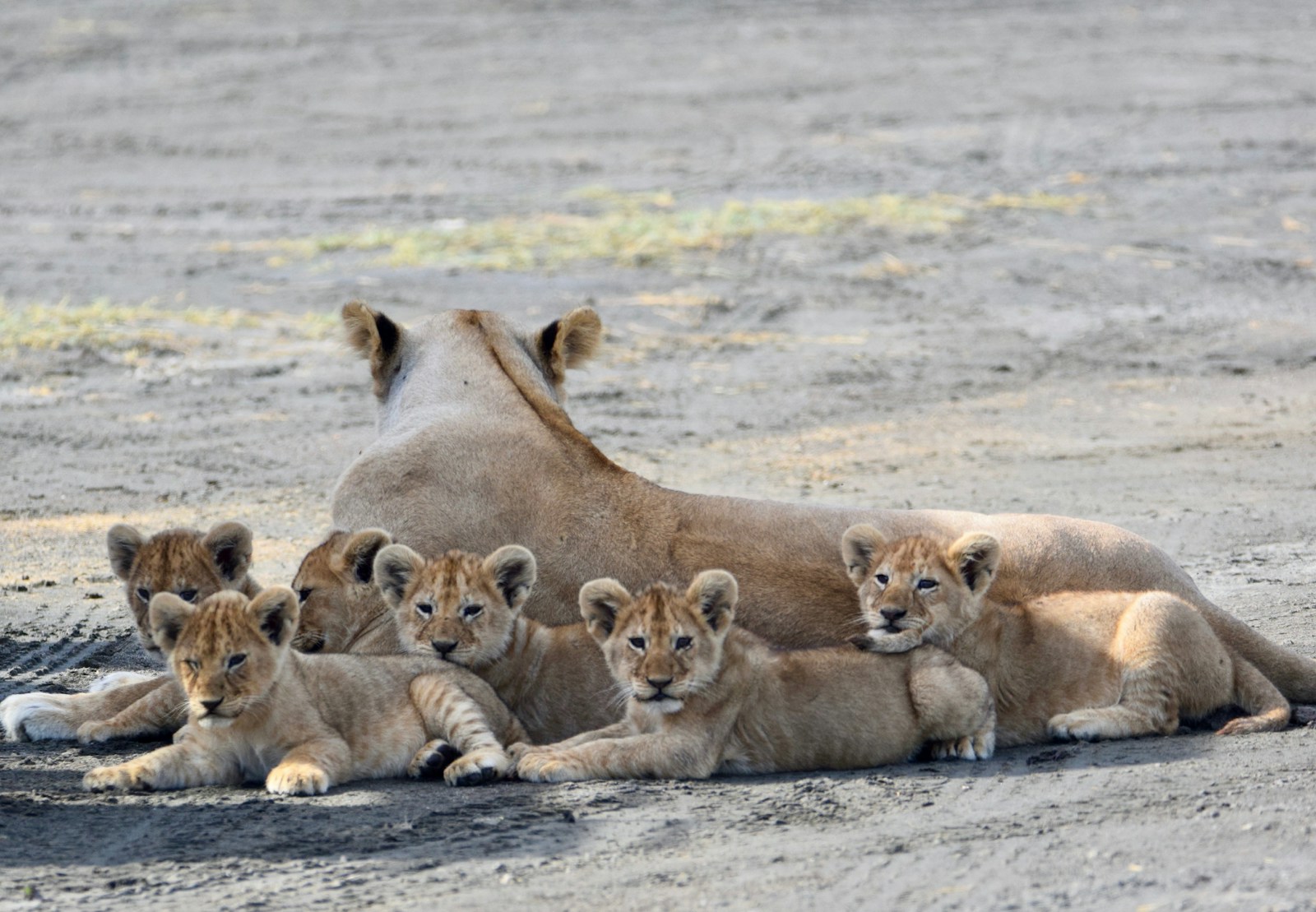
Depending on the season and location, visitors may encounter lions, cheetahs, leopards, elephants, giraffes, buffalo, wildebeest, zebra, hyenas and many other species.
Travelers particularly interested in the Great Migration should plan their itinerary according to the expected seasonal movement of the herds rather than simply choosing one area of the Serengeti throughout the year.
The Ngorongoro Crater provides a very different wildlife experience. Descending from the crater rim to the floor reveals grasslands, wetlands and woodland supporting a remarkable concentration of animals.
A game drive can provide opportunities to see lions, buffalo, elephants, hippos, wildebeest, zebra, hyenas and, with some luck, the endangered black rhino.
Ngorongoro combines particularly well with Serengeti because the two destinations can form part of the same Northern Tanzania safari circuit.
Tarangire is famous for its impressive baobab trees, elephant populations and beautiful landscapes.
During the dry season, wildlife is frequently concentrated around the Tarangire River and remaining water sources. Visitors may encounter elephants, giraffes, zebra, wildebeest, buffalo, lions and numerous antelope species.
Tarangire is an excellent addition to Serengeti and Ngorongoro, particularly when travelers have four or more safari days.
Lake Manyara is a smaller but diverse park featuring groundwater forest, open areas, wetlands and beautiful views toward the Rift Valley escarpment.
Wildlife sightings can include elephants, giraffes, buffalo, monkeys, baboons, hippos and numerous birds. It can be incorporated into longer Northern Circuit itineraries alongside Tarangire, Serengeti and Ngorongoro.
The ideal itinerary depends primarily on available time, budget and wildlife priorities.
For travelers with limited time, a safari combining Serengeti and Ngorongoro can provide an excellent introduction to Tanzania's wildlife.
With additional days, Tarangire can be included for greater landscape and wildlife diversity.
A well-balanced safari might look like:
Day 1: Arusha → Tarangire National Park
Day 2: Tarangire → Serengeti National Park
Day 3: Full-day Serengeti game drive
Day 4: Serengeti → Ngorongoro area
Day 5: Ngorongoro Crater → Arusha
Travelers with six or seven days can spend additional nights in Serengeti, include Lake Manyara, or adjust the itinerary around seasonal wildlife movements.
Tanzania offers wildlife safaris throughout the year, but different months provide different experiences.
The dry season is extremely popular for wildlife viewing. Vegetation becomes thinner and many animals concentrate around reliable water sources.
July through October can also be particularly attractive for travelers interested in visiting Northern Serengeti during the migration season.
This period is especially interesting for travelers who want to explore the southern Serengeti and Ndutu ecosystem during the migration and calving season.
January and February are particularly popular for seeing large wildebeest herds and young calves, although the exact location of migrating wildlife varies according to rainfall and grazing conditions.
These months generally receive heavier rainfall. The landscapes become beautifully green and there may be fewer tourists in some areas.
Wildlife remains present, although road conditions and rainfall should be considered when designing the itinerary.
Both options can provide excellent wildlife experiences.
A private safari provides your own vehicle and driver-guide. It gives you greater flexibility over departure times, photography stops and how long you remain at interesting wildlife sightings.
Private safaris are particularly suitable for couples, honeymooners, families, photographers and travelers wanting a customized itinerary.
A group-joining safari is generally more budget-friendly because vehicle and operating costs are shared between travelers. It is an excellent choice for solo travelers, couples and friends who prioritize affordability.
However, group departures normally follow predetermined routes and schedules, so travelers requiring specialized destinations or highly flexible itineraries may be better suited to a private safari.
Your accommodation choice significantly influences both your safari price and overall experience.
Camping provides a more adventurous and affordable way to experience Tanzania. Travelers stay at campsites and remain close to the sounds and atmosphere of the African wilderness.
Mid-range safaris provide greater comfort while maintaining reasonable costs. Accommodation normally consists of safari lodges, tented camps or comfortable properties with private facilities.
Luxury safaris focus on premium accommodation, personalized service, excellent locations and additional comfort. They are especially attractive for honeymooners and travelers celebrating special occasions.
For most first-time travelers, 4–7 days provides a good Tanzania safari experience.
A shorter 3-day safari can work when time is limited, but travelers wanting to properly explore Serengeti, Ngorongoro and Tarangire should consider additional days.
Around five days provides a good balance between travel time and wildlife viewing, while six or seven days allows a more relaxed pace and additional time in key wildlife areas.
Safari travelers should pack practically and comfortably. Useful items include:
Temperatures around Ngorongoro can be surprisingly cool during early mornings and evenings, so warm clothing is particularly useful.
Yes. Tanzania is an excellent destination for a first African safari because travelers can combine several world-famous wildlife areas in one trip.
A professionally organized safari handles transportation, park arrangements, accommodation and guiding, allowing visitors to concentrate on enjoying the wildlife and landscapes.
Yes. A Tanzania wildlife safari can be an unforgettable family experience.
Private safaris are particularly convenient for families because daily schedules can be adjusted according to the children's ages and energy levels. Selecting family-friendly accommodation and avoiding unnecessarily long driving days can make the trip significantly more comfortable.
Tanzania is an exceptional honeymoon destination.
Couples can combine private wildlife game drives with romantic tented camps or lodges, beautiful sunsets and special accommodation arrangements. A safari can also be combined with a Zanzibar beach holiday, creating a wildlife-and-beach honeymoon experience.
Yes. Combining a Tanzania wildlife safari with Zanzibar is one of the country's most popular holiday combinations.
Travelers can spend several days exploring destinations such as Tarangire, Serengeti and Ngorongoro before flying to Zanzibar for beaches, relaxation and cultural experiences.
This creates an excellent balance between adventure and relaxation.
Safari prices vary considerably according to:
Budget camping and group safaris generally offer the lowest costs, while private lodge and luxury safaris cost more because the vehicle, guide and accommodation expenses are not shared in the same way.
When comparing safari quotations, travelers should look beyond the headline price and check exactly what is included.
A well-organized safari package commonly includes the main ground transportation and safari services specified in the itinerary. Depending on the package, this can include a safari vehicle, professional driver-guide, park fees, accommodation, meals and drinking water.
Always check the quotation carefully for airport transfers, domestic flights, beverages, optional activities, tips, visas, travel insurance and personal expenses.
The best safari is not necessarily the most expensive one. It is the safari that matches your travel dates, budget, preferred comfort level and wildlife priorities.
Before booking, consider:
A carefully designed itinerary reduces unnecessary driving and gives you more quality time inside the national parks.
The best Tanzania wildlife safari holiday brings together extraordinary animals, beautiful landscapes and carefully planned game drives. Whether you choose an affordable camping adventure, comfortable mid-range safari, family holiday, honeymoon or private luxury experience, Tanzania provides opportunities for truly memorable encounters with the African wilderness.
For the strongest itinerary, choose your travel dates first and then build the safari around the wildlife areas that are most rewarding
Planning a budget Ngorongoro Crater safari holiday from Arusha? Compare a crater day trip, a two-day Tarangire and Ngorongoro safari, or a…
Read articleA Lake Manyara safari can cost USD 150–220 per person for a shared day trip from Arusha. A published example of a…
Read articleExplore Ruaha National Park’s baobab country on a guided safari built around your dates, group size and budget. Spend your game drives…
Read articleA Nyerere Tanzania wildlife safari can take you from a woodland game drive in the morning to a boat on the Rufiji…
Read article

