Skip to content

Experience one of Africa’s greatest wildlife destinations without exceeding your travel budget. A budget Serengeti safari adventure combines spectacular game drives, professional guides, comfortable camping or affordable lodges, and unforgettable encounters with Tanzania’s wildlife.
The Serengeti National Park is famous for its endless plains, abundant predators, and the Great Wildebeest Migration. With careful planning, you can enjoy this world-famous destination at a reasonable price while still receiving excellent service and a genuine African safari experience.
Why Choose a Budget Serengeti Safari Adventure?
A budget safari allows travelers to explore the Serengeti while controlling accommodation and transportation expenses. You still enjoy the essential parts of the experience, including:
- Game drives in a 4×4 safari vehicle
- An experienced English-speaking safari guide
- Opportunities to see the Big Five
- Visits to Serengeti National Park and Ngorongoro Crater
- Camping equipment or affordable accommodation
- Park entrance and conservation fees
- Meals and drinking water during the safari
- Beautiful African landscapes and wildlife encounters
Budget travel does not mean missing the main attractions. The biggest difference is usually the accommodation style. Travelers may stay at public campsites, budget tented camps, or simple lodges instead of expensive luxury properties.
Discover Serengeti National Park
The Serengeti is one of Tanzania’s most celebrated national parks. Its name is derived from the Maasai word “Siringet,” which means “endless plains.” The park’s vast grasslands, woodland areas, rivers, and rocky kopjes support an extraordinary variety of wildlife.
During your Serengeti safari, you may encounter:
- Lions
- Leopards
- Cheetahs
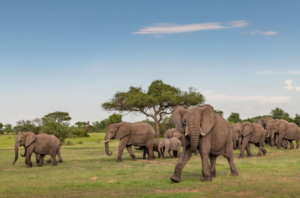
- Elephants
- Giraffes
- Buffaloes
- Zebras
- Wildebeest
- Spotted hyenas
- Hippos
- Crocodiles
- Gazelles
- More than 500 bird species
Every game drive offers a different experience. One morning you may watch lions resting near the road, while the next could bring a cheetah chasing a gazelle across the open plains.
The Great Wildebeest Migration
The Great Migration is one of the main reasons travelers visit the Serengeti. Millions of wildebeest, zebras, and gazelles move through the Serengeti ecosystem in search of fresh grass and water.
The animals’ location changes according to seasonal rainfall, but the general movement is:
- December to April: Calving season around Ndutu and the Southern Serengeti
- May to June: Herds begin moving through the central and western regions
- July to October: Migration activity in the Northern Serengeti and Mara River area
- November: The herds begin returning toward the southern plains
Wildlife movements cannot be guaranteed because they depend on natural weather patterns. However, an experienced safari consultant can recommend the most suitable Serengeti region for your travel dates.
Best Time for a Budget Serengeti Safari
The Serengeti is a year-round destination. The best time depends on your budget, interests, and preferred wildlife experiences.
January to March
This is an excellent period for visiting Ndutu and the Southern Serengeti. Thousands of wildebeest calves are born during the calving season, attracting lions, cheetahs, hyenas, and other predators.
April and May
These months are part of the rainy season and can provide better accommodation rates. The park is greener, visitor numbers are lower, and photographers can enjoy dramatic skies and fresh landscapes.
Some roads may become muddy, but experienced safari guides know how to plan game drives according to the conditions.
June to October
This is the dry season and one of the most popular periods for a Serengeti safari. Wildlife often gathers near permanent water sources, and vegetation becomes easier to see through.
July through September is particularly popular for travelers hoping to see the migration in Northern Serengeti. Because this is a busy period, booking early is recommended.
November and December
Short rains normally refresh the landscape during this period. The plains become greener, migratory birds return, and the wildebeest herds gradually move south.
Budget Camping or Affordable Lodges?
Travelers can choose between camping and lodge-based safari packages.
Budget Camping Safari
Camping is usually the most affordable way to experience the Serengeti. Guests sleep in tents at public campsites inside or near the national parks.
A camping safari typically provides:
- Tent
- Mattress
- Sleeping bag
- Pillow
- Camping chairs and table
- Safari chef
- Prepared meals
- Shared toilets and showers
Public campsites provide a wonderfully authentic atmosphere. At night, you may hear hyenas, zebras, or lions in the distance. Campsites are unfenced, but visitors remain safe by following the instructions of guides and park authorities.
Facilities are basic, and hot water may not always be available. However, camping gives travelers more time close to nature and often reduces the total safari cost significantly.
Budget Lodge Safari
A lodge safari offers more comfort while remaining reasonably affordable. Accommodation may include simple lodges, permanent tented camps, or guesthouses with private rooms.
Depending on the property, rooms may provide:
- Private toilet and shower
- Comfortable bed
- Electricity
- Restaurant or dining area
- Mosquito net
- Charging facilities
- Hot water
Budget lodges are suitable for couples, families, seniors, and travelers who prefer additional privacy. They cost more than public camping but are normally much more affordable than luxury safari camps.
Recommended 4-Day Budget Serengeti Safari Itinerary
This itinerary combines Tarangire, Serengeti, and Ngorongoro Crater. It is ideal for travelers with limited time who want to experience Tanzania’s leading Northern Circuit destinations.
Day 1: Arusha to Tarangire National Park
Leave Arusha early in the morning and travel to Tarangire National Park. The journey normally takes approximately two hours, depending on traffic and your starting location.
Tarangire is famous for its ancient baobab trees and large elephant population. During your game drive, look for giraffes, buffaloes, zebras, wildebeest, antelopes, and predators.
Enjoy lunch inside the park before continuing with an afternoon game drive. Later, travel to your campsite or affordable lodge for dinner and an overnight stay.
Day 2: Tarangire Area to Serengeti National Park
After breakfast, travel toward Serengeti National Park through the Ngorongoro Conservation Area. The drive offers changing landscapes, local communities, highland scenery, and distant views of the plains.
Enter the Serengeti and begin your first game drive while traveling toward your accommodation. Central Serengeti is known for year-round wildlife, particularly around the Seronera Valley.
Dinner and overnight will be at a public campsite, budget tented camp, or lodge.
Day 3: Serengeti to Ngorongoro Conservation Area
Start with an early breakfast followed by a morning game drive. Early hours can provide excellent opportunities to see predators before temperatures rise.
Explore the plains, rivers, and kopjes while searching for lions, leopards, cheetahs, elephants, giraffes, and other animals. After lunch, continue toward the Ngorongoro Conservation Area.
Spend the night at a campsite or affordable lodge near the crater.
Day 4: Ngorongoro Crater to Arusha
Depart early and descend into the Ngorongoro Crater. This remarkable natural area supports a high concentration of wildlife within its approximately 260-square-kilometer floor.
Possible sightings include elephants, lions, buffaloes, hippos, zebras, wildebeest, hyenas, and the rare black rhinoceros. Flamingos and other water birds may also be present around seasonal lakes.
After your game drive and lunch, ascend from the crater and return to Arusha. Arrival is normally in the late afternoon or early evening.
Longer Serengeti Safari Options
Although four days can provide an excellent introduction, longer itineraries offer more relaxed game drives.
Five-Day Safari
A five-day itinerary can include Tarangire, two nights in Serengeti, Ngorongoro Crater, and Lake Manyara. It offers more game-viewing time and reduces the pressure of long driving days.
Six-Day Safari
A six-day safari may provide three nights in different parts of the Serengeti or combine affordable lodges with one night of camping.
Seven-Day Safari
A full week is ideal for travelers interested in photography, migration tracking, cultural activities, or slower travel. Depending on the season, the itinerary may cover Central Serengeti, Ndutu, Western Serengeti, or Northern Serengeti.
Shared Versus Private Budget Safaris
Shared Safari
A shared safari is the most economical choice for solo travelers, friends, and couples. Guests join other travelers in one safari vehicle and share transportation expenses.
Advantages include:
- Lower price per person
- Opportunity to meet other travelers
- Scheduled departures
- Professional guide and prepared itinerary
- Window seat for every traveler when group size is limited
Shared safaris generally follow a fixed route. Remote destinations such as Northern Serengeti and Ndutu may require a private safari because of distance, seasonal operations, and accommodation logistics.
Private Safari
A private safari provides a dedicated vehicle and guide. It costs more but offers greater flexibility.
Private safaris are recommended for:
- Families with children
- Honeymoon couples
- Photographers
- Travelers with special dietary or mobility needs
- Groups of friends
- Visitors wanting to follow the migration
- Travelers who want longer periods at wildlife sightings
The price per person often becomes more affordable when several travelers share the private vehicle.
What Is Included?
A typical budget Serengeti safari package may include:
- Transportation in a 4×4 safari Land Cruiser
- Pop-up roof for wildlife viewing
- Professional English-speaking guide
- National park entrance fees
- Ngorongoro conservation and crater fees
- Accommodation or camping
- Camping equipment when applicable
- Safari chef on camping tours
- Breakfast, lunch, and dinner
- Drinking water during the safari
- Game drives according to the itinerary
- Pickup and drop-off in Arusha
- Government taxes and VAT
Travelers should always check the exact inclusions before paying a deposit.
What Is Normally Excluded?
Common exclusions are:
- International flights
- Tanzania visa
- Travel and medical insurance
- Alcoholic beverages
- Personal expenses
- Laundry services
- Optional activities
- Balloon safari
- Tips for the guide and chef
- Airport transfers unless listed
- Accommodation before or after the safari unless included
A clear written quotation helps avoid unexpected expenses.
How to Reduce Your Serengeti Safari Cost
A Serengeti adventure involves park fees, accommodation, transportation, meals, and staff. However, several choices can make the trip more affordable.
Join a Group Safari
Sharing the vehicle reduces the transportation and guide costs paid by each traveler.
Choose Public Camping
Public campsites are considerably cheaper than luxury tented camps and provide an adventurous experience inside the wilderness.
Travel During the Low Season
Accommodation rates may be lower during April, May, and parts of November. The parks are also quieter during these periods.
Book Early
Early planning provides more accommodation options, especially during the migration and holiday seasons.
Travel With Friends
A private safari vehicle has a fixed operating cost. Dividing that cost among four, five, or six travelers can reduce the price per person.
Combine Nearby Destinations
A logical route such as Tarangire, Serengeti, and Ngorongoro avoids unnecessary backtracking and makes better use of time and fuel.
Safari Vehicle and Group Size
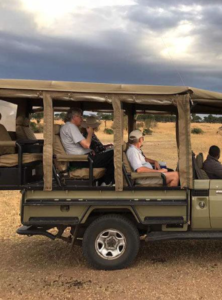
Budget safaris are normally conducted in a specially modified 4×4 Land Cruiser. The vehicle should have a pop-up roof so travelers can stand safely while photographing wildlife.
Useful vehicle features may include:
- Individual window seats
- Seatbelts
- Charging sockets
- Cooler or small refrigerator
- Radio communication
- First-aid kit
- Binoculars
- Storage for luggage
Groups of up to six or seven travelers are common. Ask the operator about maximum group size before booking, particularly if space and photography are important to you.
What to Pack
Pack light and choose soft-sided luggage whenever possible. Useful items include:
- Neutral-colored clothing
- Comfortable closed shoes
- Warm jacket for Ngorongoro
- Sun hat
- Sunglasses
- Sunscreen
- Insect repellent
- Camera and spare batteries
- Power bank
- Binoculars
- Personal medication
- Reusable water bottle
- Small flashlight
- Rain jacket during wet months
Temperatures can be warm during the day but cold in the early morning, particularly around Ngorongoro.
Is a Budget Serengeti Safari Safe?
Yes. Serengeti safaris are generally safe when arranged through a professional tour operator. Guests must follow their guide’s instructions, remain inside the vehicle during game drives, and avoid walking around campsites alone at night.
Travel insurance is strongly recommended. It should cover medical treatment, trip cancellation, lost luggage, and emergency evacuation.
Book Your Budget Serengeti Safari Adventure
A budget Serengeti safari adventure gives you the opportunity to explore legendary landscapes, observe remarkable wildlife, and experience Tanzania without paying luxury prices.
Whether you choose an adventurous camping safari, an affordable lodge package, a shared departure, or a private tour, we can design an itinerary around your dates, group size, accommodation preference, and budget.
Contact Kilipath African Safaris today for availability and a personalized quotation. Let us help you plan an affordable Serengeti journey filled with unforgettable wildlife experiences.