Skip to content

A Tanzania safari does not require a luxury lodge to be memorable. You can watch elephants beneath Tarangire’s baobabs, search for lions on the Serengeti plains, and descend into Ngorongoro Crater while keeping accommodation and transport costs under control.
The key is to spend on the parts that shape your wildlife experience: enough time in the parks, a suitable vehicle, and a knowledgeable guide. A budget Tanzania safari experience usually combines a shared 4×4 vehicle with public campsite accommodation. This guide explains what that means in practice, where to go, and what to check before booking.
What makes a Tanzania safari “budget”?
Most safari costs come from park and conservation fees, the vehicle, fuel, guiding, meals, and accommodation. A budget itinerary reduces the costs travelers can share or choose: several guests travel in one vehicle, and nights are spent at public campsites or simpler accommodation.
A shared safari still offers guided game drives in Tanzania’s major wildlife areas. The main trade-off is flexibility. The group follows an agreed route and schedule, so individual guests generally cannot add a distant destination or extend a game drive on their own.
Camping also feels different from staying in a lodge. Facilities are shared, nights can be cool, and you will hear the sounds of the bush. For many travelers, that closeness to nature is a highlight of the trip.
The best destinations for a budget safari
Tarangire National Park
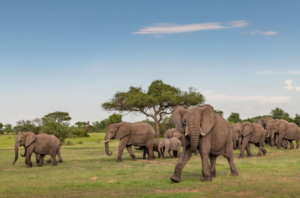
Tarangire is known for its elephants, baobab trees, birdlife, and varied landscapes. The Tarangire River draws wildlife, particularly during the dry season. Its position on the northern safari circuit makes it a practical first stop on trips leaving Arusha. TANAPA
A day here can introduce you to the rhythm of a game drive: scanning the trees for birds, stopping to watch an elephant herd, and allowing time for unexpected sightings. Wildlife is never guaranteed, but Tarangire offers much more than a quick stop on the road to the Serengeti.
Serengeti National Park
The Serengeti is a major reason many people choose Tanzania. Its open plains offer opportunities to look for lions, cheetahs, giraffes, zebras, and many other animals. A budget itinerary usually concentrates on a manageable part of the park, often the central Serengeti, instead of trying to cover distant regions in a few days.
Remember that reaching the Serengeti takes time. If it is your priority, choose an itinerary that gives you meaningful time for game drives rather than one that spends most of the visit on the road. Ask how many nights are actually spent near or inside the park.
Ngorongoro Crater
Ngorongoro Crater brings a striking change of scenery. After traveling along the crater rim, visitors descend for a guided game drive through its grassland, woodland, and wetland habitats. Visitor access is regulated, and guests visiting the crater must be accompanied by a licensed guide. ngorongorocrater.org
Budget camping is possible in the wider Ngorongoro Conservation Area; camping generally does not take place on the crater floor. Confirm the name and location of your campsite when comparing itineraries. Accommodations
Lake Manyara National Park
Lake Manyara can work well for travelers who want a shorter northern circuit itinerary. The park lies about two to two and a half hours by road from Arusha and is often combined with Ngorongoro or the Serengeti. Its forest, Rift Valley scenery, and birdlife give it a different feel from Tarangire’s more open landscapes. Lake Manyara National Park
If your main goal is seeing large numbers of elephants, compare a Manyara itinerary with one that includes Tarangire. The best choice depends on the rest of your route and what you most want to experience.
Shared safari or private safari: which offers better value?
For one or two travelers, joining a group is often the simplest way to reduce the cost per person. The vehicle, guide, and operating costs are shared among guests. It can also be an enjoyable social experience if you like meeting other travelers.
A private safari costs more for a solo traveler or couple but offers control over the pace, stops, and itinerary. For a family or a larger group booking together, it is worth requesting both prices: the gap per person may be smaller than expected.
Before choosing a shared tour, ask:
- How many guests can travel in the vehicle?
- Does every guest have a window seat?
- Which parks and campsites are included?
- Are the game drives shared for the entire itinerary?
- Can dietary requirements be accommodated?
- Which transfers are included?
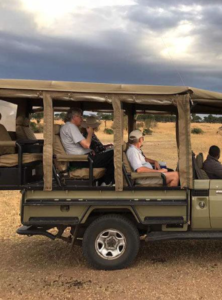
At Kilipath African Safaris, shared safaris use a 4×4 Land Cruiser with a maximum of seven guests and guaranteed window seats. That matters on long driving days, when comfort and a clear view make a real difference.
What is budget safari camping like?
On a camping safari, expect a tent and basic sleeping equipment rather than a private room. Public campsites normally have shared toilets and showers. Hot water and charging options can be limited, so it is sensible to arrive prepared.
A well-organized camping trip should make the practical details clear before departure. Ask whether the operator supplies the tent, mattress, sleeping bag, and pillow; whether meals are prepared by a safari cook; and where you will camp each night. Also ask about drinking water and any dietary needs before booking.
Pack light, but include a warm layer for early mornings and evenings, especially near Ngorongoro. A small flashlight or headlamp, comfortable closed shoes, sun protection, and a portable power bank are useful. Soft luggage is easier to fit into a safari vehicle than a large rigid suitcase.
How many days do you need?
A shorter trip can keep the total price down, but saving a day is not always the best value if it leaves too little time to enjoy the parks.
Two days: A good option if your time is limited. A route combining Tarangire and Ngorongoro Crater gives you two different landscapes without the longer journey to the Serengeti.
Three to four days: A practical choice for travelers who want to include the Serengeti. Check the day-by-day schedule carefully: travel between parks takes a meaningful portion of the trip.
Five days or more: More time allows a less rushed pace, additional game drives, or another destination. It is especially helpful if the Serengeti is the main reason for your visit.
If you arrive in Arusha late in the day, plan to start the safari the following morning. Shared departures often begin early, and arriving the previous day gives you time to rest and meet your departure schedule.
What should a safari quote include?
The lowest advertised price is useful only if you understand what it covers. Ask for a written, itemized quote before comparing operators. It should identify the parks, number of nights, accommodation type, meals, vehicle, guide, park and conservation fees, and included transfers.
Check separately for:
- Flights to and from Tanzania or Zanzibar
- Airport transfers
- Accommodation before or after the safari
- Drinks beyond those listed as included
- Optional activities, such as a balloon flight
- Tips
- Payment fees and cancellation terms
Park and conservation charges can change, and the amount payable depends on the route and trip details. For current official national park tariffs, consult Tanzania National Parks; request a current quote for your exact travel dates before making a decision. Park Fees & Tariffs
When should you travel?
There is no single month that is best for every budget traveler. During drier periods, wildlife viewing around reliable water sources can be rewarding, while wetter months bring greener scenery and different wildlife patterns. Conditions also vary by park and year. Ngorongoro’s official visitor information describes distinct wildlife experiences across its rainy and dry seasons. Best Season to Visit
If your dates are flexible, request quotes for more than one departure. Accommodation availability, group departures, and seasonal demand can affect the options offered. If seeing a particular stage of the Great Migration is essential, discuss that goal before booking: a standard shared route may not travel to the region you have in mind.
How to make your budget go further
Start by deciding which wildlife experiences matter most. If the Serengeti is your priority, protect enough time for it. If you have only two days, choose a compact route instead of trying to fit three distant parks into a short schedule.
Then compare the full trip cost, including your arrival night, transfers, and any optional activities. A slightly higher safari price may offer better value if it includes essentials that another quote leaves out.
Finally, choose an itinerary you will enjoy living through, not just one that looks impressive on a list. Long drives are part of many Tanzania safaris. An honest schedule, comfortable seating, suitable camping equipment, and a guide who can explain what you are seeing all contribute to the experience.
Plan your budget Tanzania safari with Kilipath African Safaris
A budget safari can still feel rich in experience: mornings in the bush, meals shared after a game drive, and time to watch wildlife without the cost of luxury accommodation. Tell Kilipath African Safaris your travel dates, number of guests, preferred parks, and whether you would like a shared camping or private option. We can help you compare routes and provide a clear quote for the safari that fits your time and budget.
Ready to explore Tanzania? Contact Kilipath African Safaris to plan your budget safari experience.