Lake Manyara vs. Nyerere Safari Prices | Tanzania Guide
A Lake Manyara safari can cost USD 150–220 per person for a shared day trip from Arusha. A published example of a…
Read articleArusha City - Tanzania
Safari & Travel Tips
August 27, 2026 · 15 min read
An exclusive Lake Manyara safari introduces you to one of Tanzania’s most beautiful and ecologically diverse protected areas. Set beneath the dramatic walls of the Great Rift Valley, Lake Manyara National Park combines a shimmering alkaline lake, evergreen groundwater forest, acacia woodland, wetlands, hot springs and open floodplains.
Although the park is relatively compact, its varied habitats support an impressive concentration of wildlife. Travelers may encounter elephants wandering through the forest, large troops of baboons, giraffes browsing among acacias, hippos resting in the wetlands and, with luck, the park’s celebrated tree-climbing lions.
Our exclusive Lake Manyara safari travel guide is designed for travelers who want more than a hurried group excursion. You receive a private 4x4 safari vehicle, a professional guide, flexible wildlife viewing and an itinerary adapted to your interests.
Whether you are visiting Tanzania as a couple, family, honeymoon pair, photographer or small private group, we can create a Lake Manyara experience around your schedule and preferred accommodation level.
A private Lake Manyara safari gives you control over how you experience the park. Instead of following a fixed group schedule, you can spend additional time at interesting sightings, pause for photography and explore at a comfortable pace.
Your exclusive safari includes:
Private safaris can also be arranged with French-, German-, Italian- or Spanish-speaking guides, subject to availability. Please request your preferred language while making your reservation.
The experience is particularly suitable for travelers who value privacy, flexibility and personal attention. Couples can enjoy an intimate day in nature, while families can adjust the schedule around children’s energy levels. Photographers benefit from having more control over the position of the vehicle and the time spent at each sighting.
Lake Manyara is not simply another game-drive destination. Its attraction lies in the rapid transition between remarkably different environments.
Shortly after entering the park, you drive through a cool groundwater forest dominated by large mahogany, fig and tamarind trees. Troops of baboons frequently move near the road, while blue monkeys leap through the canopy.
Beyond the forest, the landscape opens into woodland, grassland, floodplain and wetland habitats. The Great Rift Valley escarpment rises dramatically above the park, creating one of northern Tanzania’s most distinctive safari backdrops.
Tanzania National Parks describes Lake Manyara as a mosaic of groundwater forest, soda lake, acacia woodland, floodplain, papyrus wetland and hot-spring environments. This diversity explains why the park supports mammals, primates and hundreds of recorded bird species within a relatively concentrated area. Tanzania National Parks
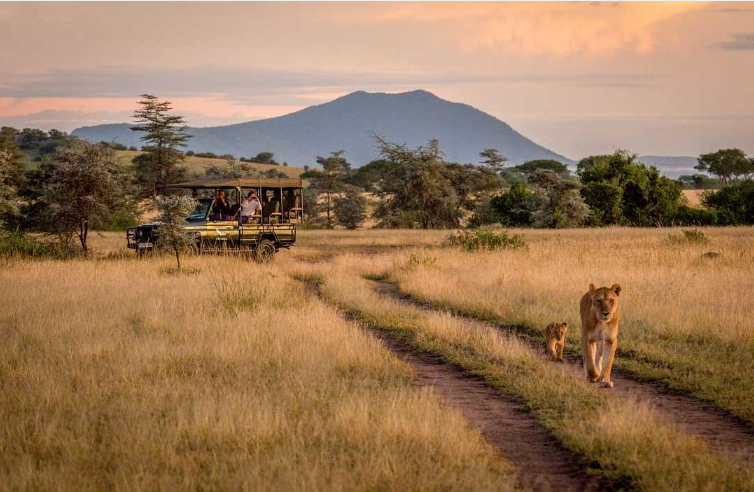
Lake Manyara is famous for lions that are sometimes observed resting on the branches of acacia trees. Several explanations have been suggested for this behavior, including avoiding insects, escaping heat and gaining a better view of the surrounding area.
Seeing a lion in a tree is never guaranteed. These are free-ranging wild animals whose movements change from day to day. Nevertheless, exploring the acacia woodland with a knowledgeable guide gives you the best opportunity to search for them.
Even when the lions remain hidden, Lake Manyara offers rewarding elephant, primate, plains-game and bird sightings.
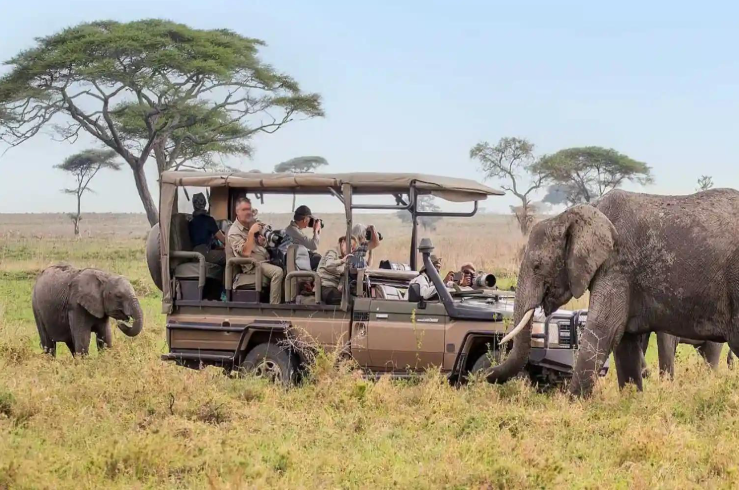
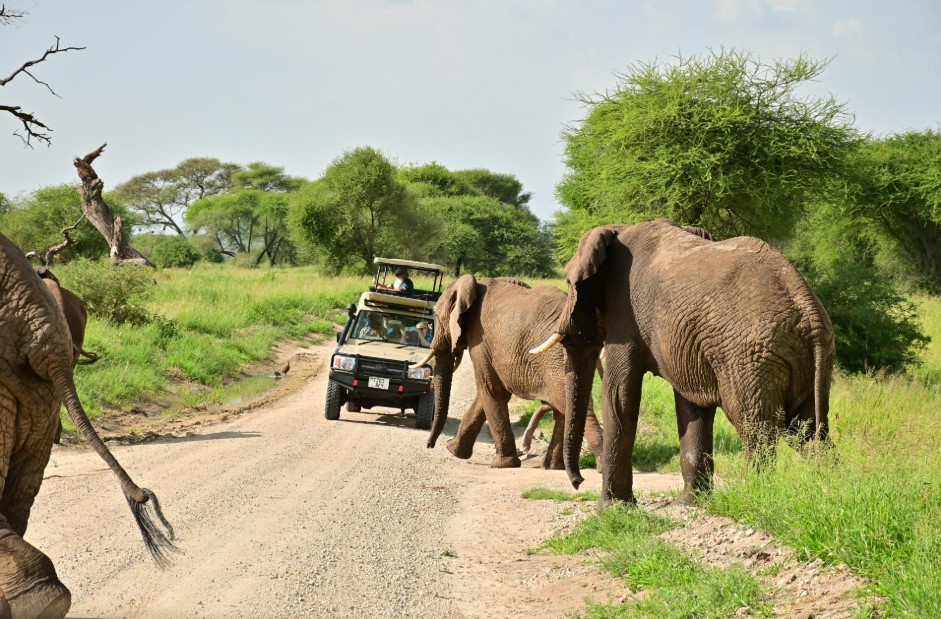
Lake Manyara is well known for its elephants. They may be observed feeding near the groundwater forest, moving through woodland or crossing the road close to safari vehicles.
Watching elephants in the greener sections of Lake Manyara feels different from observing them on an open plain. The shaded forest, hanging vegetation and enormous trees produce intimate photographic scenes.
Your guide will maintain a safe and respectful distance while explaining elephant behavior, family relationships and conservation challenges.
The alkaline lake attracts flamingos when water levels and feeding conditions are suitable. Both greater and lesser flamingos may occur, although their numbers are seasonal and can vary considerably.
Travelers should avoid choosing Lake Manyara solely because they expect the lake to be completely covered by flamingos. Water depth, salinity, algae and regional rainfall all influence where the birds gather.
Even when flamingo numbers are modest, the lake and wetlands can support pelicans, storks, herons, spoonbills, cormorants, kingfishers and African fish eagles. TANAPA reports more than 400 recorded bird species across the park’s wetlands, forests and woodland edges. Lake Manyara wildlife and habitats
Lake Manyara lies beneath the steep escarpment of the Great Rift Valley. The cliffs create a magnificent natural frame behind the forest, floodplain and lake.
This combination of wildlife and scenery makes the park especially appealing to landscape photographers. On a clear day, the escarpment’s textures and changing light provide excellent wide-angle compositions.
The groundwater forest near the entrance is one of Lake Manyara’s defining habitats. Water flowing from the Rift Valley highlands supports dense evergreen vegetation that feels almost tropical.
Baboons, blue monkeys, bushbuck and various forest birds inhabit this section. Hornbills, turacos and butterflies add color among the foliage. The shade also offers a refreshing contrast to the exposed savannas encountered elsewhere on Tanzania’s Northern Circuit.
Hippos are commonly associated with the park’s wetland areas. Depending on water conditions and route accessibility, your guide may take you toward suitable viewpoints where hippos can be observed resting in the water.
These locations also attract waterbirds and other animals coming to drink. Binoculars are useful because the animals may be some distance from the designated viewing areas.
In the southern part of the park, geothermal activity creates the Maji Moto hot springs. Mineral-rich hot water emerges near the lake, providing an interesting scenic and geological stop.
The springs are not intended for swimming. They are best experienced as part of a longer exploration of the park when road and water conditions permit.
A Lake Manyara safari can cost USD 150–220 per person for a shared day trip from Arusha. A published example of a…
Read articlePlanning a Tanzania safari that combines Lake Manyara National Park and Nyerere National Park is an excellent way to experience the country's…
Read articlePlanning an unforgettable African wildlife adventure from Zanzibar? Understanding the Tanzania safari package Zanzibar price is an important first step toward choosing…
Read articlePlanning an African wildlife adventure? Understanding the group Tanzania safari price is an important step toward choosing an affordable and unforgettable safari…
Read article