

Budget Ngorongoro Crater Safari Holiday
Planning a budget Ngorongoro Crater safari holiday from Arusha? Compare a crater day trip, a two-day Tarangire and Ngorongoro safari, or a…
Read articleArusha City - Tanzania
Safari & Travel Tips
August 10, 2026 · 17 min read
An exclusive Serengeti safari adventure is the perfect choice for travelers who want to experience Tanzania’s legendary wilderness privately, comfortably, and at their own pace. Instead of following a fixed group schedule, you will enjoy a personalized safari with your own professional guide, private 4×4 Land Cruiser, carefully selected accommodation, and an itinerary designed around your interests.
The Serengeti is one of Africa’s most extraordinary wildlife destinations. Its vast grasslands, rocky kopjes, river valleys, woodlands, and seasonal wetlands support an incredible variety of animals throughout the year. Lions rest beneath acacia trees, elephants move quietly across the plains, cheetahs scan the horizon, and enormous herds of wildebeest and zebra travel through the ecosystem during the Great Migration.
A private Serengeti safari allows you to experience these moments without being rushed. You can spend more time observing a lion pride, wait patiently for a leopard to descend from a tree, photograph elephants in the golden evening light, or pause beside a quiet kopje while your guide explains the landscape around you.
Whether you are planning a honeymoon, anniversary, family holiday, photography safari, luxury escape, or once-in-a-lifetime African journey, this exclusive adventure can be customized to create an unforgettable experience.
Why Choose an Exclusive Serengeti Safari Adventure?
An exclusive safari gives you freedom, privacy, flexibility, and personal attention throughout your journey. Your safari vehicle is reserved for you and your travel companions, meaning you do not have to share it with travelers following different schedules or interests.
Your guide can adjust the daily program according to wildlife movements, weather conditions, park regulations, and your preferences. If you are passionate about photography, you can remain longer at important sightings. If you are traveling with children, your game drives can be arranged at a comfortable pace. Couples can enjoy private moments in the wilderness, while families and groups can spend meaningful time together without outside interruptions.
The main benefits include:
A private 4×4 safari vehicle with a pop-up roof
A dedicated professional safari guide
Flexible game-drive times
Personalized wildlife experiences
Carefully selected lodges or tented camps
More space for photography and observation
Private airport and accommodation transfers
A customized itinerary based on your travel dates
Opportunities to visit Central, Western, Eastern, or Northern Serengeti
The possibility of following the Great Migration when conditions allow
An exclusive safari is not simply about luxury accommodation. It is about having greater control over your experience and receiving personal service from the beginning to the end of your journey.
Discover the Magnificent Serengeti National Park
Serengeti National Park covers approximately 14,750 square kilometres of northern Tanzania. It forms part of the larger Serengeti–Mara ecosystem, which extends into Kenya’s Maasai Mara National Reserve.
The name “Serengeti” is commonly associated with the Maasai expression describing an endless plain. This description becomes understandable the moment you see the park’s enormous open landscapes. The horizon appears to stretch forever, interrupted only by acacia trees, granite kopjes, seasonal rivers, and moving herds.
However, the Serengeti is more diverse than its famous plains suggest. Different parts of the park offer distinct scenery and wildlife experiences.
Central Serengeti
Central Serengeti, particularly the Seronera Valley, is one of the best areas for dependable wildlife viewing throughout the year. Permanent water sources attract many animals, including lions, elephants, giraffes, buffaloes, hippos, and numerous antelope species.
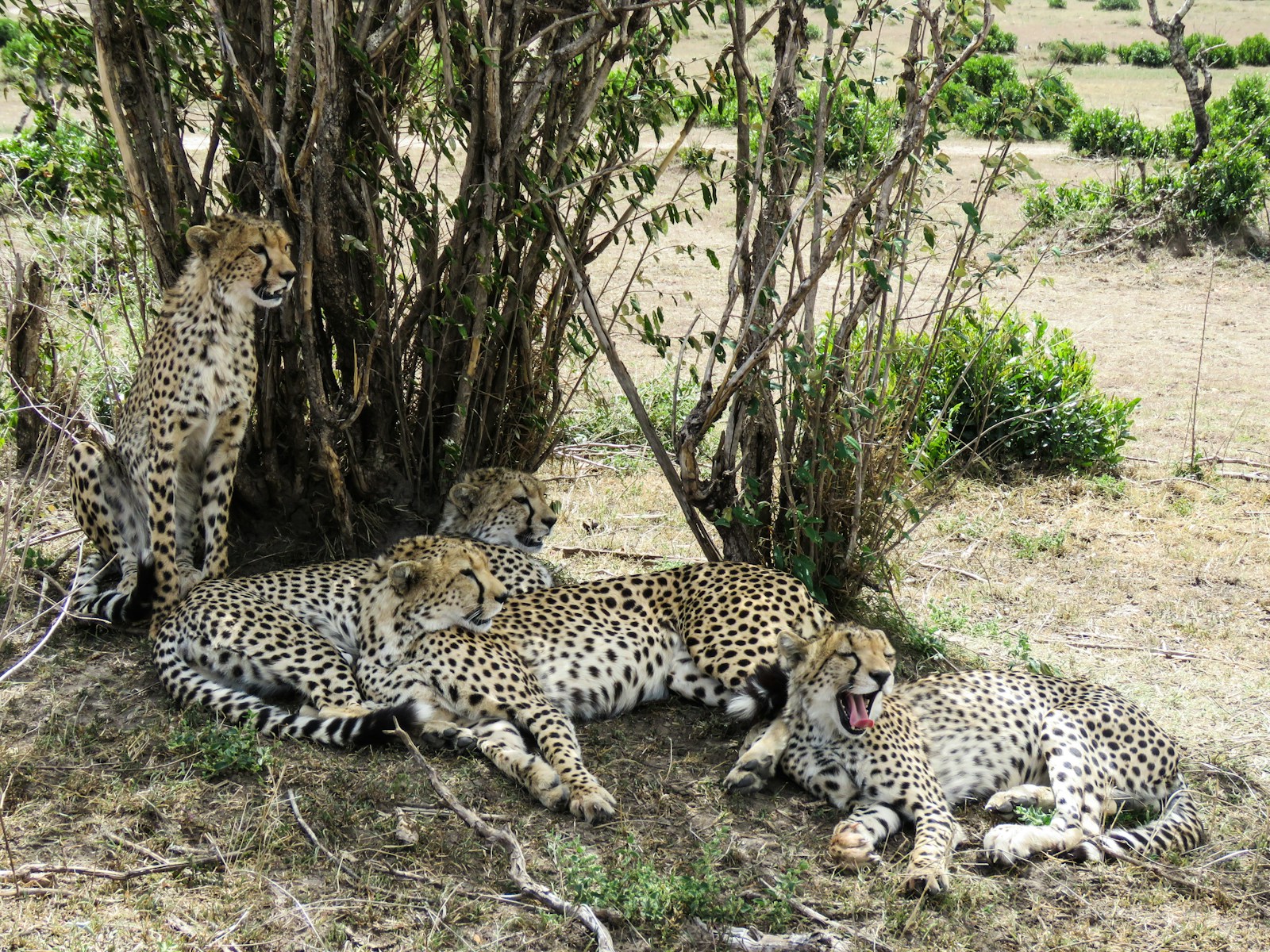
The region is especially famous for big cats. Leopards are often observed resting in sausage trees or acacias, while lions use the plains and kopjes as hunting and resting grounds. Cheetahs are regularly seen in open areas where they can use their speed to hunt gazelles.
Central Serengeti is an excellent choice for first-time visitors because it offers varied landscapes and productive game drives in every season.
Northern Serengeti
Northern Serengeti is known for its beautiful rolling hills, open plains, woodlands, and the Mara River. From approximately July through October, depending on rainfall and herd movements, large numbers of wildebeest may gather in this region.
The dramatic river crossings associated with the Great Migration can occur here. However, these crossings are entirely natural and cannot be scheduled or guaranteed. Herds may remain near the river for hours or days before crossing, change direction unexpectedly, or cross in a different location.
A private safari is particularly valuable in Northern Serengeti because your guide has greater freedom to follow recent wildlife information and position the vehicle near promising areas.
Western Corridor
The Western Corridor includes the Grumeti River and surrounding woodlands. This region becomes especially important during parts of the migration, commonly between May and July, although exact timings depend on seasonal rainfall.
The area supports crocodiles, hippos, elephants, monkeys, and numerous bird species. Its woodland and riverine scenery creates a beautiful contrast to the open plains.
Southern Serengeti and Ndutu
The southern Serengeti plains and the Ndutu area become particularly important during the green season. From approximately December through March, large wildebeest herds commonly gather across the nutrient-rich plains.
The calving season generally peaks between January and February. Thousands of wildebeest calves may be born during a relatively short period, creating remarkable wildlife-viewing opportunities. Predators are also active because young animals are vulnerable.
Ndutu lies within the wider Serengeti ecosystem and includes areas under the Ngorongoro Conservation Area. A properly planned private safari can combine Southern Serengeti and Ndutu according to the season.
Eastern Serengeti
Eastern Serengeti is quieter and more remote than some of the park’s central areas. Its open plains provide excellent cheetah habitat, while the lower number of vehicles can create a peaceful safari atmosphere.
This area can be an excellent addition for returning visitors, photographers, or travelers who want to explore beyond the busiest routes.
Wildlife You May Encounter
The Serengeti supports an extraordinary variety of wildlife. Although sightings can never be guaranteed in a natural environment, experienced guides understand animal behaviour, seasonal movement, habitats, tracks, alarm calls, and recent sighting information.
Animals you may encounter include:
Lions
Leopards
Cheetahs
African elephants
Cape buffaloes
Black rhinoceroses
Wildebeest
Plains zebras
Maasai giraffes
Spotted hyenas
Golden and black-backed jackals
Hippos
Nile crocodiles
Elands
Hartebeests
Topis
Impalas
Thomson’s gazelles
Grant’s gazelles
Warthogs
Baboons
Vervet monkeys
The Serengeti is also an outstanding birdwatching destination, with hundreds of recorded species. Depending on the location and season, you may see ostriches, secretary birds, kori bustards, crowned cranes, lilac-breasted rollers, vultures, eagles, hornbills, storks, and numerous waterbirds.
Every game drive is different. One morning may focus on a lion pride resting after a nighttime hunt, while the next could bring elephants crossing the road, a cheetah with cubs, or thousands of wildebeest moving across the plains.
The Great Wildebeest Migration
The Great Migration is one of the world’s most impressive wildlife movements. Approximately 1.5 million wildebeest, accompanied by hundreds of thousands of zebras and gazelles, move through the Serengeti–Mara ecosystem in search of fresh grazing and water.
The migration does not follow an exact calendar. Its direction and timing are influenced primarily by rainfall, grass conditions, and access to water. For this reason, no responsible safari operator should promise that the herds or river crossings will appear at a specific location on a particular day.
A general seasonal pattern is:
December to March: Southern Plains and Calving Season
The herds commonly gather in Southern Serengeti and around Ndutu. January and February are especially popular for witnessing newborn calves and intense predator activity.
April to May: Movement Toward Central and Western Serengeti
As the southern plains begin to dry, the herds gradually move northwest. The rainy conditions often create green landscapes, dramatic skies, and excellent photographic opportunities.
May to July: Western Corridor
Large herds may travel through the Western Corridor and approach the Grumeti River. Movement varies each year according to rainfall.
July to October: Northern Serengeti
The migration commonly reaches Northern Serengeti, where the Mara River becomes an important obstacle. River crossings may occur during this period, but patience and sufficient time in the region are essential.
November to December: Return Toward the South
When seasonal rains begin, the herds generally move southward through the eastern or central regions toward the short-grass plains.
For the best migration experience, we recommend spending at least two or three nights in the area where the herds are expected during your travel period.
Your Private Safari Vehicle
Your exclusive Serengeti adventure is conducted in a specially prepared 4×4 Toyota Land Cruiser. The vehicle’s elevated position and pop-up roof provide excellent wildlife-viewing and photography opportunities.
Depending on the selected package, the vehicle may include:
A pop-up photographic roof
Comfortable individual seats
Window access for every traveler
Charging sockets for cameras and mobile devices
A cooler or refrigerator
Drinking water
Seatbelts
Binoculars
First-aid equipment
Radio communication between guides
Because the vehicle is private, you will have more space for camera equipment, day bags, binoculars, and personal belongings. You can also communicate directly with your guide whenever you wish to stop, continue, or spend additional time at a sighting.
Your Professional Safari Guide
A knowledgeable guide can transform a good safari into an exceptional one. Your private guide is responsible for driving safely, locating wildlife, explaining animal behaviour, sharing information about the ecosystem, and coordinating the daily itinerary.
The guide also considers your individual interests. Birdwatchers may prefer to stop for smaller species that other travelers overlook. Photographers may need time to wait for the right light or animal position. Families may want shorter drives and more breaks. First-time visitors may appreciate detailed explanations about conservation and wildlife behaviour.
Guiding is not only about finding animals. It is also about understanding the wilderness and helping you appreciate the relationships between predators, prey, plants, water, climate, and local communities.
Accommodation Options
Your exclusive Serengeti safari can be arranged using comfortable mid-range camps, luxury tented camps, boutique lodges, or premium safari properties.
Mid-Range Tented Camps
Mid-range camps provide comfortable beds, private bathrooms, meals, and attentive service while maintaining an authentic connection with the wilderness. Many are unfenced, allowing animals to move naturally through the surrounding area.
Guests are normally escorted between their tents and the main dining area after dark. This is a standard safety practice in wildlife areas.
Luxury Tented Camps
Luxury camps offer spacious safari tents, high-quality furnishings, private verandas, excellent cuisine, and personalized service. Some properties include swimming pools, lounges, fireplaces, outdoor showers, or beautiful views over the plains.
Despite being described as tents, these accommodations are often comparable to boutique hotel suites.
Permanent Safari Lodges
Permanent lodges may offer stone or timber rooms, landscaped grounds, restaurants, bars, swimming pools, and additional amenities. They are suitable for travelers who prefer a conventional building while remaining inside or near the national park.
Mobile Migration Camps
Mobile or seasonal camps are positioned near areas where the migration is expected. They provide comfortable accommodation while allowing travelers to stay closer to seasonal wildlife activity.
The exact accommodation selection depends on your budget, travel dates, availability, preferred comfort level, and the part of Serengeti included in your itinerary.
Sample Five-Day Exclusive Serengeti Safari Itinerary
Day 1: Arrival in Arusha
Upon arrival at Kilimanjaro International Airport or Arusha Airport, our representative will welcome you and transfer you privately to your accommodation in Arusha.
Depending on your arrival time, you can relax at the hotel or participate in an optional Arusha activity. Your safari guide may meet you for a briefing and explain the following day’s program.
Accommodation: Selected hotel or lodge in Arusha
Meals: According to the chosen accommodation plan
Day 2: Arusha to Serengeti National Park
After breakfast, you will begin your journey toward Serengeti National Park. Depending on your itinerary, you may travel by road through the Ngorongoro Conservation Area or take a scheduled flight to a Serengeti airstrip.
The road journey introduces you to Tanzania’s changing landscapes, from cultivated highlands to open savannah. After entering the Serengeti, your first game drive begins immediately.
You may encounter giraffes, elephants, zebras, buffaloes, gazelles, or predators while traveling toward your camp. In the evening, you will enjoy dinner surrounded by the atmosphere of the African wilderness.
Accommodation: Selected Serengeti lodge or tented camp
Meals: Breakfast, lunch and dinner
Day 3: Full-Day Serengeti Game Drive
Wake up to the sounds of the Serengeti and prepare for a full day of wildlife exploration. An early departure is often recommended because predators and other animals can be particularly active during the cooler morning hours.
You can choose a full-day game drive with a packed lunch or return to camp for a relaxing midday break before continuing in the afternoon.
Your guide will select the most productive areas according to wildlife information and seasonal conditions. You might follow a lion pride, search for leopards in riverine trees, observe elephants near a water source, or explore open plains for cheetahs.
Because this is a private safari, there is no pressure to leave an interesting sighting simply because another traveler wants to continue.
Accommodation: Selected Serengeti lodge or tented camp
Meals: Breakfast, lunch and dinner
Day 4: Another Full Day in Serengeti
A second full day gives you more time to explore different habitats and increases the possibility of meaningful wildlife encounters.
If your safari is focused on the Great Migration, your guide will use current information to search for the main herds. During the Northern Serengeti season, this could involve exploring the Mara River area. During the calving season, you may travel across the plains of Ndutu or Southern Serengeti.
You may also arrange an optional sunrise balloon safari. Floating above the plains provides a unique view of the Serengeti’s landscapes and wildlife. After landing, balloon experiences usually include a celebratory breakfast.
Accommodation: Selected Serengeti lodge or tented camp
Meals: Breakfast, lunch and dinner
Day 5: Final Game Drive and Departure
Enjoy a final morning game drive before traveling to your next destination. Depending on your complete itinerary, you may fly from a Serengeti airstrip to Arusha, Zanzibar, or another Tanzanian destination.
Alternatively, you can continue by road toward Ngorongoro Crater, Tarangire National Park, Lake Manyara, or Karatu.
Your exact departure arrangements will be coordinated according to your flight schedule and onward travel plans.
Meals: Breakfast and lunch, depending on departure time
Extended Serengeti Safari Options
Although five days can provide an excellent introduction, travelers who want a deeper experience should consider a longer itinerary.
A six- or seven-day safari can include:
Central and Northern Serengeti
Central and Southern Serengeti
Ndutu during the calving season
Ngorongoro Crater
Tarangire National Park
Lake Manyara National Park
A cultural visit
A walking safari where permitted
A hot-air balloon experience
Longer itineraries reduce the amount of daily driving and provide more time for relaxed game viewing. They are particularly useful when visiting remote areas such as Northern Serengeti.
Combine Serengeti with Ngorongoro Crater
Ngorongoro Crater is one of the most valuable additions to an exclusive Serengeti safari. The crater is the world’s largest intact, unfilled volcanic caldera and supports a remarkable concentration of wildlife.
During a crater game drive, you may encounter lions, elephants, buffaloes, hippos, hyenas, zebras, wildebeest, and possibly a black rhinoceros. The crater floor contains grasslands, woodland, wetlands, and a soda lake, creating several habitats within a relatively compact area.
Combining the Serengeti and Ngorongoro gives you two different but complementary experiences: the Serengeti’s immense open wilderness and the crater’s concentrated wildlife environment.
Combine Serengeti with Tarangire National Park
Tarangire National Park is famous for its ancient baobab trees, large elephant populations, and beautiful landscapes. During the dry season, the Tarangire River attracts animals from the surrounding ecosystem, creating excellent wildlife-viewing opportunities.
Tarangire can be visited before entering the Serengeti or after leaving Ngorongoro. It is especially suitable for travelers who want a varied northern Tanzania safari.
Optional Hot-Air Balloon Safari
A Serengeti balloon safari begins before sunrise. You will be transferred from your camp to the launch site, where the balloon team provides a safety briefing.
Once airborne, you will float silently above the plains as the sun rises. Wildlife sightings vary, but the aerial perspective alone makes this a memorable experience. After landing, guests normally enjoy a celebratory breakfast.
Balloon safaris are subject to weather conditions, availability, and additional costs. Advance booking is strongly recommended, especially during high season.
Private Safari Dining
Meals are an important part of your Serengeti experience. Depending on the accommodation category, you may enjoy buffet meals, plated dinners, packed picnic lunches, bush breakfasts, or private dining arrangements.
Dietary requirements can usually be accommodated when communicated in advance, including:
Vegetarian meals
Vegan meals
Gluten-free meals
Lactose-free meals
Halal-friendly options
Food allergies and intolerances
For special occasions, selected camps may arrange a private bush dinner, birthday celebration, anniversary surprise, or romantic setup at an additional cost.
Best Time for an Exclusive Serengeti Safari
The Serengeti is a year-round destination, but the ideal period depends on the experience you want.
January and February
Excellent for the southern plains, Ndutu, calving season, predators, green landscapes, and wildlife photography.
March to May
The green season offers fewer visitors, beautiful scenery, dramatic skies, and strong photographic conditions. Some heavy rainfall may occur, particularly during April and May.
June
A transitional month with increasingly dry conditions. Wildlife movement may be observed through central or western parts of the ecosystem.
July to October
A popular period for Northern Serengeti and possible Mara River crossings. The weather is generally dry, and wildlife gathers near permanent water sources.
November and December
Short rains transform the landscape, migratory birds arrive, and the wildebeest herds begin returning toward the southern plains.
Wildlife remains present throughout the year, even when the main migration herds are in another region.
What Is Included?
A typical exclusive Serengeti safari package may include:
Private 4×4 Toyota Land Cruiser
Professional English-speaking safari guide
Private airport transfers
National park entrance fees
Ngorongoro Conservation Area fees when applicable
Crater service fee when applicable
Selected lodge or tented-camp accommodation
Meals specified in the itinerary
Unlimited drinking water during game drives
Government taxes and levies
Game drives described in the itinerary
Domestic flights when specifically stated
Emergency assistance during the safari
The exact inclusions will be clearly listed in your personalized quotation.
What Is Normally Excluded?
Unless specifically included, the following are generally excluded:
International flights
Visa fees
Travel and medical insurance
Vaccinations and personal medication
Optional balloon safari
Alcoholic beverages
Laundry services
Personal purchases
Tips for guides and accommodation staff
Activities not listed in the itinerary
Additional accommodation before or after the safari
We strongly recommend comprehensive travel insurance covering medical emergencies, trip interruption, cancellation, baggage, and evacuation.
Exclusive Serengeti Safari Cost
The cost of an exclusive Serengeti safari depends on several factors:
Number of travelers
Number of safari days
Travel season
Accommodation category
Areas of Serengeti visited
Road safari or fly-in safari
Domestic flight requirements
Additional parks and activities
Single, double, triple, or family-room arrangements
A private safari vehicle has fixed operational costs, so the per-person price normally becomes more affordable when several travelers share the same booking.
Luxury camps in remote locations may also have higher rates because of transportation, staffing, supplies, and limited seasonal availability.
Instead of offering one general price that may not match your requirements, we prepare a personalized quotation based on your dates, group size, preferred accommodation, and desired route.
Safari Packing Guide
Pack light and select comfortable clothing in neutral colours such as beige, brown, khaki, olive, or grey.
Recommended items include:
Lightweight shirts and trousers
Warm jacket or fleece
Comfortable closed shoes
Sun hat
Sunglasses
Sunscreen
Insect repellent
Personal medication
Camera and extra batteries
Binoculars
Power bank
Small day bag
Reusable water bottle
Travel documents
Soft-sided luggage
Mornings and evenings can be cold, particularly during the dry season and near Ngorongoro. Layered clothing is therefore recommended.
Avoid bringing unnecessary valuables. Soft-sided bags are more convenient than rigid suitcases, especially when domestic flights are included.
Photography on Your Private Safari
The Serengeti is one of the world’s most rewarding wildlife-photography destinations. A private vehicle gives photographers space to move between viewing positions and allows the guide to consider lighting, backgrounds, and animal behaviour.
For wildlife photography, consider bringing:
A telephoto lens
A wider lens for landscapes
Extra memory cards
Spare batteries
Lens-cleaning equipment
A dust-resistant camera bag
A beanbag or camera support
Discuss your photographic priorities before departure. Your guide can plan earlier starts, longer sightings, and routes suited to the best available light.
Animals should never be disturbed simply to obtain a photograph. Responsible photography protects wildlife and improves the overall safari experience.
Is This Safari Suitable for Families?
Yes. A private safari is one of the best options for families because the schedule can be adapted to the children’s ages and energy levels.
Families can plan shorter game drives, flexible meal times, comfortable accommodation, and private rest stops. Some lodges also provide family rooms, swimming pools, children’s menus, or educational activities.
Parents should remember that driving distances can be long, particularly when traveling from Arusha to Serengeti by road. A fly-in option may be more comfortable for families with very young children.
Age restrictions may apply to walking safaris, balloon flights, and certain accommodations.
Is This Safari Suitable for Couples and Honeymooners?
An exclusive Serengeti safari is ideal for couples seeking privacy and memorable shared experiences. Romantic accommodation, private dining, sundowners, balloon safaris, and special room arrangements can be added where available.
Honeymooners can combine the Serengeti with Ngorongoro Crater and a relaxing Zanzibar beach holiday. This creates a balanced itinerary featuring wildlife, beautiful landscapes, culture, and tropical beaches.
Please notify us if you are celebrating a honeymoon, anniversary, birthday, or another special occasion so that appropriate arrangements can be requested.
Responsible and Respectful Safari Travel
A successful safari should respect wildlife, local communities, and the natural environment.
Responsible practices include:
Following park regulations
Maintaining a safe distance from animals
Avoiding loud noises at sightings
Never feeding wildlife
Keeping rubbish inside the vehicle
Respecting other travelers
Supporting responsible accommodation
Asking permission before photographing local people
Conserving water and electricity
Avoiding unnecessary single-use plastics
Your guide will explain the appropriate behaviour during game drives and accommodation stays.
Book Your Exclusive Serengeti Safari Adventure
The Serengeti offers something that photographs and descriptions can only begin to express. It is the sound of lions calling before sunrise, the sight of elephants crossing an endless plain, the silence that follows a golden sunset, and the excitement of never knowing what may appear around the next corner.
An exclusive Serengeti safari adventure gives you the privacy and flexibility to experience these moments in a deeply personal way. With your own safari vehicle, dedicated guide, carefully selected accommodation, and customized itinerary, every day can be shaped around your interests.
Contact us with the following information to receive a personalized itinerary and quotation:
Planning a budget Ngorongoro Crater safari holiday from Arusha? Compare a crater day trip, a two-day Tarangire and Ngorongoro safari, or a…
Read articleA Tanzania safari from Zanzibar can mean a short mainland trip during your beach holiday or a complete package with flights, game…
Read articleLooking for a group Tanzania safari price from Kilipath African Safaris? A published example for our four-day shared camping safari through Tarangire,…
Read articlePair game drives on Tanzania’s mainland with a few days on Zanzibar’s coast. With Kilipath African Safaris, you can start in Arusha…
Read article

