

Budget Ngorongoro Crater Safari Holiday
Planning a budget Ngorongoro Crater safari holiday from Arusha? Compare a crater day trip, a two-day Tarangire and Ngorongoro safari, or a…
Read articleArusha City - Tanzania
Safari & Travel Tips
August 26, 2026 · 16 min read
An exclusive Tanzania safari package vacation offers much more than traditional wildlife viewing. It provides a private and carefully designed journey featuring personalized game drives, exceptional accommodation, flexible travel arrangements and close encounters with Tanzania’s remarkable wildlife.
Instead of following a fixed group schedule, travelers enjoy a private safari vehicle, a dedicated professional guide and an itinerary created around their interests. You can spend longer watching a pride of lions, photograph elephants at sunset, enjoy a private bush breakfast or return to your lodge early for a relaxing afternoon.
Tanzania is one of Africa’s most rewarding luxury safari destinations. It combines the legendary Serengeti, the Ngorongoro Crater, Tarangire National Park, remote southern reserves and the beautiful beaches of Zanzibar. Whether you are planning a honeymoon, family holiday, anniversary or photography adventure, Tanzania offers extraordinary experiences in an impressive natural setting.
This complete guide explains what an exclusive safari includes, the best places to visit, recommended itineraries, accommodation choices, travel seasons and practical planning advice.
An exclusive Tanzania safari is a privately arranged wildlife holiday designed to provide comfort, privacy and flexibility. Unlike a shared group safari, the vehicle and guide are reserved exclusively for you and your travel companions.
Your safari can be customized according to:
A private itinerary allows you to decide how much time to spend in each destination. Early morning game drives, full-day wildlife viewing and quiet evenings at carefully selected camps can all be included.
The result is a more personal experience, with fewer compromises and greater control over your journey.
Tanzania protects some of Africa’s largest and most diverse wildlife areas. It is especially famous for its uncrowded wilderness, seasonal wildlife migrations and spectacular landscapes.
Tanzania supports an impressive variety of animals, including:
The country is also an outstanding birding destination, with hundreds of resident and migratory species.
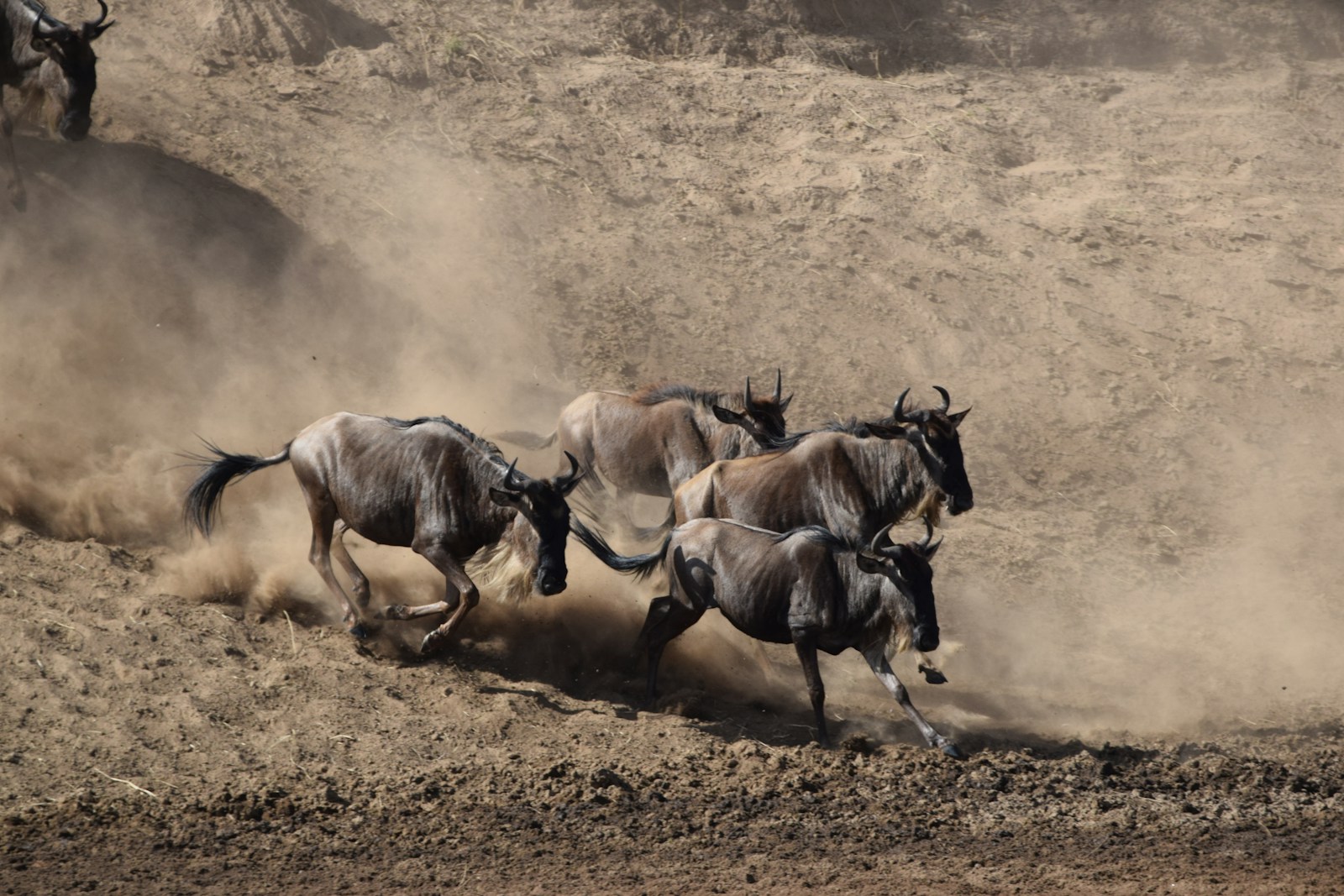
The Serengeti is home to the Great Wildebeest Migration, one of the world’s most extraordinary wildlife events. Huge herds of wildebeest, zebras and gazelles move through the Serengeti ecosystem in search of fresh grass and water.
The location of the herds changes throughout the year. A knowledgeable safari operator can design your itinerary around the seasonal movement rather than simply sending you to one fixed part of the park.
A Tanzania safari can include open plains, volcanic craters, acacia woodlands, wetlands, rivers, baobab forests and tropical beaches. This diversity makes longer itineraries especially rewarding.
Tanzania offers intimate tented camps, elegant safari lodges, luxurious suites and private villas. Some properties have only a small number of rooms, creating an atmosphere of peace and exclusivity.
After several days of game drives, travelers can fly to Zanzibar for a relaxing beach holiday. The combination of wildlife, culture and the Indian Ocean makes Tanzania an excellent destination for honeymoons and special celebrations.
The Serengeti is Tanzania’s most celebrated safari destination. Its vast grasslands support large populations of predators and grazing animals, while its different regions provide distinct experiences throughout the year.
The Central Serengeti, commonly known as Seronera, is known for reliable wildlife viewing. Rivers and permanent water sources attract animals throughout the year. Lions, leopards, cheetahs, elephants, giraffes and large herds of antelope are frequently observed.
The Southern Serengeti and Ndutu region are particularly important during the green season. From approximately December through March, migrating herds gather on the nutrient-rich plains. The calving period normally reaches its height between late January and February, attracting predators and creating dramatic wildlife encounters.
The Western Corridor becomes important as the herds move westward. Later, the Northern Serengeti offers the possibility of seeing wildebeest approaching or crossing the Mara River, particularly from July through October. River crossings are natural events and cannot be guaranteed, but staying several nights in the region improves your chances.
An exclusive Serengeti safari may include:
Spending at least three nights in the Serengeti is recommended for a relaxed and rewarding experience.
The Ngorongoro Crater is one of Tanzania’s most remarkable natural attractions. The enormous volcanic caldera contains grasslands, forests, wetlands and a seasonal lake, supporting an impressive concentration of wildlife.
During a crater game drive, travelers may encounter lions, elephants, buffaloes, zebras, wildebeest, hippopotamuses and spotted hyenas. The crater is also one of Tanzania’s important areas for seeing the endangered black rhinoceros, although sightings are never guaranteed.
Exclusive travelers can stay at a lodge on or near the crater rim. Rim accommodation provides convenient access to the descent road and may offer panoramic views across the caldera.
Because access is controlled and driving hours are limited, an early crater descent is valuable. Your guide can help avoid the busiest areas and choose a peaceful location for a picnic lunch.
Tarangire is famous for its large elephant population, ancient baobab trees and seasonal concentration of wildlife around the Tarangire River.
During the dry season, animals travel from surrounding areas toward permanent water. Visitors may see elephants, giraffes, zebras, wildebeest, buffaloes, lions and numerous antelopes.
Tarangire’s landscape is different from the open Serengeti plains. Its river valleys, woodlands and dramatic baobabs create beautiful photographic opportunities.
Luxury experiences in Tarangire may include:
Two nights are ideal if you want to explore the quieter sections of the park.
Lake Manyara is a compact but scenic destination located beneath the Great Rift Valley escarpment. Its groundwater forest, open plains and lakeshore habitats support monkeys, elephants, giraffes, buffaloes, hippos and diverse birdlife.
Manyara can be included as a relaxed first or final safari destination. However, wildlife distribution changes according to water levels and seasonal conditions. Your safari specialist may recommend Tarangire or an additional Serengeti day when it provides a stronger experience.
Nyerere National Park is an excellent choice for travelers seeking a quieter safari in southern Tanzania. Formerly part of the Selous Game Reserve, it offers rivers, lakes, woodlands and extensive wilderness.
The Rufiji River is central to the experience. In addition to traditional game drives, visitors may enjoy boat safaris and guided walking experiences.
Wildlife can include elephants, lions, buffaloes, giraffes, hippos, crocodiles and African wild dogs. Nyerere generally receives fewer visitors than the Northern Circuit, creating a more remote atmosphere.
Ruaha is one of Tanzania’s most impressive wilderness destinations. It is known for rugged scenery, large elephant populations, strong predator activity and relatively low visitor numbers.
The park is particularly suitable for experienced safari travelers, photographers and couples seeking privacy. Small luxury camps provide intimate accommodation and access to extensive wildlife areas.
Ruaha and Nyerere can be combined by light aircraft to create an exclusive Southern Circuit safari.
Katavi is remote, wild and rarely visited compared with the Serengeti or Ngorongoro. It is best suited to adventurous travelers willing to fly into a distant ecosystem.
During the dry season, wildlife gathers around shrinking rivers and pools. Large groups of hippos, crocodiles, buffaloes and elephants can produce extraordinary scenes.
The cost of reaching Katavi is higher, but its remoteness is part of its appeal.
Mahale lies beside Lake Tanganyika in western Tanzania. It is famous for forested mountains, beautiful beaches and opportunities to track habituated chimpanzees.
Visitors generally reach Mahale by light aircraft followed by a boat transfer. Days may include chimpanzee trekking, forest walks, swimming, kayaking and relaxing beside the lake.
Combining Katavi and Mahale creates one of Tanzania’s most distinctive high-end journeys.
Inclusions depend on your chosen itinerary and accommodation category, but a well-designed package commonly includes:
Luxury packages may also include selected drinks, laundry service, private bush meals, sundowners and local air transfers.
International flights, visas, travel insurance, gratuities, premium drinks and optional activities are normally excluded unless clearly stated.
Always request a detailed list of inclusions and exclusions before confirming your reservation.
The private vehicle is one of the most valuable features of an exclusive safari.
A customized 4×4 Land Cruiser normally has a pop-up roof for wildlife viewing and photography. Depending on the vehicle, it may also include charging sockets, a refrigerator or cooler, radio communication and comfortable individual seats.
Having a private vehicle allows you to:
Your guide is responsible for much more than driving. An experienced guide reads animal behavior, identifies tracks, explains the ecosystem and positions the vehicle carefully at sightings.
For specialist photography, birding or cultural travel, request a guide with relevant experience during the planning stage.
Accommodation strongly influences the character of an exclusive Tanzania safari package vacation.
Safari lodges provide permanent rooms or suites with private bathrooms, comfortable beds, restaurants and shared lounge areas. Some have swimming pools, spas and panoramic terraces.
Lodges are suitable for families and travelers who prefer solid walls and familiar hotel-style facilities.
Luxury tented camps combine comfort with a close connection to nature. Spacious canvas suites may include proper beds, private bathrooms, hot showers, electricity and furnished verandas.
Although called tents, these accommodations can be exceptionally comfortable. At night, guests may hear lions, hyenas or other animals in the distance while remaining safely escorted within the camp.
Mobile or seasonal camps relocate between different parts of the Serengeti according to the migration cycle. They allow travelers to stay closer to the expected location of the herds.
These camps are particularly attractive to photographers and migration-focused travelers.
Families or groups of friends may reserve a private villa or entire camp. Exclusive-use properties often include a dedicated guide, private dining area, personal staff and flexible meal arrangements.
This is the highest level of privacy and works especially well for multigenerational families or special celebrations.
Tanzania can be visited throughout the year, but every season offers a different atmosphere.
The dry season is popular because animals gather near rivers and permanent water sources. Vegetation becomes thinner, which can improve visibility.
This period is excellent for:
July, August and September are particularly busy, so early booking is important.
The Southern Serengeti and Ndutu region become especially rewarding during this period. Migrating animals arrive on the green plains, and many wildebeest calves are born between late January and February.
The season offers:
Short rains may occur, but they often arrive as brief showers rather than continuous rainfall.
April and May are generally wetter and quieter. Some remote camps close temporarily, and unpaved roads may become challenging.
However, travelers who do not mind occasional rain can enjoy fewer vehicles, lush landscapes and attractive seasonal rates.
November is a transition month. Short showers refresh the landscape, but safari activities generally continue. It can offer a good balance between wildlife viewing, lower visitor numbers and pleasant scenery.
A nine-day itinerary provides a balanced introduction to the Northern Circuit.
Arrive at Kilimanjaro International Airport, meet your private driver and transfer to a comfortable hotel in Arusha. Relax after your flight and receive a safari briefing.
Drive to Tarangire for your first private game drive. Search for elephants, giraffes, zebras, lions and antelopes among the baobab trees.
Enjoy lunch inside the park before continuing to your lodge or luxury tented camp.
Explore the quieter areas of Tarangire. Because your vehicle is private, you can begin early and focus on wildlife photography or specific animal interests.
A bush breakfast, walking safari or sundowner may be included where permitted.
Travel through the Ngorongoro highlands toward Serengeti National Park. Stop at scenic viewpoints before descending onto the plains.
Alternatively, take a scheduled or private charter flight to reduce driving time.
Begin with an early morning game drive when predators are often active. Return to camp for lunch or remain in the park with a picnic.
Spend the afternoon searching for lions, cheetahs, leopards, elephants and other wildlife.
Continue exploring a region selected according to the season. A hot-air balloon safari can be arranged at sunrise, followed by breakfast in the bush.
Enjoy a relaxed afternoon or another private game drive before sunset.
Enjoy a final Serengeti game drive before traveling toward the Ngorongoro Conservation Area. Stay at a lodge near or on the crater rim.
Descend into the crater early for an extensive game drive. Explore the grasslands, forest and wetland habitats before enjoying a picnic lunch.
Return to Arusha or stay in the highlands for another peaceful evening.
Transfer to the airport for your onward flight. Travelers continuing to Zanzibar can fly directly from Arusha, Kilimanjaro or a Serengeti airstrip, depending on the itinerary.
Adding Zanzibar creates a rewarding balance between adventure and relaxation.
After the safari, travelers can spend several nights beside the Indian Ocean. Zanzibar offers white-sand beaches, warm water, historic architecture and Swahili culture.
Popular experiences include:
For most travelers, five to seven nights on safari followed by four to six nights in Zanzibar works well.
Couples may prefer an adults-oriented boutique hotel, while families may choose a spacious resort with a swimming pool and organized activities.
Tanzania is an exceptional honeymoon destination because it combines privacy, adventure and romantic accommodation.
A honeymoon package may include:
Avoid making the itinerary too rushed. Spending two or three nights at selected camps creates a more relaxing journey than changing accommodation every day.
Inform your safari operator that you are celebrating a honeymoon so the camps can prepare thoughtful arrangements.
A private Tanzania safari is also suitable for families. The schedule can be adapted to children’s ages and energy levels.
Family-friendly planning may include:
Some lodges have minimum-age restrictions for walking safaris, night drives or certain accommodation styles. These details should be confirmed before booking.
A private vehicle is particularly valuable for families because parents do not need to follow the preferences of unrelated travelers.
Tanzania provides outstanding opportunities for wildlife photography. A specialist photography safari should be designed differently from a general sightseeing trip.
Important features include:
Photographers should avoid an itinerary with constant transfers. Three or four nights in one Serengeti region provide time to understand animal movements, revisit promising locations and wait patiently for the right light.
Light-aircraft baggage limits can be restrictive, so camera equipment and luggage arrangements must be discussed before the trip.
An exclusive safari can include meaningful cultural experiences, but they should be arranged respectfully.
Possible activities include:
Choose experiences that benefit local communities, respect privacy and avoid treating people as entertainment.
Responsible safari practices also include:
A quality safari should contribute to conservation and local employment while protecting the environment travelers have come to experience.
The price varies significantly because every itinerary is different. Major factors include:
Traveling as a couple generally costs less per person than traveling alone because vehicle and guide expenses are shared. Families and small private groups may receive better per-person value.
Luxury safari prices should always be assessed according to what is included. A cheaper quotation may exclude transfers, crater fees, drinks, domestic flights or premium activities.
Rather than choosing solely by price, compare:
A transparent quotation should show the complete itinerary and clearly explain additional costs.
The safari operator has a major influence on your experience. Consider the following before booking:
A Tanzania-based operator understands park logistics, seasonal wildlife movement, road conditions and accommodation options.
The company should answer questions directly and provide a detailed written itinerary. Pricing, payment schedules and cancellation conditions must be transparent.
An exclusive package should reflect your interests instead of simply adding expensive accommodation to a standard route.
Ask about guide training, language abilities and specialist experience. A professional guide can transform an ordinary game drive into a meaningful educational experience.
Confirm that the operator has an office contact, vehicle support and procedures for handling emergencies or unexpected itinerary changes.
Read recent reviews and pay attention to comments about guides, communication, vehicle quality and problem-solving.
High-quality camps have limited rooms, especially during the migration and festive seasons. Booking several months in advance provides better availability.
Domestic safari aircraft often have strict baggage limits. Soft bags are easier to fit inside small aircraft and safari vehicles than hard suitcases.
Lightweight clothing in beige, brown, khaki or green is practical. Bring a warm layer because early mornings in the Ngorongoro highlands can be cold.
A hat, sunglasses and high-SPF sunscreen are important. Tanzania’s sun can be strong even when temperatures feel comfortable.
Bring prescribed medication in your hand luggage. Consult a qualified medical professional about vaccinations and malaria prevention before traveling.
Comprehensive insurance should cover medical treatment, evacuation, cancellation, delays and lost baggage.
Safari camps can normally accommodate vegetarian, vegan, gluten-free and other dietary needs when informed in advance.
Tips are normally not included. Ask your operator for current recommendations for guides, camp staff and other service providers.
An exclusive Tanzania safari package vacation is ideal for travelers who value privacy, flexibility and personalized service. It allows you to experience Tanzania at your own pace, whether you want to photograph the Great Migration, explore the Ngorongoro Crater, observe Tarangire’s elephants or relax beside the Indian Ocean.
The best exclusive safari is not simply the most expensive option. It is a thoughtfully designed journey with the right destinations, sufficient time in each area, an excellent private guide and accommodation that matches your travel style.
With careful planning, your Tanzania safari can combine extraordinary wildlife, beautiful landscapes, comfortable lodging and authentic cultural experiences into one unforgettable African vacation.
Planning a budget Ngorongoro Crater safari holiday from Arusha? Compare a crater day trip, a two-day Tarangire and Ngorongoro safari, or a…
Read articleA Lake Manyara safari can cost USD 150–220 per person for a shared day trip from Arusha. A published example of a…
Read articleExplore Ruaha National Park’s baobab country on a guided safari built around your dates, group size and budget. Spend your game drives…
Read articleA Nyerere Tanzania wildlife safari can take you from a woodland game drive in the morning to a boat on the Rufiji…
Read article

