Skip to content

Planning an African safari with children can feel like a major undertaking, but family Ngorongoro Crater safari planning is surprisingly straightforward when you know what to expect. Located in northern Tanzania, Ngorongoro offers families an extraordinary combination of abundant wildlife, dramatic landscapes, comfortable accommodation, cultural experiences, and relatively compact game-viewing areas.
The Ngorongoro Crater sits within the much larger Ngorongoro Conservation Area, a UNESCO World Heritage Site. UNESCO describes the crater as the world’s largest unbroken caldera, while the surrounding conservation area combines grasslands, forests, volcanic landscapes, wildlife habitats and important archaeological locations.
For parents introducing their children to Africa for the first time, Ngorongoro can therefore be one of Tanzania’s most rewarding safari destinations.
Why Choose Ngorongoro Crater for a Family Safari?
One of the biggest advantages of Ngorongoro for families is the concentration of wildlife.
After descending from the forested crater rim, families arrive on an open crater floor containing grasslands, wetlands, woodland and Lake Magadi. The Ngorongoro Conservation Area Authority reports that the crater supports more than 25,000 animals and is known for elephants, buffaloes, lions, rhinos, wildebeest, zebras, gazelles, hyenas and many other species.
Instead of spending several hours searching across enormous distances, children may experience exciting wildlife encounters relatively quickly.
A typical day might include watching zebras grazing beside the safari vehicle, spotting lions resting in the grass, seeing hippos in pools and watching huge herds of wildebeest across the plains.
However, safari sightings are always natural and cannot be guaranteed. That unpredictability is part of what makes a genuine African wildlife safari special.
Is Ngorongoro Crater Suitable for Children?
Yes. Ngorongoro is generally an excellent destination for families, particularly when the itinerary is designed around the children’s ages and energy levels.
A private family safari is often the most comfortable option because parents can have greater control over the day’s schedule. Families can stop for photographs, take breaks when children become tired and spend longer watching animals that interest them.
For younger children, avoiding excessively long travel days can make a major difference.
Consider combining Ngorongoro with nearby destinations rather than trying to cover too many parks within a short holiday.
A well-paced family itinerary allows children to experience wildlife without turning every day into a lengthy drive.
What Wildlife Can Families See?
Ngorongoro offers one of Tanzania’s most diverse wildlife experiences.
Families may encounter:
- Lions
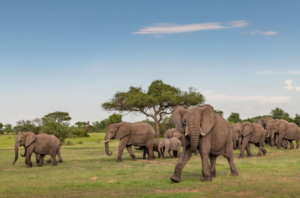
- African elephants
- Cape buffaloes
- Black rhinos
- Wildebeest
- Zebras
- Hippos
- Hyenas
- Warthogs
- Elands
- Thomson’s and Grant’s gazelles
- Jackals
- Flamingos and numerous other bird species
The official Ngorongoro Conservation Area information also lists the Big Five among animals found in the crater.
For children interested in birds, Ngorongoro can be equally exciting. Lake Magadi and other wetlands attract waterbirds, while grassland and woodland environments support many different species. NCAA specifically notes flamingos, ostriches, crowned cranes and other birdlife across the conservation area.
Parents can make wildlife viewing more entertaining by giving children their own binoculars or a checklist of animals to spot.
Best Time for a Family Ngorongoro Crater Safari
One of Ngorongoro’s biggest advantages is that it can be visited throughout the year. The Ngorongoro Conservation Area Authority officially describes the destination as suitable for year-round visits, including during the rainy season.
However, each period offers a slightly different family experience.
June to October
These generally drier months are popular for safari travel. Vegetation can become shorter and wildlife viewing is often straightforward.
Families travelling during school summer holidays should book early because northern Tanzania is particularly popular during this period.
December to March
This is another excellent period for combining Ngorongoro with the Serengeti ecosystem.
Families interested in the wildebeest migration can consider including Ndutu and the southern Serengeti, particularly during the calving season.
April and May
These months are usually quieter because of seasonal rains.
Families who do not mind occasional wet weather may appreciate fewer safari vehicles and greener landscapes.
The best month ultimately depends on school schedules, budget and which additional Tanzania destinations you want to combine with Ngorongoro.
How Many Days Does a Family Need in Ngorongoro?
For most families, one full crater game-drive day works very well.
However, you should ideally allow at least two nights in or around the Ngorongoro/Karatu region so the itinerary does not feel rushed.
For example:
Day 1: Arusha to Karatu or Ngorongoro
Travel toward the Ngorongoro highlands and enjoy a relaxed afternoon at your lodge.
Day 2: Ngorongoro Crater Safari
Start early, descend into the crater and enjoy wildlife viewing with a picnic lunch before returning to your accommodation.
Day 3: Continue Your Tanzania Safari
Travel toward Serengeti, Tarangire, Lake Manyara or return to Arusha depending on your itinerary.
Families with very young children may appreciate another relaxed night before continuing elsewhere.
Example 5-Day Family Safari Itinerary
A compact northern Tanzania itinerary can combine several different landscapes without making the journey unnecessarily complicated.
Day 1 – Arusha to Tarangire National Park
Depart Arusha after breakfast and travel to Tarangire.
Spend the day searching for elephants, giraffes, zebras, antelopes and predators before continuing to your accommodation.
Day 2 – Tarangire to Serengeti
Travel toward Serengeti while enjoying changing landscapes along the route.
Children often find the transition from highlands to vast open plains particularly memorable.
Day 3 – Serengeti National Park
Enjoy a full game-drive day.
Having a private safari vehicle can be particularly useful for families because your guide can adjust the schedule according to the children’s energy levels.
Day 4 – Serengeti to Ngorongoro Area
Enjoy additional wildlife viewing before travelling toward Ngorongoro.
Stay close to the crater or around Karatu.
Day 5 – Ngorongoro Crater to Arusha
Descend into Ngorongoro Crater in the morning for wildlife viewing.
After lunch and the afternoon game drive, travel back toward Arusha.
For younger children, the same itinerary can be extended to six or seven days so there is less driving each day.
Choosing Family-Friendly Accommodation
Accommodation is one of the most important parts of successful family Ngorongoro Crater safari planning.
Ngorongoro offers choices ranging from campsites and tented camps to comfortable lodges and luxury properties. NCAA confirms that accommodation within the conservation area includes lodges, permanent tented properties, community campsites, special campsites and the Simba public campsite.
Families should consider several things before choosing.
Family Rooms
Ask whether the lodge has family rooms, interconnected rooms or additional beds suitable for children.
Location
Crater-rim accommodation can provide spectacular scenery and easier access for an early descent.
Accommodation around Karatu can sometimes provide more choices and excellent value.
Meals
Inform your safari operator about children’s dietary needs before travelling.
Vegetarian, vegan, halal and allergy-sensitive meals can usually be arranged when requested in advance.
Swimming Pools and Gardens
After several hours in a safari vehicle, children often appreciate having somewhere to move around and relax.
For that reason, a lodge with gardens or a swimming pool can add considerable value to a family itinerary.
Private Safari or Shared Safari for Families?
Both options can work, but private safaris generally provide families with greater flexibility.
With a private vehicle, the guide can adapt stops and departure times according to your family.
If a child needs a toilet break, becomes tired or wants to watch elephants for another twenty minutes, the itinerary can usually be adjusted much more easily.
Private safaris are particularly useful for families travelling with younger children.
Joining a small-group safari can be more budget-friendly and may suit families with older children who are comfortable following a fixed itinerary.
Preparing Children for Their Safari
A little preparation before travelling can turn the safari into a much more engaging experience.
Show children photographs of African wildlife and teach them how to identify a few common animals.
You might create a simple safari checklist containing animals such as:
Lion – Zebra – Elephant – Buffalo – Wildebeest – Giraffe – Hippo – Hyena – Warthog – Flamingo
Allow children to mark off each species they see.
Older children may enjoy keeping a safari journal and writing down their favourite sighting every evening.
Binoculars and a simple camera can also help children become active safari participants rather than simply passengers.
What Should Families Pack?
Temperatures around Ngorongoro can be noticeably cooler than on Tanzania’s lower plains, particularly early in the morning and around the crater rim.
NCAA recommends comfortable clothing and notes that hilly and mountainous areas can be cold, making items such as a fleece, rain jacket and good footwear useful.
A practical family packing list includes:
- Lightweight neutral-coloured clothing
- Warm jacket or fleece
- Comfortable closed shoes
- Sun hat
- Sunglasses
- Sunscreen
- Refillable water bottle
- Camera
- Binoculars
- Small backpack
- Personal medications
- Wet wipes or tissues
- Children’s snacks
- Power bank
- Rain jacket
Layered clothing works particularly well because mornings may be cold while midday temperatures become much warmer.
Food and Drinks During a Family Safari
Most organised Ngorongoro safari packages include meals during safari days.
During the crater game drive, families usually take a picnic lunch at an approved location before continuing their wildlife viewing.
Bring familiar snacks for younger children in case they become hungry between meals.
However, never feed wildlife.
At the Loduare Gate, NCAA specifically warns visitors that baboons may aggressively seek food because they have become accustomed to people.
Keep food properly stored and follow your guide’s instructions.
Safety Tips for Families
African safaris are exciting, but parents should make sure children understand some simple wildlife rules.
Stay inside the vehicle unless your guide confirms that leaving it is permitted.
Never encourage children to approach or feed wild animals.
Avoid shouting at animals or trying to attract their attention.
Keep hands and belongings inside the safari vehicle when close to wildlife.
Listen carefully to your professional guide.
Ngorongoro also prohibits off-road driving, which helps reduce disturbance to wildlife and protects the environment.
Responsible behaviour keeps both families and wildlife safe.
Add Cultural and Educational Experiences
Ngorongoro is much more than a wildlife destination.
It forms part of a landscape where wildlife, people, geology and human history intersect.
The Ngorongoro Conservation Area was created as a multiple-use landscape where wildlife coexists with Maasai pastoral communities. The region also contains important archaeological sites, including Olduvai Gorge and Laetoli, associated with evidence of early human evolution.
Depending on your children’s ages, adding Olduvai Gorge can transform the safari into an educational experience covering archaeology, geology and human history.
Cultural activities should always be arranged respectfully through reputable operators and designated communities.
Combine Ngorongoro with Other Family Destinations
Ngorongoro works particularly well as part of Tanzania’s Northern Circuit.
Ngorongoro + Tarangire
Excellent for a shorter safari and particularly attractive to families interested in elephants and varied scenery.
Ngorongoro + Serengeti
One of Tanzania’s classic safari combinations.
Families get both the concentrated wildlife viewing of Ngorongoro and the enormous plains of Serengeti.
Ngorongoro + Lake Manyara
Convenient for families wanting another nearby destination without spending too many additional days travelling.
Ngorongoro + Zanzibar
This is one of the best family combinations for longer holidays.
After several active safari days, families can fly to Zanzibar and relax on the beach.
A safari-and-beach itinerary also creates variety for children who may not want to spend the entire holiday in a vehicle.
How to Make a Family Safari More Comfortable
The best family safari is rarely the itinerary containing the largest number of parks.
Comfort, pacing and flexibility matter more.
Avoid scheduling extremely long drives on consecutive days. Give children enough time to rest at the lodge, particularly after early game drives.
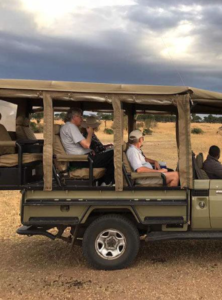
Where possible, choose a reliable 4×4 safari vehicle with good visibility.
A pop-up roof allows passengers to stand during suitable wildlife encounters, while window seats make it easier for children to observe animals without competing for space.
Most importantly, choose a guide who is patient with families.
A skilled guide can explain wildlife behaviour in simple language, answer endless questions and transform an ordinary animal sighting into an unforgettable lesson about nature.
Start Planning Your Family Ngorongoro Crater Safari
Successful family Ngorongoro Crater safari planning is about finding the right balance between wildlife, adventure and comfort.
Ngorongoro gives families an opportunity to watch lions, elephants, zebras, buffaloes, rhinos and countless other animals while exploring one of Africa’s most remarkable volcanic landscapes. At the same time, its cultural and archaeological importance can turn a safari into an educational journey that children remember long after returning home.
At Kilipath African Safaris, we can design a family-friendly Tanzania itinerary around your children’s ages, travel dates, preferred accommodation level and budget. Your safari can combine Ngorongoro Crater, Serengeti, Tarangire, Lake Manyara and Zanzibar, with private transportation and flexible game drives.
Whether you are planning your children’s first African safari or a special multigenerational family holiday, Ngorongoro deserves a place near the top of your Tanzania itinerary.