

Budget Ngorongoro Crater Safari Holiday
Planning a budget Ngorongoro Crater safari holiday from Arusha? Compare a crater day trip, a two-day Tarangire and Ngorongoro safari, or a…
Read articleArusha City - Tanzania
Safari & Travel Tips
September 3, 2026 · 17 min read
Planning a safari with children is exciting, but it naturally raises many questions. Is the Serengeti safe for young travelers? How many days should a family spend in the park? Which accommodations are suitable for children? What should parents pack, and how can they prevent long game drives from becoming tiring? This family Serengeti safari travel guide answers those questions and helps you plan a rewarding Tanzanian adventure for every generation.
Serengeti National Park is one of Africa’s most celebrated wildlife destinations. Its name is associated with vast golden plains, dramatic predator sightings, enormous herds and the Great Wildebeest Migration. For families, however, the Serengeti offers something deeper than a list of animals. It creates uninterrupted time together, gives children a living introduction to nature and provides shared experiences that often become favorite family memories.
A successful family safari is not simply an ordinary itinerary with children added to the booking. It should be planned around the ages, interests, energy levels and comfort needs of the travelers. The right route, guide, vehicle and accommodation can make the difference between an exhausting trip and an extraordinary one. With thoughtful preparation and a knowledgeable local operator, families can experience the Serengeti comfortably, safely and at their own pace.
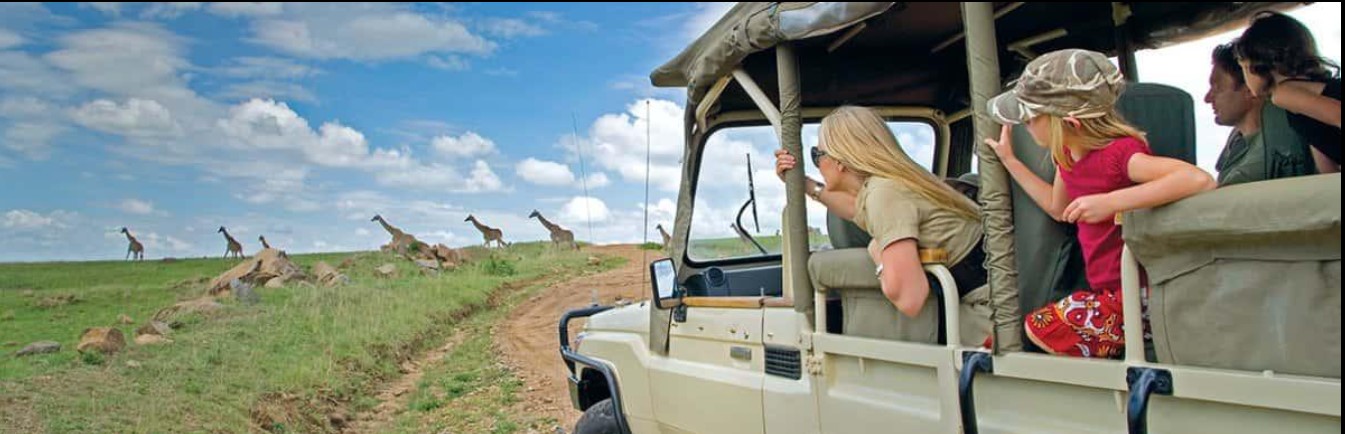
The Serengeti is an excellent family destination because wildlife can often be seen in open landscapes. Children may find it easier to spot zebras, giraffes, elephants, lions and antelopes on the plains than in parks dominated by thick vegetation. Every game drive can feel like a treasure hunt, with young travelers watching for movement, tracks and silhouettes on the horizon.
The park is home to a remarkable variety of animals. Depending on the area and season, families may see lions resting near rocky kopjes, cheetahs scanning the grasslands, elephants moving between woodland and water, hippos gathered in pools, and large groups of wildebeest and zebra. Colorful birds, monkeys, warthogs, hyenas and smaller creatures add variety between major sightings.
The experience is also educational. Children learn how predators and prey share an ecosystem, why migration is essential, how guides read animal behavior and why conservation matters. These lessons are memorable because they happen in the animals’ natural environment rather than through a screen or textbook.
Finally, the Serengeti can be combined with other family-friendly Tanzanian destinations. Tarangire National Park, Ngorongoro Crater and Lake Manyara fit naturally into a Northern Circuit itinerary. A safari can also be followed by a beach holiday in Zanzibar, giving families an appealing balance of adventure and relaxation.
Yes, many children have a wonderful time in the Serengeti, but age and temperament matter. A child who is curious about animals, comfortable with road travel and able to follow safety instructions is likely to enjoy the experience. Parents should consider how their children respond to early mornings, unfamiliar food, warm afternoons and several hours in a vehicle.
There is no single ideal minimum age for every safari. Some lodges accept children of all ages, while others have minimum-age policies for particular rooms, walking activities or shared game drives. Very young children may become restless during long drives, and certain properties may not have fences separating guest areas from wildlife. Families should therefore disclose the ages of all children before confirming accommodation.
A private safari is normally the most convenient choice for families. The vehicle is reserved for your group, allowing the guide to adjust departure times, stop for breaks and respond to the children’s interests. If a child becomes tired, the family can return to camp without affecting other guests. Parents also have more control over seating, snacks, photography and the general rhythm of the day.
Older children and teenagers often appreciate longer game drives, photography and detailed explanations from the guide. Younger children usually benefit from shorter drives, frequent breaks and simple activities such as an animal checklist or wildlife journal. The best itinerary respects both the adults’ ambitions and the children’s limits.
The Serengeti is a year-round destination, and every season has advantages. The best time depends on your school calendar, budget, preferred weather and wildlife priorities.
The dry season is popular because days are generally sunny, vegetation is less dense and animals gather around reliable water sources. Roads are often easier to navigate, and wildlife viewing can be excellent. July through October is also associated with the migration in the northern Serengeti, although the exact timing of river crossings cannot be guaranteed.
This period suits families seeking comfortable weather and strong game-viewing conditions. It is also a busy season, so camps and lodges should be booked well in advance. Prices are usually higher, and famous wildlife areas can attract several vehicles.
From roughly December through March, many migratory herds are found across the southern Serengeti and the Ndutu ecosystem, depending on rainfall. The calving period usually peaks around January and February. Families may see thousands of young wildebeest, dramatic predator activity and beautiful green plains.
This is an exciting choice for wildlife-loving families and photographers. Short rains can occur, but they often arrive as temporary showers rather than lasting all day. Families should confirm whether their chosen camp is positioned near the seasonal herds.
April and May are commonly the wettest months. Visitor numbers are lower, the landscape is lush and some properties offer attractive rates. Birdlife is abundant, and the atmosphere can feel peaceful.
However, heavy rain may make some roads slower or more difficult, and certain seasonal camps close. This period can work for flexible families who value fewer crowds and good value, but it requires careful routing and realistic expectations.
The short-rain season can bring fresh grass, dramatic skies and fewer visitors than the peak months. Rain patterns are unpredictable, and showers may be localized. This shoulder season can be a good compromise between wildlife, scenery and cost.
Rather than choosing dates based only on migration headlines, families should think about the complete experience. Comfortable temperatures, suitable accommodation and manageable travel times may be more important than reaching one specific herd location.
Suggested caption: The Great Migration moves through different parts of the Serengeti according to seasonal rainfall.
Two nights is the practical minimum for many itineraries, but three or four nights usually create a more relaxed experience. The park is enormous, and reaching it by road takes time. A very short visit can leave families spending too much of the trip in transit.
With three nights, families can enjoy several game drives without feeling that every day must begin before sunrise and end at sunset. Four nights provide even greater flexibility, especially when staying in two different areas or traveling during the migration season.
For a complete Northern Circuit holiday, seven to ten days is a comfortable range. An itinerary might include Tarangire, the Serengeti and Ngorongoro Crater, with optional time at Lake Manyara, Lake Eyasi or a cultural experience. Families who want a slower pace can add a rest day in Arusha before or after the safari.
If road travel is a concern, consider a fly-in or fly-out arrangement. A scheduled light-aircraft flight can reduce driving time and create an exciting aerial view of the landscape. Luggage limits on small aircraft are stricter, so soft-sided bags are normally preferred and allowances must be checked before departure.
Arrive at Kilimanjaro International Airport or Arusha Airport and transfer to a comfortable hotel. Use the afternoon or evening to rest, meet your safari representative and receive a briefing. Starting with an overnight stay is especially valuable for children after a long international journey.
Travel to Tarangire, a park known for elephants, baobab trees and varied scenery. Enjoy a game drive and picnic or hot lunch before continuing to a family-friendly lodge. Tarangire provides an engaging introduction without immediately committing the family to the longest road journey.
Drive through the Ngorongoro Conservation Area toward the Serengeti. The journey is scenic, but it can be long, so carry snacks, water, books and simple travel games. Enter the park and enjoy wildlife viewing en route to camp.
Explore the central Serengeti or the most suitable seasonal wildlife area. The guide can arrange a picnic lunch or return to camp for a midday break, depending on distances. A private vehicle lets the family decide whether to focus on big cats, elephants, birds or general wildlife.
Begin with an early game drive when animals are active, then return for breakfast and relaxation. Older children and adults may choose a full-day drive. If available and age-appropriate, families can consider a hot-air balloon safari, though minimum-age and safety conditions must be confirmed with the operator.
Enjoy a final Serengeti game drive before traveling toward the Ngorongoro highlands. Stop at viewpoints when practical and settle into a lodge near Karatu or the crater rim. The cooler highland climate makes warm clothing useful.
Descend into Ngorongoro Crater for a game drive. The compact ecosystem gives families a chance to see many species in one day. After lunch, return to Arusha for an overnight stay or connect with a suitably timed onward journey.
This itinerary can be shortened, extended or upgraded. Families traveling with toddlers may add rest time, while families with teenagers might include more Serengeti nights, cultural activities or a Zanzibar extension.
Accommodation strongly influences a family safari. Tanzania offers public camping, permanent tented camps, seasonal migration camps, lodges and luxury properties. The best choice depends on budget and the desired level of comfort.
Family rooms or connected tents are valuable because they keep parents and children close. Ask about bed configuration, bathroom arrangements, electricity hours, charging points, hot water, mosquito nets and the walking distance between rooms and dining areas.
Many tented camps deliver a genuine wilderness atmosphere while still providing proper beds, private bathrooms and attentive service. Canvas walls allow guests to hear the sounds of nature at night. Because wild animals can pass through unfenced camps, guests are normally escorted after dark and must follow staff instructions.
Families with younger children may prefer a lodge with permanent walls, a swimming pool and spacious common areas. A pool can be refreshing, but children must always be supervised. Some properties offer family activities, early meals or flexible menus, while others are designed primarily for adults.
Budget camping is the most adventurous option. Tents, sleeping equipment and meals may be provided, while toilets and showers are shared at public campsites. It can be safe and enjoyable when organized professionally, but parents should understand the facilities and nighttime procedures in advance.
Before booking, ask these questions:
A safari can support learning in many subjects. Children observe food chains, habitats, adaptation and animal behavior. They see how rainfall affects grass, how herbivores influence predators and how scavengers recycle nutrients. Geography becomes tangible as they cross plains, rivers, woodlands and volcanic highlands.
Guides may point out tracks, dung, alarm calls and territorial behavior. Young travelers learn that locating wildlife requires patience and observation. They also discover that conservation involves communities, protected areas, tourism revenue and responsible visitor behavior.
Parents can make the journey more interactive by giving each child a notebook. Children might record the date, location, weather and animals seen. A checklist, simple map or photography challenge helps sustain interest. Encourage them to notice small details, not only the Big Five: dung beetles, lizards, colorful birds and animal footprints can be fascinating.
The Serengeti is a wild environment, and safety depends on following professional guidance. Children should remain inside the vehicle unless the guide says it is safe to exit. They should never feed animals, imitate calls to attract wildlife or lean outside the vehicle near an animal.
At camps and lodges, parents must supervise children closely. Guests should not walk alone after dark, particularly at unfenced properties. Camp staff may provide an escort between tents and public areas. Food should not be stored inside tents unless the property specifically permits it.
During game drives, children should stay seated when the vehicle is moving and avoid sudden loud noises near wildlife. A calm vehicle provides a better experience and helps prevent disturbance. Seat belts should be used where fitted, and the guide’s instructions should always take priority.
Health preparation is equally important. Consult a qualified travel-health professional well before departure for personalized advice on routine vaccinations, malaria prevention and entry requirements. Requirements can depend on nationality, transit route and recent travel history. Carry adequate travel insurance that covers safari activities, medical treatment, evacuation and trip disruption.
Parents should bring prescribed medicines in original packaging, along with copies of prescriptions. A compact family first-aid kit can include plasters, antiseptic, oral rehydration salts, child-appropriate pain relief, motion-sickness support and any allergy medication recommended by a clinician.
Packing light is important, especially when using domestic flights. Choose comfortable clothes in neutral colors such as khaki, beige, brown, olive and grey. Bright white can become dusty, while camouflage clothing may be restricted or inappropriate in some destinations.
Essential items include:
Soft-sided luggage is usually more practical than hard suitcases because it fits more easily in safari vehicles and light aircraft. Keep valuable items, medicine and one change of clothes in hand luggage in case checked bags are delayed.
For Ngorongoro and early Serengeti drives, layers are essential. Mornings can feel cold, even when afternoons become warm. A scarf or buff helps protect against dust. Families traveling in the wetter months should include quick-drying clothing and a rain layer.
Suggested caption: Binoculars, wildlife checklists and a patient guide help children stay involved during game drives.
Safari packages generally include meals and drinking water, but inclusions vary. Families should confirm whether lunches are picnic boxes or hot meals and whether drinks other than water are included. Carrying familiar snacks can be helpful during long transfers.
Tanzanian safari kitchens regularly accommodate vegetarian, vegan, halal, gluten-sensitive and allergy-related requests when notified early. Parents should provide clear details rather than broad labels. For a serious allergy, explain the ingredient, severity and cross-contamination risk, and carry emergency medication advised by a doctor.
Children should drink water regularly because warm, dry conditions can cause dehydration. Use safe bottled or filtered water supplied by the operator, including when brushing teeth if advised. Encourage frequent small drinks rather than waiting until a child feels thirsty.
Driving distances are one of the most important realities of a Northern Tanzania safari. Arusha, Tarangire, Ngorongoro and the Serengeti are not next to one another. Road journeys include paved highways, rough park roads and dusty tracks.
Prepare children by explaining that travel is part of the adventure. Break the day into manageable sections and use landmarks or animal sightings as milestones. A private vehicle makes spontaneous stops easier. Ask the guide to plan bathroom breaks in appropriate places and communicate immediately if a child feels unwell.
Motion sickness can occur on winding or uneven roads. Discuss suitable prevention with a healthcare professional before travel. Seating a susceptible traveler where they can see forward, providing fresh air when safe and avoiding heavy meals before long drives may help.
Electronic devices can be useful during transfers, but batteries and internet access may be limited. Download content in advance and bring headphones. During game drives, encourage screen-free observation so children remain connected to the landscape.
Responsible tourism protects the wildlife that families have traveled to see. Choose an operator that employs qualified guides, maintains vehicles, follows park regulations and treats staff fairly. Avoid itineraries that promise impossible animal encounters or encourage guides to crowd wildlife.
Families should keep noise low at sightings, never throw litter and avoid buying products made from wildlife. Maintain a respectful distance from animals and do not pressure a guide to leave designated tracks where off-road driving is prohibited.
Cultural visits should be chosen carefully. Good experiences are organized with community consent, provide fair local benefit and allow respectful interaction rather than treating people as attractions. Parents can use these visits to teach children that Tanzania’s identity includes diverse living cultures as well as wildlife.
Reduce disposable plastic where possible by carrying reusable bottles and bags. Follow accommodation instructions for water and electricity use, particularly in remote camps where resources are limited. Small choices made by many travelers contribute to a more sustainable safari industry.
A Serengeti-and-Zanzibar holiday is one of the most popular options for families. The safari provides early mornings, game drives and constant discovery, while Zanzibar offers beaches, swimming and a slower rhythm.
Allow at least three or four nights on the island if possible. Families can relax at a beach resort, visit Stone Town, explore a spice farm or take an age-appropriate marine excursion. Choose a property based on swimming conditions, room layout, transfer time and meal plan—not only on photographs.
Domestic flights connect the safari circuit with Zanzibar, but schedules and baggage limits must be checked carefully. Leave enough connection time if combining separate tickets or continuing to an international flight.
The cost depends on travel season, number of nights, accommodation category, whether the safari is private, children’s ages and whether domestic flights are included. Park fees, conservation charges, vehicle costs, guide services, meals and accommodation make up much of the price.
Families can manage the budget by traveling in a shoulder season, choosing comfortable mid-range camps, limiting one-night stops and balancing premium Serengeti nights with more affordable accommodation outside other parks. Children’s rates may be available, but age bands and room-sharing rules differ among parks and properties.
When comparing quotations, examine inclusions rather than choosing the lowest headline price. Confirm airport transfers, park fees, meals, drinking water, accommodation type, taxes, vehicle exclusivity and emergency support. Ask which costs remain payable locally and whether payment fees apply.
A detailed quotation should also state the cancellation policy and how supplier payments affect refunds. Comprehensive insurance is important because family plans can change unexpectedly.
An itinerary with a different hotel every night may look impressive but can be tiring. Fewer bases and longer stays usually give families better wildlife time and less packing.
Map distances do not fully reflect road conditions. Ask for realistic transfer times and plan rest stops.
A beautiful camp may not accept young children or may restrict certain activities. Confirm policies before paying a deposit.
Large hard-sided cases are difficult to manage. Pack layers, repeat outfits and use laundry services when available.
Children need downtime. One shorter drive can improve the whole family’s energy and enjoyment.
Family rooms are limited and sell quickly during popular travel periods. Reserve early when dates are fixed.
The best family safari is not necessarily the longest or most luxurious. It is the one designed around your family. Choose a realistic route, allow time to rest, book child-friendly accommodation and work with a guide who enjoys introducing young travelers to nature.
Children may not remember every animal name, but they are likely to remember a lion calling in the distance, elephants walking past the vehicle, breakfast under an enormous African sky and the excitement of finding fresh tracks on the road. Those shared moments are what make a family Serengeti safari so valuable.
Kilipath African Safaris can create a private family itinerary based on your children’s ages, travel dates, budget and preferred comfort level. Whether you want a short Serengeti adventure, a complete Northern Circuit safari or a wildlife-and-Zanzibar holiday, careful local planning will help every member of the family enjoy Tanzania.
Contact Kilipath African Safaris to begin planning a safe, flexible and unforgettable family Serengeti safari.
Planning a budget Ngorongoro Crater safari holiday from Arusha? Compare a crater day trip, a two-day Tarangire and Ngorongoro safari, or a…
Read articleA Tanzania safari from Zanzibar can mean a short mainland trip during your beach holiday or a complete package with flights, game…
Read articleLooking for a group Tanzania safari price from Kilipath African Safaris? A published example for our four-day shared camping safari through Tarangire,…
Read articlePair game drives on Tanzania’s mainland with a few days on Zanzibar’s coast. With Kilipath African Safaris, you can start in Arusha…
Read article

