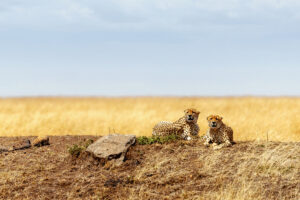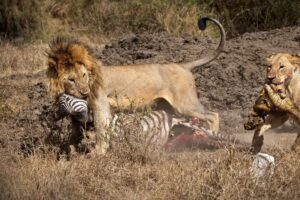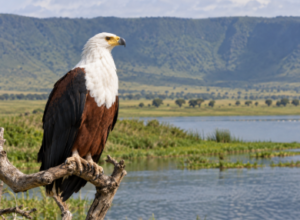
A family Tanzania safari package holiday combines famous wildlife, varied landscapes and meaningful time together in a way few ordinary holidays can match. Children can watch elephants protect their calves, learn why zebras and wildebeest move in large herds, identify animal tracks and hear stories from a professional local guide. Parents gain the reassurance of a planned route, private or shared transport, reserved accommodation and meals arranged in advance. The result is an adventure that feels exciting without requiring the family to manage every detail on the road.
Tanzania is especially suitable for first-time safari families because the Northern Circuit links several outstanding areas by road. Tarangire, Lake Manyara, the Ngorongoro Conservation Area and Serengeti National Park can be combined into one logical itinerary. A private 4×4 Land Cruiser gives families flexibility for comfort stops, photography and early returns when younger travelers become tired. A pop-up roof provides clear wildlife views, while a knowledgeable guide turns each sighting into an age-appropriate lesson.
Biliesest Parks for Fam
Tarangire National Park
Tarangire is an excellent opening chapter. It is known for elephants, ancient baobab trees and the Tarangire River, which attracts animals during the dry season. The drive from Arusha is usually manageable for children, and wildlife may appear soon after entering the park. Families can observe elephant social behavior, giraffes, zebras, antelopes and many birds without beginning with the longest transfer of the trip. Avoid black or dark blue clothing here because these colors can attract tsetse flies.
Serengeti National Park
The Serengeti delivers the classic safari experience: wide plains, big cats, immense skies and seasonal wildlife movement. Central Serengeti is a strong choice for families because resident wildlife can be rewarding throughout the year. Depending on the season and route, visitors may also explore Ndutu in the south during the calving period or the northern Serengeti during river-crossing months. These seasonal areas often require a private itinerary because distances, timing and accommodation availability need careful coordination.
Families should not treat every game drive as a race to find the Big Five. Children often enjoy smaller discoveries just as much: a dung beetle at work, a colorful lilac-breasted roller, young warthogs running with raised tails or a lion cub copying its mother. A good guide balances headline sightings with stories and short observation breaks.
Ngorongoro Crater
Ngorongoro Crater offers a concentrated wildlife experience inside a dramatic volcanic landscape. Families descend from the cool rim to grassland, marsh and woodland habitats on the crater floor. Lions, buffalo, zebras, wildebeest, hippos and many birds may be seen in one day, while black rhino sightings are possible but never guaranteed. The rim can be cold in the early morning, so warm layers are essential even when the rest of the safari is sunny.
Lake Manyara and Cultural Experiences
Lake Manyara can add groundwater forest, birdlife and Rift Valley scenery to a family route. Wildlife distribution changes with water levels and season, so it is best chosen for variety rather than a single promised sighting. Cultural visits, village walks, craft demonstrations or a carefully arranged Maasai experience can help children understand that Tanzania is not only about animals. These visits should be respectful, locally guided and clear about photography expectations.
A Recommended Seven Day Family Itinerary
| Day | Area | Family plan |
| 1 | Arusha | Arrival, airport transfer, rest and safari briefing. Confirm dietary needs and organize soft luggage. |
| 2 | Tarangire | Morning departure, elephant-focused game drive and picnic lunch. Overnight near the park or in Karatu. |
| 3 | Serengeti | Drive through the highlands toward Central Serengeti, with wildlife viewing and scenic stops en route. |
| 4 | Serengeti | Full-day game drive with a flexible lunch plan. Return earlier if children need swimming, rest or quiet time. |
| 5 | Serengeti | Another game drive focused on habitats missed the previous day, then travel toward Ngorongoro. |
| 6 | Ngorongoro | Early crater descent, wildlife viewing and picnic lunch. Overnight in Karatu for a comfortable final evening. |
| 7 | Arusha | Relaxed return to Arusha. Add a local lunch, souvenir stop or airport transfer according to the flight schedule. |
This seven-day structure keeps a good balance between major wildlife areas and travel time. Families with very young children may prefer five or six days with only two or three parks. Families with teenagers may add a walking safari, a longer Serengeti stay or a cultural activity. Travel should be adapted to the children’s ages, interests and previous experience rather than copied from an adult-only itinerary.
Private or Shared Safari for a Family
A private safari is normally the most comfortable option for families. The vehicle, guide and daily rhythm belong to your group. Parents can request breaks, shorten a game drive, spend longer at a favorite sighting or return to the lodge before sunset. Private trips also make it easier to use child seats where available, carry familiar snacks and arrange family rooms. A shared safari can reduce cost for older children who are comfortable with fixed departure times and longer days, but the family must respect the agreed schedule of other guests.
Before booking, ask about the maximum number of travelers in the vehicle and whether each guest receives a window seat. Confirm the youngest permitted age, because policies for shared safaris, walking activities and some camps vary. For privacy and routine, a dedicated vehicle usually provides the best overall value even when its initial price is higher.
Choosing Family Friendly Accommodation
Accommodation has a major effect on a child’s safari experience. Lodges and permanent tented camps can provide private bathrooms, proper beds, electricity and family rooms. Some properties have swimming pools or lawns, which are useful after several hours in a vehicle. Tented camps feel close to nature but may have unfenced grounds, so children must follow escort rules after dark. Public camping is more adventurous and affordable, yet bathrooms are shared and hot water may not be guaranteed.
Ask for a family room, interconnected rooms or neighboring tents before paying a deposit.
Confirm bed configuration, mosquito nets, electricity hours and charging points.
Check whether the property accepts children of your ages and whether any supplement applies.
Share allergies and dietary preferences in writing, including vegetarian, vegan, halal or food-intolerance needs.
Choose a location that reduces unnecessary driving, especially before an early crater descent.
Best Time for a Family Tanzania Safari
Tanzania can be visited throughout the year, but each season creates a different family experience. The dry months, broadly June to October, usually provide easier wildlife viewing and comfortable road conditions, although popular parks and lodges are busier. Northern Serengeti migration travel is generally associated with July to October, while exact river crossings cannot be scheduled like a performance. December to March is attractive for Ndutu and the southern plains, especially during the calving season, with January and February often receiving strong interest.
The wetter green season brings lush scenery, dramatic skies, migratory birds and sometimes better value. Roads can be muddy and afternoon rain is possible. School holidays, desired wildlife, budget and tolerance for long drives should guide the final choice. Book early for Christmas, New Year, July, August and September because suitable family rooms are limited.
What a Family Safari Package Should Include
A clear package normally lists transport in a 4×4 safari vehicle, a professional English-speaking guide, park and conservation fees, accommodation, meals during safari and drinking water. Many operators also include airport transfers or offer them separately. The quotation should name each lodge or provide an equivalent standard, explain the room arrangement and identify any domestic flights. Optional activities such as a balloon safari, walking safari or cultural visit should appear as separate costs unless specifically included.
Families should also check exclusions. International flights, visas, travel insurance, tips, personal purchases and some beverages are commonly outside the package. Request payment and cancellation terms in writing. If flights or hotels have already been paid to suppliers, those components may become non-refundable even when the operator’s general cancellation policy is more flexible.
Health Safety and Comfor
Consult a qualified travel-health professional well before departure for advice tailored to each traveler’s age, health history and itinerary. Bring prescribed medicine in original packaging, basic first-aid items, sunscreen, insect repellent and copies of important documents. Comprehensive travel insurance should cover medical treatment, evacuation, delays and cancellation. On safari, children must remain inside the vehicle unless the guide confirms that it is safe to exit.
Wild animals are not pets, and distance must be respected even inside lodge grounds. Parents should supervise children around balconies, pools and campfires. Everyone should drink water regularly and use sun protection. A slower pace, adequate sleep and familiar snacks can prevent small discomforts from becoming major problems.
Packing List for Parents and Children
Lightweight neutral-colored clothing, plus a warm jacket for Ngorongoro mornings.
Comfortable closed shoes, sandals for the lodge and a wide-brimmed hat.
Sunscreen, insect repellent, personal medicine and a compact first-aid kit.
Binoculars for older children, a wildlife checklist, notebook and pencils.
Reusable water bottles, wet wipes, tissues and a few non-melting snacks.
Camera, charging cables, power bank and a small flashlight.
Soft-sided luggage for easier vehicle and domestic-flight handling.
One small day bag with documents, medicine, a change of clothes and valuables.
How to Keep Children Engaged
Give children simple roles. One can keep the species list, another can watch for tracks and another can photograph birds. Ask the guide to explain behavior rather than only name animals. Break up long drives with short stories, maps and observation challenges. Do not promise a specific animal sighting; anticipation is healthier when every encounter counts. For younger children, schedule shorter morning and afternoon drives instead of a continuous day whenever the route and park rules allow.
The best family moments are often quiet ones: sharing breakfast while hearing birds, watching elephants drink or comparing favorite sightings at dinner. Leaving space for rest makes these moments easier to appreciate. A successful family safari is not measured by the number of parks visited but by how comfortably everyone participates.
Plan Your Family Safari with Confidence
The right family Tanzania safari package holiday should match your children’s ages, preferred travel pace, accommodation comfort and budget. Begin with your travel dates, number of adults and children, children’s ages, arrival and departure airports, dietary needs and must-see wildlife. A local safari consultant can then recommend a realistic route instead of forcing every family into the same program. With thoughtful planning, Tanzania becomes more than a holiday: it becomes a shared story your family will continue telling long after the dust has settled.