

Tanzania Safari Package Zanzibar Price Guide
A Tanzania safari from Zanzibar can mean a short mainland trip during your beach holiday or a complete package with flights, game…
Read articleArusha City - Tanzania
Safari & Travel Tips
August 31, 2026 · 8 min read
A family Tanzania safari tour is one of the most exciting ways to experience Africa together. From watching elephants wander across Tarangire National Park to seeing lions on the Serengeti plains and exploring the spectacular Ngorongoro Crater, Tanzania offers wildlife experiences that can fascinate both adults and children.
Family safaris can also be designed around comfort, safety, shorter driving distances, flexible game drives, private safari vehicles, child-friendly accommodation, and activities suitable for different ages.
Whether you are traveling with young children, teenagers, grandparents, or several generations together, careful planning can turn a Tanzania safari into an unforgettable family holiday.
Tanzania is particularly suitable for families because several famous wildlife destinations can be combined within one itinerary. The Northern Safari Circuit allows travelers to visit Tarangire, Lake Manyara, Ngorongoro and Serengeti while experiencing different landscapes and wildlife environments.
Families can expect opportunities to see:
For children seeing these animals in their natural environment can be completely different from visiting a zoo or watching wildlife documentaries.
Tarangire is often an excellent first safari destination for families.
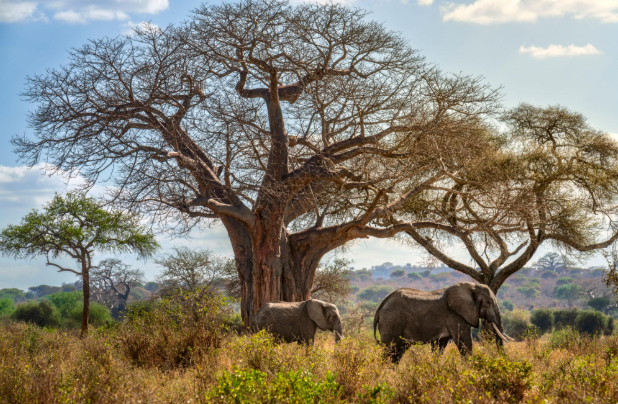
The park is famous for its elephant population, enormous baobab trees and beautiful savannah landscapes. During the dry season, wildlife often gathers around the Tarangire River.
Another advantage is its accessibility from Arusha, making it possible to enjoy a rewarding wildlife experience without immediately spending an extremely long day traveling.
The Serengeti is usually one of the highlights of a Tanzania family safari.
Children and adults can enjoy searching for lions, cheetahs, elephants, giraffes and huge herds of plains animals.
Depending on the season and location, families may also witness different stages of the Great Wildebeest Migration.
Because the Serengeti is enormous, families should carefully choose where they stay to avoid unnecessary driving.
The Ngorongoro Crater offers one of Tanzania's most concentrated wildlife experiences.
Families descend into the crater for a game drive across grassland, woodland, wetlands and lakes.
Wildlife sightings can include lions, elephants, buffalo, hippos, zebras, wildebeest and occasionally black rhinos.
The variety of animals within a relatively compact area makes Ngorongoro especially rewarding for children.
Lake Manyara can be incorporated into family itineraries when routing and seasonal conditions make sense.
The park provides a contrasting environment of groundwater forest, open areas and lake scenery. Monkeys, baboons, elephants, giraffes and numerous birds may be encountered.
For many travelers, 5 to 7 days provides an excellent balance between wildlife viewing and travel time.
A shorter itinerary might include:
Day 1: Tarangire National Park
Day 2: Serengeti National Park
Day 3: Serengeti to Ngorongoro
Day 4: Ngorongoro Crater and return to Arusha
This option is suitable for families with limited vacation time.
A five-day safari gives families more time to enjoy wildlife without rushing as much.
A typical route could be:
Day 1: Arusha to Tarangire
Day 2: Tarangire to Serengeti
Day 3: Full-day Serengeti safari
Day 4: Serengeti to Ngorongoro
Day 5: Ngorongoro Crater and return to Arusha
Families wanting a more relaxed experience can spend additional nights in the Serengeti or add destinations and cultural experiences.
Longer itineraries are especially useful for wildlife-loving families and photographers.
Tanzania offers safari opportunities throughout much of the year.
The dry season is popular because wildlife is often easier to spot around water sources and vegetation can be less dense.
These months also correspond with school holidays in many countries.
This period can be excellent for families interested in the southern Serengeti and Ndutu ecosystem.
January and February are particularly famous for wildebeest calving in the wider Ndutu region.
These months are generally wetter. There can be advantages, including greener landscapes and potentially fewer visitors, although rainfall may influence road conditions and outdoor schedules.
Yes. Many families travel successfully with children in Tanzania.
However, the ideal itinerary depends heavily on the children's ages.
Young children may become tired during long drives, while teenagers often enjoy longer wildlife searches and photography.
Parents should discuss children's ages with their safari operator before booking so that the route, accommodation and activities can be designed appropriately.
Accommodation can strongly influence the overall family experience.
Depending on your budget, options may include:
Families with younger children usually prefer accommodation offering private bathrooms, comfortable beds and convenient meal facilities.
Ask about swimming pools, family rooms, electricity, Wi-Fi, dietary options and children's policies before confirming accommodation.
Camping can be an adventurous option for families with older children who enjoy outdoor experiences.
Public safari campsites usually offer a much simpler experience than lodges.
A camping safari can involve tents, sleeping equipment, shared bathroom facilities and meals prepared by a safari cook.
For families who prioritize comfort, a lodge or permanent tented camp is generally more suitable.
Safari vehicles used in Tanzania are typically specially adapted 4x4 vehicles.
A good family safari vehicle should offer comfortable seating, large viewing windows and a pop-up roof for wildlife observation.
Families may also want to ask whether their safari vehicle provides:
A private vehicle is particularly valuable because every family member has more freedom to observe and photograph wildlife.
Families should pack practically rather than bringing excessive luggage.
Useful items include:
Ngorongoro mornings can be surprisingly cool, so warm layers are useful even when traveling in generally warm months.
Wildlife sightings themselves provide plenty of excitement, but some game drives can involve periods of waiting or driving.
Parents can turn the safari into an educational adventure by giving children simple challenges.
They can keep a wildlife checklist, identify animal tracks, count elephants, photograph different birds or maintain a safari journal.
A knowledgeable safari guide can also explain animal behavior, ecosystems and conservation in an engaging way.
Safari meals vary depending on the accommodation level.
Lodges and camps generally provide breakfast, lunch and dinner.
Lunch during game drives may be served as a packed meal or picnic, while some safari arrangements provide hot meals.
Vegetarian, vegan, halal and other dietary requirements can often be arranged when requested in advance.
Parents traveling with children who have allergies should clearly communicate those requirements before arrival.
Tanzania has welcomed safari travelers and families for many years.
As with any international trip, families should follow professional advice and park regulations.
Important precautions include remaining inside the vehicle unless the guide confirms it is safe to exit, supervising children closely and never approaching wild animals.
Safari guides understand animal behavior and park regulations, making it important to follow their instructions throughout the trip.
One of the most popular family holidays is a Tanzania safari and Zanzibar combination.
After several adventurous safari days, families can fly to Zanzibar and enjoy beaches and a slower pace.
A combination itinerary might include:
Days 1–6: Tanzania safari
Days 7–12: Zanzibar beach holiday
This gives children two completely different holiday experiences within one trip.
Families can combine wildlife viewing with swimming, relaxing, cultural experiences and selected Zanzibar excursions.
The price of a family safari depends on many factors.
Major cost factors include:
Private safaris may initially appear more expensive, but families of four or more can sometimes receive good value because vehicle costs are distributed across several travelers.
Always request a detailed quotation showing exactly what is included.
A safari package may include:
Optional activities, international flights, visas, insurance and gratuities may be excluded.
Check the package details carefully.
Wildlife does not need to be the only focus of your holiday.
Depending on the itinerary, families may add cultural or community-based activities such as visiting local villages, learning about traditional lifestyles or visiting communities around Lake Eyasi.
These experiences can help children understand Tanzania beyond its national parks.
A safari provides fantastic photography opportunities for teenagers and young travelers.
Even a simple phone or compact camera can help children stay engaged.
Encourage them to photograph different animals, landscapes, plants and memorable moments rather than focusing only on the Big Five.
Their photographs can later become a family safari album.
Your safari operator plays an important role in coordinating logistics.
Look for an operator that communicates clearly and can provide transparent information about:
The company should also understand the differences between traveling as adults and traveling with children.
A Tanzania safari from Zanzibar can mean a short mainland trip during your beach holiday or a complete package with flights, game…
Read articlePlanning a Tanzania safari that combines Lake Manyara National Park and Nyerere National Park is an excellent way to experience the country's…
Read articleDiscover Tanzania’s untamed wilderness without exceeding your travel budget. A budget Ruaha safari adventure offers incredible wildlife encounters, spectacular landscapes, authentic African…
Read articleA Nyerere Tanzania wildlife safari offers an extraordinary opportunity to discover one of Africa's most spectacular wilderness destinations. From magnificent elephants and…
Read article

