

Budget Ngorongoro Crater Safari Holiday
Planning a budget Ngorongoro Crater safari holiday from Arusha? Compare a crater day trip, a two-day Tarangire and Ngorongoro safari, or a…
Read articleArusha City - Tanzania
Safari & Travel Tips
September 4, 2026 · 12 min read
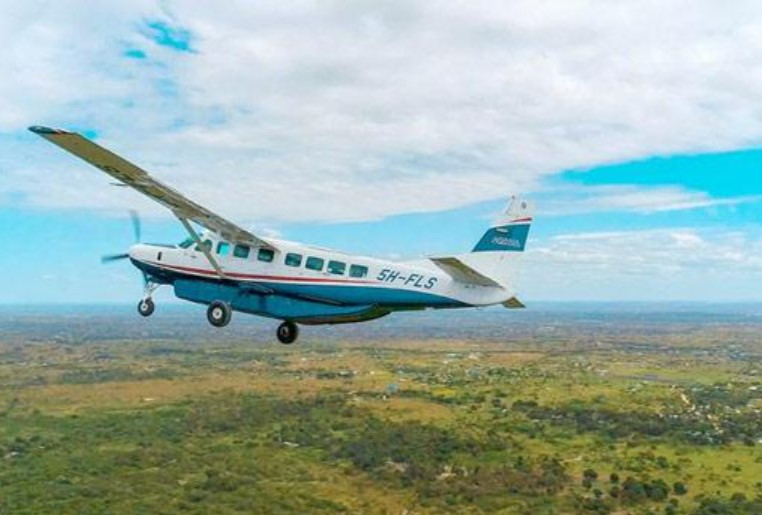
A fly-in Ngorongoro Crater safari package offers a convenient and comfortable way to experience one of Tanzania’s most spectacular wildlife destinations. Instead of spending many hours traveling by road, you can fly from Zanzibar, Dar es Salaam, or another Tanzanian destination to an airstrip near the Ngorongoro Conservation Area. From there, a professional safari guide collects you in a private or shared 4x4 Land Cruiser and takes you into the heart of the adventure.
Fly-in packages are particularly suitable for travelers with limited vacation time, honeymooners, families, photographers, and visitors combining a Tanzania safari with a Zanzibar beach holiday. Depending on your schedule, you can choose a one-day trip, an overnight safari, or a longer itinerary that includes Tarangire National Park, Lake Manyara, or Serengeti National Park.
Traveling by air allows you to dedicate more of your holiday to wildlife viewing and less time to long road transfers. This can make a significant difference for visitors arriving from Zanzibar or Dar es Salaam.
The main benefits include:
Most fly-in packages include airport transfers, domestic flights, park fees, crater service fees, accommodation, meals, drinking water, game drives, and the services of a professional guide.
Ngorongoro Crater is located in northern Tanzania within the Ngorongoro Conservation Area. It lies west of Arusha and is part of Tanzania’s famous Northern Safari Circuit.
The crater was formed after an enormous volcano collapsed millions of years ago. Today, its floor covers approximately 260 square kilometers and supports an extraordinary concentration of wildlife.
The crater is often described as a natural wildlife sanctuary because its grasslands, forests, swamps, and freshwater areas provide suitable habitats for many different animals. The steep crater walls create a dramatic setting that makes a Ngorongoro safari visually unforgettable.
There is no major commercial airport directly inside Ngorongoro Crater. Most travelers fly to an airport or airstrip that provides convenient access to the conservation area.
Common arrival points include:
Arusha Airport is one of the most common gateways for travelers flying from Zanzibar. After landing, you meet your safari guide and continue toward Ngorongoro by road.
Lake Manyara Airstrip is closer to the Ngorongoro highlands than Arusha Airport. It can be a useful arrival point for private and tailor-made fly-in safaris, depending on the available flight schedule.
Kilimanjaro International Airport mainly serves international and regional flights. Travelers arriving here usually transfer to Arusha or begin their safari by road.
Travelers combining Serengeti and Ngorongoro can fly directly into Serengeti using airstrips such as Seronera, Kogatende, Ndutu, or other seasonal airstrips. They then complete their journey toward Ngorongoro in a safari vehicle.
Flight schedules and airstrip availability depend on the season and airline. Your safari operator should confirm the most practical route before you book international or Zanzibar flights.
Ngorongoro Crater provides some of the most rewarding wildlife viewing in Tanzania. Animals live across the open grasslands, forests, marshes, and lakes on the crater floor.
Possible sightings include:
The endangered black rhinoceros is one of the crater’s most sought-after sightings. Although no wildlife encounter can be guaranteed, Ngorongoro is considered one of Tanzania’s better destinations for seeing black rhinos in their natural habitat.
Giraffes are uncommon on the crater floor, partly because the steep descent routes and habitat are less suitable for them. However, they may be seen in other parts of the Ngorongoro Conservation Area.
Ngorongoro Crater is famous for opportunities to see four members of the Big Five: lions, elephants, buffaloes, and black rhinoceroses. Leopards inhabit the wider conservation area but are rarely seen on the open crater floor.
A package combining Ngorongoro with Serengeti gives travelers a better opportunity to search for leopards while experiencing two very different ecosystems.
Remember that wildlife moves naturally and sightings are never guaranteed. Experienced guides use their knowledge of animal behavior, tracks, habitat, and information shared by other guides to find the best viewing opportunities.
A one-day fly-in safari is designed for travelers with very limited time. You take an early flight from Zanzibar or another destination, meet your guide, and travel toward Ngorongoro for a crater game drive.
A typical experience may include:
Although convenient, a one-day trip can involve a tight schedule. Flight delays, road conditions, and park operating hours can affect the available game-drive time. An overnight package is usually more relaxed.
A two-day package provides a better balance between convenience and wildlife viewing. It may combine Ngorongoro with Tarangire or Lake Manyara.
Example itinerary:
Day 1: Flight and transfer to the Ngorongoro area
Fly from Zanzibar to Arusha or Lake Manyara. Meet your guide and continue to the Ngorongoro highlands. Depending on your arrival time, you may visit Lake Manyara, explore a local community, or relax at your lodge.
Day 2: Ngorongoro Crater safari
After an early breakfast, travel to the crater entrance and descend to the floor for an extensive game drive. Enjoy a picnic lunch before ascending the crater and transferring to the airport for your onward journey.
A three-day itinerary allows you to experience two major wildlife destinations without making the journey feel rushed.
A popular route includes:
Day 1: Fly to Arusha and visit Tarangire
Meet your guide after landing and continue to Tarangire National Park. Search for elephants, lions, giraffes, zebras, and antelopes among the baobab trees. Spend the night near Karatu or the park.
Day 2: Ngorongoro Crater game drive
Travel to Ngorongoro, descend into the crater, and enjoy a full wildlife-viewing experience. Later, return to your lodge for dinner and overnight accommodation.
Day 3: Cultural experience and departure
Visit a Maasai community, explore Mto wa Mbu, or enjoy a relaxed morning before transferring to the airport.
This is an excellent choice for visitors wanting a more complete northern Tanzania safari.
Example route:
Day 1: Fly from Zanzibar to Serengeti
Land at Seronera Airstrip and begin your first Serengeti game drive. Explore the plains while searching for lions, elephants, cheetahs, leopards, and large herbivore herds.
Day 2: Full-day Serengeti safari
Spend the day exploring different wildlife areas of Central Serengeti. Your guide selects the route based on recent wildlife movements and seasonal conditions.
Day 3: Serengeti to Ngorongoro
Enjoy another Serengeti game drive before continuing toward the Ngorongoro highlands. Arrive at your lodge or tented camp for dinner and overnight.
Day 4: Ngorongoro Crater and departure
Descend into the crater early in the morning. After the game drive and picnic lunch, continue to Arusha or the airport for your flight.
A well-organized fly-in Ngorongoro safari package normally includes:
Depending on the package, soft drinks, binoculars, Wi-Fi, alcoholic beverages, or cultural activities may also be provided.
Common exclusions include:
Always request a detailed inclusion and exclusion list before paying your deposit.
Budget packages may use simple lodges, guesthouses, or public campsites. Camping normally includes a tent, mattress, sleeping bag, meals prepared by a safari chef, and access to shared bathroom facilities.
Mid-range accommodation generally provides private rooms or safari tents with beds, private bathrooms, hot showers, and restaurant facilities. This category offers a good combination of comfort and value.
Luxury lodges may feature spacious suites, outstanding crater views, fireplaces, fine dining, and highly personalized service. Some are located near the crater rim, offering easy access for an early descent.
Accommodation near the crater rim offers beautiful views and shorter access to the descent road, but it is usually more expensive.
Karatu provides a wider range of affordable lodges and is surrounded by farmland and highland scenery. Driving from Karatu to the crater entrance adds some travel time, but it can significantly reduce the total package price.
Ngorongoro Crater can be visited throughout the year. Each season offers a different atmosphere.
The long dry season normally provides comfortable game viewing. Vegetation becomes thinner, and wildlife is often easier to observe around water sources. This period is popular, so lodges and flights should be booked early.
Short rains can transform the landscape into rich green scenery. Rainfall is often intermittent, and wildlife viewing can still be excellent.
These months are particularly interesting for travelers combining Ngorongoro with the Ndutu region, where the Great Migration’s calving season generally occurs. The exact timing depends on rainfall and natural herd movement.
The long-rain period offers green landscapes, fewer visitors, and potential accommodation discounts. Some roads can become muddy, and certain seasonal camps may close.
The total price depends on:
A short shared package with budget accommodation will usually cost less than a private safari using luxury crater-rim lodges. Solo travelers commonly pay more because the vehicle, guide, and room costs are not divided among several guests.
Airfares and statutory fees can change, so request a personalized quotation for your exact dates and departure location.
Combining Zanzibar with Ngorongoro is one of Tanzania’s most popular holiday experiences. It allows you to enjoy a wildlife safari followed by—or following—a relaxing beach stay.
A typical arrangement includes:
When arranging this trip, check whether your Zanzibar hotel is located far from the airport. Resorts in Nungwi, Kendwa, Paje, or other distant areas may require a very early departure.
Tarangire is known for its large elephant population, baobab trees, and diverse birdlife. It works particularly well in a two- or three-day itinerary.
This is the classic safari combination. Serengeti offers vast open plains and exceptional predator viewing, while Ngorongoro provides concentrated wildlife in a dramatic volcanic landscape.
Lake Manyara can add forests, groundwater springs, birdlife, and beautiful Rift Valley scenery to the itinerary. Wildlife conditions can vary depending on water levels and seasonal movement.
From approximately December to March, visitors can combine Ngorongoro with the Ndutu ecosystem to search for migrating wildebeest, newborn calves, and predators.
This combination provides two contrasting experiences: wildlife and highland scenery on the mainland followed by beaches, culture, and warm Indian Ocean waters in Zanzibar.
Domestic safari aircraft often have stricter luggage limits than international airlines. Soft-sided travel bags are normally more suitable than large hard-shell suitcases.
Recommended items include:
Ngorongoro’s highlands can be cold, especially early in the morning. Bring warm clothing even if you are also visiting Zanzibar.
A private fly-in package is often the best option for families. It reduces tiring road travel and allows parents to adjust game-drive times according to their children’s needs.
When planning a family safari, consider:
Families should book early because interconnecting rooms and family tents are limited.
Ngorongoro is an outstanding honeymoon destination. Couples can stay in a romantic tented camp or luxury lodge, enjoy private game drives, and combine the safari with Zanzibar.
Honeymoon packages may include:
Inform your operator that you are celebrating your honeymoon so suitable arrangements can be requested from the lodges.
The crater offers excellent opportunities for landscape and wildlife photography. Early morning light can be beautiful, while the crater walls create a distinctive background.
Photographers should consider a private vehicle because it offers more control over positioning and time at sightings. Window seats, open viewing space, charging facilities, and beanbags should be discussed before booking.
Bring protection against dust and carry enough memory cards and batteries. A longer lens is useful for distant animals, while a wide-angle lens captures the landscape.
Ngorongoro is both a wildlife conservation area and home to Maasai communities. Responsible visitors should respect local culture and conservation regulations.
Good practices include:
Before confirming your safari:
During peak seasons, domestic flights and lodges can sell out. Early booking is especially important for travel between June and October and during the festive season.
Fly-in Ngorongoro Crater safari packages provide a convenient way to experience Tanzania’s wildlife without dedicating several days to road travel. Whether you choose a short trip from Zanzibar, a private honeymoon safari, or a longer Serengeti and Ngorongoro itinerary, careful planning will help you get the best value from your journey.
For the most enjoyable experience, choose a package with realistic flight connections, sufficient game-drive time, transparent inclusions, and accommodation that matches your comfort level. A knowledgeable local operator can coordinate the flights, transfers, park fees, meals, and accommodation, leaving you free to enjoy the crater’s magnificent scenery and wildlife.
Planning a budget Ngorongoro Crater safari holiday from Arusha? Compare a crater day trip, a two-day Tarangire and Ngorongoro safari, or a…
Read articleA Lake Manyara safari can cost USD 150–220 per person for a shared day trip from Arusha. A published example of a…
Read articleA Tanzania safari from Zanzibar can mean a short mainland trip during your beach holiday or a complete package with flights, game…
Read articleLooking for a group Tanzania safari price from Kilipath African Safaris? A published example for our four-day shared camping safari through Tarangire,…
Read article

