If you’ve ever dreamed of experiencing Tanzania’s wildlife up close but are short on time, a fly-in safari could be your perfect solution. But what exactly is a fly-in safari, and is it really worth it? In this guide, Kilipath African Safari explains everything you need to know, including the benefits, costs, and tips to make the most of this unique adventure.
What is a Fly-In Safari?
A fly-in safari is a type of guided wildlife tour where you travel between parks and reserves by small aircraft instead of by road. This allows you to cover more ground, see multiple destinations, and enjoy more game-viewing opportunities in less time.
Unlike traditional road safaris, fly-in safaris give you access to remote and exclusive lodges, often located in private concessions or untouched wilderness areas.
Benefits of a Fly-In Safari
- Time-Saving
Fly-in safaris are ideal for travelers with limited time. You can experience multiple parks like Serengeti, Ngorongoro Crater, and Tarangire in just a few days. - Luxury Experience
Most fly-in safaris include stays at premium lodges or tented camps, providing comfort and exclusivity far from the crowds. - Breathtaking Views
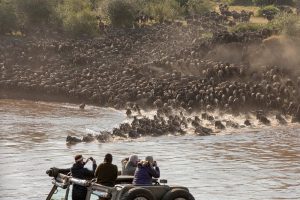
Small planes offer aerial views of Tanzania’s landscapes, including the Great Migration, rivers, and savannahs — perfect for photography enthusiasts. - Access to Remote Areas
Fly-in safaris reach remote parks that are difficult to access by road, ensuring a more private and intimate wildlife encounter.
Is a Fly-In Safari Worth It?
The answer depends on your priorities:
- Yes, if you:
- Want a time-efficient safari
- Prefer luxury and exclusivity
- Are interested in aerial photography or unique landscapes
- Maybe not, if you:
- Are on a tight budget (fly-in safaris can be significantly more expensive than road safaris)
- Enjoy the adventure of road travel and local interactions
Many travelers find that the unmatched convenience and experiences of a fly-in safari justify the additional cost.
Tips for a Successful Fly-In Safari
- Book early: Aircraft and luxury lodges can fill up quickly, especially during peak migration season.
- Pack light: Most small planes have strict luggage limits (usually 15–20 kg per person).
- Plan your itinerary strategically: Combine parks with similar flight routes to minimize costs and maximize sightseeing.
- Check the season: Fly-in safaris are best during the dry season (June–October) when wildlife congregates around water sources.
Kilipath African Safari: Your Fly-In Safari Experts
At Kilipath African Safari, we specialize in customized fly-in safari packages that cater to your schedule, interests, and comfort. Whether you want to witness the Great Migration in the Serengeti or explore the hidden gems of Northern Tanzania, our expert guides ensure an unforgettable experience.
Related Safari Options
- Luxury Tanzania Safari Packages
- Serengeti Migration Safari
- Ngorongoro Crater Safari Tours
- Tarangire Safari Adventure
FAQs About Fly-In Safaris
Q: How long is a typical fly-in safari?
A: Most itineraries range from 3 to 7 days, depending on how many parks you want to visit.
Q: Are fly-in safaris safe?
A: Yes. All flights use certified small aircraft with experienced pilots familiar with Tanzanian routes.
Q: Can I combine a fly-in safari with a Zanzibar holiday?
A: Absolutely! Many travelers enjoy a luxury safari followed by a relaxing beach holiday in Zanzibar.
Conclusion
A fly-in safari is an excellent choice for travelers who want to maximize their time, enjoy luxury, and experience Tanzania’s wildlife from a unique perspective. While it comes at a premium, the memories and convenience often make it worth every dollar.
Ready to plan your fly-in safari? Contact Kilipath African Safari today and let us craft a tailor-made adventure you’ll never forget.