A fly in Tanzania safari cost holiday is one of the most convenient and exciting ways to experience Tanzania’s legendary wildlife destinations. Instead of spending many hours driving between cities and national parks, travelers can board a light aircraft and land close to the heart of the wilderness.
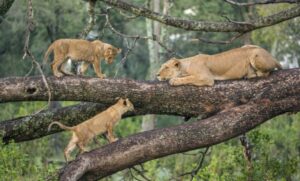
Imagine leaving Zanzibar in the morning, flying above Tanzania’s spectacular landscapes and landing at a small Serengeti airstrip where your safari guide is already waiting beside a 4×4 Land Cruiser. Within a short time, you could be watching lions resting beneath an acacia tree, elephants crossing the plains or thousands of wildebeest moving through the Serengeti.
Fly-in safaris are especially attractive to honeymooners, couples, families, photographers and travelers combining a Zanzibar beach holiday with a Tanzania wildlife safari.
However, one of the biggest questions travelers ask is:
How much does a fly-in safari in Tanzania cost?
There is no single answer because the total price depends on your itinerary, accommodation level, season, number of travelers, domestic flights and national parks visited.
This complete guide explains what determines the fly in Tanzania safari cost holiday, estimated safari budgets, popular itineraries and how to get maximum value from your trip.
What Is a Fly-In Tanzania Safari?
A fly-in safari uses scheduled or chartered light aircraft to connect major Tanzanian cities, islands and safari destinations.
Instead of driving the entire journey from Arusha to the Serengeti, for example, you can fly directly to an airstrip inside or near the national park.
Common safari airstrips include:
- Seronera Airstrip – Central Serengeti
- Kogatende Airstrip – Northern Serengeti
- Lobo Airstrip – Northern/Eastern Serengeti
- Ndutu Airstrip – Southern Serengeti and Ndutu
- Manyara Airstrip
- Grumeti Airstrip
- Sasakwa Airstrip
- Kuro Airstrip – Tarangire region
- Mtemere Airstrip – Nyerere
- Jongomero and other Ruaha-area airstrips
Scheduled safari airlines connect destinations such as Zanzibar, Dar es Salaam, Arusha and Serengeti. Coastal Aviation’s published 2026 timetable, for example, includes scheduled connections involving Zanzibar, Arusha, Manyara and several Serengeti sectors.
Once you land, your safari guide normally meets you at the airstrip and the wildlife experience begins immediately.
How Much Does a Fly In Tanzania Safari Cost?
A typical fly-in Tanzania safari may cost approximately:
| Safari Style | Estimated Cost Per Person Per Day |
|---|---|
| Budget / simple tented safari | $400–$650 |
| Mid-range fly-in safari | $600–$900 |
| Luxury fly-in safari | $900–$1,500+ |
| High-end migration safari | $1,200–$2,000+ |
These figures are general planning estimates rather than fixed quotations.
Actual costs vary significantly depending on the season, accommodation, flight route and number of travelers.
For example, a short 3-day Serengeti fly-in safari from Zanzibar will normally cost much less than a seven-day luxury itinerary covering Northern Serengeti, Ngorongoro and Tarangire.
Estimated Fly-In Safari Package Prices
2-Day Fly-In Serengeti Safari
A two-day fly-in safari is ideal for travelers with limited time in Tanzania.
A typical itinerary may include:
Day 1: Zanzibar or Arusha → Serengeti → afternoon game drive
Day 2: Morning Serengeti game drive → flight back to Zanzibar or Arusha
Estimated price:
Approximately $900–$1,500+ per person
Prices can increase substantially when luxury accommodation or expensive seasonal flight routes are selected.
While two days gives you a taste of the Serengeti, three or four days usually provides a more relaxed wildlife experience.
3-Day Fly-In Serengeti Safari
Three days is one of the most popular options for travelers staying in Zanzibar.
Typical itinerary:
Day 1: Zanzibar → Serengeti
Day 2: Full-day Serengeti game drive
Day 3: Morning safari → flight to Zanzibar
Estimated price:
Approximately $1,200–$2,300+ per person
This option works extremely well for travelers wanting to combine beach relaxation with serious wildlife viewing without spending several days traveling by road.
4-Day Fly-In Tanzania Safari
A four-day safari allows travelers to experience more than one ecosystem.
Possible itinerary:
Day 1: Fly to Serengeti – afternoon game drive
Day 2: Full-day Serengeti safari
Day 3: Serengeti → Ngorongoro area
Day 4: Ngorongoro Crater → Arusha
Estimated cost:
Around $1,600–$3,000+ per person
Luxury accommodation can push the cost higher.
5-Day Fly-In Tanzania Safari
Five days provides an excellent balance between travel time and wildlife viewing.
Possible route:
Day 1: Zanzibar → Northern or Central Serengeti
Day 2: Full-day Serengeti
Day 3: Serengeti wildlife safari
Day 4: Ngorongoro Conservation Area
Day 5: Ngorongoro Crater → Arusha or onward flight
Estimated price:
Approximately $2,000–$4,000+ per person
For travelers particularly interested in the Great Migration, the location of your Serengeti accommodation should change according to the season.
Why Fly-In Safaris Cost More Than Road Safaris
Domestic aviation is the biggest additional expense.
Safari aircraft usually carry relatively small numbers of passengers and operate between remote bush airstrips. This convenience comes at a premium.
However, the additional price can dramatically reduce travel time.
For travelers with only five or six vacation days, spending one of those days driving may not provide the best value.
A flight lets you devote more of your holiday to wildlife.
What Determines Your Fly In Tanzania Safari Cost Holiday?
1. Domestic Safari Flights
Domestic flights are a major component of the final price.
The cost varies according to:
- Departure airport
- Arrival airstrip
- Season
- Distance
- Airline
- Passenger demand
- Number of flight sectors
- Whether the flight is scheduled or chartered
Flights from Zanzibar to the Serengeti usually cost more than shorter connections originating from Arusha or Manyara.
Some routes may involve intermediate stops before reaching your final destination.
Coastal Aviation’s 2026 schedule demonstrates how safari flights operate as a network rather than traditional nonstop commercial airline routes, with connections between Zanzibar, Arusha, Manyara and various Serengeti airstrips.
2. Accommodation Category
Accommodation can create the largest variation in safari prices after flights.
Budget Accommodation
Budget accommodation may include:
- Simple tented camps
- Public camping
- Basic safari lodges
- Camps outside premium park locations
These options reduce the overall safari cost while still giving travelers access to excellent wildlife areas.
Mid-Range Accommodation
Mid-range safari lodges and tented camps usually provide:
- Private rooms
- Private bathrooms
- Comfortable beds
- Restaurant facilities
- Hot showers
- Electricity or solar power
- Attractive wilderness locations
For most travelers, mid-range accommodation provides the strongest combination of comfort and price.
Luxury Accommodation
Luxury safari camps may include:
- Spacious luxury tents or suites
- Premium wilderness locations
- Fine dining
- Exceptional service
- Private game drives
- Swimming pools
- Luxury transfers
- Exclusive concession areas
Luxury properties inside or near famous migration locations can be significantly more expensive during peak season.
3. Safari Season
Seasonality affects both flight prices and accommodation rates.
June to October – Dry Season
This is one of Tanzania’s busiest safari seasons.
Advantages include:
- Excellent wildlife visibility
- Lower vegetation
- Animals gathering around water sources
- Northern Serengeti migration activity
- Possible Mara River crossings
July through September is particularly popular for Northern Serengeti.
Because demand is high, accommodation and flights often need to be reserved well in advance.
January to March – Calving Season
During this period, huge numbers of wildebeest gather around Ndutu and the Southern Serengeti ecosystem.
January and February are especially popular.
Travelers may witness:
- Thousands of wildebeest
- Newborn calves
- Lions
- Cheetahs
- Hyenas
- Jackals
- Intense predator activity
Fly-in safaris are particularly convenient because travelers can fly directly toward the southern migration zone instead of spending many hours driving.
April and May – Green Season
These are traditionally wetter months in northern Tanzania.
Advantages may include:
- Lower accommodation prices
- Fewer vehicles
- Green landscapes
- Excellent photography
- Resident wildlife
- More relaxed camps
Rainfall can occasionally affect road conditions or airstrip operations, so itineraries should remain flexible.
November to December
Short rains normally arrive during part of this period.
The landscape becomes greener and migration herds gradually move south.
This can be an attractive season for travelers seeking a combination of good wildlife and somewhat lower visitor numbers than the July–September peak.
4. Number of People Traveling
Safari pricing improves when more people share the vehicle.
For example, a private Land Cruiser used by two travelers costs considerably more per person than the same vehicle shared by four or six travelers.
This is why couples often pay more per person than families or small groups.
Fly-in safari flights, however, are normally priced individually.
5. National Parks Visited
Each national park has its own conservation and activity fees.
Tanzania National Parks publishes park tariffs and notes that conservation fees are generally valid for a 24-hour period from entry.
Your overall safari price therefore depends partly on how many protected areas you visit.
Major destinations include:
- Serengeti National Park
- Tarangire National Park
- Lake Manyara National Park
- Arusha National Park
- Nyerere National Park
- Ruaha National Park
Ngorongoro operates under a different conservation authority and has additional costs associated with descending into the crater.
Best Fly-In Safari Destinations in Tanzania
Serengeti National Park
The Serengeti is the number-one destination for many fly-in safari travelers.
Its enormous size makes flying particularly valuable.
Driving from Arusha to Central Serengeti can take much of a day, whereas flying allows visitors to land near the wildlife area they want to explore.
The Serengeti is divided into several important safari regions.
Central Serengeti
Central Serengeti, especially the Seronera Valley, provides excellent year-round wildlife viewing.
Animals commonly seen include:
- Lions
- Leopards
- Cheetahs
- Elephants
- Buffalo
- Giraffes
- Hippos
- Hyenas
Seronera is also one of the best-connected Serengeti airstrips.
Northern Serengeti
Northern Serengeti is especially famous between July and October because migration herds may gather around the Mara River.
Possible sightings include dramatic river crossings involving thousands of wildebeest and zebras.
The main fly-in advantage is obvious here.
Driving from Arusha all the way to Northern Serengeti is long and tiring, whereas a light aircraft can take travelers much closer to the migration zone.
Southern Serengeti and Ndutu
From roughly December through March, many travelers focus on the Southern Serengeti and Ndutu region.
This is the famous calving season.
Flying directly to Ndutu can save substantial driving time and works particularly well for photographers.
Ngorongoro Crater
Ngorongoro Crater is one of Tanzania’s most extraordinary safari destinations.
The crater contains a remarkable density of wildlife within a relatively compact area.
Possible sightings include:
- Lions
- Black rhinos
- Elephants
- Buffalo
- Hippos
- Hyenas
- Zebras
- Wildebeest
- Gazelles
Many fly-in itineraries combine Serengeti with Ngorongoro.
Instead of flying between every destination, travelers may fly into Serengeti and then continue by safari vehicle through the Ngorongoro Conservation Area.
This hybrid itinerary offers both convenience and beautiful overland scenery.
Tarangire National Park
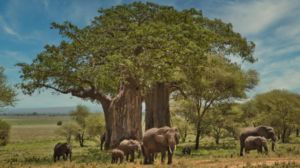
Tarangire is famous for its enormous baobab trees and impressive elephant populations.
During the dry season, animals gather around the Tarangire River, making wildlife viewing particularly rewarding.
Species include:
- Elephants
- Lions
- Giraffes
- Zebras
- Wildebeest
- Buffalo
- Leopards
- Numerous antelope species
Tarangire combines especially well with Ngorongoro and Serengeti.
Nyerere National Park
Nyerere is an excellent choice for travelers staying in Zanzibar.
Its location in southern Tanzania makes flying very practical.
Nyerere offers experiences that differ from traditional northern Tanzania safaris, potentially including:
- Game drives
- Boat safaris
- Walking safaris where permitted
- Remote wilderness
- Large elephant populations
- African wild dogs
- Hippos
- Crocodiles
For travelers wanting a quick wildlife extension from Zanzibar, Nyerere can be an excellent alternative to Serengeti.
Ruaha National Park
Ruaha is ideal for travelers seeking remote wilderness.
It is one of Tanzania’s most rewarding destinations for experienced safari enthusiasts.
Wildlife includes:
- Large elephant populations
- Lions
- Leopards
- Wild dogs
- Buffalo
- Greater kudu
- Numerous bird species
Because Ruaha is far from Tanzania’s main northern safari circuit, flying is often the most practical way to visit.
Zanzibar to Serengeti Fly-In Safari
One of the most popular combinations in Tanzania is:
Zanzibar + Serengeti
Travelers can spend several days enjoying Zanzibar’s beaches and then fly directly toward the Serengeti.
A typical itinerary could look like this:
Day 1: Zanzibar to Serengeti
Transfer from your Zanzibar hotel to the airport.
Fly to the Serengeti and meet your safari guide at the airstrip.
Begin your first game drive immediately.
Overnight inside or near Serengeti National Park.
Day 2: Full-Day Serengeti
Spend the entire day exploring the Serengeti.
Your guide will search for predators, elephants and other wildlife according to recent sightings and seasonal conditions.
Day 3: Serengeti Safari and Departure
Enjoy a morning game drive before returning to the airstrip.
Fly back to Zanzibar or continue elsewhere in Tanzania.
This itinerary is particularly popular with honeymooners because it combines two very different travel experiences within one holiday.
Fly-In Safari vs Driving Safari
| Fly-In Safari | Road Safari |
| Saves significant travel time | More time spent driving |
| Excellent for short holidays | Good for longer itineraries |
| More expensive | Usually cheaper |
| Incredible aerial views | More scenery seen from the road |
| Convenient for Zanzibar combinations | Ideal for Arusha-based circuits |
| Easy access to remote Serengeti sectors | Better for Tarangire–Ngorongoro circuits |
| Excellent for luxury travel | Suitable for all budgets |
Neither option is automatically better.
The best choice depends on your available time and budget.
Best Option: Fly In and Drive Out
A particularly effective strategy is a fly-in, drive-out Tanzania safari.
For example:
Zanzibar → Fly to Serengeti → Drive through Ngorongoro → Tarangire → Arusha
This approach gives travelers the best of both worlds.
You avoid the longest drive at the beginning while still experiencing Tanzania’s changing landscapes during the remainder of the safari.
It can also be more economical than purchasing domestic flights for every sector.
Typical Fly-In Safari Inclusions
A well-organized Tanzania fly-in safari package normally includes many major safari expenses.
Depending on the package, inclusions may cover:
- Domestic safari flight
- Airport transfers
- Professional safari guide
- Private or shared safari vehicle
- National park fees
- Ngorongoro fees where applicable
- Accommodation
- Breakfast, lunch and dinner
- Drinking water
- Game drives
- Government taxes
- Airstrip pickup and drop-off
Always check the exact inclusions before paying a deposit.
What Is Usually Not Included?
Common exclusions include:
- International flights
- Tanzania visa
- Travel insurance
- Tips
- Alcoholic drinks
- Personal purchases
- Laundry at some camps
- Balloon safari
- Optional cultural activities
Knowing these costs before traveling makes budgeting much easier.
Optional Activities That Increase Safari Cost
Serengeti Balloon Safari
A hot-air balloon safari is one of the most memorable activities available in the Serengeti.
Travelers normally leave camp early in the morning and fly above the plains around sunrise.
After landing, packages commonly include a celebratory experience and breakfast.
Balloon safaris add several hundred dollars per traveler, so they should be included in your budget from the beginning.
Maasai Cultural Visit
Travelers interested in Tanzanian culture can visit a Maasai community.
These visits provide an opportunity to learn about:
- Traditional homes
- Clothing
- Livestock culture
- Community life
- Traditional dances and ceremonies
Walking Safaris
Walking safaris are available in selected areas and generally require professional guides or armed rangers.
TANAPA tariff information includes separate charges for walking activities and ranger or guide services.
Luggage Rules for Fly-In Safaris
Light aircraft have stricter luggage restrictions than large international flights.
Most safari airlines encourage travelers to use soft-sided bags instead of hard-shell suitcases.
Typical restrictions may apply to:
- Total luggage weight
- Carry-on weight
- Bag dimensions
- Hard suitcases
Exact allowances depend on the airline and aircraft, so always verify your ticket conditions before departure.
Travelers carrying large international suitcases can often arrange luggage storage in Arusha or Zanzibar while taking only essential safari items.
What Should You Pack?
Recommended safari items include:
- Lightweight neutral-colored clothing
- Long trousers
- T-shirts
- Light jacket
- Warm layer for Ngorongoro mornings
- Comfortable closed shoes
- Sunglasses
- Hat
- Sunscreen
- Insect repellent
- Camera
- Binoculars
- Power bank
- Passport
- Travel insurance details
- Personal medication
Avoid overpacking because of light-aircraft luggage restrictions.
How Many Days Do You Need?
2 Days
Best for travelers with extremely limited time.
3 Days
Ideal for a quick Serengeti extension from Zanzibar.
4 Days
Enough time for Serengeti plus another destination.
5 Days
Excellent balance of wildlife and travel.
6–7 Days
Recommended for travelers wanting a deeper safari experience covering multiple regions.
8+ Days
Perfect for combining several national parks, migration areas or Southern Circuit destinations.
Best Fly-In Safari for Honeymooners
A fly-in safari is especially suitable for honeymoon travel.
A popular combination is:
Zanzibar → Serengeti luxury tented camp → Ngorongoro → Zanzibar
Honeymoon travelers can add:
- Luxury lodges
- Private safari vehicle
- Balloon safari
- Romantic bush dinner
- Champagne
- Private sundowners
- Zanzibar beach resort
Flying reduces exhausting road journeys and gives couples more time to enjoy their accommodation and wildlife activities.
Best Fly-In Safari for Photographers
Wildlife photographers benefit tremendously from strategic fly-in routes.
Instead of spending hours traveling toward a particular wildlife concentration, photographers can fly close to seasonal migration areas.
For example:
January–February: Ndutu
June–July: Western and Central/Northern Serengeti depending on migration conditions
August–September: Northern Serengeti
October: Northern/Central Serengeti depending on rainfall
Private safari vehicles are highly recommended for photographers because they provide greater freedom regarding positioning and time spent at sightings.
Can Families Take Fly-In Safaris?
Yes.
Fly-in safaris can be especially convenient for families because they eliminate long driving days.
Parents should consider:
- Children’s ages
- Aircraft luggage restrictions
- Camp age policies
- Family room availability
- Long game-drive duration
- Swimming pool availability
- Dietary requirements
A private safari vehicle usually gives families more flexibility.
How to Reduce the Fly In Tanzania Safari Cost Holiday
Fly-in safaris do not need to be ultra-luxury.
Several strategies can lower the final price.
Travel During Shoulder Season
April, May and parts of November may offer lower accommodation prices.
Choose Mid-Range Camps
Mid-range camps can provide private bathrooms and excellent meals without luxury-level costs.
Fly Only One Direction
Fly into Serengeti and travel back toward Arusha by road.
Travel With More People
Sharing a private vehicle among four travelers can substantially reduce the per-person vehicle cost.
Avoid Excessive One-Night Stops
Moving accommodation every night can increase logistical costs and reduce safari time.
Spend two or three nights in strategic wildlife locations whenever possible.
Book Early
Peak-season accommodation and flight seats are limited.
Early booking gives your safari operator more options.
When Should You Book?
For travel during:
July–October
Ideally book approximately 6–12 months in advance, particularly for Northern Serengeti.
January–February
Book early for Ndutu because the best migration camps can fill quickly.
Christmas and New Year
Reserve well in advance due to holiday demand.
Green Season
Travelers often have more flexibility, although popular luxury camps may still sell out.
Is a Fly-In Tanzania Safari Worth the Cost?
For many travelers, yes.
A fly-in safari is particularly valuable when:
- Your holiday is short
- You are traveling from Zanzibar
- You want Northern Serengeti
- You are visiting remote parks
- You dislike long road journeys
- You are celebrating a honeymoon
- You prioritize comfort
- You want more time for wildlife
- You are traveling with children
- You are a serious photographer
The additional flight expense often translates directly into more safari time.
Sample 5-Day Fly-In Tanzania Safari Holiday
Day 1 – Zanzibar to Serengeti
Take a morning flight from Zanzibar toward Serengeti.
Upon landing, meet your professional guide.
Enjoy an afternoon game drive while searching for lions, elephants, giraffes and other wildlife.
Overnight at a Serengeti tented camp or lodge.
Day 2 – Full-Day Serengeti Safari
Spend the whole day exploring Serengeti National Park.
Your exact route depends on wildlife movement and your accommodation location.
Lunch can be enjoyed at a picnic area or provided as a packed safari lunch.
Return to camp in the evening.
Day 3 – Serengeti to Ngorongoro
Enjoy another morning game drive before traveling toward the Ngorongoro Conservation Area.
The journey itself remains a safari because wildlife can be encountered throughout the route.
Overnight near Ngorongoro or Karatu.
Day 4 – Ngorongoro Crater
Descend into Ngorongoro Crater early in the morning.
Explore its grasslands, forests, swamps and lake ecosystem.
The crater offers opportunities to see an impressive concentration of animals within one day.
Return to your lodge in the afternoon.
Day 5 – Tarangire and Arusha
Drive toward Tarangire National Park for a final game drive.
Search for elephants beneath enormous baobab trees before continuing to Arusha.
From Arusha, travelers can connect to Kilimanjaro International Airport or continue to another destination.
Why Combine Tanzania Safari With Zanzibar?
Tanzania provides one of Africa’s easiest bush-and-beach combinations.
During one trip you can experience:
Serengeti wildlife + Ngorongoro Crater + Zanzibar beaches
After several days waking early for game drives, Zanzibar gives travelers time to relax beside the Indian Ocean.
Activities in Zanzibar include:
- Beach relaxation
- Snorkeling
- Diving
- Stone Town
- Spice tours
- Sunset cruises
- Swimming
- Seafood dining
Fly-in connections make the combination significantly easier.
A fly in Tanzania safari cost holiday offers a powerful combination of convenience, wildlife adventure and time efficiency.
Although flying adds to the overall safari price, it can transform the experience by replacing long transfer days with additional time watching wildlife.
For travelers staying in Zanzibar, a fly-in safari makes it possible to wake up near the Indian Ocean and later the same day find yourself exploring the Serengeti.
Travelers with larger budgets can choose luxury camps, private safari vehicles and premium migration locations, while more affordable mid-range options make fly-in safaris accessible to a wider range of visitors.
The key to getting good value is choosing the right itinerary for your travel month rather than simply visiting the most famous destinations.
For the Great Migration, select the Serengeti region according to the season. For shorter holidays, consider flying directly into Serengeti or Nyerere. For a broader Northern Circuit adventure, consider a fly-in and drive-out itinerary combining Serengeti, Ngorongoro and Tarangire.
With good planning, the right flights, strategically located accommodation and an experienced local safari team, a Tanzania fly-in safari can turn a limited vacation into an extraordinary African wildlife journey.