Skip to content
A fly in Tanzania safari is one of the most comfortable and time-efficient ways to explore Tanzania’s famous wildlife destinations. Instead of spending many hours driving between cities, national parks, and safari regions, travelers use scheduled light-aircraft flights to reach airstrips inside or close to the parks.
For travelers researching fly in Tanzania safari cost, the final price depends on several factors, including safari length, season, accommodation category, flight route, number of travelers, park fees, and whether the trip is private or shared.
Fly-in safaris are generally more expensive than traditional road safaris, but they provide significant advantages. You spend less time traveling and more time watching wildlife, while also gaining spectacular aerial views of Tanzania’s landscapes.
This guide explains expected fly-in safari prices, what determines the cost, sample itineraries, accommodation options, flights, seasonal pricing, and ways to plan the best safari within your budget.
What Is a Fly In Tanzania Safari?
A fly-in safari combines domestic flights with traditional wildlife game drives.
Instead of driving from Arusha for several hours to reach Serengeti National Park, for example, you can take a small aircraft from Arusha Airport directly to an airstrip such as Seronera.
After landing, your safari guide meets you at the airstrip with a private 4×4 safari vehicle and your wildlife experience begins almost immediately.
Fly-in safaris are especially useful for destinations that require long road transfers.
Popular fly-in safari destinations include:
- Serengeti National Park
- Northern Serengeti
- Central Serengeti
- Ndutu
- Nyerere National Park
- Ruaha National Park
- Zanzibar
- Manyara and the Ngorongoro region
A fly-in itinerary can involve flying one way and driving the other, or using flights for both arrival and departure.
How Much Does a Fly In Tanzania Safari Cost?
A typical fly in Tanzania safari cost can range from approximately USD 1,200 to more than USD 6,000 per person, depending on the length and level of luxury.
A useful general estimate is:
| Safari Style | Approximate Price Per Person |
|---|---|
| Short mid-range fly-in safari | USD 1,200–2,000 |
| 4–5 day mid-range safari | USD 1,800–3,000 |
| 5–7 day luxury safari | USD 3,000–5,500 |
| High-end luxury safari | USD 5,000–8,000+ |
| Exclusive migration safari | USD 3,500–7,000+ |
These are planning estimates rather than fixed prices.
A safari quotation normally changes according to travel dates, lodge availability, flight fares, room category, park fees, and number of travelers.
Official TANAPA tariffs also affect the package because visitors entering national parks are charged conservation and other applicable tourism fees. TANAPA states that conservation fees are normally valid for 24 hours from the time of entry and that VAT applies where relevant.
Why Are Fly In Safaris More Expensive?
The main reason is transportation.
A traditional Northern Circuit safari usually uses one safari vehicle from Arusha throughout the journey.
A fly-in safari may require:
- Airport transfer.
- Domestic flight ticket.
- Airstrip fees and related aviation charges.
- Safari vehicle waiting inside the destination.
- Professional safari guide.
- Park conservation fees.
- Accommodation.
- Meals.
- Additional transfers.
Despite the higher cost, many travelers consider the convenience worthwhile.
For example, traveling by road between Arusha and Central Serengeti can occupy much of a day. Flying allows travelers to reach the Serengeti much faster and dedicate more of their vacation to game drives.
Tanzania Safari Flight Prices
Domestic flight prices depend heavily on the route.
Flights are commonly operated using small aircraft designed to access remote bush airstrips.
Scheduled routes connect destinations such as:
- Arusha
- Zanzibar
- Dar es Salaam
- Serengeti
- Manyara
- Nyerere
- Ruaha
- Mafia Island
As an example of how air fares influence safari pricing, Coastal Aviation’s 2026 timetable lists scheduled fares across several Tanzanian safari sectors. The airline’s published schedule valid into 2027 notes that listed base fares may exclude certain airport taxes, safety fees and surcharges.
This is why safari companies normally confirm current flight availability before providing a final package price.
Fly In Safari From Zanzibar
One of the most popular combinations is a Zanzibar fly-in safari.
Travelers enjoying a beach holiday in Zanzibar can temporarily leave the island for a wildlife safari and return afterward.
Popular combinations include:
Zanzibar to Serengeti
You can fly from Zanzibar toward Serengeti and begin a game drive shortly after arriving.
This option is excellent for travelers whose primary safari goal is seeing the Serengeti.
Zanzibar to Nyerere National Park
Nyerere is especially convenient for travelers starting from Zanzibar or Dar es Salaam.
A short fly-in safari can include:
- Game drives
- Boat safaris
- Wildlife viewing
- Lodge accommodation
It can therefore be an excellent option when only two or three safari days are available.
Zanzibar to Northern Circuit
Another possibility is:
Zanzibar → Arusha → Tarangire → Serengeti → Ngorongoro → Arusha/Zanzibar
This itinerary combines flights and road transportation.
Fly In Serengeti Safari Cost
The Serengeti is one of Tanzania’s most popular fly-in destinations.
A fly in Serengeti safari cost varies considerably depending on the season and location of your camp.
Typical approximate prices can be:
2-Day Serengeti Fly In Safari
Approximately USD 1,200–1,800 per person.
A typical program may include:
Day 1: Fly to Serengeti, afternoon game drive and overnight.
Day 2: Morning game drive followed by an afternoon flight back.
This is ideal for travelers with limited time.
3-Day Serengeti Fly In Safari
Approximately USD 1,500–2,500 per person.
This usually provides considerably more wildlife-viewing time.
You may have:
- Arrival-day game drive
- Full-day Serengeti game drive
- Final morning game drive
- Return flight
4-Day Serengeti Fly In Safari
Expect approximately USD 2,000–3,500+ per person, depending particularly on accommodation.
Four days allow a much more relaxed safari experience.
Fly In Safari From Arusha
Arusha is Tanzania’s main safari gateway for Northern Circuit safaris.
Flights generally depart from Arusha Airport, while international travelers frequently arrive through Kilimanjaro International Airport.
Your safari operator can arrange a transfer between your hotel, Kilimanjaro International Airport and Arusha Airport.
A popular itinerary is:
Arusha → Serengeti by air → Ngorongoro by road → Tarangire → Arusha
This approach significantly reduces the initial driving time while still allowing travelers to experience the beautiful landscapes between Serengeti, Ngorongoro and Arusha.
What Determines Fly In Tanzania Safari Cost?
Several major components determine your final price.
1. Domestic Flights
Flights are usually the biggest additional expense compared with a conventional road safari.
Prices vary according to:
- Departure airport
- Destination airstrip
- Season
- Airline
- Number of sectors
- Baggage requirements
- Availability
Booking early is particularly useful during July, August, September and the Christmas/New Year period.
2. Accommodation
Accommodation can dramatically change safari costs.
Budget Accommodation
Budget fly-in safaris are less common because flight costs already push the package toward the mid-range category.
However, affordable tented camps may help reduce the overall price.
Mid-Range Accommodation
Mid-range tented camps and lodges offer an excellent balance between comfort and price.
Typical facilities may include:
- Private bathroom
- Hot shower
- Comfortable bed
- Restaurant
- Lounge
- Electricity
- Charging facilities
Luxury Accommodation
Luxury safari camps significantly increase the overall safari price.
They may provide:
- Large luxury safari tents
- Premium locations
- Exceptional meals
- Private decks
- Swimming pools
- Personalized service
- Sundowner experiences
Ultra-Luxury Accommodation
At the highest level, safari accommodation may include private plunge pools, exclusive vehicles, private dining, premium drinks and exceptionally secluded locations.
Properties in this category can cost more than USD 1,000 per person per night during peak periods.
3. National Park Fees
Tanzania’s protected areas charge conservation fees.
Depending on your itinerary, additional charges can also apply for vehicles, concessions, camping or other activities.
Serengeti, Tarangire, Lake Manyara, Nyerere and other national parks fall under TANAPA’s park tariff structure.
If visiting Ngorongoro Conservation Area, additional Ngorongoro-related fees also form part of the safari package.
Because park tariffs can change, travelers should use the safari quotation provided for their actual travel dates rather than older internet prices.
4. Number of Travelers
Private safari costs are divided among participants.
For example, the same safari vehicle may carry:
- 1 traveler
- 2 travelers
- 4 travelers
- 6 travelers
A solo traveler therefore pays proportionally more toward vehicle and guide costs.
Couples usually pay less per person than solo travelers, while families and small groups can reduce the per-person cost further.
5. Travel Season
Season strongly affects fly-in safari pricing.
June to October
This is Tanzania’s main dry season and one of the most popular periods for wildlife safaris.
July through September is particularly busy.
Accommodation and flights should normally be reserved well in advance.
December to March
This is another important safari season.
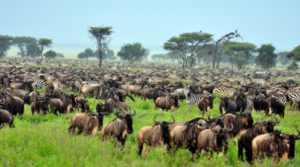
From roughly December through March, the southern Serengeti and Ndutu region become particularly attractive because of the wildebeest migration and calving season.
April and May
These months generally receive heavier rainfall.
Some accommodations offer lower seasonal rates, while certain camps may temporarily close.
Travelers interested in value and fewer crowds may find attractive options during selected green-season periods.
6. Great Migration Location
If you want to follow the Great Migration, your safari cost can change according to where the herds are located.
December–March
Focus mainly on:
- Ndutu
- Southern Serengeti
This is associated with the calving period.
April–May
The herds gradually move northward and westward.
June
Movement usually continues toward the western and central regions.
July–October
Northern Serengeti becomes especially important, with travelers hoping to witness Mara River crossings.
Northern Serengeti fly-in safaris are often more expensive because camps and flights are in extremely high demand.
Central Serengeti or Northern Serengeti?
Choosing the right region matters when calculating your safari cost.
Central Serengeti
Central Serengeti, especially the Seronera region, is excellent throughout much of the year.
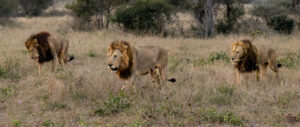
It is known for resident wildlife including:
- Lions
- Leopards
- Elephants
- Buffalo
- Giraffes
- Cheetahs
- Hyenas
Flying into Seronera is therefore ideal for a general Serengeti safari.
Northern Serengeti
Northern Serengeti becomes especially popular between July and October.
Travelers visit primarily because of the Great Migration and potential Mara River crossings.
Because this is highly seasonal, accommodation can become expensive and availability limited.
Private Fly In Safari Cost
Most fly-in safaris are private once you arrive.
Your guide meets you directly at the airstrip and you use a dedicated 4×4 Land Cruiser.
A private safari offers:
- Flexible game-drive times
- Dedicated guide
- More privacy
- Freedom to stay longer at wildlife sightings
- Flexible photography opportunities
- Personalized itinerary
For couples, honeymooners, families and photographers, the additional flexibility can provide considerable value.
Fly In Safari for Honeymooners
Fly-in safaris are particularly suitable for honeymoons.
Instead of spending long hours on rough roads, couples can move quickly between luxury safari camps.
A honeymoon itinerary might look like:
Day 1: Arusha to Serengeti by flight
Day 2: Full-day Serengeti safari
Day 3: Serengeti game drive
Day 4: Fly to Zanzibar
Days 5–9: Zanzibar beach holiday
This creates a comfortable safari-and-beach combination.
Luxury lodges can also arrange romantic touches such as:
- Private dinners
- Honeymoon room decorations
- Sundowners
- Bush breakfasts
- Champagne
Fly In Safari for Families
Families can benefit significantly from flying because long road transfers can be tiring for children.
Instead of spending many hours inside a vehicle before reaching the wildlife, families can fly directly into safari areas.
However, parents should confirm:
- Minimum age policies
- Child flight fares
- Family-room availability
- Child rates
- Activities permitted for younger children
TANAPA currently states that children below five enter national parks free of conservation fees, while child tariffs apply from ages five to fifteen under its published structure.
Fly In Safari for Photographers
Wildlife photographers often benefit from flying directly to strategically located safari camps.
A private vehicle can provide more freedom to:
- Wait patiently at sightings
- Position the vehicle for photography
- Start early
- Continue until evening
- Concentrate on specific species
Photographers should request a private vehicle whenever maximum flexibility is important.
Typical 3-Day Fly In Serengeti Safari
Day 1: Fly to Serengeti
Transfer to the airport and board your scheduled flight.
As the aircraft approaches Serengeti, you may see the plains from above.
Your guide meets you at the airstrip.
Begin your game drive immediately.
Possible wildlife sightings include:
- Lions
- Elephants
- Giraffes
- Zebras
- Wildebeest
- Gazelles
- Hyenas
- Leopards
Dinner and overnight at your lodge or tented camp.
Day 2: Full-Day Serengeti Safari
After breakfast, enjoy an extended game drive through Serengeti.
The day’s route depends on wildlife movements and seasonal conditions.
You may take a picnic lunch into the park or return to your lodge depending on your itinerary.
Continue exploring in the afternoon before returning to camp.
Day 3: Morning Safari and Flight
Enjoy another morning game drive.
Later, travel to the airstrip for your return flight to Arusha or Zanzibar.
5-Day Fly In Tanzania Safari Example
A longer itinerary can combine Serengeti and Ngorongoro.
Day 1: Arusha to Serengeti
Fly directly into Serengeti and start your game drive.
Day 2: Serengeti
Full-day game drive.
Day 3: Serengeti to Ngorongoro Area
Enjoy another Serengeti game drive before continuing toward Ngorongoro.
Day 4: Ngorongoro Crater
Descend into Ngorongoro Crater for wildlife viewing.
Possible sightings include:
- Lions
- Buffalo
- Zebras
- Wildebeest
- Hippos
- Hyenas
- Elephants
- Black rhino
Overnight near Karatu or Ngorongoro.
Day 5: Return to Arusha
Drive back to Arusha or continue to another destination.
7-Day Luxury Fly In Tanzania Safari
Travelers with a larger budget can create an exclusive itinerary.
For example:
Day 1: Arrive in Arusha
Day 2: Fly to Northern Serengeti
Day 3: Northern Serengeti
Day 4: Northern Serengeti
Day 5: Fly or transfer to Central Serengeti
Day 6: Serengeti
Day 7: Fly to Zanzibar
During migration season this itinerary can provide excellent opportunities to explore several sections of the ecosystem.
Fly In Safari and Zanzibar Combination
Safari-and-Zanzibar packages are among Tanzania’s most attractive vacations.
A common combination is:
Zanzibar → Serengeti → Ngorongoro → Arusha
or
Arusha → Serengeti → Zanzibar
This allows visitors to combine African wildlife with tropical beaches.
After early morning game drives in Serengeti, you could potentially be relaxing beside the Indian Ocean later in your trip without spending multiple days driving.
What Is Normally Included?
A well-organized fly-in Tanzania safari package may include:
- Domestic safari flight
- Airport transfers
- Safari vehicle
- Professional driver-guide
- National park fees
- Accommodation
- Meals during safari
- Drinking water
- Game drives
- Airstrip transfers
- Applicable taxes
Always check your quotation carefully.
What Is Usually Not Included?
Depending on the operator, exclusions may include:
- International flights
- Tanzania visa
- Travel insurance
- Tips
- Alcohol
- Personal expenses
- Laundry
- Optional activities
- Balloon safari
- Additional hotel nights
The exact inclusions should always appear in your safari proposal.
Hot Air Balloon Safari Cost
A Serengeti balloon safari is a popular optional addition to a fly-in itinerary.
Balloon experiences usually start before sunrise.
Guests are collected from their camp early in the morning and transferred to the launch location.
The experience normally includes the balloon flight and a post-flight celebration or breakfast depending on the operator.
Because balloon prices can change according to operator and season, request the current rate when booking.
Can You Fly Directly to the Serengeti?
Yes.
Serengeti contains several airstrips serving different regions.
Among the best-known are:
- Seronera
- Kogatende
- Grumeti-area airstrips
- Ndutu-area airstrips
The correct airstrip depends on your accommodation and the season.
For example, travelers heading to Northern Serengeti during river-crossing season would generally use an airstrip convenient for that region rather than landing in Central Serengeti and driving for several additional hours.
How Much Luggage Can You Take?
Safari aircraft have stricter baggage limitations than international airlines.
Soft-sided luggage is normally preferred because it can fit more easily into small aircraft storage compartments.
Large hard-shell suitcases may not be suitable.
Exact weight limitations vary between carriers and ticket classes, so check your flight confirmation before departure.
If you are continuing to Zanzibar with large international luggage, your safari operator may be able to help arrange luggage storage or alternative handling.
Are Fly In Safaris Safe?
Scheduled safari flights are widely used throughout Tanzania.
Flights connect major tourism destinations daily during safari seasons.
Because aircraft are smaller than commercial international planes, passengers unfamiliar with bush flying may initially find the experience different.
You may make intermediate stops at other airstrips before reaching your destination.
This is normal on scheduled safari routes.
Weather, passenger demand and operational requirements can also affect schedules.
Advantages of a Fly In Safari
Saves Time
This is the biggest benefit.
Travelers with limited vacation days can maximize their safari experience.
Comfortable Routing
You avoid some long transfers between destinations.
Beautiful Aerial Views
Flying over Tanzania provides a different perspective on the landscapes.
Excellent for Zanzibar Travelers
Visitors already staying in Zanzibar can reach safari areas without returning overland through mainland Tanzania.
Ideal for Remote Areas
Flights make remote camps considerably easier to reach.
More Safari Time
Instead of spending most of your first day driving, you may begin wildlife viewing soon after arrival.
Disadvantages of Fly In Safaris
Fly-in safaris are not perfect for everyone.
Higher Cost
Domestic flights increase the package price.
Luggage Restrictions
Small aircraft generally have stricter baggage requirements.
Less Overland Scenery
Road safaris allow travelers to see villages, farms and landscapes between parks.
Weather Can Affect Flights
Safari aviation schedules can occasionally change due to operational or weather conditions.
Fly In Safari vs Driving Safari
| Feature | Fly In Safari | Driving Safari |
| Travel time | Shorter | Longer |
| Cost | Higher | Usually lower |
| Comfort | Excellent | Good |
| Landscape experience | Mostly aerial | Overland |
| Best for short holidays | Excellent | Moderate |
| Remote destinations | Excellent | Can require long drives |
| Luggage flexibility | More restricted | More flexible |
| Wildlife time | Often greater | Depends on route |
Neither option is universally better.
The best choice depends on budget, available time and preferred travel style.
How to Reduce Fly In Tanzania Safari Cost
You can still control your budget while enjoying a fly-in safari.
Travel With Two or More People
Sharing the private vehicle cost reduces the per-person safari price.
Choose Mid-Range Camps
A comfortable mid-range tented camp can provide a wonderful experience without the cost of ultra-luxury accommodation.
Fly Only One Direction
Instead of flying both ways, consider:
Fly into Serengeti → drive through Ngorongoro → return to Arusha
This provides both convenience and the classic overland safari experience.
Travel Outside Peak Season
Selected green-season dates can provide better accommodation value.
Book Early
Early planning improves your accommodation and flight choices, particularly for migration season.
Keep the Itinerary Efficient
Avoid unnecessary flight sectors.
A carefully designed route can save hundreds of dollars.
Is a Fly In Safari Worth the Cost?
For many travelers, yes.
A fly-in safari is particularly valuable when:
- You have limited vacation time.
- You are staying in Zanzibar.
- You want to reach Serengeti quickly.
- You are traveling on honeymoon.
- You prefer luxury travel.
- You are visiting remote safari camps.
- You want to maximize game-drive time.
- Long overland journeys are not appealing.
Travelers whose priority is minimizing cost may prefer a traditional road safari.
Those who place a higher value on time and comfort will often prefer flying.
Best Time for a Fly In Tanzania Safari
Tanzania offers safari opportunities throughout the year.
January–March
Excellent for Ndutu and southern Serengeti.
This period is especially popular for the wildebeest calving season.
April–May
Green landscapes, fewer visitors and potential seasonal savings.
June
Excellent wildlife viewing as the dry season begins.
July–September
One of Tanzania’s busiest safari periods.
Northern Serengeti is particularly attractive for travelers following the Great Migration.
October
Still an excellent month for Northern Tanzania with strong wildlife viewing.
November–December
Short rains bring greener landscapes, while migration movements gradually shift toward the southern ecosystem.
How Early Should You Book?
For ordinary travel periods, several months ahead is useful.
For July through September, Christmas/New Year and migration-focused trips, booking earlier is strongly recommended.
Safari aircraft have limited seats and the best-located camps often have relatively few rooms.
A traveler waiting until the final weeks may therefore face:
- Higher prices
- Limited flights
- Limited accommodation
- Less desirable locations
Choosing the Right Fly In Safari Operator
The cheapest quotation should not automatically determine your choice.
Look for an operator who clearly explains:
- Flight arrangements
- Accommodation
- National park fees
- Game-drive arrangements
- Airport transfers
- Cancellation terms
- Payment schedules
- Safari vehicle
- Guide
- Emergency assistance
A professional Tanzania safari operator should also design the itinerary around realistic flight connections rather than simply selecting destinations independently.
Suggested Fly In Safari Routes
Option 1: Quick Serengeti Escape
Zanzibar → Serengeti → Zanzibar
Best for travelers with only two or three days.
Option 2: Classic Northern Circuit
Arusha → Serengeti by flight → Ngorongoro → Tarangire → Arusha
Best for first-time visitors.
Option 3: Migration Safari
Arusha → Northern Serengeti → Central Serengeti → Ngorongoro
Ideal between approximately July and October.
Option 4: Calving Safari
Arusha → Ndutu → Central Serengeti → Ngorongoro
Excellent during the southern migration season.
Option 5: Safari and Beach
Arusha → Serengeti → Zanzibar
Perfect for honeymooners and couples.
Final Thoughts
Understanding fly in Tanzania safari cost is less about finding one fixed number and more about understanding how your itinerary is constructed.
Flights, safari duration, accommodation standard, season, park fees and group size all influence the final price.
A short mid-range Serengeti fly-in safari might begin around the lower end of the USD 1,000s per person, while a longer luxury migration safari can easily reach several thousand dollars per traveler.
The advantage is time.
Instead of spending long hours driving between distant destinations, you can fly directly into some of Tanzania’s greatest wildlife regions and begin exploring almost immediately.
For travelers combining Serengeti with Zanzibar, planning a honeymoon, following the Great Migration or simply wanting to maximize wildlife-viewing time, a fly-in safari can be one of the most rewarding ways to experience Tanzania.