

Budget Ngorongoro Crater Safari Holiday
Planning a budget Ngorongoro Crater safari holiday from Arusha? Compare a crater day trip, a two-day Tarangire and Ngorongoro safari, or a…
Read articleArusha City - Tanzania
Safari & Travel Tips
August 28, 2026 · 12 min read
A fly in Tanzania safari is one of the most convenient ways to explore the country's famous wildlife destinations while reducing long road transfers. Instead of spending many hours driving between major towns and remote national parks, travelers can use scheduled light-aircraft flights to reach safari airstrips close to their camps or lodges.
For visitors with limited holiday time, honeymoon travelers, families, photographers, luxury travelers, or guests combining Zanzibar with Serengeti, understanding the fly in Tanzania safari itinerary cost is essential before choosing an itinerary.
The final cost varies according to safari duration, season, number of travelers, accommodation category, internal flights, national park fees, destination, private or shared game drives, and optional activities.
This guide explains the expected costs, itinerary options, important destinations, inclusions, and frequently asked questions to help you plan the right Tanzania fly-in safari.
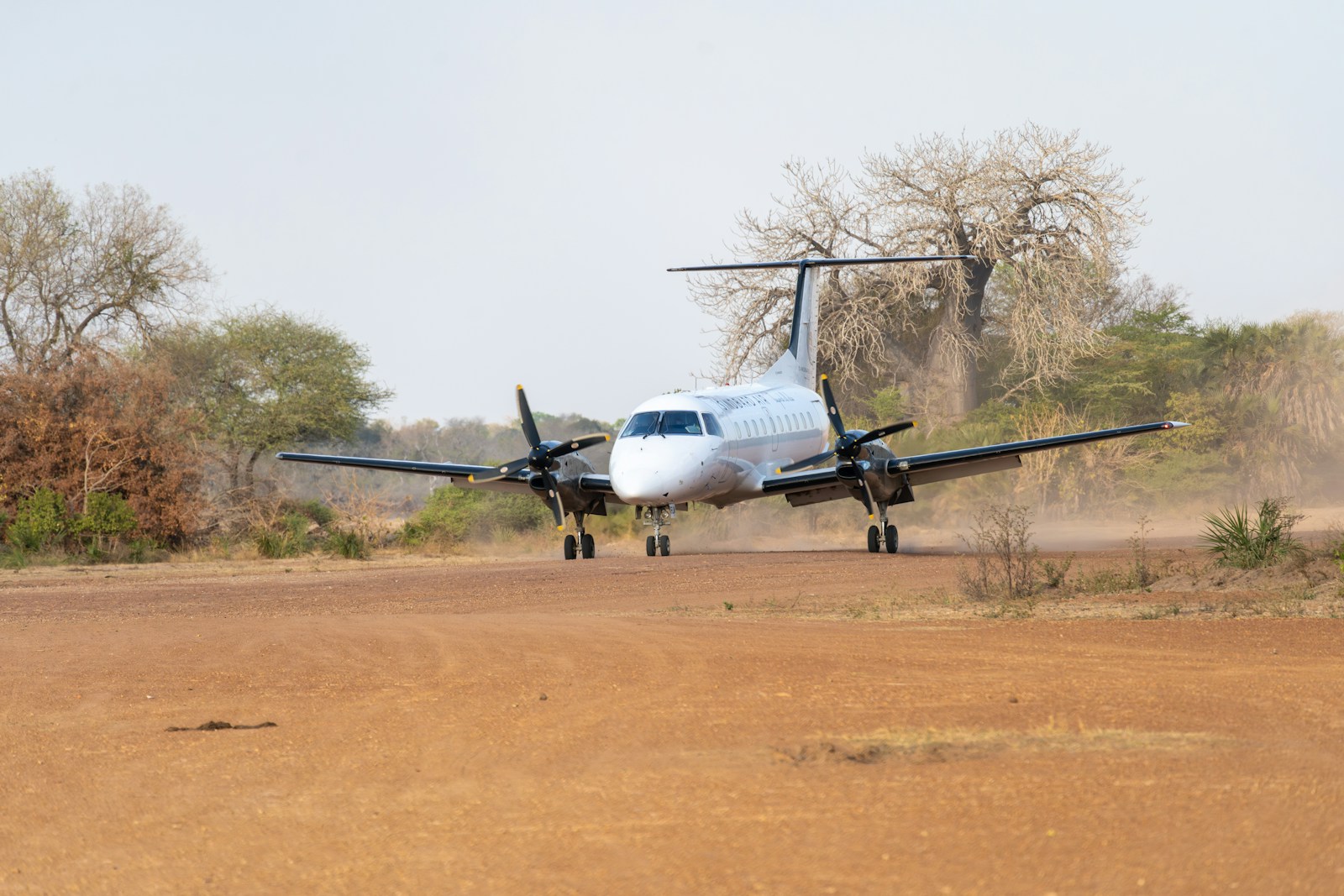
A fly-in safari combines domestic flights and traditional wildlife game drives.
Instead of driving from Arusha or Dar es Salaam all the way to a remote park, travelers fly aboard a small aircraft to an airstrip inside or near the safari destination.
After landing, a safari guide meets you at the airstrip and continues the adventure in a 4x4 safari vehicle.
Typical routes include:
Scheduled bush flights are particularly useful for remote safari regions. Current airline schedules demonstrate connections among Dar es Salaam, Zanzibar, Arusha and various Serengeti airstrips, although routes and fares vary by season and operating conditions.
The fly in Tanzania safari itinerary cost can range widely.
As a practical planning estimate, travelers might expect approximately:
| Safari Type | Estimated Cost Per Person |
|---|---|
| 2-Day Fly-In Safari | $900–$1,500+ |
| 3-Day Fly-In Safari | $1,200–$2,000+ |
| 4-Day Fly-In Safari | $1,600–$2,700+ |
| 5-Day Fly-In Safari | $2,000–$3,500+ |
| 6–7 Day Fly-In Safari | $2,700–$5,000+ |
| Luxury Fly-In Safari | $4,000–$10,000+ |
These are planning ranges rather than fixed prices. Your final quotation depends heavily on flight availability, lodge category, travel season, route and number of travelers.
A three-day safari staying at a comfortable mid-range tented camp will normally cost considerably less than a three-day safari using an exclusive luxury lodge.
Several components make up the final safari price.
Flights are one of the biggest additional costs compared with a road safari.
Small aircraft connect Tanzania's tourism hubs with airstrips throughout the national parks.
For example, scheduled services can connect destinations such as:
Zanzibar → Serengeti
Arusha → Serengeti
Dar es Salaam → Nyerere
Zanzibar → Nyerere
Arusha → Manyara
Serengeti → Zanzibar
Some flights are direct while others make scheduled stops.
Flight prices vary according to route, season and availability. Published airline schedules also show that different Serengeti airstrips can carry different fares.
Accommodation has a major influence on your Tanzania safari budget.
Budget options may include simple camps and basic lodges.
Approximate accommodation component:
$80–$180 per person per night
Mid-range safari camps normally provide:
Approximate price:
$180–$400+ per person per night
Luxury lodges may provide:
Prices may range from:
$400 to more than $1,500 per person per night.
During migration season, some premium camps can cost significantly more.
Safari packages also include conservation and entrance fees.
Tanzania National Parks charges visitors different fees depending on the park and visitor category. TANAPA states that conservation fees are generally valid for a 24-hour period from entry.
Popular parks include:
These conservation costs form an important part of a safari quotation.
Traveling with two or more people can reduce your individual safari cost.
Why?
Certain expenses can be shared, including:
A solo traveler usually pays more per person than two or four people traveling together.
Season makes a significant difference.
Peak safari periods generally include:
June–October and parts of December–February.
Demand for popular Serengeti camps and flights is higher.
July through September is especially important for travelers interested in migration activity in northern Serengeti.
Traveling during less crowded periods can sometimes reduce accommodation expenses.
Green-season safaris can also offer:
Some parks are more expensive to reach than others.
For example, flying into remote northern Serengeti usually costs more than reaching areas closer to Arusha.
The location of your accommodation also matters because different airstrips serve different regions of the Serengeti.
A two-day itinerary works particularly well for travelers staying in Zanzibar who want a short safari.
Take a morning flight from Zanzibar to a Serengeti airstrip.
Your safari guide meets you after landing.
Begin your first Serengeti game drive.
Look for:
Enjoy lunch and continue your afternoon wildlife experience.
Dinner and overnight at your safari camp.
Enjoy an early morning game drive.
Morning wildlife activity can be excellent because predators may still be active.
Later transfer to the airstrip.
Fly back to Zanzibar.
Approximately:
$900–$1,500+ per person
depending on flights and accommodation.
This is one of the most popular short safari choices.
Morning flight to Serengeti.
Meet your professional guide at the airstrip.
Start your first game drive immediately.
Overnight in Serengeti.
Spend the entire day exploring Serengeti National Park.
Your guide will search for wildlife depending on seasonal movements and recent sightings.
Possible sightings include:
Enjoy a picnic or lodge lunch before continuing your afternoon drive.
Return to camp for dinner.
Enjoy breakfast followed by another game drive where flight timing allows.
Transfer to the airstrip and fly back.
$1,200–$2,000+ per person
Four days gives travelers much more time to explore the ecosystem.
Fly from Zanzibar or Arusha.
Meet your guide.
Afternoon game drive.
Overnight Serengeti.
Explore the central plains.
Visit productive wildlife areas depending on conditions.
Another full game-drive day gives you the opportunity to explore different regions instead of rushing between destinations.
Morning game drive followed by transfer to the airstrip.
Fly to Zanzibar.
Approximately:
$1,600–$2,700+ per person.
Travelers wanting Serengeti and Ngorongoro can consider a longer combination.
Fly into Serengeti and enjoy an afternoon game drive.
Full-day wildlife viewing.
Another full-day exploration.
Drive toward the Ngorongoro Conservation Area with wildlife viewing along the route.
Overnight around the crater highlands.
Descend into Ngorongoro Crater for a game drive.
Later continue to Arusha.
The NCAA states that Ngorongoro Conservation Area gates operate daily, while access to the crater itself is regulated by specific opening hours.
Approximately:
$2,000–$3,500+ per person
depending on accommodation.
One of the biggest advantages of flying is the ability to combine a beach holiday with wildlife.
Instead of traveling:
Zanzibar → Dar es Salaam → Arusha → Serengeti by road
you can use scheduled domestic connections to reach the safari region much more efficiently.
This combination is perfect for:
A popular holiday structure is:
Zanzibar → Serengeti → Ngorongoro → Arusha
or
Zanzibar → Serengeti → Zanzibar
The Serengeti is Tanzania's best-known fly-in safari destination.
Typical planning ranges are:
$900–$1,500+
$1,200–$2,000+
$1,600–$2,700+
$2,000–$3,500+
Luxury safari camps and migration-season travel may push prices significantly higher.
Travelers specifically interested in the Great Migration should choose their landing area according to the season.
The southern Serengeti and Ndutu ecosystem becomes particularly important around the calving period.
Herds generally move through parts of central and western Serengeti.
Northern Serengeti becomes important as herds move toward the Mara River region.
Migration movements depend on rainfall and grazing conditions, so wildlife is never guaranteed to follow an exact calendar.
Northern Serengeti is relatively remote, making flying especially attractive.
Travelers interested in Mara River migration activity often fly to northern airstrips rather than spending many hours driving from Arusha.
A typical itinerary might be:
Day 1: Zanzibar → Northern Serengeti
Day 2: Northern Serengeti
Day 3: Northern Serengeti
Day 4: Central Serengeti
Day 5: Fly to Zanzibar
This can maximize wildlife-viewing time.
Southern Tanzania is another excellent destination for flying safaris.
Nyerere National Park can be combined conveniently with:
Nyerere offers a different safari experience from the northern circuit.
Activities can include:
Scheduled regional flights make this especially attractive for travelers combining Zanzibar with a short safari. Current airline schedules include Dar es Salaam–Nyerere connections.
Ruaha National Park is ideal for travelers seeking a more remote wilderness experience.
The park is known for:
Because Ruaha is far from Tanzania's northern tourism hub, flying can save considerable road-transfer time.
A professionally organized package may include:
Exact inclusions depend on the package.
Common exclusions include:
Always check your quotation carefully.
Choosing between flying and driving depends on your priorities.
| Fly-In Safari | Road Safari |
|---|---|
| Saves considerable travel time | More road travel |
| Excellent for short holidays | Good for longer itineraries |
| More expensive | Often more affordable |
| Convenient from Zanzibar | Common from Arusha |
| Great for remote Serengeti regions | Flexible Northern Circuit routing |
| Offers aerial scenery | Allows sightseeing between parks |
| Excellent for honeymooners | Excellent for budget-conscious travelers |
For many travelers, yes.
The biggest advantage is time.
Imagine having only four nights available for safari.
Driving from Arusha deep into Serengeti requires significant travel time.
Flying allows you to reach the wildlife areas much faster and dedicate more of your holiday to actual safari activities.
It is particularly worthwhile for travelers with:
Tented camps provide one of the most atmospheric Serengeti experiences.
A typical room may contain:
Despite the word "tent", many mid-range and luxury tented camps provide amenities comparable with hotels.
Luxury properties may provide:
These dramatically increase the overall fly-in safari cost.
Best for travelers with extremely limited time.
Good introduction to Serengeti.
An excellent balance between safari time and budget.
Better for combining Serengeti and Ngorongoro.
Recommended for travelers seeking a more relaxed safari covering multiple regions.
Couples often choose:
Zanzibar → Serengeti → Zanzibar
because the combination minimizes complicated transfers.
A four-day private option provides enough time for relaxed wildlife viewing while still allowing travelers to return to their Zanzibar resort.
Fly-in safaris are particularly popular for honeymoon itineraries.
A typical honeymoon can combine:
Serengeti + Ngorongoro + Zanzibar
or:
Northern Serengeti + Zanzibar
Luxury safari camps may provide romantic extras such as:
Families may prefer flying because it reduces long hours on rough roads.
Parents should consider:
Small safari aircraft normally have stricter luggage rules than international airlines.
Soft-sided bags are generally preferable because they fit more easily into aircraft luggage compartments.
Avoid relying on standard international checked-baggage allowances.
Always confirm the specific airline's:
before departure.
Yes, scheduled safari-flight networks connect Zanzibar with Serengeti routes.
However, the exact departure time, intermediate stops and destination airstrip depend on the date and airline schedule.
Some services may stop at places such as Arusha or other airstrips en route rather than operating as nonstop flights.
That depends on your lodge and season.
Common Serengeti safari regions include:
Your tour operator normally chooses the most practical airstrip according to your accommodation.
This is important because choosing the wrong airstrip can result in unnecessary hours of driving.
There are several strategies.
Sharing safari vehicle expenses reduces the per-person cost.
You can still enjoy excellent comfort without paying premium luxury lodge prices.
Accommodation specials may be available during quieter periods.
For example:
Fly into Serengeti and drive out through Ngorongoro
rather than paying for flights both directions.
This is often one of the best itinerary combinations.
Early booking is particularly valuable during:
Popular camps and preferred flight times may sell out.
One of the smartest combinations is:
Fly Zanzibar → Serengeti
Full-day Serengeti
Serengeti → Ngorongoro region
Ngorongoro Crater → Arusha
This itinerary combines the speed of flying with the flexibility of driving.
It also avoids paying for a second Serengeti flight.
Zanzibar → Northern Serengeti
Northern Serengeti
Northern Serengeti
Fly Central Serengeti
Central Serengeti
Fly to Zanzibar
This itinerary is designed around maximum safari time rather than minimizing cost.
A fly-in safari offers several advantages.
More game-drive time: Less time is spent on long transfers.
Convenience: Excellent when arriving from Zanzibar.
Access to remote areas: Particularly valuable in northern Serengeti and southern Tanzania.
Comfort: Reduces fatigue from long-distance road journeys.
Scenery: Flying over Tanzania provides a unique aerial perspective of its landscapes.
Understanding the fly in Tanzania safari itinerary cost helps travelers choose the right balance between convenience, comfort, wildlife experience and budget.
A fly-in safari is particularly valuable when you want to explore Serengeti, Northern Serengeti, Nyerere or Ruaha without spending large portions of your holiday driving between distant destinations.
For travelers coming from Zanzibar, flying directly toward the safari circuit can transform a short holiday into a genuine wildlife adventure. A 2- or 3-day itinerary works for travelers with limited time, while 4–7 days provides a much richer and more relaxed safari.
The final Tanzania fly-in safari cost will depend on your travel dates, number of guests, preferred accommodation, domestic flight route and parks included. Because park tariffs, accommodation prices and flight schedules can change, use published figures as planning estimates and obtain a date-specific quotation before booking. TANAPA maintains the official national-park tariff information, while individual safari airlines publish current schedules and fares.
Planning a budget Ngorongoro Crater safari holiday from Arusha? Compare a crater day trip, a two-day Tarangire and Ngorongoro safari, or a…
Read articleA Lake Manyara safari can cost USD 150–220 per person for a shared day trip from Arusha. A published example of a…
Read articleExplore Ruaha National Park’s baobab country on a guided safari built around your dates, group size and budget. Spend your game drives…
Read articleA Nyerere Tanzania wildlife safari can take you from a woodland game drive in the morning to a boat on the Rufiji…
Read article

