Skip to content

A Fly-in Tanzania safari package is a safari experience that uses domestic flights to connect travelers with Tanzania’s national parks and remote wildlife areas. Instead of completing every transfer by road, guests fly from destinations such as Zanzibar, Arusha, Kilimanjaro, or Dar es Salaam to an airstrip inside or close to a national park.
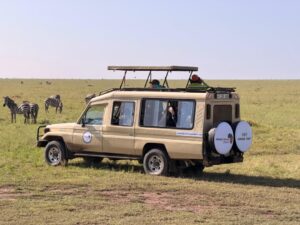
After landing, a professional safari guide welcomes the travelers and continues the wildlife experience in a specially designed 4×4 Land Cruiser. This combination of flying and game driving allows visitors to save time while still enjoying traditional African safari activities.
How Does a Fly-In Tanzania Safari Package Work?
The journey normally begins with a transfer from your hotel or international airport to the domestic airport. You then board a small scheduled or chartered aircraft that flies to a safari airstrip.
Depending on the selected itinerary, the flight may land at:
- Seronera Airstrip in Central Serengeti
- Kogatende Airstrip in Northern Serengeti
- Ndutu Airstrip in the Southern Serengeti ecosystem
- Grumeti Airstrip in Western Serengeti
- Msembe Airstrip in Ruaha National Park
- Airstrips serving Nyerere National Park
- Lake Manyara Airstrip
- Remote airstrips serving Katavi or Mahale
A safari guide meets you at the airstrip. In many cases, the transfer from the airstrip to the lodge becomes your first game drive because wildlife can be encountered immediately after leaving the landing area.
Where Can the Safari Begin?
Fly-in safari from Zanzibar
This is one of the most popular options for travelers combining a beach holiday with a wildlife adventure. Guests can fly from Zanzibar toward the Serengeti, Arusha, Nyerere National Park, or another safari destination.
A safari from Zanzibar may last two, three, four, or more days. However, at least three days are recommended for travelers flying to the Serengeti because this creates more meaningful wildlife-viewing time.
Fly-in safari from Arusha
Arusha is the main base for Northern Circuit safaris. Many flights depart from Arusha Airport rather than Kilimanjaro International Airport. Travelers arriving internationally at Kilimanjaro may therefore need a road transfer to Arusha.
From Arusha, visitors can fly directly to different regions of the Serengeti. A flight can also be used at the end of an overland safari to avoid driving all the way back from the Serengeti.
Fly-in safari from Dar es Salaam
Dar es Salaam is an important starting point for Southern Circuit safaris. It provides convenient access to Nyerere National Park, Ruaha National Park, and other southern destinations.
Fly-in safari from Kilimanjaro
Some domestic services use Kilimanjaro International Airport, but many bush flights operate through Arusha Airport. The itinerary should clearly show which airport is being used and whether the transfer between airports is included.
Best Parks for Fly-In Safaris
Serengeti National Park
The Serengeti is the most famous destination for a Fly-in Tanzania safari package. Flying is particularly helpful because the park is enormous, and different regions offer different wildlife experiences throughout the year.
Central Serengeti provides excellent year-round wildlife viewing. It is famous for lions, leopards, cheetahs, elephants, buffaloes, giraffes, hippos, and many antelope species.
Northern Serengeti is particularly attractive from July through October, when the Great Migration may be present near the Mara River. River crossings are natural events and cannot be guaranteed.
Southern Serengeti and Ndutu are popular from December through March. The calving season usually reaches its most active period around January and February.
Nyerere National Park
Nyerere is an excellent choice for travelers flying from Zanzibar or Dar es Salaam. It offers a peaceful wilderness atmosphere and varied landscapes, including rivers, lakes, forests, and open plains.
Depending on the selected camp, activities may include:
- Traditional game drives
- Boat safaris
- Guided walking safaris
- Birdwatching
- Sundowner experiences
Ruaha National Park
Ruaha is one of Tanzania’s most impressive remote parks. It is known for elephants, lions, leopards, African wild dogs, greater kudu, baobab trees, and beautiful river landscapes.
Because Ruaha is far from the northern safari circuit, flying is usually the most practical way to include it in a shorter holiday.
Katavi National Park
Katavi is ideal for experienced safari travelers seeking an isolated and uncrowded wilderness. It offers dramatic dry-season wildlife gatherings, large buffalo herds, hippos, crocodiles, elephants, and predators.
Flights to Katavi can be limited and expensive, so visitors should plan well in advance.
Mahale Mountains National Park
Mahale lies beside Lake Tanganyika and is best known for chimpanzee trekking. It combines forest exploration, mountain scenery, beaches, and lake activities.
A Mahale safari is usually more specialized and can be combined with Katavi for an exclusive Western Circuit experience.
Advantages of a Fly-In Safari
More time for wildlife viewing
Flying reduces the number of hours spent traveling between distant destinations. This leaves more time for morning and afternoon game drives.
Access to remote destinations
Several parks are difficult to include in a short road safari. Flying makes places such as Ruaha, Katavi, Mahale, and remote Serengeti regions more accessible.
Comfortable travel experience
Long and sometimes rough road transfers can be tiring. A flight is useful for honeymooners, families, senior travelers, and visitors with a limited number of vacation days.
Excellent aerial scenery
Passengers may enjoy views of the Serengeti plains, Ngorongoro highlands, rivers, forests, mountains, villages, and the Indian Ocean coastline.
Easy Zanzibar combination
A domestic flight allows travelers to move conveniently between Zanzibar’s beaches and Tanzania’s wildlife areas.
Possible Disadvantages
A fly-in safari is not necessarily the best option for every traveler.
Higher price
Domestic flights increase the cost of the package. Remote camps may also charge higher rates because food, fuel, staff supplies, and equipment must be transported over long distances.
Strict luggage allowance
Small safari aircraft have limited baggage space. Travelers are normally required to use soft-sided bags, and the weight allowance is usually lower than that of international airlines.
The exact allowance must be confirmed with the airline before departure.
Possible intermediate stops
A scheduled bush flight may stop at several airstrips to collect or drop off passengers. Therefore, the actual journey may take longer than the direct flying time.
Weather and operational delays
Small-aircraft schedules can be affected by weather, airstrip conditions, aircraft changes, or other operational requirements. Travelers should avoid arranging a tight international connection immediately after a bush flight.
Less experience of the countryside
A road journey allows visitors to see towns, villages, farms, markets, and changing landscapes. Travelers who fly directly into a park may miss this part of the journey.
A drive-in and fly-out itinerary offers a good balance.
Drive-In and Fly-Out Safari
A drive-in and fly-out safari is one of the best ways to experience Tanzania’s Northern Circuit.
For example:
- Day 1: Arusha to Tarangire National Park
- Day 2: Ngorongoro Crater
- Day 3: Drive to Serengeti National Park
- Day 4: Full-day Serengeti game drive
- Day 5: Fly from Serengeti to Arusha or Zanzibar
This itinerary allows travelers to experience Tarangire, Ngorongoro, and the Serengeti without repeating the long return drive.
Private and Shared Fly-In Safaris
Private fly-in safari
A private safari provides a dedicated vehicle and professional guide for your traveling party.
It offers:
- Flexible departure times
- More time at preferred wildlife sightings
- Private use of the safari vehicle
- Freedom to adjust the daily schedule
- Better arrangements for families and photographers
- Greater control over meal and rest breaks
The domestic flight is normally shared with other passengers unless a private charter has been booked.
Shared fly-in safari
A shared package may include camp-organized game drives with other guests. It usually costs less than a fully private experience but offers less flexibility.
Before booking, confirm whether the package includes:
- Shared flights only
- Shared airstrip transfers
- Shared game drives
- A private vehicle after landing
- A mixture of private and shared services
Accommodation Categories
Mid-range tented camps
Mid-range camps normally provide comfortable beds, private bathrooms, meals, and attentive service. They offer a good balance between comfort and price.
Luxury safari camps
Luxury properties may include spacious suites, premium meals, beautiful views, private verandas, swimming pools, and highly personalized service.
Mobile migration camps
Mobile or seasonal camps relocate to areas that provide strategic access to the Great Migration. Their locations can change during the year.
Safari lodges
Permanent safari lodges may have larger restaurants, swimming pools, family rooms, gardens, and other hotel-style facilities.
What Is Usually Included?
A complete Fly-in Tanzania safari package may include:
- Domestic safari flights
- Hotel and airport transfers
- Airstrip pickup and drop-off
- Park entrance fees
- Conservation and concession fees
- Safari accommodation
- Breakfast, lunch, and dinner
- Private or shared game drives
- Professional English-speaking guide
- 4×4 Land Cruiser with a pop-up roof
- Drinking water during game drives
- Government taxes
- Selected activities mentioned in the itinerary
What Is Usually Excluded?
Common exclusions include:
- International flights
- Tanzania visa
- Travel and medical insurance
- Tips for guides and camp staff
- Alcoholic beverages
- Laundry and personal expenses
- Hot-air balloon safari
- Optional cultural activities
- Additional baggage charges
- Activities not mentioned in the itinerary
Every quotation should be checked carefully because inclusions vary between operators and accommodation providers.
How Much Does a Fly-In Tanzania Safari Cost?
The final price depends on:
- Number of travelers
- Travel dates
- Safari duration
- Accommodation level
- Number of domestic flights
- Selected national parks
- Private or shared game drives
- Park and conservation fees
- Seasonal demand
- Optional activities
A fly-in safari generally costs more than a road-based safari. Traveling as a couple or small group can reduce the cost per person because ground transportation and guide expenses are shared.
High season, migration periods, Christmas, New Year, and premium camp locations normally attract higher rates. Green-season travel can provide better value, fewer vehicles, beautiful scenery, and excellent birdwatching.
Best Time to Book
Travelers should book several months in advance, especially when planning:
- Northern Serengeti between July and October
- Ndutu during January and February
- Christmas and New Year travel
- A honeymoon safari
- A family trip requiring connected rooms
- Luxury or exclusive camps
- Remote Southern or Western Circuit routes
Domestic flights and strategically located camps have limited capacity. Early booking provides a better choice of flight times and accommodation.
Luggage Requirements
Travelers should normally pack in a soft-sided duffel bag. Hard-shell suitcases may not fit inside the aircraft’s small luggage compartment.
Recommended items include:
- Lightweight neutral safari clothing
- Warm jacket for morning game drives
- Comfortable shoes
- Hat and sunglasses
- Sunscreen and insect repellent
- Camera and spare batteries
- Binoculars
- Essential medication
- Passport and travel documents
- Small daypack
- Personal toiletries
Large luggage can sometimes be stored safely in Arusha or at a hotel while the traveler is on safari. This must be arranged before the flight.
Safety and Travel Insurance
Small safari aircraft operate under aviation safety procedures, and pilots consider weather and airstrip conditions before flying. Passengers must follow all instructions regarding baggage, boarding, seating, and movement around the aircraft.
Comprehensive travel insurance should cover:
- Emergency medical treatment
- Medical evacuation
- Safari activities
- Trip cancellation
- Flight delays
- Missed connections
- Lost or delayed luggage
- Non-refundable accommodation
Who Should Choose a Fly-In Safari?
A fly-in package is particularly suitable for:
- Travelers with limited vacation time
- Honeymoon couples
- Families wanting shorter transfers
- Senior travelers
- Luxury safari guests
- Wildlife photographers
- Visitors already staying in Zanzibar
- Travelers visiting remote parks
- Guests who want to avoid repeated long drives
Tips for Choosing the Best Package
Before confirming your safari, ask the operator:
- Are all domestic flights included?
- Which airports and airstrips will be used?
- Is the game-drive vehicle private or shared?
- What is the luggage allowance?
- Are all park and concession fees included?
- Which meals and drinks are covered?
- Are hotel and airport transfers included?
- How far is the camp from the airstrip?
- What happens if the flight schedule changes?
- Which parts of the package are non-refundable?
A Fly-in Tanzania safari package is an excellent choice for travelers who value time, comfort, convenience, and access to remote wildlife areas. It works particularly well for visitors combining Zanzibar with the Serengeti, couples planning a honeymoon, families avoiding long drives, and guests exploring Tanzania’s Southern or Western Circuit.
The best itinerary should match the travel season, budget, preferred accommodation, and desired wildlife experience. When flights, airstrips, camps, transfers, and game drives are coordinated correctly, the journey becomes smooth, comfortable, and unforgettable.