A fly-in Tanzania safari vacation offers a comfortable and time-efficient way to discover Tanzania’s famous national parks. Instead of spending long hours driving between distant destinations, travelers use scheduled light-aircraft flights to reach airstrips near safari camps and wildlife areas.
Flying gives you more time for game drives, relaxation and wildlife photography. It is especially valuable when visiting remote areas such as Northern Serengeti, Nyerere National Park, Ruaha National Park or Katavi National Park.
From the air, Tanzania reveals a completely different landscape. You may see the endless Serengeti plains, volcanic highlands, winding rivers, forests and isolated safari camps before landing close to the wilderness.
A fly-in safari can be arranged as:
- A complete air safari between several parks
- A one-way flight combined with an overland safari
- A short safari from Zanzibar
- A private honeymoon safari
- A luxury lodge-to-lodge itinerary
- A Great Migration or river-crossing safari
- A Southern Circuit safari covering Nyerere and Ruaha
What Is a Fly-In Tanzania Safari?
A fly-in safari uses small aircraft to transport travelers between airports, regional airstrips and national parks. The aircraft normally carry a limited number of passengers and operate scheduled or chartered routes.
After landing at the park airstrip, a professional safari guide collects you in a 4×4 vehicle. You then continue to your lodge or begin a game drive immediately.
Many airstrips are located inside or close to protected areas. Common safari airstrips include:
- Seronera Airstrip in Central Serengeti
- Kogatende Airstrip in Northern Serengeti
- Ndutu Airstrip in the southern Serengeti ecosystem
- Grumeti Airstrip in Western Serengeti
- Manyara Airstrip
- Msembe Airstrip in Ruaha
- Airstrips serving Nyerere National Park
- Remote airstrips serving Katavi and Mahale
Flying does not necessarily mean avoiding road travel completely. Game drives still take place in safari vehicles, while airport transfers and connections between nearby attractions may involve driving.
Why Choose a Fly-In Safari?
More Time for Wildlife Viewing
The greatest advantage is saving time. Some parks are separated by several hours of driving. A flight can reduce a long transfer and allow you to spend more of the day observing wildlife.
This is particularly useful for travelers with limited vacation time. A carefully planned five-day fly-in itinerary can sometimes provide the wildlife experience that would require more days on a completely overland route.
Access to Remote Safari Areas
Some of Tanzania’s most rewarding wilderness regions are difficult to reach by road. Flying makes destinations such as Ruaha, Katavi, Mahale and remote sections of Nyerere more accessible.
These areas usually receive fewer visitors than the Northern Circuit. They can offer quiet wildlife encounters, beautiful landscapes and a stronger feeling of exclusivity.
Scenic Aerial Views
The flight itself becomes part of the safari. Depending on the route and weather conditions, travelers may see mountains, lakes, escarpments, savannahs and wildlife trails from above.
Passengers should remember that safari flights are transportation services rather than dedicated sightseeing flights. The exact route and visibility cannot be guaranteed.
Greater Comfort
Long drives can be tiring, especially on rough roads. Flying reduces travel fatigue and may be suitable for honeymooners, families, senior travelers and visitors who prefer a comfortable itinerary.
Easy Connections from Zanzibar
A fly-in safari is one of the easiest ways to combine a Zanzibar beach vacation with a mainland wildlife experience. Travelers can fly from Zanzibar to safari destinations such as Serengeti, Nyerere or Arusha and return to the island after the safari.
Fly-In Safari Versus Driving Safari
Both options provide excellent experiences, but they suit different travelers.
| Fly-in safari | Driving safari |
|---|---|
| Reduces long transfers | Offers more landscapes along the route |
| Maximizes time in the parks | Often more affordable |
| Reaches remote destinations easily | Allows flexible stops between parks |
| Ideal for short vacations | Excellent for longer itineraries |
| Usually costs more | Suitable for budget and camping safaris |
| Has stricter luggage limits | Provides more luggage flexibility |
A combined itinerary can offer the best balance. For example, you might drive from Arusha through Tarangire and Ngorongoro, continue to Serengeti and fly back to Arusha or Zanzibar. This avoids repeating the long return journey.
Best Fly-In Safari Destinations in Tanzania
Serengeti National Park
Serengeti is the most popular destination for a fly-in Tanzania safari. Its enormous size makes flying particularly convenient.
Different airstrips serve different parts of the ecosystem. The best landing area depends on the season, wildlife movements and accommodation selected.
Central Serengeti
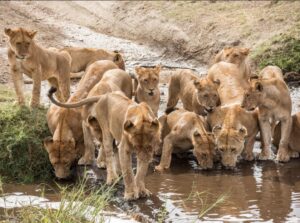
Central Serengeti, especially the Seronera area, is known for reliable wildlife viewing throughout the year. Rivers and permanent water sources attract many animals.
Wildlife commonly seen includes:
- Lions
- Leopards
- Cheetahs
- Elephants
- Giraffes
- Buffaloes
- Zebras
- Wildebeest
- Hyenas
- Hippos
Central Serengeti is a practical choice for first-time visitors and travelers whose dates do not correspond with a particular migration season.
Northern Serengeti
Northern Serengeti is famous for the Mara River and seasonal wildebeest crossings. Flying to Kogatende avoids a very long drive from Central Serengeti or the Ngorongoro region.
River crossings are natural events and cannot be guaranteed on a particular day. Spending several nights in the region gives travelers a better opportunity to observe migration activity.
Southern Serengeti and Ndutu
The Ndutu region is particularly important during the green season, when large wildebeest herds gather across the southern plains. The calving period attracts predators and creates excellent photographic opportunities.
A flight into Ndutu can be included in a seasonal safari, depending on airstrip operations and camp availability.
Western Serengeti
The Western Corridor contains the Grumeti River and extensive woodland and plains. It is particularly interesting during seasonal migration movements, although resident wildlife can also be observed.
Ngorongoro Conservation Area
There is no airstrip on the Ngorongoro Crater floor. Fly-in guests normally use an airstrip such as Lake Manyara and continue by road to the Ngorongoro highlands.
The crater is one of Africa’s most remarkable wildlife environments. Its floor supports a concentrated variety of animals, including lions, buffaloes, zebras, wildebeest, hippos and, with luck, black rhinos.
Ngorongoro combines well with:
- Serengeti National Park
- Lake Manyara National Park
- Tarangire National Park
- Cultural visits around Karatu
- Walking activities in selected conservation areas
Tarangire National Park
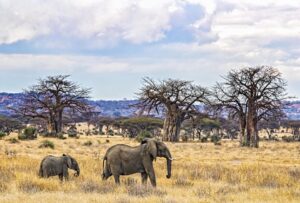
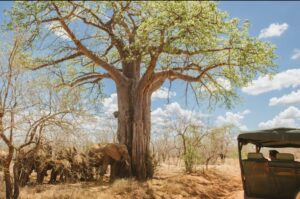
Tarangire is known for elephants, ancient baobab trees and beautiful seasonal wildlife concentrations. It is usually visited by road from Arusha, but it can form part of an itinerary that later flies into or out of Serengeti.
During the dry season, animals gather around the Tarangire River, creating excellent wildlife-viewing conditions.
Nyerere National Park
Nyerere is an excellent fly-in destination for travelers starting in Dar es Salaam or Zanzibar. It forms part of Tanzania’s Southern Safari Circuit and feels noticeably different from Serengeti.
Depending on the camp and season, activities may include:
- Traditional game drives
- Boat safaris
- Guided walking safaris
- Birdwatching
- Sundowner experiences
Boat trips provide opportunities to see hippos, crocodiles and water-associated birds. Activities depend on park regulations, camp location, weather and water conditions.
Ruaha National Park
Ruaha offers rugged landscapes, large elephant populations and rewarding predator sightings. Because of its remote position, flying is often the most practical way to visit.
Its combination of rivers, baobab country and woodland supports an impressive range of wildlife. Ruaha is particularly suitable for experienced safari travelers, photographers and visitors seeking a quieter environment.
Katavi National Park
Katavi is among Tanzania’s most remote safari destinations. The cost and travel arrangements are more demanding, but the reward is a wild and uncrowded experience.
During the dry season, wildlife gathers around shrinking rivers and floodplains. Visitors may encounter large groups of hippos, crocodiles, buffaloes and other animals.
Mahale Mountains National Park
Mahale lies beside Lake Tanganyika and is best known for chimpanzee trekking. Access normally involves flying and then transferring to the lodge by boat.
A Mahale journey combines forest exploration, mountain scenery and time beside one of Africa’s great lakes. It can be paired with Katavi for a highly exclusive Western Tanzania itinerary.
Best Time for a Fly-In Tanzania Safari
Tanzania offers safari experiences throughout the year. The best month depends on the destinations and wildlife events you want to see.
June to October
The dry season generally provides excellent wildlife viewing because animals concentrate near permanent water sources and vegetation becomes less dense.
This period is ideal for:
- Northern Serengeti migration safaris
- Tarangire elephant viewing
- Ruaha National Park
- Katavi National Park
- General wildlife photography
It is also a popular travel season, so flights and accommodation should be reserved early.
November and December
Short seasonal rains can transform the landscape into fresh green scenery. Visitor numbers may be lower in some areas, although holiday dates remain busy.
Rainfall usually comes in showers rather than continuous rain, but weather patterns are never completely predictable.
January to March
This is an important season for the southern Serengeti and Ndutu ecosystem. Wildebeest herds gather on the nutrient-rich plains, and the calving period creates dramatic predator activity.
It can be an excellent time for photographers, honeymooners and travelers interested in migration behavior.
April and May
These months are traditionally associated with heavier rainfall. Some camps close temporarily, certain roads become challenging and flight schedules may be reduced.
However, available properties may offer attractive seasonal value. The landscape is green, birdlife is excellent and visitor numbers are generally lower.
Suggested Fly-In Tanzania Safari Itineraries
Three-Day Serengeti Fly-In Safari from Zanzibar
Day 1: Zanzibar to Serengeti
Fly from Zanzibar to a Serengeti airstrip. Meet your guide and begin a game drive before continuing to your camp.
Day 2: Full-Day Serengeti Safari
Spend the day exploring wildlife areas selected according to the season and recent animal movements.
Day 3: Serengeti to Zanzibar
Enjoy a morning activity when the flight schedule permits. Transfer to the airstrip and fly back to Zanzibar.
This itinerary is suitable for travelers with limited time, but adding another night creates a more relaxed experience.
Five-Day Serengeti and Ngorongoro Safari
Day 1: Fly from Zanzibar or Arusha to Serengeti
Day 2: Full-day Central Serengeti game drive
Day 3: Serengeti game drive and transfer toward Ngorongoro
Day 4: Ngorongoro Crater safari
Day 5: Return to Arusha or fly to Zanzibar
This option combines Tanzania’s two best-known wildlife destinations.
Six-Day Nyerere and Ruaha Fly-In Safari
Day 1: Fly to Nyerere National Park
Day 2: Game drive and optional boat safari
Day 3: Morning activity and flight to Ruaha
Day 4: Full-day Ruaha game drive
Day 5: Additional Ruaha exploration
Day 6: Fly to Dar es Salaam or Zanzibar
This itinerary is ideal for travelers seeking a quieter safari away from the busiest Northern Circuit routes.
Eight-Day Luxury Northern Tanzania Safari
Day 1: Arrival in Arusha
Day 2: Tarangire National Park
Day 3: Ngorongoro highlands
Day 4: Ngorongoro Crater
Day 5: Fly to Serengeti
Day 6: Full-day Serengeti safari
Day 7: Additional Serengeti exploration
Day 8: Fly to Arusha or Zanzibar
This itinerary balances road travel with domestic flights and allows enough time in every destination.
Accommodation on a Fly-In Safari
Fly-in safaris commonly use lodges and tented camps located near airstrips. Options range from comfortable mid-range camps to exclusive luxury properties.
Mid-Range Camps
Mid-range accommodations usually offer:
- Private rooms or safari tents
- En-suite bathroom and shower
- Full-board meals
- Comfortable beds
- Communal dining and lounge areas
- Charging facilities
- Personalized service
Luxury Safari Lodges
Luxury properties may offer:
- Spacious suites
- Private decks
- Swimming pools
- Fine dining
- Premium drinks
- Private vehicles at selected camps
- Laundry services
- Spa treatments
- Exclusive wilderness locations
Travelers should confirm whether game drives are private or shared. Staying at a luxury lodge does not automatically mean that a private safari vehicle is included.
Mobile Migration Camps
Seasonal camps move or operate in locations selected around migration patterns. They provide access to key wildlife areas while maintaining comfortable facilities.
Although called “tented camps,” many provide proper beds, furniture, private bathrooms, hot showers and high-quality meals.
How Much Does a Fly-In Tanzania Safari Cost?
A fly-in safari normally costs more than an overland safari because the package includes domestic flights and often uses remote accommodations.
The final price depends on:
- Travel season
- Number of safari days
- Flight route
- Private or shared game drives
- Accommodation category
- Number of travelers
- Park and conservation fees
- Included activities
- Airport transfers
- One-way or return flights
- Luggage and charter requirements
A short fly-in safari from Zanzibar may be more affordable than a multi-park luxury air safari. Remote destinations such as Katavi and Mahale usually cost more because of limited flight availability and specialized logistics.
Request a detailed quotation showing exactly what is included. Comparing only the final price can be misleading if one package includes flights, transfers, park fees and drinks while another does not.
What Is Usually Included?
A well-organized package may include:
- Domestic safari flights
- Airstrip transfers
- Accommodation
- Meals during the safari
- Park entrance fees
- Professional English-speaking guide
- Game drives in a 4×4 safari vehicle
- Drinking water
- Government taxes
- Selected camp activities
- Airport or hotel transfers
Items commonly excluded include:
- International flights
- Visa costs
- Travel insurance
- Guide and staff gratuities
- Premium alcoholic drinks
- Personal purchases
- Optional balloon safaris
- Medical expenses
- Activities not listed in the itinerary
Always check the exact inclusions before confirming your reservation.
Luggage Rules for Safari Flights
Small aircraft have stricter baggage restrictions than international airlines. Soft-sided travel bags are usually preferred because they fit more easily into limited aircraft storage compartments.
Travelers should avoid rigid suitcases unless the airline has specifically approved them.
Useful packing items include:
- Lightweight neutral-colored clothing
- Warm jacket for mornings
- Comfortable walking shoes
- Sun hat
- Sunglasses
- Sunscreen
- Insect repellent
- Camera and spare batteries
- Personal medication
- Travel documents
- Small day bag
- Reusable water bottle
The permitted luggage weight varies by airline, aircraft and route. Confirm the latest allowance before departure. Additional baggage arrangements may sometimes be available at an extra cost.
What Are Safari Flights Like?
Safari flights usually operate in small propeller aircraft. Flights may make several stops to collect or drop off passengers at different airstrips.
Travelers should understand that:
- Departure times may change
- Routes may include multiple stops
- Seating can be compact
- Aircraft may not have toilets
- Weather can affect operations
- Airstrips may be unpaved
- Passengers usually walk directly between the aircraft and safari vehicle
These flights are safe and routinely used by safari travelers. Anyone who experiences motion sickness should speak with a medical professional before traveling and carry suitable medication.
Fly-In Safari for Honeymooners
A fly-in safari is an excellent honeymoon option because it reduces tiring transfers and creates more time at beautiful camps.
A romantic itinerary can include:
- Private game drives
- Luxury tented accommodation
- Sundowner drinks
- Bush breakfast or dinner
- Serengeti balloon safari
- Private air charter
- Honeymoon room decoration
- Safari followed by Zanzibar
Couples should inform the operator that they are celebrating a honeymoon. Camps may arrange thoughtful touches, subject to availability.
Fly-In Safari for Families
Families can also enjoy a fly-in vacation, but parents should consider the age of the children and the policies of individual camps.
Important questions include:
- What is the minimum age for game drives?
- Are children allowed on walking or boat safaris?
- Can the family share one room?
- Is a private vehicle recommended?
- What luggage allowance applies to children?
- Does the camp offer child-friendly meals?
- Are there fences around the property?
- What medical support is available?
A private safari vehicle gives families more flexibility to adjust game-drive length, stop for breaks and return to camp when children become tired.
Fly-In Safari for Photographers
Flying makes it easier for photographers to reach seasonal wildlife areas without losing valuable days to road transfers.
However, camera equipment may create baggage challenges. Photographers should inform the airline or safari company about heavy lenses, multiple camera bodies and support equipment before booking.
A private vehicle is highly recommended because it allows greater control over positioning, timing and the amount of time spent at sightings.
Responsible Fly-In Safari Travel
Domestic flights create environmental impacts, but travelers can make more responsible choices throughout their journey.
Consider:
- Staying longer in fewer destinations
- Combining flying with overland transfers
- Choosing responsible camps
- Respecting wildlife-viewing distances
- Avoiding single-use plastics
- Supporting local employment
- Never feeding or disturbing animals
- Following guide and park instructions
- Purchasing locally made products
- Using refillable water bottles when possible
Slow, respectful travel often creates a better experience than attempting to visit too many parks in a short period.
How to Plan Your Safari
Choose Your Wildlife Priorities
Decide whether your main interest is:
- The Great Migration
- Big cats
- Elephants
- Chimpanzees
- Birdwatching
- Photography
- Remote wilderness
- Luxury relaxation
- A safari-and-beach combination
Your priorities determine the most appropriate region and travel season.
Decide How Many Days You Need
Three days can provide a rewarding introduction, but five to eight days usually create a more relaxed itinerary. Remote multi-park journeys may require ten days or longer.
Select Private or Shared Activities
Private arrangements provide flexibility, while shared activities can reduce costs and create a social experience.
Book Early
Flights and well-located safari camps have limited capacity. Early booking is particularly important during migration seasons, Christmas, New Year and other high-demand periods.
Check Cancellation Conditions
Domestic flights and safari accommodation may have strict cancellation rules. Review payment deadlines and refund conditions before paying a deposit.
Purchase Travel Insurance
Comprehensive insurance should cover medical emergencies, evacuation, cancellation, delays and lost luggage. Make sure the coverage is suitable for safari activities and light-aircraft flights.
Book Your Fly-In Tanzania Safari Vacation
A fly-in Tanzania safari vacation combines adventure, comfort and efficient travel. It allows you to reach Tanzania’s extraordinary wildlife destinations while avoiding unnecessary hours on the road.
Whether you want to observe the Great Migration in Serengeti, descend into Ngorongoro Crater, explore the rivers of Nyerere or experience the remote wilderness of Ruaha, a carefully planned fly-in itinerary can transform your vacation.
Kilipath African Safaris can arrange domestic flights, accommodation, airport transfers, professional guides and customized wildlife activities according to your dates, budget and travel interests.
Contact Kilipath African Safaris today to receive a personalized fly-in safari itinerary and begin planning an unforgettable journey through Tanzania.