

Budget Ngorongoro Crater Safari Holiday
Planning a budget Ngorongoro Crater safari holiday from Arusha? Compare a crater day trip, a two-day Tarangire and Ngorongoro safari, or a…
Read articleArusha City - Tanzania
Safari & Travel Tips
August 31, 2026 · 14 min read
A fly-in Tanzania wildlife safari itinerary is one of the most comfortable and time-efficient ways to explore Tanzania’s legendary national parks. Instead of spending long hours driving between destinations, you travel aboard a light aircraft and land close to the wildlife areas you want to experience.
After landing at a safari airstrip, your professional guide welcomes you and continues the adventure in a private or shared 4×4 safari vehicle. This arrangement gives you more time for game drives, photography and relaxation at your lodge or tented camp.
Whether you want to witness the Great Migration in Serengeti, explore the Ngorongoro Crater, see elephants in Tarangire or combine your safari with Zanzibar, a fly-in itinerary can be designed around your dates, budget and travel preferences.
Tanzania is a large country, and some of its most rewarding wildlife destinations are separated by considerable distances. Driving between Arusha and the Central Serengeti, for example, can take most of the day depending on road and weather conditions.
A fly-in safari allows you to cover that distance much faster. You can leave Arusha or Zanzibar in the morning and begin a Serengeti game drive shortly after landing.
The main advantages include:
A fly-in itinerary is particularly valuable for travelers who have limited vacation time but still want an immersive wildlife experience.
A fly-in safari works well for many types of travelers, including:
Although fly-in safaris are often associated with luxury travel, mid-range options are also available. Your final price depends on the flight route, season, accommodation level, number of travelers and whether the safari is private or shared.
The process is straightforward. A typical safari begins with a scheduled domestic flight from Arusha Airport, Kilimanjaro International Airport, Dar es Salaam or Zanzibar.
You fly to an airstrip near your selected park or camp. Popular safari airstrips include:
Your safari guide meets you at the airstrip with a 4×4 Land Cruiser. Depending on the itinerary, you may begin a game drive immediately or transfer to your accommodation first.
At the end of the safari, you can fly back to Arusha, Kilimanjaro, Dar es Salaam or Zanzibar. Some itineraries combine a flight in one direction with an overland journey in the other.
The following itinerary combines Serengeti, Ngorongoro Crater and Tarangire. It can begin from Zanzibar, Arusha or Kilimanjaro.
Your adventure begins with a transfer to the airport for your scheduled flight to the Serengeti. During the flight, you may enjoy aerial views of Tanzania’s mountains, plains, villages and volcanic landscapes.
After landing at Seronera Airstrip, your guide welcomes you and provides a short safari briefing. You then begin your first game drive in Central Serengeti.
The Seronera region is known for reliable wildlife viewing throughout the year. Its river valleys and open grasslands support lions, leopards, cheetahs, elephants, giraffes, buffaloes and many species of antelope.
Your guide will search for wildlife while explaining the animals’ behavior and the Serengeti ecosystem. Later in the afternoon, you continue to your lodge or tented camp.
Accommodation: Mid-range or luxury Serengeti tented camp
Meals: Lunch and dinner
After breakfast, you depart for a full-day game drive. The exact route depends on wildlife movements, road conditions and the season.
Your guide may take you to kopjes where lions rest, river areas where leopards are frequently seen or open plains used by cheetahs for hunting. During the migration season, the day may focus on locating large herds of wildebeest and zebras.
You can return to camp for lunch or enjoy a packed meal at a designated picnic area. A packed lunch gives you more time in the park and allows the guide to follow wildlife without returning to the accommodation.
Possible sightings include:
In the evening, return to your camp for dinner and relaxation.
Accommodation: Serengeti tented camp
Meals: Breakfast, lunch and dinner
Begin the morning with another game drive in the Serengeti. Early mornings are excellent for observing predators before the temperature rises.
After the game drive, you travel toward the Ngorongoro Conservation Area. The journey takes you through changing scenery, from the Serengeti’s grasslands to the volcanic highlands surrounding Ngorongoro.
Depending on your schedule, optional stops can include Olduvai Gorge or a Maasai cultural visit. These experiences usually involve an additional fee and should be arranged in advance.
You continue to a lodge near the crater rim or in the Karatu highlands. A crater-rim property offers excellent views and faster access to the descent road, while Karatu generally provides more affordable accommodation options.
Accommodation: Ngorongoro rim lodge or Karatu lodge
Meals: Breakfast, lunch and dinner
After an early breakfast, you descend into the Ngorongoro Crater for a game drive.
The crater is a vast volcanic caldera containing grasslands, forests, wetlands and a seasonal lake. Its varied habitats support a remarkable concentration of wildlife.
Animals commonly seen include:
The crater is also one of Tanzania’s important locations for possible black rhino sightings. However, all wildlife encounters remain natural and cannot be guaranteed.
You enjoy lunch at a designated picnic area before ascending from the crater. The safari then continues toward Karatu or Tarangire.
Accommodation: Karatu or Tarangire lodge
Meals: Breakfast, lunch and dinner
After breakfast, travel to Tarangire National Park for the final game drive.
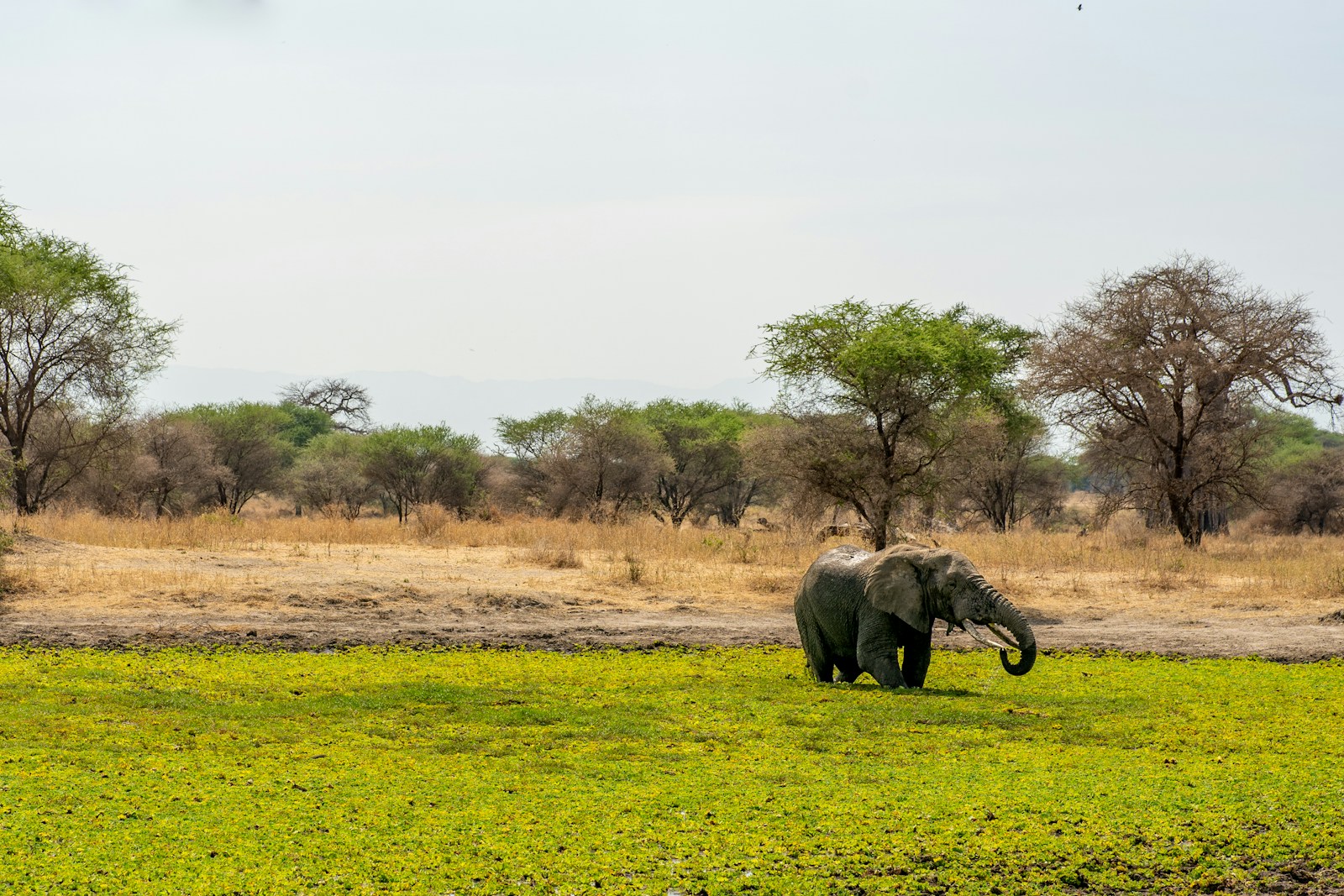
Tarangire is famous for its ancient baobab trees and large elephant population. During the dry season, wildlife gathers around the Tarangire River, creating excellent opportunities to see elephants, giraffes, zebras, wildebeest and predators.
The park also offers rewarding birdwatching, with hundreds of recorded species.
After lunch and the game drive, return to Arusha or continue to the airport for your onward journey. If you are flying late in the evening, the departure schedule must allow sufficient time for the airport transfer and check-in.
Meals: Breakfast and lunch
Travelers staying in Zanzibar often choose a shorter fly-in safari.
Transfer from your Zanzibar hotel to the airport and fly to the Serengeti. Meet your guide at the airstrip and begin an afternoon game drive.
Enjoy a full day exploring the Serengeti. Your guide selects the most rewarding areas according to recent wildlife movements.
Take an early game drive before returning to the airstrip. Fly back to Zanzibar and transfer to your beach hotel.
This arrangement is ideal for travelers who want to combine a beach holiday with an authentic African safari without spending several days travelling overland.
A fly-in Tanzania wildlife safari itinerary from Zanzibar is a popular choice because Zanzibar has direct or connecting flights to several safari airstrips.
Possible combinations include:
Some routes are direct, while others involve one or more stops. Flight schedules can vary by season, so the safari should be organized around the available domestic connections.
For a smooth trip, the package can include:
Central Serengeti is an excellent year-round destination. The Seronera Valley contains permanent water sources and supports resident wildlife even when the migration herds are in another part of the ecosystem.
It is particularly suitable for first-time visitors who want a broad Serengeti experience and opportunities to see big cats.
Northern Serengeti is best known for the Great Migration river-crossing season, generally associated with the drier middle and later months of the year. Because it is far from Arusha, flying to Kogatende is considerably more convenient than driving.
River crossings are unpredictable natural events. Travelers should ideally spend several nights in the region to improve their chances of encountering the herds near the Mara River.
Ndutu is particularly attractive during the green season and wildebeest calving period. Large herds gather across the nutrient-rich plains, and predators take advantage of the abundance of vulnerable young animals.
A flight to Ndutu reduces travel time and places guests close to seasonal camps and wildlife areas.
The Western Corridor is known for the Grumeti River and seasonal migration movements. It offers a more remote atmosphere than Central Serengeti and can be reached using nearby airstrips.
Nyerere is an excellent fly-in destination from Zanzibar or Dar es Salaam. Its safari experiences can include traditional game drives and, depending on the area and water conditions, boat safaris.
The park is known for elephants, lions, buffaloes, hippos, crocodiles and African wild dogs, although sightings always depend on natural movements.
Ruaha offers remote landscapes, fewer vehicles and excellent predator viewing. Because of its location, flying is normally the most efficient way to include it in a shorter Tanzania itinerary.
The park is especially appealing to experienced safari travelers and guests seeking a quieter wilderness experience.
Tanzania offers wildlife safaris throughout the year, but the best period depends on your preferred destination and experience.
This is the main dry season in many parks. Vegetation becomes thinner, and animals often gather near rivers and permanent water sources.
It is a popular period for:
Because demand is high, flights and accommodations should be reserved early.
Short rains can create greener landscapes and fewer crowds. Rain usually does not continue all day, but conditions vary.
This period can provide good value and attractive photography.
This is a key period for visiting Ndutu and the southern Serengeti ecosystem. The plains become green, migratory herds gather in the region, and the calving season creates intense predator activity.
These months are traditionally associated with heavier rain in many regions. Some remote camps close temporarily, while others offer lower rates.
The landscapes are lush, visitor numbers are lower and photography can be beautiful. However, certain roads and airstrips may be affected by weather.
Fly-in safari accommodation ranges from comfortable mid-range camps to premium luxury lodges.
Mid-range camps usually provide:
They offer a close-to-nature experience without requiring guests to use public camping facilities.
Luxury camps may include:
Lodges are permanent properties and may provide additional facilities such as swimming pools, landscaped gardens and larger common areas.
Accommodation should be selected according to your comfort preferences, location, travel season and budget.
A complete package may include:
Optional services may include:
Unless specifically included in your quotation, the following may be excluded:
Always review your proposal carefully so you understand exactly what is included in the final price.
The cost of a fly-in safari depends on:
A three-day fly-in safari is usually less expensive than an extended itinerary, but domestic flights represent a significant part of the total cost. Private safaris become more economical per person when vehicle expenses are shared among several travelers.
The most accurate approach is to request a personalized quotation based on your travel dates, number of guests and preferred accommodation level.
Light aircraft normally have stricter baggage limitations than international flights. Soft-sided travel bags are generally recommended because they fit more easily into the aircraft’s luggage compartment.
Travelers should avoid bringing large hard-shell suitcases unless storage has been arranged before the safari.
Before departure, confirm:
If you have additional luggage for a longer holiday, it may be possible to store it securely in Arusha or at your Zanzibar hotel.
Recommended items include:
Bright white clothing can become dusty quickly. Dark blue and black clothing may attract tsetse flies in some areas, so neutral colors such as beige, khaki, green and brown are practical.
Yes. A Serengeti balloon safari can be added to many fly-in itineraries.
The experience normally begins before sunrise. After the flight, guests often enjoy a celebratory breakfast before rejoining their guide.
Balloon flights depend on weather conditions and availability. Advance reservations are strongly recommended, particularly during peak season.
Flying between destinations can make a family safari more manageable by reducing long driving times. A private vehicle also allows the family to take breaks when necessary and adapt the pace to the children.
Families should consider:
Some walking safaris and balloon experiences have age restrictions, so these should be confirmed before booking.
A fly-in safari is an excellent honeymoon option because it combines convenience, privacy and memorable accommodation.
A honeymoon itinerary may include:
The itinerary can balance active game viewing with enough time to relax at the camp.
A safari-and-beach holiday is one of Tanzania’s most rewarding travel combinations.
A typical program might include:
Direct and connecting domestic flights make it possible to leave the Serengeti and reach Zanzibar on the same day, depending on the available schedule.
To prepare an accurate itinerary, provide the following information:
Once these details are available, the safari company can check flight schedules, camp availability and park routing before presenting the final proposal.
A carefully designed fly-in Tanzania wildlife safari itinerary gives you the freedom to experience more of Tanzania while spending less time on long road transfers. From the plains of Serengeti and the Ngorongoro Crater to remote Ruaha and Nyerere, flying places you closer to the country’s most remarkable wildlife destinations.
Your journey can be customized around your dates, budget, preferred accommodation and desired experiences. Whether you are travelling from Zanzibar, Arusha, Kilimanjaro or Dar es Salaam, we can arrange the domestic flights, safari vehicle, professional guide, park fees, meals, accommodation and transfers.
Contact us with your travel dates and number of guests to receive a personalized fly-in safari itinerary and quotation.
Planning a budget Ngorongoro Crater safari holiday from Arusha? Compare a crater day trip, a two-day Tarangire and Ngorongoro safari, or a…
Read articleA Lake Manyara safari can cost USD 150–220 per person for a shared day trip from Arusha. A published example of a…
Read articleExplore Ruaha National Park’s baobab country on a guided safari built around your dates, group size and budget. Spend your game drives…
Read articleA Nyerere Tanzania wildlife safari can take you from a woodland game drive in the morning to a boat on the Rufiji…
Read article

