Skip to content
A group Lake Manyara safari is an affordable and enjoyable way to experience one of northern Tanzania’s most diverse national parks. Located beneath the dramatic cliffs of the Great Rift Valley, Lake Manyara National Park combines groundwater forest, open grassland, acacia woodland, wetlands, hot springs, and a beautiful alkaline lake within a relatively compact area.
This variety of habitats gives travelers an excellent opportunity to see elephants, giraffes, zebras, buffaloes, hippos, baboons, antelopes, monkeys, and numerous bird species during a single game drive. Although Lake Manyara can be visited independently, joining a professionally organized group safari makes the experience easier, safer, and more cost-effective.
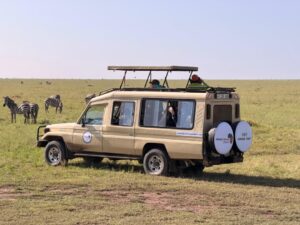
Our group Lake Manyara safari is suitable for solo travelers, couples, friends, students, families, and small groups who want to explore Tanzania while sharing the vehicle and safari costs with other travelers. You will travel in a specially equipped 4×4 safari Land Cruiser with an experienced English-speaking guide.
Why Choose a Group Lake Manyara Safari?
A group safari allows travelers to enjoy a professionally organized wildlife experience without paying the higher cost of a private vehicle. Park fees, fuel, transportation, guiding services, and other operating expenses are divided among the participants.
However, choosing a group safari does not mean sacrificing the essential parts of the experience. Every traveler receives a comfortable seat and a window position in the safari vehicle. The pop-up roof provides excellent visibility for wildlife observation and photography.
A group Lake Manyara safari is particularly attractive for:
- Solo travelers who would like to meet other visitors
- Couples looking for an affordable safari
- Friends traveling on a limited budget
- Travelers with only one or two free days
- Visitors staying in Arusha or Moshi
- Travelers combining a safari with Zanzibar
- Guests joining a longer Northern Circuit safari
- First-time safari visitors
Our shared safaris normally use a 4×4 Land Cruiser and accommodate a small number of travelers. Keeping the group relatively small creates a more comfortable atmosphere and gives everyone enough space to observe wildlife.
About Lake Manyara National Park
Lake Manyara National Park is situated between the Great Rift Valley escarpment and Lake Manyara. It is located approximately 120 kilometers from Arusha, making it convenient for a day trip or as the first destination on a longer safari through northern Tanzania.
The drive from Arusha usually takes around two to three hours, depending on traffic, weather, road conditions, and the pickup location. The journey passes through rural landscapes, local villages, farms, and the busy town of Mto wa Mbu.
Lake Manyara National Park covers a relatively small area compared with Serengeti National Park. Nevertheless, its concentration of different habitats makes it remarkably scenic. The environment can change quickly as you travel through the park—from thick groundwater forest to open lakeshore plains.
The level and appearance of Lake Manyara vary according to rainfall and seasonal conditions. Wildlife movements can also change throughout the year, making every visit slightly different.
Wildlife in Lake Manyara National Park
One of the main reasons to book a group Lake Manyara safari is the park’s wildlife diversity. Sightings can never be guaranteed because the animals move freely, but the park supports an impressive range of species.
Elephants
Lake Manyara is well known for its elephants. They may be seen feeding in the forest, crossing the road, or moving through the woodland in family groups. The park’s vegetation provides food and shade, creating an excellent elephant habitat.
Watching an elephant family interact is often one of the most memorable moments of the safari. Your guide will maintain a safe distance while explaining the animals’ behavior and family structure.
Baboons and Monkeys
Large troops of olive baboons are commonly encountered near the park entrance and within the groundwater forest. Travelers may watch them grooming, feeding, playing, carrying their young, or resting beside the road.
Blue monkeys can also be found among the trees. Their quieter behavior and preference for the forest canopy can make them more challenging to photograph than baboons.
Giraffes
Giraffes are frequently seen browsing on acacia trees and other vegetation. Their height makes them relatively easy to spot in open areas. Lake Manyara’s scenic backdrop offers wonderful opportunities to photograph giraffes with the Rift Valley escarpment in the distance.
Buffaloes, Zebras and Antelopes
African buffaloes may be seen grazing near marshes, woodland, or open grassland. Zebras are also present, together with several antelope species. Depending on the day and location, travelers may encounter impalas, bushbucks, waterbucks, dik-diks, and other herbivores.
Hippos
Lake Manyara has wetland areas that support hippos. They are often observed resting in water during the day. From designated viewing points, visitors may watch hippos while also enjoying the surrounding birdlife.
Lions and Other Predators
Lake Manyara became famous for reports of lions resting in trees. Although lions may still be encountered in the park, seeing a tree-climbing lion is never guaranteed. Lions are wild animals, and their location and behavior depend on many natural factors.
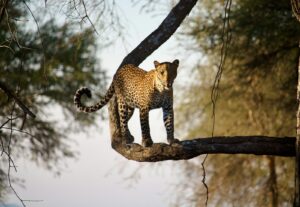
Other predators, including leopards, hyenas, and smaller carnivores, live in the ecosystem but are generally more difficult to find. Your guide will search for signs, listen to reports from other guides, and position the vehicle responsibly whenever wildlife is located.
Birdwatching at Lake Manyara
Lake Manyara is an excellent destination for bird enthusiasts. The mixture of lake, forest, marshland, woodland, and grassland supports a wide range of resident and migratory birds.
Depending on the season, water level, and area visited, travelers may see:
- Flamingos
- Pelicans
- Storks
- Herons
- Egrets
- Hornbills
- Kingfishers
- Eagles
- Vultures
- Cormorants
- Weaver birds
- Bee-eaters
- Guinea fowl
- African fish eagles
Flamingo numbers vary considerably because the birds move according to water and feeding conditions. Visitors should therefore avoid choosing Lake Manyara solely because they expect to see large flamingo flocks.
Even when flamingo numbers are low, the park remains rewarding for birdwatching. Bringing binoculars and a camera with a zoom lens can significantly improve the experience.
Group Lake Manyara Safari Itinerary
Early-Morning Pickup from Arusha
Your safari begins with pickup from your hotel or another agreed location in Arusha. The exact departure time will be confirmed before the safari. An early departure is recommended because it provides more time inside the park and increases the possibility of observing active wildlife.
You will meet your professional guide and the other travelers joining the group. Before departure, the guide will provide a short briefing about the day’s schedule, driving time, safety rules, and expected return time.
Drive to Lake Manyara National Park
The journey takes you through the Tanzanian countryside toward the Great Rift Valley. Along the way, you may see farms, roadside markets, villages, grazing livestock, and views of the surrounding landscape.
The vehicle will normally pass through Mto wa Mbu, a lively town near Lake Manyara National Park. The town is known for agriculture, local markets, banana plantations, crafts, and its multicultural community.
Arrival and Game Drive
After completing the entrance formalities, you will enter Lake Manyara National Park and begin your game drive. The forest near the entrance immediately creates a very different atmosphere from the open plains associated with other Tanzanian parks.
Your guide will search for animals while explaining the park’s ecosystem, wildlife behavior, vegetation, and conservation importance. Because wildlife sightings depend on natural movement, the route may be adjusted according to recent animal activity and road conditions.
The pop-up roof allows you to stand safely when the vehicle is stationary. This provides a wider view and makes photography easier.
Picnic Lunch
At an appropriate time, the group will stop at a designated picnic area for lunch. The location may offer views of the lake, woodland, or surrounding landscape.
Travelers with vegetarian, vegan, halal, gluten-free, or other dietary requirements should provide this information before the safari. Advance notice helps the safari team prepare the correct meal.
Please remember that picnic areas are within a wildlife environment. Food should not be offered to monkeys, birds, or other animals. Follow your guide’s instructions and keep personal belongings secure.
Afternoon Game Drive
After lunch, the safari continues through another section of the park. Afternoon conditions may reveal different species or animal behaviors. The guide will make the best use of the available time while ensuring the group respects park regulations.
Return to Arusha
At the end of the game drive, you will leave Lake Manyara National Park and travel back to Arusha. Arrival is generally expected in the late afternoon or early evening, although the time depends on traffic, park conditions, weather, and the day’s schedule.
If you have an evening flight or another fixed appointment, inform us before confirming the safari. Wildlife trips can experience delays, so sufficient time should be allowed between the expected return and your next arrangement.
What Is Included?
A typical group Lake Manyara safari package includes:
- Transportation from Arusha in a 4×4 safari Land Cruiser
- Shared game-viewing vehicle
- Professional English-speaking safari guide
- Lake Manyara National Park entry fees
- Game drive inside the park
- Picnic lunch
- Drinking water during the safari
- Pickup and drop-off at an agreed location in Arusha
- Government taxes and applicable safari charges
- Emergency support from the safari office
The exact inclusions will be clearly stated in your quotation and booking confirmation.
What Is Not Included?
Unless specifically included in your package, the following items are normally excluded:
- International flights
- Tanzania visa fees
- Travel insurance
- Accommodation before or after the safari
- Airport transfers outside the agreed arrangement
- Alcoholic beverages
- Personal expenses
- Souvenirs
- Laundry services
- Optional activities
- Tips for the safari guide
- Medical expenses
- Additional services not listed in the itinerary
We recommend reviewing your quotation carefully before making payment. If anything is unclear, ask for confirmation so you understand exactly what is included.
Safari Vehicle and Group Size
The safari is conducted in a 4×4 Land Cruiser designed for Tanzania’s roads and national parks. The vehicle normally has:
- A pop-up roof for wildlife viewing
- Window seating
- Seatbelts
- Charging facilities
- A cooler or refrigerator
- First-aid equipment
- Radio communication
- Space for personal day bags
Group safaris may include travelers from different countries. This creates a friendly social atmosphere and gives participants the opportunity to share the experience with other wildlife enthusiasts.
Because it is a shared safari, everyone follows the same general itinerary. Decisions about stops and departure times must consider the whole group. Travelers seeking complete control over timing, photography stops, or the route may prefer a private safari.
Group Safari or Private Safari?
Both options provide access to the same national park, but they offer different levels of flexibility.
Choose a Group Safari If:
- You want to reduce the cost
- You are comfortable sharing a vehicle
- You enjoy meeting new people
- You can follow a fixed departure schedule
- You are a solo traveler or couple
- You do not require a specialized photography itinerary
Choose a Private Safari If:
- You want exclusive use of the vehicle
- You are traveling with children
- You need a flexible departure time
- You want longer stops for photography
- You have mobility or comfort requirements
- You prefer a guide who speaks another available language
- You want to combine the safari with private cultural activities
If you are uncertain, we can compare the group and private prices before you make a decision.
Best Time for a Lake Manyara Safari
Lake Manyara National Park can be visited throughout the year. Each season offers different conditions.
Dry Season
During the drier months, vegetation may become less dense in some areas, and animals may gather around available water sources. Roads are usually easier to navigate, and wildlife can sometimes be easier to observe.
However, the dry season is also popular with visitors. Early booking is recommended, especially when combining Lake Manyara with Serengeti, Tarangire, or Ngorongoro.
Green Season
Rain transforms the landscape into a rich green environment. This season can be particularly attractive for scenery, birdwatching, and photography. Migratory birds may be present, and the park often feels fresh and vibrant.
Rain can occasionally affect roads and travel times. Nevertheless, showers do not necessarily last all day, and experienced guides adapt the game drive to local conditions.
There is no single perfect month for every traveler. The best time depends on your interests, budget, schedule, and the other destinations in your Tanzania itinerary.
What to Wear
Safari clothing should be comfortable and practical. Neutral colors such as beige, khaki, brown, olive, and light grey are generally recommended.
Consider bringing:
- Lightweight trousers or shorts
- Comfortable shirt or T-shirt
- Light jacket or sweater
- Closed walking shoes or trainers
- Sun hat
- Sunglasses
- Sunscreen
- Insect repellent
- Rain jacket during wetter periods
- Personal medication
- Small day bag
Morning temperatures can feel cool, especially when departing early from Arusha. The afternoon may become warm, so wearing layers is helpful.
Avoid very bright clothing if possible. Comfortable clothing is more important than buying expensive safari outfits.
Photography Tips
Lake Manyara offers excellent opportunities for landscape, wildlife, and bird photography. To improve your results:
- Carry a camera with a zoom lens
- Bring extra batteries
- Pack additional memory cards
- Keep your camera accessible during the game drive
- Use a dust-resistant bag
- Ask your guide before standing or changing seats
- Avoid sudden movements near wildlife
- Respect other travelers’ viewing space
- Do not request the guide to leave permitted roads
- Put your phone or camera down occasionally and enjoy the moment
Wildlife photography requires patience. Animals may appear suddenly, and sometimes the best experience is simply observing their natural behavior.
Combining Lake Manyara with Other Destinations
Lake Manyara is often included in a longer Northern Circuit itinerary.
Lake Manyara and Tarangire
This combination offers contrasting landscapes. Tarangire is famous for its baobab trees, elephants, and seasonal wildlife concentrations, while Lake Manyara offers forest, wetland, and Rift Valley scenery.
Lake Manyara and Ngorongoro Crater
Combining Lake Manyara with Ngorongoro provides two very different experiences. Lake Manyara is known for its varied habitats, whereas Ngorongoro offers a game drive on the floor of an ancient volcanic caldera.
Lake Manyara, Serengeti and Ngorongoro
This is one of the most popular safari combinations in Tanzania. It provides a broader wildlife experience and allows visitors to see several important ecosystems.
Lake Manyara and Zanzibar
Travelers can enjoy a wildlife safari before flying to Zanzibar for beaches, Stone Town, spice tours, snorkeling, or relaxation. Flights can be arranged from Arusha or Kilimanjaro, subject to schedule and availability.
Responsible Safari Travel
Responsible tourism helps protect wildlife and supports the communities surrounding Tanzania’s protected areas.
During your safari:
- Never feed wild animals
- Do not throw rubbish from the vehicle
- Avoid loud shouting near wildlife
- Follow your guide’s safety instructions
- Respect park speed limits
- Keep a safe distance from animals
- Do not remove plants, stones, or natural objects
- Support genuine local products where possible
- Ask before photographing local people
- Minimize unnecessary plastic waste
A professional safari company and guide will follow national park rules and promote respectful wildlife viewing.
Health and Safety
Lake Manyara is a natural wildlife environment. Always remain inside the vehicle unless your guide confirms that it is safe to exit at a designated location.
Travelers should arrange suitable travel insurance covering medical care, cancellation, personal belongings, and emergency evacuation. Consult a qualified medical professional for advice about vaccinations, malaria prevention, and personal health requirements before traveling to Tanzania.
Inform the company in advance about:
- Food allergies
- Medical conditions
- Mobility challenges
- Pregnancy
- Severe motion sickness
- Special dietary requirements
- Any medication requiring refrigeration
This information allows the safari team to prepare appropriately.
Booking Your Group Lake Manyara Safari
Booking is simple. Send us the following information:
- Preferred travel date
- Number of adults
- Number and ages of children
- Pickup location
- Accommodation before the safari
- Dietary requirements
- Any medical or mobility considerations
- Whether you need airport transfers
- Whether you want a one-day or multi-day safari
- Your preferred budget level
Once we receive these details, we will confirm availability and send you a complete quotation. Your booking is secured after the required deposit or payment has been received and confirmed.
Because shared safaris depend on vehicle availability and scheduled departures, early booking is strongly recommended.
Why Book with Kilipath African Safaris?
Kilipath African Safaris helps travelers explore Tanzania through carefully organized safari experiences. From your first inquiry until the end of your trip, our team is available to answer questions and assist with practical arrangements.
When you book with us, you receive:
- Professional safari planning
- Clear communication
- Experienced local guides
- Reliable 4×4 safari vehicles
- Transparent package information
- Support before and during the safari
- Assistance with accommodations and transfers
- Options for different budgets
- Personalized advice about your Tanzania itinerary
Our goal is to make your group Lake Manyara safari safe, enjoyable, informative, and memorable.
Frequently Asked Questions
Is Lake Manyara worth visiting?
Yes. Lake Manyara is particularly rewarding for travelers interested in varied scenery, elephants, primates, birdlife, forests, wetlands, and the Great Rift Valley landscape. It also works well as part of a longer Northern Circuit safari.
Can I visit Lake Manyara in one day?
Yes. A day trip from Arusha is possible. The early departure and driving time make it a long day, but visitors can enjoy a meaningful game drive and return to Arusha in the evening.
Are tree-climbing lions guaranteed?
No. Lions live in the park and have historically been seen resting in trees, but such sightings are never guaranteed. Wildlife moves naturally, and every game drive is different.
Will I see flamingos?
Flamingos may be present, but their numbers vary according to water level, food availability, and seasonal movement. The park offers many other birds and animals even when flamingo numbers are low.
Is the safari suitable for children?
Yes, but parents should consider the early departure, driving time, and the child’s ability to remain seated during the game drive. A private safari may be more comfortable for families needing flexible stops.
How many travelers share the vehicle?
The exact group size depends on bookings and vehicle configuration. We use safari vehicles designed to provide travelers with good visibility. Your confirmed group arrangement will be explained before departure.
Do I receive a window seat?
We organize our group vehicles so that travelers have good access to wildlife views. The pop-up roof also allows excellent viewing when the vehicle is stationary.
Is lunch included?
A picnic lunch is normally included in the package. Confirmed inclusions will be shown in your quotation.
Can vegetarian or vegan meals be provided?
Yes. Vegetarian, vegan, halal, and other dietary requirements can usually be accommodated when communicated in advance.
Is drinking water included?
Drinking water is normally provided during the safari. Bring a reusable bottle if possible to help reduce plastic waste.
What time does the safari start?
Pickup is usually early in the morning. The exact time depends on your hotel, group arrangement, and departure schedule. It will be confirmed before the safari.
What time will we return to Arusha?
Return is generally in the late afternoon or early evening. Traffic, weather, road conditions, and park activities may affect the exact arrival time.
Can you pick me up from Moshi or the airport?
Transfers from Moshi, Kilimanjaro International Airport, Arusha Airport, or other locations can be arranged. Some transfers may involve an additional charge.
Can I bring a suitcase?
For a one-day safari, we recommend carrying only a small day bag. Large suitcases can often remain securely at your hotel or another arranged storage location.
Is Wi-Fi available in the safari vehicle?
Wi-Fi availability is not guaranteed. Mobile network coverage may be limited inside the park. We recommend enjoying the game drive and reconnecting after returning to town.
Can I charge my phone or camera?
Many safari vehicles have charging sockets or USB connections. Bring your own cable and, if possible, a fully charged power bank.
Is tipping compulsory?
Tipping is not compulsory, but it is customary when you are satisfied with your guide’s service. The amount can depend on the group size and quality of service.
Can I book as a solo traveler?
Yes. Group safaris are particularly suitable for solo travelers because they allow individuals to share costs and meet other visitors.
Can I customize a group safari?
A shared safari follows an established schedule, so major changes are normally not possible. If you need a customized route or flexible timetable, we recommend a private safari.
What happens if it rains?
Safaris normally continue during light or moderate rain. The guide may adjust the route according to road and safety conditions. Rain can also create beautiful scenery and interesting wildlife behavior.
Do I need travel insurance?
Yes. Comprehensive travel insurance is strongly recommended for all visitors. It should cover medical care, emergency evacuation, cancellations, delays, and personal belongings.
Reserve Your Lake Manyara Safari
Explore the groundwater forest, observe playful baboons, search for elephants beneath the Rift Valley escarpment, watch hippos in the wetlands, and discover the remarkable birdlife of Lake Manyara National Park.
Whether you are traveling alone, as a couple, with friends, or as part of a longer Tanzania adventure, our group Lake Manyara safari offers an affordable and convenient way to experience this beautiful destination.
Contact Kilipath African Safaris today with your travel date, group size, pickup location, and preferred itinerary. We will send you availability, a detailed quotation, and all the information you need to prepare for your safari.