Skip to content

A group Ruaha safari experience is an excellent choice for travelers who want to explore one of Tanzania’s wildest national parks while sharing the adventure and safari costs with other nature lovers. Ruaha National Park offers spectacular landscapes, excellent wildlife sightings, fewer safari vehicles, and a genuine feeling of being deep in the African wilderness.
Located in southern Tanzania, Ruaha is the country’s largest national park and a central part of the Southern Safari Circuit. It is especially famous for its large elephant population, powerful prides of lions, African wild dogs, leopards, buffaloes, giraffes, antelopes, and diverse birdlife.
Unlike Tanzania’s busier northern parks, Ruaha provides a quieter and more remote safari atmosphere. A group safari makes this extraordinary destination more affordable without removing the essential elements of a rewarding wildlife adventure.
Whether you are traveling alone, as a couple, with friends, or as a small family, joining a Ruaha group tour allows you to meet other travelers and experience the park with a professional safari guide.
Why Choose a Group Safari to Ruaha?
The most important advantage of a group safari is affordability. The cost of the safari vehicle, professional guide, fuel, and some logistical services is divided among the participants. This makes Ruaha more accessible to travelers who may find a private safari expensive.
A group safari also offers a friendly social experience. You travel with people who share an interest in wildlife, photography, nature, and African culture. Many travelers begin the journey as strangers and finish it as friends.
The main benefits include:
- More affordable than a private safari
- Professional driver-guide throughout the journey
- Shared transportation in a safari vehicle
- Opportunities to meet international travelers
- Excellent wildlife-viewing experiences
- Carefully planned itinerary and accommodation
- Less responsibility for organizing transportation
- A safe and convenient way to explore remote areas
- Window seating depending on the vehicle arrangement
- Plenty of opportunities for wildlife photography
For solo travelers, a group departure can be particularly useful because it reduces the cost that would otherwise be paid by one person.
About Ruaha National Park
Ruaha National Park is situated in central-southern Tanzania. Together with surrounding protected areas, it forms part of a vast wildlife ecosystem. Its remote location has helped preserve its wilderness character.
The park is named after the Great Ruaha River, an essential water source for wildlife. During the dry season, animals gather near the river and its remaining pools, creating excellent wildlife-viewing opportunities.
Ruaha’s landscapes include:
- Open savannah plains
- Rocky hills and escarpments
- Dry riverbeds
- Acacia woodland
- Baobab-covered valleys
- Seasonal wetlands
- Riverine forests
- Miombo woodland
The combination of habitats supports an impressive variety of mammals, birds, reptiles, and plant species. The scenery changes continuously as you travel through the park, making every game drive visually interesting.
Ruaha is especially attractive to travelers looking for an uncrowded safari. You can sometimes observe animals for an extended period without being surrounded by many vehicles.
Wildlife to See During a Group Ruaha Safari Experience
Ruaha is well known for predator sightings and large concentrations of elephants. Wildlife is never completely predictable, but the park provides opportunities to encounter many iconic African species.
Elephants
Ruaha is famous for its elephants. Large herds can often be seen moving through woodland, feeding near baobab trees, crossing the road, or gathering around the Great Ruaha River.
Watching elephant families interact is one of the most memorable parts of the experience. Young calves remain close to their mothers while adults communicate through body movements, touch, and low-frequency sounds.
Lions
Ruaha supports an important lion population. The park’s large prides are one of its main attractions. Lions may be found resting beneath trees, walking near riverbeds, watching grazing animals, or feeding after a successful hunt.
Early mornings and late afternoons are generally productive periods for observing predators because temperatures are cooler and animals are often more active.
African Wild Dogs
The African wild dog is one of the continent’s most endangered predators. Ruaha is among the important landscapes where travelers may have an opportunity to see these highly social animals.
Wild dogs live and hunt in coordinated packs. Seeing them is never guaranteed, but an encounter can become a major highlight of the safari.
Leopards
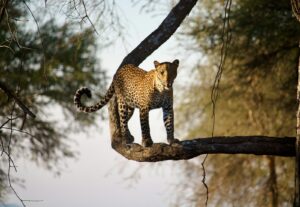
Leopards are secretive animals, but Ruaha provides suitable habitat for them. They may rest in tree branches, move through rocky areas, or hide near riverine vegetation.
An experienced guide looks for tracks, warning calls from other animals, and unusual behavior that may indicate a leopard is nearby.
Buffaloes
Large herds of African buffaloes are frequently found near water and productive grazing areas. Lions sometimes follow buffalo herds, creating the possibility of dramatic wildlife interactions.
Giraffes and Zebras
Giraffes move gracefully through the acacia woodland, while zebras are commonly observed in open areas. Both species provide wonderful photographic opportunities against Ruaha’s natural landscapes.
Antelopes
Ruaha contains a wide variety of antelope species. Depending on the area and season, travelers may see greater kudu, impala, waterbuck, bushbuck, eland, sable antelope and other herbivores.
The greater kudu, with its long spiral horns, is one of the park’s particularly beautiful animals.
Hippos and Crocodiles
Pools and sections of the Great Ruaha River attract hippos and crocodiles. Hippos spend much of the day in water before emerging to feed at night. Crocodiles may rest along riverbanks or remain almost completely hidden beneath the water.
Birdwatching in Ruaha National Park
Ruaha is a rewarding destination for bird enthusiasts. Its different habitats support hundreds of resident and migratory bird species.
Possible sightings include:
- African fish eagles
- Ground hornbills
- Lilac-breasted rollers
- Yellow-collared lovebirds
- Vultures
- Kingfishers
- Bee-eaters
- Herons
- Storks
- Eagles
- Owls
- Sunbirds
- Guinea fowl
The yellow-collared lovebird is particularly associated with Tanzania and can be an exciting sighting for dedicated birdwatchers.
Travelers interested in birds should tell the safari company before departure. This allows the company to assign a guide with strong birding knowledge when possible.
What a Typical Ruaha Group Safari Includes
The exact inclusions depend on the operator, itinerary, accommodation category and point of departure. A well-organized group safari may include:
- Transportation in a 4×4 safari vehicle
- Professional English-speaking driver-guide
- Ruaha National Park entrance fees
- Game drives according to the itinerary
- Accommodation during the safari
- Meals specified in the program
- Drinking water during game drives
- Government taxes and tourism charges
- Pickup and drop-off at an agreed location
- Emergency support from the safari company
Travelers should carefully check the quotation before booking. Flights, alcoholic drinks, visas, travel insurance, tips, personal purchases, laundry, optional activities and accommodation before or after the safari may not be included.
Sample Four-Day Group Ruaha Safari Itinerary
Day 1: Travel to Ruaha National Park
Your adventure begins with an early pickup from the agreed hotel, airport, train station, or meeting point. You will meet your safari guide and fellow travelers before starting the journey toward Ruaha.
The drive provides an opportunity to observe Tanzanian towns, villages, farms, mountains and changing vegetation. Your guide may stop for refreshments or lunch depending on the route and departure time.
After reaching the park or your nearby accommodation, you may enjoy an introductory game drive if time permits. This first drive could reveal elephants, giraffes, impalas, zebras, buffaloes and different bird species.
You will then continue to your lodge, tented camp, guesthouse or campsite for dinner and overnight.
Day 2: Full-Day Ruaha Game Drive
After an early breakfast, you will begin a full day of wildlife exploration. Morning hours can be excellent for spotting predators before the temperature rises.
Your guide will search areas around the Great Ruaha River, seasonal water sources, rocky hills and open plains. The route will depend on wildlife movements, road conditions and information exchanged between guides.
A picnic lunch may be served at a designated site. After lunch, the game drive continues through another section of the park.
Possible sightings include elephants, lions, buffaloes, giraffes, zebras, leopards, hippos, crocodiles and numerous antelopes. In the late afternoon, you will return to the accommodation for dinner and relaxation.
Day 3: Another Full-Day Wildlife Experience
Ruaha is a large national park, so a second full day creates opportunities to explore different habitats and search for animals that were not seen previously.
The guide may concentrate on predator territories, river areas, baobab valleys or productive wildlife corridors. Every game drive is different because animal movement changes according to water, food, temperature and predator activity.
Guests interested in photography can use the changing light to capture animals, landscapes and dramatic baobab silhouettes.
After a complete day in the wilderness, return to your accommodation for dinner and your final overnight near or inside Ruaha.
Day 4: Morning Game Drive and Departure
Begin with breakfast and, depending on the schedule, a final morning game drive. This is another opportunity to search for lions, elephants, wild dogs or leopards.
After leaving the park, the group travels back to the designated destination. Arrival time depends on road conditions, distance and the group’s schedule.
Longer Ruaha Safari Itineraries
Travelers with additional time can select five-, six- or seven-day programs. Longer itineraries provide more relaxed game drives and can combine Ruaha with other Southern Circuit destinations.
Popular combinations include:
- Ruaha and Mikumi National Park
- Ruaha and Nyerere National Park
- Ruaha and Udzungwa Mountains
- Ruaha and Kitulo National Park
- Ruaha with a cultural or historical experience
- Ruaha with Zanzibar beach relaxation
Combining destinations can increase transportation time and cost, but it creates a more diverse Tanzanian holiday.
Best Time for a Group Ruaha Safari
Ruaha can be visited throughout much of the year, but wildlife conditions, road accessibility, scenery and accommodation availability vary by season.
Dry Season
The dry season is generally considered an excellent time for wildlife viewing. As natural water becomes limited, animals gather around rivers and permanent water sources.
Vegetation becomes thinner, making some animals easier to locate. The weather is usually sunny, although mornings and evenings may feel cool.
Advantages include:
- High wildlife concentration near water
- Better visibility through thinner vegetation
- Good predator-viewing opportunities
- Generally easier road conditions
- Lower chance of heavy rain disrupting activities
This is also a popular travel period, so accommodations and group departures should be reserved early.
Green Season
After seasonal rains, Ruaha becomes greener and more colorful. Landscapes are beautiful, birdlife is excellent, and many animals give birth during productive periods.
Advantages may include:
- Green landscapes
- Dramatic skies
- Excellent birdwatching
- Fewer visitors
- Attractive photography
- Possible seasonal accommodation offers
However, some roads may become difficult after heavy rain, and certain camps can operate seasonally. Travelers should confirm accessibility with their safari company.
Accommodation Options
A group Ruaha safari experience can be organized at different comfort levels.
Camping Safaris
Camping is often the most affordable option. Guests sleep in tents at designated campsites and use shared bathroom facilities where applicable.
A camping safari may include tents, mattresses, sleeping bags, meals prepared by a safari cook, and basic camp equipment.
Camping allows you to remain close to nature and hear the sounds of the African wilderness at night. It is suitable for adventurous travelers who do not require luxury facilities.
Budget Guesthouses
Some affordable itineraries use guesthouses outside or near the park. These properties usually provide beds, private or shared bathrooms, meals and basic services.
Staying outside the park may reduce accommodation costs, although it can add driving time when entering and leaving Ruaha.
Mid-Range Lodges and Tented Camps
Mid-range accommodations combine comfort with an authentic safari atmosphere. Rooms or permanent tents may have private bathrooms, comfortable beds, electricity, dining areas and views of the surrounding wilderness.
This option works well for travelers who want a good balance between affordability and comfort.
Luxury Camps
Luxury camps offer high levels of service, spacious rooms or tents, quality meals, carefully designed communal areas and beautiful locations.
Most fixed-budget group departures use camping, budget or mid-range accommodation. Luxury travelers may need a customized group or private itinerary.
Group Safari Vehicle and Seating
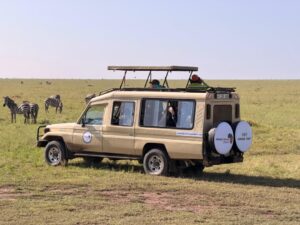
Safaris are normally conducted in specially designed 4×4 vehicles with a pop-up roof. The roof provides visibility while allowing guests to stand safely during wildlife sightings.
Vehicles may include:
- Comfortable passenger seats
- Pop-up viewing roof
- Charging sockets or USB ports
- Seatbelts
- Cooler or fridge
- Radio communication
- First-aid equipment
- Drinking water
- Limited luggage space
Ask how many guests will travel in each vehicle and whether everyone will receive a window seat. For comfort, guests should bring soft-sided luggage rather than large hard suitcases.
Group Safari Versus Private Safari
Both options provide rewarding experiences, but they are suitable for different travelers.
| Group Ruaha Safari | Private Ruaha Safari |
|---|---|
| Lower cost per traveler | Higher overall cost |
| Fixed departure and itinerary | Greater schedule flexibility |
| Shared vehicle and guide | Dedicated vehicle and guide |
| Social travel experience | More privacy |
| Decisions consider the whole group | Activities match personal interests |
| Good for solo travelers | Good for families and photographers |
| Usually fixed accommodation category | Easier to customize accommodation |
A group safari is ideal for flexible travelers who enjoy meeting people. A private safari is better for guests who want complete control over timing, photography stops, accommodation and daily activities.
Ruaha Group Safari Cost
The price depends on several factors:
- Number of safari days
- Number of travelers in the vehicle
- Accommodation category
- Season of travel
- Starting location
- Park and concession fees
- Type of vehicle
- Meals and drinks included
- Domestic flights or road transportation
- Additional destinations
- Optional activities
Traveling by road and using camping or budget accommodation normally produces a lower price. Flying to Ruaha saves time but increases the overall cost.
Request a written quotation showing exactly what is included and excluded. This helps you compare offers fairly and avoid unexpected expenses.
The cheapest quotation is not always the best choice. Consider the company’s licensing, vehicle condition, guide quality, communication, safety procedures and accommodation standards.
How to Make the Safari More Affordable
Travelers can manage costs by:
- Joining a scheduled group departure
- Traveling with friends
- Selecting camping or budget accommodation
- Booking early
- Avoiding last-minute domestic flights
- Choosing a road safari when enough time is available
- Traveling during selected quieter periods
- Combining services in one package
- Confirming all fees before paying
You should never choose an unusually cheap safari without checking what has been removed. Park fees, reliable transportation, professional staff and adequate meals are essential parts of a safe experience.
Meals and Dietary Requirements
Safari packages commonly include breakfast, lunch and dinner during the tour. Lunch may be served as a picnic inside the park, while dinner is normally provided at the campsite, lodge or tented camp.
Inform the operator in advance if you require:
- Vegetarian meals
- Vegan meals
- Gluten-free food
- Halal meals
- Food-allergy management
- Child-friendly meals
- Low-salt or other medical diets
Early notice gives the accommodation and safari team enough time to prepare suitable food. Travelers with serious allergies should also carry appropriate medication and clearly explain the severity of the allergy.
Packing List for Ruaha
Pack lightly and focus on practical safari clothing and personal essentials.
Recommended items include:
- Neutral-colored shirts and trousers
- Light jacket or fleece
- Comfortable closed shoes
- Sandals for the accommodation
- Sun hat
- Sunglasses
- Sunscreen
- Insect repellent
- Personal medication
- Camera and extra batteries
- Binoculars
- Power bank
- Reusable water bottle
- Small backpack
- Travel documents
- Toiletries
- Hand sanitizer
- Rain jacket during wetter months
Avoid unnecessarily bright clothing during game drives. Neutral shades such as khaki, beige, brown, olive and light green blend well with the environment.
Mornings can be cool, while midday temperatures can become hot. Wearing layers allows you to adjust easily.
Photography Tips
Ruaha’s animals, baobab trees, river systems and wilderness landscapes create outstanding photographic opportunities.
For better results:
- Carry spare batteries and memory cards
- Use a zoom lens for distant wildlife
- Keep the camera accessible
- Protect equipment from dust
- Photograph during softer morning and evening light
- Avoid sudden movement near animals
- Listen to the guide’s safety instructions
- Take both close-up and wide landscape photographs
- Ask before photographing local people
- Bring personal binoculars when possible
A shared tour must balance the interests of all guests. Serious photographers who need extended time at each sighting may prefer a private photography safari.
Responsible Safari Practices
Responsible tourism helps protect Ruaha’s wildlife and supports surrounding communities.
Guests should:
- Never feed wild animals
- Avoid throwing rubbish from the vehicle
- Remain quiet around sensitive animals
- Follow park rules
- Keep a safe distance from wildlife
- Avoid pressuring the guide to drive off-road illegally
- Use refillable water bottles where possible
- Respect local customs
- Support responsible accommodations
- Avoid purchasing products made from wildlife
- Follow instructions from guides and rangers
Wild animals should always be treated with respect. A good sighting does not require disturbing an animal or blocking its path.
Safety During the Safari
Ruaha is a wilderness environment containing potentially dangerous animals. A professionally organized safari is generally safe when guests follow instructions.
Important safety rules include:
- Do not leave the vehicle without permission
- Never approach wildlife on foot by yourself
- Keep arms and personal belongings inside the vehicle when required
- Remain inside your tent or room at night
- Ask for an escort when walking through unfenced camps
- Do not store food inside a camping tent
- Keep children supervised
- Follow all instructions from guides and camp staff
- Inform the guide about medical conditions
- Carry suitable travel insurance
The guide understands animal behavior and park regulations. Always respect their decisions, even when an animal appears calm.
How to Reach Ruaha National Park
Ruaha can be reached by road or domestic flight.
Traveling by Road
A road safari is normally more affordable and is often used for group departures. The journey can be long, but it provides views of Tanzanian landscapes and local life.
Road conditions vary by season, so travel time should be treated as approximate.
Traveling by Air
Scheduled or charter flights may connect Ruaha with major tourism centers and other safari destinations. Flying reduces travel time and is convenient for guests combining Ruaha with Zanzibar or another national park.
Flight schedules, baggage limits and operating days should be confirmed before booking. Small safari aircraft usually have strict luggage restrictions, and soft-sided bags are recommended.
Who Should Join a Group Ruaha Safari?
This safari is suitable for:
- Solo travelers
- Couples
- Friends traveling together
- Budget-conscious visitors
- Wildlife enthusiasts
- Birdwatchers
- Adventure travelers
- First-time visitors to Tanzania
- Repeat visitors seeking a quieter park
- Travelers comfortable sharing a vehicle
It may be less suitable for guests who require complete privacy, highly flexible schedules, specialized photography arrangements, or exclusive vehicle use.
Booking Tips
Before confirming your safari, ask the operator:
- How many people will be in the vehicle?
- Is a window seat provided?
- Which accommodation is included?
- Are park fees included?
- Which meals and drinks are provided?
- Where does the safari begin and finish?
- Are airport transfers included?
- What happens if the minimum group size is not reached?
- What deposit is required?
- What is the cancellation policy?
- Is the company licensed?
- What type of vehicle will be used?
- Is travel insurance required?
- Are there any additional charges?
- How much luggage can be carried?
A reliable company should answer these questions clearly and provide a detailed itinerary and payment terms.
Book Your Group Ruaha Safari Experience
A group Ruaha safari experience combines affordability, adventure and exceptional wildlife viewing in one of Tanzania’s most remarkable wilderness areas. From elephants wandering beneath ancient baobab trees to lions resting beside dry riverbeds, every day introduces a new side of the park.
With a professional guide, a well-maintained safari vehicle and a carefully planned itinerary, you can concentrate on enjoying the wildlife and scenery while the safari team manages the logistics.
Contact Kilipath African Safaris for available group departure dates, accommodation options and a personalized quotation. Share your travel dates, number of travelers, preferred safari duration and accommodation level, and our team will help you choose the most suitable Ruaha adventure.
Suggested call to action:
Contact us today to check availability and reserve your seat on an unforgettable group Ruaha safari.