Planning a group Tanzania safari trip is one of the most exciting ways to explore East Africa. You can watch lions on the plains of the Serengeti, see elephants beneath ancient baobab trees in Tarangire National Park, descend into the Ngorongoro Crater, and share every unforgettable moment with friends, relatives, colleagues, or other travelers.
Group travel can also make a safari more affordable. Transport and guide costs are shared, while each traveler still enjoys the beauty, wildlife, and adventure of Tanzania. However, choosing the correct route, travel dates, accommodation, and group size is important. This guide explains everything you should know before booking.
What Is a Group Tanzania Safari Trip?
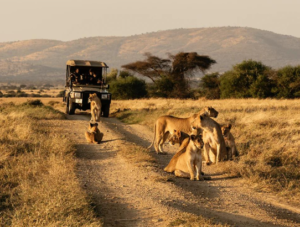
A group safari brings several travelers together in one safari vehicle and follows a planned itinerary. The group may consist of friends or family members booking together, or individual travelers joining a scheduled departure.
There are two common options:
- Private group safari: Your family, friends, association, or work team travels in a dedicated vehicle with its own guide. The itinerary can normally be customized.
- Shared joining safari: Individual travelers reserve seats on an established departure and share the vehicle with other guests. This is especially popular among solo travelers and couples seeking an affordable safari.
At Kilipath African Safaris, a shared safari normally carries no more than seven travelers in a 4×4 Land Cruiser. Every guest is provided with a window seat, making it easier to observe and photograph wildlife.
Why Choose a Group Safari in Tanzania?
Lower safari costs
The safari vehicle, fuel, and guide are among the major expenses of a Tanzania safari. In a group, these costs are divided among several travelers. This makes it possible to visit world-famous parks while keeping the price lower than that of a private trip.
A sociable travel experience
A group safari allows you to meet people from different countries and backgrounds. Game drives, meals, and evenings at camp create natural opportunities to talk, exchange stories, and enjoy the journey together.
Professional organization
The operator plans the route, park entries, accommodation, meals, and game drives. This is useful for first-time visitors who want a well-organized experience without managing every detail independently.
Safety and local expertise
An experienced safari guide understands animal behavior, park regulations, road conditions, and the best wildlife areas. The guide also communicates with other guides to improve the group’s chances of finding memorable sightings.
Best Parks for a Group Tanzania Safari Trip
Serengeti National Park
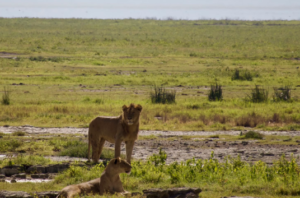
The Serengeti is Tanzania’s most celebrated safari destination. Its open plains support lions, leopards, cheetahs, elephants, giraffes, hyenas, and vast herds of grazing animals. It is also the setting for the Great Migration, during which wildebeest and zebras move through different parts of the ecosystem throughout the year.
Most standard group itineraries visit the Central Serengeti because it offers reliable wildlife viewing and is accessible in every season. Trips to the remote Northern Serengeti or the seasonal Ndutu migration area usually require a private safari because shared departures follow fixed routes.
Ngorongoro Crater
The Ngorongoro Crater is a spectacular volcanic caldera with a remarkable concentration of wildlife. After descending to the crater floor, travelers may encounter lions, buffaloes, zebras, wildebeest, hippos, elephants, and, with some luck, the endangered black rhino.
The crater is commonly included in three-day, four-day, and five-day Northern Circuit group safaris. Early entry is recommended because wildlife is active and the crater becomes busier later in the day.
Tarangire National Park
Tarangire is known for its large elephant population, beautiful baobab trees, and the Tarangire River. During the dry season, the river attracts wildlife from the surrounding landscape, creating excellent viewing opportunities.
The park is approximately a two-hour drive from Arusha and is therefore an excellent first destination on a group safari. Travelers should avoid wearing very dark blue or black clothing here because these colors can attract tsetse flies.
Lake Manyara National Park
Lake Manyara combines groundwater forest, woodland, wetlands, and views of the Great Rift Valley escarpment. Visitors may see elephants, baboons, monkeys, giraffes, hippos, and many bird species. Wildlife distribution can change as the lake level expands or contracts, but its scenery makes it a pleasant addition to a longer itinerary.
Arusha National Park
Located close to Arusha, this compact park is suitable for a day trip before or after a longer safari. It offers views of Mount Meru, forest wildlife, giraffes, buffaloes, and the Momella Lakes. Canoeing and guided walking activities may be arranged where available.
Recommended Group Safari Itineraries
Three-day Serengeti and Ngorongoro safari
This short route focuses on Tanzania’s two most famous wildlife areas. Travelers drive from Arusha to the Serengeti, enjoy game viewing, stay overnight inside or near the park, and finish with a crater tour before returning to Arusha.
It is suitable for visitors with limited time, although the driving distances are long.
Four-day Tarangire, Serengeti, and Ngorongoro safari
This is one of the most popular group itineraries. A typical schedule includes:
- Tarangire National Park and an overnight stay near Karatu or Mto wa Mbu.
- Drive to Serengeti National Park with game viewing en route.
- Morning Serengeti game drive, followed by a journey toward Ngorongoro.
- Ngorongoro Crater game drive and return to Arusha.
This itinerary offers an excellent balance of landscapes, wildlife, travel time, and cost.
Five-day Northern Circuit safari
A five-day safari may add Lake Manyara or provide extra time in the Serengeti. It is a better choice for travelers who want a more relaxed pace and additional opportunities for wildlife photography.
Six- or seven-day group safari
Longer trips allow more time for game drives and may include additional parks or cultural activities. Before booking, confirm whether every destination is offered as a shared departure. Remote locations often require a private vehicle.
Camping or Lodge Accommodation?
Budget camping
Camping is generally the most affordable choice. Guests sleep in tents at public campsites, and the safari team provides a mattress, sleeping bag, pillow, and camping equipment. A chef prepares the meals. Toilets and showers are shared, and hot water may not always be available.
Camping offers an adventurous atmosphere, particularly in the Serengeti, where travelers can hear the sounds of nature after dark. Guests must follow the guide’s safety instructions and should never walk around the campsite alone at night.
Lodge and tented-camp safaris
Lodge safaris provide rooms or permanent canvas tents with private bathrooms. Depending on the chosen category, accommodation may range from comfortable mid-range lodges to luxury camps with swimming pools, scenic dining areas, and premium service.
A mixed itinerary is also possible on some departures, combining a lodge stay with one or more camping nights. Always check the exact accommodation before confirming your reservation.
What Is Usually Included?
A well-organized group Tanzania safari trip commonly includes:
- Transport in a 4×4 safari Land Cruiser with a pop-up roof
- Services of a professional English-speaking guide
- Park entrance and Ngorongoro Crater service fees
- Accommodation stated in the itinerary
- Meals during the safari
- Drinking water throughout the trip
- Camping equipment and a safari chef on camping tours
- Game drives and transfers specified in the program
International flights, visas, travel insurance, alcoholic drinks, optional activities, and gratuities are normally excluded unless clearly stated. Ask for a written list of inclusions and exclusions before paying a deposit.
Best Time for a Group Safari in Tanzania
Tanzania offers rewarding wildlife experiences throughout the year, but each season has different advantages.
June to October
The long dry season provides excellent general wildlife viewing. Animals gather near water sources, vegetation becomes thinner, and roads are usually easier to navigate. July through October is also associated with migration viewing in the Northern Serengeti, although this region is normally visited on a private itinerary.
December to March
This is a warm and attractive travel period. The southern Serengeti and Ndutu area become important during the calving season, which generally peaks around January and February. A private safari is usually required for a route focused on Ndutu.
April and May
These are typically the wettest months. Visitor numbers are lower, the landscapes are green, and some properties offer reduced rates. Heavy rain can occasionally affect roads and game-drive schedules.
November
Short rains may occur, but they are often interrupted by clear periods. This can be a good time for travelers seeking green scenery and fewer vehicles.
How Much Does a Group Tanzania Safari Cost?
The price depends on the number of days, accommodation standard, parks visited, season, and whether the trip is private or shared. Camping departures are normally the lowest-priced option, while lodge and luxury safaris cost more.
When comparing quotations, do not look only at the total price. Confirm whether the following items are included:
- All national park fees
- Ngorongoro Crater fees
- Taxes and VAT
- Meals and drinking water
- Airport or hotel transfers
- Pre- and post-safari accommodation
- Domestic flights, if required
A cheaper quotation may exclude an important fee or offer less time inside the parks. Compare itineraries on a like-for-like basis.
Important Group Safari Rules and Expectations
A joining safari follows a shared schedule. Travelers should be ready at the agreed departure time and respect the interests of the whole group. The guide balances wildlife sightings, meal stops, driving times, and park-entry requirements.
Shared safaris are less flexible than private tours. If you are a professional photographer, have young children, require frequent breaks, or want to remain at individual sightings for long periods, a private group safari may be more suitable.
For most joining departures, travelers must arrive in Arusha at least one day before the safari. Departures often begin around 5:00–6:00 a.m., and the final return to Arusha is commonly around 5:00–6:00 p.m., depending on traffic and road conditions. Avoid booking a tight flight connection immediately after the safari.
What to Pack
Pack lightly and use a soft-sided travel bag where possible. Useful items include:
- Neutral-colored, lightweight clothing
- A warm jacket for cool mornings and Ngorongoro
- Comfortable closed shoes
- Sun hat, sunglasses, and sunscreen
- Insect repellent
- Camera, memory cards, and spare batteries
- Personal medication and basic toiletries
- Small day bag
- Reusable water bottle
- Passport and travel documents
Binoculars may be shared in the vehicle, but keen birdwatchers and photographers should consider bringing their own.
Food and Dietary Requirements
Safari meals may include hot lunches, packed lunches, breakfasts, and dinners, depending on the daily program. Vegetarian, vegan, halal, allergy-sensitive, and other dietary requirements can normally be accommodated when communicated in advance.
Provide clear details when booking and remind the operator before departure. Travelers with serious allergies should carry appropriate medication and explain the level of cross-contamination risk.
Group Safari Etiquette
A positive attitude helps everyone enjoy the journey. Be punctual, keep noise low near animals, ask before photographing other guests, and avoid blocking another person’s view for an extended period. Follow the guide’s instructions and never feed wildlife.
It is customary to tip the guide and camping chef after good service. A commonly suggested guideline is around USD 10 per traveler per day for the guide and chef team, although tipping remains voluntary and should reflect the quality of service.
How to Choose a Reliable Safari Operator
Choose a company that communicates clearly and provides a detailed itinerary. Ask about the vehicle, maximum group size, window seats, accommodation, cancellation terms, and payment methods. Read recent guest reviews and make sure the company can respond promptly before and during the trip.
A trustworthy operator should explain the realities of driving distances and shared travel instead of promising an unrealistic schedule. They should also confirm every major cost in writing.
Book Your Group Tanzania Safari Trip
A group Tanzania safari trip combines outstanding wildlife, beautiful landscapes, shared adventure, and excellent value. Whether you prefer an affordable camping tour, a comfortable lodge itinerary, or a private journey for friends and family, the right plan will help you experience Tanzania at its best.
Contact Kilipath African Safaris to receive a customized itinerary or join one of our scheduled group departures. Tell us your travel dates, number of travelers, preferred accommodation, and budget, and our safari team will help you create an unforgettable Tanzania adventure.