Skip to content

A group Tanzania wildlife safari package is one of the most practical ways to experience Tanzania’s famous national parks while sharing the cost of transportation, professional guiding and other safari services with fellow travelers.
Instead of booking an entire safari vehicle privately, travelers join a small scheduled group and explore destinations such as Serengeti National Park, Ngorongoro Crater, Tarangire National Park and Lake Manyara National Park together.
Tanzania is particularly suitable for wildlife safaris because of its extraordinary combination of large protected areas, diverse ecosystems and impressive wildlife populations. The Tanzania Tourist Board highlights wildlife safaris among the country’s signature travel experiences, including opportunities to encounter the Big Five and explore numerous national parks and conservation areas.
For solo travelers, couples, friends and budget-conscious adventurers, group safaris can offer an excellent balance between affordability and a genuine African wildlife experience.
This complete guide explains how group Tanzania wildlife safari packages work, the destinations commonly included, sample itineraries, accommodation options, expected costs, wildlife encounters and important things to consider before booking.
What Is a Group Tanzania Wildlife Safari?
A group safari is a wildlife tour where several travelers share the same safari vehicle and guide.
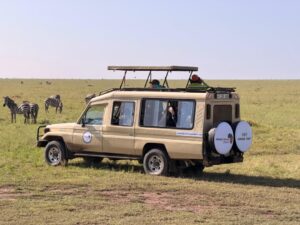
Most Tanzania group safaris operate using a specially modified 4×4 Land Cruiser with a pop-up roof, allowing passengers to stand safely during wildlife viewing and photography.
A typical small group might include around 4–7 travelers depending on the operator and vehicle configuration.
The passengers normally follow the same itinerary, including:
- National parks
- Game-drive schedules
- Accommodation
- Meal arrangements
- Departure times
- Safari route
Because transportation and guiding costs are divided among several travelers, group safaris are usually cheaper than equivalent private safaris.
Why Choose a Group Tanzania Wildlife Safari?
There are several reasons why travelers choose group safari packages instead of private tours.
Lower Safari Cost
One of the biggest advantages is affordability.
The safari vehicle, fuel and professional driver’s expenses represent a significant portion of safari operating costs. When these expenses are shared among multiple travelers, the cost per person becomes considerably lower.
Group safari packages therefore allow travelers to visit Tanzania’s major wildlife destinations without necessarily paying premium private-safari prices.
Meet Other Travelers
Group safaris can also be highly social.
You may share the vehicle with people from several countries who have the same interest in wildlife and African travel.
Long journeys between national parks often become an opportunity to exchange travel experiences and make new friends.
Ideal for Solo Travelers
Solo travelers particularly benefit from scheduled group departures.
A private safari for one traveler can be expensive because that traveler effectively pays most of the vehicle and guide costs.
Joining other safari guests allows the same traveler to spread those expenses across the group.
Professional Safari Guide
A good safari guide does considerably more than drive the vehicle.
Guides help travelers locate animals, interpret wildlife behavior, identify birds, explain ecosystems and understand Tanzania’s conservation landscape.
They also communicate with other guides through safari radio networks, which can help locate significant wildlife sightings.
Top Destinations Included in Group Tanzania Wildlife Safari Packages
Northern Tanzania contains some of Africa’s most celebrated wildlife destinations.
The most popular group packages usually combine several of the following areas.
1. Serengeti National Park
Serengeti National Park is usually the centerpiece of a Tanzania wildlife safari.
Its name is associated with enormous open plains, predator sightings and the famous Great Wildebeest Migration.
Visitors may encounter:
- Lions
- Leopards
- Cheetahs
- Elephants
- Giraffes
- Buffaloes
- Hippos
- Hyenas
- Zebras
- Wildebeest
- Gazelles
- Numerous bird species
The experience changes considerably depending on the part of the Serengeti being visited and the season.
Central Serengeti, particularly the Seronera region, is popular for year-round wildlife viewing.
Migration-focused safaris may travel toward Ndutu during the southern migration season or toward Northern Serengeti during the Mara River crossing period.
However, standard budget group tours normally concentrate on Central Serengeti because it is easier to combine with Ngorongoro within shorter itineraries.
2. Ngorongoro Crater
Ngorongoro Crater offers a very different safari experience.
Visitors descend from the crater rim into a huge volcanic caldera containing grassland, marshes, woodland and freshwater areas.
During a crater game drive, travelers may encounter:
- Lions
- Buffaloes
- Zebras
- Wildebeest
- Hippos
- Hyenas
- Gazelles
- Elephants
- Black rhinoceros
Ngorongoro is frequently included in group safari itineraries because travelers can experience substantial wildlife diversity within a comparatively compact area.
It also works naturally with Serengeti because the conservation area lies between Serengeti and the towns of Karatu and Arusha.
3. Tarangire National Park
Tarangire is particularly famous for elephants and baobab trees.
TANAPA describes the park as an important elephant destination and notes that dry-season wildlife is strongly associated with the Tarangire River and surrounding habitats.
Animals frequently encountered include:
- Elephants
- Lions
- Zebras
- Wildebeest
- Giraffes
- Impalas
- Buffaloes
- Warthogs
- Baboons
The combination of gigantic baobabs and large elephant herds makes Tarangire especially attractive for photographers.
The national park is approximately a few hours by road from Arusha, making it a common first destination on northern circuit safaris. TANAPA currently advises roughly 2.5–3 hours of road travel from Arusha depending on route and conditions.
4. Lake Manyara National Park
Lake Manyara is another northern circuit destination frequently included in longer group packages.
The park sits beneath the Great Rift Valley escarpment and contains a mixture of groundwater forest, lake environments and open habitats.
Wildlife may include:
- Elephants
- Giraffes
- Buffaloes
- Zebras
- Hippos
- Baboons
- Monkeys
- Lions
- Numerous birds
TANAPA highlights Lake Manyara’s groundwater forests, birdlife and reputation for tree-climbing lions.
Lake Manyara lies roughly 2–2.5 hours from Arusha by road, which makes it convenient to combine with Tarangire and Ngorongoro.
Popular Group Tanzania Wildlife Safari Packages
The best package depends mainly on how many days you have available.
2-Day Group Safari
A short safari may include:
Day 1 – Tarangire National Park
Day 2 – Ngorongoro Crater
This package is suitable for travelers with limited time.
Although it does not include Serengeti, visitors can still experience impressive wildlife diversity.
Best for:
- Short holidays
- Budget travelers
- Zanzibar visitors adding a quick mainland safari
- Travelers combining safari with Kilimanjaro
3-Day Group Tanzania Wildlife Safari
One of the most popular short itineraries is:
Day 1: Arusha – Serengeti
Day 2: Serengeti – Ngorongoro area
Day 3: Ngorongoro Crater – Arusha
This itinerary focuses on Tanzania’s two most internationally recognized safari destinations.
Because driving distances are considerable, the days are relatively intensive, but it provides travelers with both Serengeti and Ngorongoro in a short period.
Suitable for:
- Solo travelers
- Couples
- Backpackers
- Students
- Travelers visiting Tanzania for limited periods
4-Day Group Tanzania Wildlife Safari
A four-day safari creates a more balanced itinerary.
Example itinerary:
Day 1 – Tarangire National Park
Depart Arusha in the morning and drive toward Tarangire.
Spend the day exploring baobab landscapes and searching for elephants, lions, giraffes and other wildlife.
Overnight near Karatu or at a safari campsite depending on package type.
Day 2 – Serengeti National Park
Travel through the Ngorongoro highlands toward Serengeti.
Enjoy an afternoon game drive after entering the national park.
Overnight in Serengeti.
Day 3 – Serengeti to Ngorongoro
Start with another Serengeti wildlife drive before slowly traveling toward the Ngorongoro Conservation Area.
Overnight near the crater.
Day 4 – Ngorongoro Crater
Descend into Ngorongoro Crater for a major wildlife drive.
After lunch and further wildlife viewing, return toward Arusha.
5-Day Group Tanzania Wildlife Safari
A five-day safari offers travelers more time in the parks and reduces the feeling of rushing between destinations.
A popular route is:
Day 1: Tarangire National Park
Explore elephant country and the Tarangire River ecosystem.
Day 2: Serengeti National Park
Drive toward Central Serengeti while watching wildlife along the way.
Day 3: Full Serengeti Game Drive
Spend a complete day exploring different areas of Serengeti.
This extra day can greatly increase wildlife-viewing opportunities.
Day 4: Serengeti – Ngorongoro
Enjoy another morning game drive before traveling toward Ngorongoro.
Day 5: Ngorongoro Crater – Arusha
Descend into the crater for the final game drive before returning to Arusha.
6-Day Group Tanzania Wildlife Safari
Travelers who have almost a week available can visit four major destinations.
A typical itinerary could include:
Day 1: Tarangire
Day 2: Serengeti
Day 3: Serengeti
Day 4: Serengeti – Ngorongoro
Day 5: Ngorongoro Crater
Day 6: Lake Manyara – Arusha
This package gives travelers more time for game drives while also increasing habitat diversity.
7-Day Group Tanzania Safari
A seven-day group safari can provide one of the most complete northern Tanzania experiences.
It may combine:
- Tarangire
- Serengeti
- Ngorongoro
- Lake Manyara
- Maasai cultural visit
- Additional Serengeti game drives
Longer safaris are particularly attractive for travelers interested in wildlife photography because more time in the parks means more opportunities to wait for animal behavior rather than immediately moving toward the next destination.
Camping Group Safari Packages
Camping is generally the most economical group safari style.
Travelers normally sleep in tents at designated safari campsites.
Depending on the operator, camping safari packages may provide:
- Tent
- Sleeping mattress
- Sleeping bag
- Pillow
- Camping chairs
- Meals
- Safari cook
- Shared campsite bathroom facilities
Camping places travelers close to the natural environment.
At night you may hear hyenas, distant lions or other wildlife from the surrounding ecosystem.
However, travelers should understand that camping facilities are more basic than lodge accommodation.
Lodge Group Safari Packages
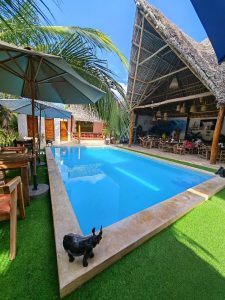
Group safaris can also use lodges or permanent tented camps.
A lodge-based package may provide:
- Private bedroom
- Private bathroom
- Bed
- Hot shower
- Restaurant
- Electricity
- Lounge areas
- Wi-Fi at some properties
These tours usually cost more than camping packages but provide greater comfort.
Some group itineraries combine camping and lodge accommodation to balance budget and comfort.
What Is Usually Included?
Exact inclusions depend on the operator, but group Tanzania wildlife safari packages commonly include several core components.
Typical inclusions may be:
- 4×4 safari vehicle
- Professional driver-guide
- National park entry fees
- Game drives
- Accommodation
- Meals while on safari
- Drinking water
- Camping equipment when applicable
- Crater service fees
- Government taxes where specified
- Pickup and drop-off in Arusha
Official Tanzania tourism package examples similarly show common components such as safari vehicles, driver-guides, park fees, game drives, meals, accommodation and transfers, although every traveler should verify the exact terms of their chosen operator.
What Is Usually Not Included?
Common exclusions include:
- International flights
- Tanzania visa
- Travel insurance
- Personal expenses
- Alcohol
- Tips
- Optional activities
- Laundry
- Premium lodge drinks
- Balloon safaris
- Additional accommodation before or after the safari unless specified
Always read the booking inclusions carefully.
Two safari packages that look similar in price may contain substantially different services.
How Much Do Group Tanzania Wildlife Safari Packages Cost?
There is no single fixed safari price.
The cost varies according to:
- Number of safari days
- Accommodation category
- National parks visited
- Season
- Group size
- Park fees
- Fuel prices
- Optional activities
Camping tours usually provide the lowest-priced option.
Mid-range lodge safaris cost more, while luxury accommodation can significantly increase the package price.
Tanzania’s park charges also vary according to park, visitor category, age, vehicle and activity. TANAPA maintains an official tariff system and recommends checking current fees during trip planning.
Therefore, travelers should request a current quotation instead of relying heavily on prices from old travel blogs.
Group Safari vs Private Safari
Both styles offer advantages.
| Group Safari | Private Safari |
|---|---|
| Lower cost per traveler | Higher overall cost |
| Shared vehicle | Exclusive vehicle |
| Fixed itinerary | Flexible itinerary |
| Fixed departure schedule | Flexible departure |
| Social experience | More privacy |
| Ideal for solo travelers | Excellent for families |
| Limited changes during safari | Easier itinerary customization |
Choose a group safari when affordability is your priority.
Choose private when flexibility, privacy or highly specialized wildlife interests are more important.
Animals You May See During a Tanzania Group Safari
No ethical safari operator can guarantee wild animal sightings.
However, northern Tanzania has extraordinary wildlife diversity.
Lions
Serengeti and Ngorongoro are among the strongest destinations for observing lions.
They may be seen:
- Resting under trees
- Walking across tracks
- Hunting
- Feeding
- Interacting with cubs
Elephants
Tarangire is particularly famous for elephants.
Travelers may observe breeding herds, solitary bulls or elephants gathering near water.
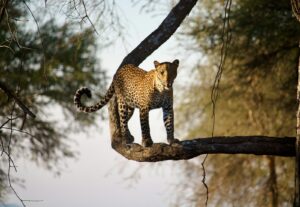
Leopards
Leopards are more difficult to locate.
Safari guides often check large trees, rocky areas and river corridors where these secretive cats may rest.
Cheetahs
Serengeti’s open grasslands provide excellent cheetah habitat.
They may be observed scanning the plains from termite mounds or stalking gazelles.
Black Rhinoceros
Ngorongoro provides opportunities to search for black rhinoceros.
Sightings are never guaranteed, and the animals may remain far from safari tracks.
Wildebeest and Zebra
Huge populations occur across the Serengeti ecosystem.
During migration periods, travelers may encounter extraordinarily large herds.
The Great Wildebeest Migration
Many travelers select Tanzania because they want to witness the Great Migration.
The migration is a continuous ecosystem-wide movement rather than a single event occurring in one location.
Wildlife patterns depend on rainfall, grass conditions and water availability.
Broadly, different periods may favor different regions.
December to March
Herds commonly gather in the southern Serengeti and Ndutu ecosystem.
This period is particularly famous for calving.
April to June
Many herds begin moving northward through the Serengeti ecosystem.
July to October
Northern Serengeti can become particularly important as herds approach and sometimes cross the Mara River.
November
Short rains can influence movement back toward the southern plains.
Because animals are wild, exact migration locations cannot be guaranteed months in advance.
Best Time for Group Tanzania Wildlife Safari Packages
Tanzania offers wildlife viewing throughout the year.
The best period depends on what you want to see.
June to October
The dry season is one of the most popular safari periods.
Vegetation is often thinner and animals may concentrate around permanent water sources.
Demand for safari accommodation can also be high during these months. TANAPA advises advance booking in Tarangire during its peak June–October dry season.
January to March
This is an excellent period for travelers interested in the southern Serengeti/Ngorongoro ecosystem and migration-related calving activity.
April and May
Rainfall can be more substantial.
However, visitors may enjoy:
- Greener landscapes
- Lower lodge rates in some areas
- Fewer vehicles
- Dramatic photography conditions
November and Early December
The short-rain period can create beautiful landscapes and interesting wildlife conditions.
Starting Your Group Safari from Arusha
Arusha is the primary gateway for Tanzania’s northern safari circuit.
Most group safaris start from accommodation in or around Arusha.
International visitors typically arrive through Kilimanjaro International Airport (JRO).
Domestic travelers may also use Arusha Airport (ARK).
Depending on your arrival time, it is normally wise to spend the night in Arusha before joining an early safari departure.
This gives you time to:
- Recover from your flight
- Attend a safari briefing
- Organize luggage
- Exchange currency if needed
- Buy any last-minute essentials
Traveling from Zanzibar to a Tanzania Group Safari
Safari-and-Zanzibar combinations are extremely popular.
Travelers enjoying a beach holiday in Zanzibar can fly to:
- Arusha
- Kilimanjaro
- Serengeti airstrips
For budget group tours, flying into Arusha before the safari is often the easiest option because most shared departures originate there.
Travelers should ideally arrive the day before their group departure unless the flight schedule is specifically coordinated with the safari company.
Safari Vehicles
The standard northern Tanzania safari vehicle is usually a modified 4×4 Land Cruiser.
Useful vehicle features can include:
- Pop-up viewing roof
- Charging sockets
- Cooler
- Large windows
- Radio communication
- First-aid equipment
- Storage space
- Seatbelts
Before booking a group package, ask how many passengers are normally placed in each vehicle.
A smaller group generally provides better photography access and a more comfortable safari.
Photography During a Group Safari
Group safaris can be excellent for photography, but travelers should remember that everyone shares the vehicle.
Bring:
- Camera
- Extra batteries
- Memory cards
- Lens cleaning cloth
- Dust protection
- Power bank
- Binoculars
- Telephoto lens if available
A lens in the general 200–400mm range can be particularly useful for wildlife, although excellent safari images can also be made with phones and compact cameras.
What to Pack
Keep your safari luggage practical.
Useful items include:
- Neutral-colored clothes
- Lightweight shirts
- Comfortable trousers
- Warm fleece or jacket
- Hat
- Sunglasses
- Sunscreen
- Insect repellent
- Camera
- Binoculars
- Power bank
- Reusable water bottle
- Personal toiletries
- Small backpack
- Comfortable closed shoes
Ngorongoro mornings can be considerably cooler than the Serengeti plains, so bringing warm clothing is particularly important.
Safari Safety
Wildlife safaris are generally safe when travelers follow instructions from guides and park authorities.
Important rules include:
- Never leave the vehicle without permission.
- Do not feed wildlife.
- Keep noise low around animals.
- Never approach wildlife on foot unless participating in an authorized guided activity.
- Remain on designated tracks where required.
- Follow your guide’s instructions.
TANAPA specifically advises visitors to remain inside vehicles except at designated areas, respect wildlife distances and follow ranger guidance.
How to Choose the Right Group Safari Company
Price should not be the only consideration.
Before booking, evaluate the following factors.
1. Group Size
Ask how many passengers will share the vehicle.
2. Vehicle Quality
Confirm that the tour uses a suitable 4×4 safari vehicle.
3. Accommodation
Request the exact accommodation or campsite names whenever possible.
4. Inclusions
Check whether park fees, meals, water and accommodation are included.
5. Reviews
Read recent traveler feedback on trusted review platforms.
6. Communication
A professional operator should explain itinerary details, payment terms and exclusions clearly.
7. Emergency Support
Confirm that the company has support contacts during the safari.
Who Should Choose a Group Safari?
Group Tanzania wildlife safari packages are particularly suitable for:
Solo Travelers
Sharing costs makes safari considerably more accessible.
Couples
Couples can experience a full safari without hiring an entire private vehicle.
Friends
Friends traveling together may join an existing scheduled departure.
Backpackers
Camping group packages can reduce costs significantly.
First-Time Safari Travelers
Fixed itineraries simplify planning.
Who May Prefer a Private Safari?
Private safaris may be more appropriate for:
- Families with young children
- Honeymoon couples
- Professional photographers
- Travelers seeking luxury
- Guests with mobility concerns
- Travelers who want highly flexible schedules
- People visiting Northern Serengeti
- Travelers requiring specialist guides
Recommended Group Safari for First-Time Travelers
For travelers visiting Tanzania for the first time, a 4-day or 5-day group wildlife safari is often an excellent choice.
A strong itinerary combines:
Tarangire + Serengeti + Ngorongoro Crater
Why?
Tarangire provides elephants and baobab landscapes.
Serengeti provides vast savannah, predators and enormous populations of plains animals.
Ngorongoro provides a concentrated wildlife experience inside one of Tanzania’s most remarkable landscapes.
Together they create an excellent introduction to northern Tanzania.
Final Thoughts
Group Tanzania wildlife safari packages make it possible to experience some of Africa’s greatest wildlife destinations while sharing safari expenses with other travelers.
Whether you choose a short 3-day Serengeti and Ngorongoro safari, a classic 4-day Tarangire–Serengeti–Ngorongoro route, or a longer 5–7 day northern circuit adventure, Tanzania offers extraordinary opportunities to observe animals in the wild.
For travelers wanting the strongest combination of value and experience, look for a small-group package using a 4×4 Land Cruiser, an experienced professional guide, clearly stated park fees, comfortable accommodation and a well-planned itinerary.
A thoughtfully organized group safari can deliver everything many travelers imagine when dreaming about Africa: sunrise over the Serengeti, elephants beneath giant baobabs, lions resting in the grass and an unforgettable descent into Ngorongoro Crater.
Suggested Call to Action
Ready to explore Tanzania with other adventure-loving travelers?
Kilipath African Safaris can organize small-group Tanzania wildlife safari packages covering Serengeti, Ngorongoro Crater, Tarangire and Lake Manyara, with camping and lodge options available.
Contact Kilipath African Safaris to check available group departure dates, safari itineraries and current prices.