Skip to content
A group Tanzania wildlife safari travel guide helps travelers experience Tanzania’s spectacular national parks while sharing transportation and safari costs with other adventurers. From elephant herds in Tarangire to lions on the Serengeti plains and black rhinos inside the Ngorongoro Crater, a group safari offers an affordable and sociable way to discover Tanzania’s wildlife.
At Kilipath African Safaris, we organize professionally guided group safaris with carefully planned itineraries, comfortable safari vehicles and guaranteed window seats. Whether you are traveling alone, as a couple or with friends, joining a group allows you to enjoy an authentic Tanzania safari without paying the higher cost of a private tour.
This complete guide explains how group safaris work, the best places to visit, accommodation choices, approximate costs, what to pack and how to select the right itinerary.
What Is a Group Tanzania Wildlife Safari?
A group Tanzania wildlife safari is a shared tour where several travelers follow the same itinerary in one safari vehicle. Participants may come from different countries, but they travel together, visit the same national parks and share the services of a professional safari guide.
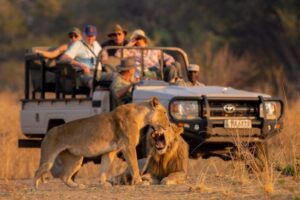
At Kilipath African Safaris, our joining groups normally accommodate up to seven guests in a specially equipped 4×4 safari Land Cruiser. Every traveler receives a window seat and can enjoy unobstructed views through the vehicle’s photographic roof.
A typical group safari includes:
- Transportation in a 4×4 safari vehicle
- A professional English-speaking safari guide
- National park and conservation fees
- Accommodation according to the selected package
- Meals during the safari
- Drinking water
- Game drives
- Pick-up and drop-off in Arusha
- Camping equipment when booking a camping safari
- Government taxes and applicable fees
The exact inclusions depend on the itinerary, so travelers should always review their quotation carefully before booking.
Why Choose a Group Safari in Tanzania?
Group safaris have become popular among solo travelers, couples, students and budget-conscious adventurers. They provide many of the same wildlife experiences as private safaris but at a more accessible price.
Lower Safari Cost
Transportation and guide expenses represent a significant part of a Tanzania safari price. On a group tour, these costs are divided among the participants, making the journey more affordable.
You still visit renowned parks and travel in a proper safari vehicle, but you do not carry the entire operational cost alone.
Guaranteed Safari Companions
Solo travelers do not need to wait until they find friends or relatives who can travel with them. They can join an existing departure and meet other people who share their interest in wildlife, photography and African culture.
Many travelers finish their safari with new international friendships.
Guaranteed Window Seats
A window seat is extremely important during a wildlife safari. It provides a clear view and makes photography more enjoyable.
Kilipath African Safaris limits the number of passengers in each group vehicle so every guest receives a window seat. The pop-up roof also allows travelers to stand safely and observe wildlife from different angles.
Regular Departures
Group safaris normally operate on scheduled departure dates. During popular travel periods, departures may be available frequently, making it easier to include a safari within a broader Tanzania or Zanzibar holiday.
Professional Organization
Joining a group does not mean sacrificing safety or organization. A reputable local operator handles park permits, accommodation reservations, meals, transportation and guiding services.
You can concentrate on enjoying the wildlife while the operational team manages the details.
Best Destinations for a Group Tanzania Wildlife Safari
Northern Tanzania is the most popular region for shared safaris because its famous parks can be connected by road. The principal destinations are Tarangire, Serengeti, Ngorongoro and Lake Manyara.
Tarangire National Park
Tarangire National Park is known for its ancient baobab trees, impressive landscapes and large elephant population. It is often the first stop on a Northern Circuit group safari because it can be reached from Arusha in approximately two to three hours, depending on traffic and road conditions.
Wildlife commonly seen in Tarangire includes:
- Elephants
- Lions
- Giraffes
- Zebras
- Wildebeest
- Impalas
- Warthogs
- Waterbucks
- Baboons
- Numerous bird species
During the dry season, animals gather around the Tarangire River, which remains an essential source of water. This concentration can produce excellent wildlife sightings.
Tarangire is particularly suitable for travelers who love elephants and dramatic African scenery.
Serengeti National Park
Serengeti National Park is one of Africa’s most celebrated wildlife destinations. Its name is associated with endless plains, abundant predators and the Great Wildebeest Migration.
The Central Serengeti, also called Seronera, is regularly included in group itineraries. Its permanent water sources support wildlife throughout the year, making it a reliable area for game viewing.
Possible sightings include:
- Lions
- Leopards
- Cheetahs
- Elephants
- Buffaloes
- Giraffes
- Hyenas
- Hippos
- Crocodiles
- Wildebeest
- Zebras
- Gazelles
The migration changes location according to rainfall and grazing conditions. Although no operator can guarantee a specific wildlife event, an experienced safari consultant can recommend the most suitable region for your travel month.
Standard joining safaris usually visit Central Serengeti because reaching distant areas such as Northern Serengeti requires additional driving time and accommodation arrangements. Travelers specifically seeking Mara River crossings may be better suited to a longer private migration itinerary.
Ngorongoro Crater
The Ngorongoro Crater is one of the most extraordinary wildlife areas in Tanzania. Its enclosed ecosystem supports a high concentration of animals within a relatively small area.
During a crater game drive, travelers may encounter:
- Lions
- Spotted hyenas
- Buffaloes
- Hippos
- Zebras
- Wildebeest
- Elephants
- Flamingos
- Golden jackals
- Black rhinos
The black rhino is rare and never guaranteed, but the Ngorongoro Crater is among Tanzania’s notable locations for a possible sighting.
Safari vehicles descend from the crater rim to the floor in the morning. Guests normally enjoy several hours of wildlife viewing before ascending and continuing toward Arusha or their next accommodation.
The highlands can be cold, particularly early in the morning. A warm jacket is strongly recommended.
Lake Manyara National Park
Lake Manyara National Park lies below the dramatic wall of the Great Rift Valley. Although it is smaller than Serengeti and Tarangire, it contains varied habitats, including groundwater forest, open grassland and lakeshore environments.
The park is associated with:
- Baboons
- Blue monkeys
- Elephants
- Giraffes
- Zebras
- Hippos
- Buffaloes
- Waterbirds
- Diverse forest birds
Wildlife conditions vary with seasonal rainfall and lake levels. Lake Manyara works well as an additional destination on a five-day group safari, especially for visitors who want to experience several different ecosystems.
How Many Days Do You Need for a Group Safari?
The right safari length depends on your available time, budget and preferred destinations.
Two-Day Group Safari
A two-day safari normally combines Tarangire National Park with the Ngorongoro Crater. It is suitable for travelers with limited time, but the schedule can be busy.
This option provides two distinct environments: Tarangire’s baobab-filled landscape and the wildlife-rich crater floor.
Three-Day Group Safari
A three-day safari may combine Serengeti and Ngorongoro or visit Tarangire, Ngorongoro and Lake Manyara. The itinerary structure depends on the scheduled departure.
Travelers whose main priority is Serengeti should confirm that enough time is allocated for game viewing because the drive between Arusha and Serengeti is long.
Four-Day Group Safari
A four-day itinerary is one of the most balanced choices. A common route includes:
- Day 1: Arusha to Tarangire National Park
- Day 2: Tarangire area to Serengeti National Park
- Day 3: Serengeti game drive and transfer toward Ngorongoro
- Day 4: Ngorongoro Crater and return to Arusha
This package introduces travelers to three of Tanzania’s most important wildlife destinations.
Five-Day Group Safari
A five-day safari allows travelers to include Lake Manyara or enjoy additional time within the Northern Circuit.
A possible itinerary is:
- Day 1: Tarangire National Park
- Day 2: Serengeti National Park
- Day 3: Serengeti National Park
- Day 4: Ngorongoro Crater
- Day 5: Lake Manyara National Park and return to Arusha
This option is ideal for first-time visitors seeking a broader wildlife experience.
Six- or Seven-Day Group Safari
A longer group safari gives travelers more time for game drives and reduces the feeling of rushing between destinations. Depending on the package, it may include extra nights near Serengeti, comfortable lodge accommodation or additional cultural experiences.
For most first-time travelers, four to seven days provides a rewarding introduction to Tanzania’s Northern Circuit.
Camping and Lodge Group Safaris
Travelers can choose between budget camping, lodge accommodation or a combination of both.
Budget Camping Safari
Camping is usually the most economical option. Guests sleep at designated campsites in or near the national parks.
Kilipath African Safaris provides essential camping equipment, including:
- Safari tent
- Mattress
- Sleeping bag
- Pillow
- Camping chairs and dining equipment
A safari chef accompanies the group and prepares meals. Campsites generally have shared toilets and shower facilities, although standards vary by location.
Camping offers an adventurous atmosphere and allows travelers to remain close to nature. At night, you may hear lions roaring, hyenas calling or zebras moving beyond the campsite. Guests receive a safety briefing and must follow the instructions of their guide and camp staff.
Midrange Lodge Safari
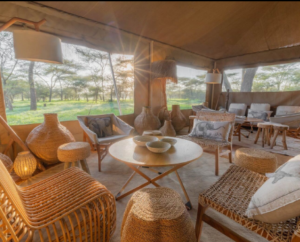
A midrange safari uses lodges or tented camps with proper beds, private bathrooms and additional comfort. Some properties have swimming pools, restaurants, gardens or scenic views.
Tented camps are permanent or semi-permanent accommodation facilities rather than ordinary camping tents. They often contain:
- Comfortable beds
- En-suite bathrooms
- Hot showers
- Electricity or solar power
- Dining facilities
- Private verandas
A midrange group safari costs more than camping but provides greater privacy and comfort.
Mixed Accommodation Safari
Some itineraries combine camping and lodge stays. This gives travelers the excitement of sleeping inside or near the wilderness while also enjoying selected nights in comfortable accommodation.
Group Safari Versus Private Safari
Both options provide excellent wildlife experiences, but they serve different travel preferences.
| Feature | Group Safari | Private Safari |
|---|---|---|
| Vehicle | Shared with other travelers | Reserved for your party |
| Cost | More affordable | Generally higher |
| Itinerary | Fixed or semi-fixed | Highly flexible |
| Departure time | Agreed by the group | Based on your preference |
| Companions | International travelers | Your own party |
| Best for | Solo travelers and budget-conscious guests | Families, photographers and honeymooners |
| Special destinations | Limited by the group route | Easier to customize |
| Pace | Shared decision-making | Personalized |
Choose a group safari if affordability and meeting new people are priorities. Choose a private safari if you need maximum flexibility, have young children, want specialized photography time or wish to explore remote migration areas.
What Happens During a Typical Safari Day?
A safari day usually begins early because wildlife is often active during the cooler morning hours.
After breakfast, the group enters the park and begins its game drive. The guide searches for animals, interprets their behavior and explains the surrounding ecosystem.
Lunch may be served at a designated picnic site. Depending on the itinerary, the group may continue with an afternoon game drive or transfer to the next destination.
In the evening, guests arrive at their campsite, lodge or tented camp for dinner and rest.
Schedules remain flexible because wildlife sightings, road conditions and park regulations can affect the day. Patience is an important part of safari travel—animals move freely, and sightings are never staged.
Best Time for a Tanzania Group Safari
Tanzania offers wildlife viewing throughout the year, but every season has a different character.
June to October: Dry Season
The dry season is a popular time for safaris. Vegetation becomes thinner, and wildlife often gathers around rivers and permanent water sources.
Advantages include:
- Excellent general wildlife viewing
- Lower rainfall in many Northern Circuit areas
- Easier wildlife photography
- Popular migration activity in Western or Northern Serengeti, depending on the month
This is also a busy travel period, so early reservations are advisable.
November and December: Short Rains
Short rains refresh the landscape and attract migratory birds. Showers are often temporary, although weather patterns cannot be predicted precisely.
Travelers may enjoy green scenery and fewer visitors than during peak months.
January to March: Calving Period
The Southern Serengeti and Ndutu region can host large concentrations of wildebeest during the calving season. Predator activity may also be intense.
Most standard group safaris follow fixed Central Serengeti routes. Travelers whose main goal is the Ndutu migration should confirm whether the itinerary specifically includes the Ndutu region.
April and May: Green Season
These are traditionally wetter months. The landscape becomes lush, birdlife is excellent and some accommodations offer attractive seasonal rates.
Rain can make certain roads challenging, but safari vehicles and experienced guides are prepared for changing conditions. This period may appeal to travelers who prefer quieter parks and dramatic scenery.
How Much Does a Group Tanzania Safari Cost?
The cost depends on several factors:
- Number of safari days
- Camping or lodge accommodation
- National parks included
- Number of people in the vehicle
- Season of travel
- Single-room supplements
- Airport transfers
- Additional activities
- Domestic flights
- Pre- and post-safari accommodation
A group camping safari is generally the most affordable choice. Lodge packages cost more because they include private rooms and higher accommodation expenses.
When comparing quotations, do not look only at the final price. Confirm whether the offer includes park fees, crater service fees, meals, taxes, drinking water, transfers and accommodation. An unusually cheap package may exclude important expenses or reduce the time spent inside the parks.
Contact Kilipath African Safaris for an updated quotation based on your dates, group size and preferred comfort level.
Can Solo Travelers Join a Group Safari?
Yes. A joining safari is one of the best options for solo travelers visiting Tanzania.
Instead of paying the full cost of a private vehicle, you join other travelers and divide the transportation expenses. Group departures also provide companionship during meals, game drives and evenings at camp.
Solo travelers should ask about:
- Availability on their intended dates
- Maximum group size
- Single-room or single-tent supplements
- Pick-up arrangements
- Luggage storage
- The group’s planned route
You may arrive alone, but you will rarely feel alone during the safari.
Are Group Safaris Suitable for Couples?
Couples frequently join group safaris, particularly when they want to control their travel budget. They can share a room or tent while participating in game drives with the rest of the group.
A private safari may be more appropriate for honeymooners who value privacy, romantic arrangements and a flexible schedule. However, a well-organized lodge group safari remains a practical option for couples who enjoy social travel.
Are Group Safaris Suitable for Families?
They can be, but families should consider the age and needs of their children. Safari drives can be long, and shared groups must follow the agreed schedule.
A private family safari provides more flexibility for meal breaks, rest periods and shorter game drives. Families with older children who are comfortable with long travel days may enjoy a joining tour.
Parents should speak with a safari consultant before booking so that the most suitable option can be recommended.
What to Pack for a Group Tanzania Safari
Packing light makes it easier to store luggage inside the vehicle. Soft-sided travel bags are normally more practical than large hard-shell suitcases.
Recommended items include:
- Neutral-colored, lightweight clothing
- Warm jacket or fleece
- Comfortable closed shoes
- Sun hat
- Sunglasses
- Sunscreen
- Insect repellent
- Personal medication
- Small first-aid items
- Camera or smartphone
- Spare batteries or power bank
- Charging cables
- Binoculars
- Reusable water bottle
- Small day bag
- Passport and travel documents
- Travel insurance details
Morning and evening temperatures can be cool, particularly near Ngorongoro. Pack layers even when traveling during the warmer months.
Avoid bringing unnecessary valuables. Keep important documents, money and electronics in your day bag.
Photography Tips for Your Safari
You do not need professional equipment to capture beautiful safari memories. A modern smartphone can produce excellent photographs, especially in good light.
For better results:
- Clean your camera lens regularly
- Keep your battery fully charged
- Carry a power bank
- Use silent mode where possible
- Avoid sudden movements near wildlife
- Stabilize your camera against the vehicle
- Photograph animals within their wider landscape
- Listen to your guide’s positioning advice
- Never leave the vehicle without permission
- Respect other guests’ viewing space
If using a professional camera, a telephoto lens is useful for wildlife. Bring enough memory cards because many travelers take more photographs than expected.
Group Safari Etiquette
A shared safari works best when everyone respects the group.
Be Punctual
If the guide schedules breakfast or departure for a particular time, arrive promptly. A delay can reduce everyone’s game-viewing time.
Share Viewing Positions
Every guest should have a fair opportunity to photograph wildlife. Avoid blocking another traveler’s view for an extended period.
Keep Noise Low
Loud conversations can disturb wildlife and affect the experience of other guests.
Discuss Preferences Respectfully
Some travelers want to spend more time photographing predators, while others enjoy birds and landscapes. Communicate politely and let the guide balance the group’s interests.
Follow Safety Instructions
Never leave the vehicle or walk around a campsite without authorization. Wildlife is unpredictable, even when an animal appears calm.
Respect Cultural Differences
Group participants may have different languages, habits and travel styles. Patience and kindness contribute to a memorable journey.
Health and Safety Advice
Before traveling, speak with a qualified medical professional about vaccinations, malaria prevention and personal health requirements. Recommendations depend on your travel history, nationality and complete itinerary.
Travel insurance should cover:
- Medical treatment
- Emergency evacuation
- Trip cancellation
- Travel delays
- Lost or delayed luggage
- Safari activities
Drink enough water, use sun protection and inform your guide about medical conditions that may require assistance.
Always follow park regulations and remain inside the safari vehicle unless your guide confirms that it is safe to exit.
Getting to Arusha
Arusha is the main starting point for Northern Tanzania safaris. Travelers normally arrive through:
- Kilimanjaro International Airport
- Arusha Airport after a domestic flight
- Road transportation from Nairobi
- Domestic connections from Zanzibar or Dar es Salaam
International travelers should consider spending a night in Arusha before starting the safari. This provides time to rest, recover from the flight and attend a safari briefing.
Kilipath African Safaris can assist with airport transfers and accommodation recommendations before and after the tour.
Combining a Tanzania Safari With Zanzibar
A wildlife safari and Zanzibar beach holiday create one of Tanzania’s most popular travel combinations.
Travelers may begin with a safari from Arusha and then fly to Zanzibar for relaxation. Others start their holiday in Zanzibar and take a domestic flight to Arusha before joining the safari.
When planning the connection:
- Allow enough time between separate flight bookings
- Confirm which airport your flight uses
- Avoid tight connections after a long game drive
- Consider an overnight stay when timing is uncertain
- Check baggage allowances for domestic aircraft
A safari consultant can help arrange the itinerary in a logical order and recommend suitable flight times.
Responsible Group Safari Travel
Responsible tourism helps protect Tanzania’s ecosystems and support local communities.
Travelers can contribute by:
- Following national park rules
- Never feeding wildlife
- Avoiding litter
- Reducing single-use plastics
- Respecting local traditions
- Choosing licensed local operators
- Purchasing genuine local crafts
- Asking permission before photographing people
- Conserving water at camps and lodges
- Keeping a safe distance from animals
A responsible guide will never chase animals, block their path or encourage unsafe behavior for a photograph.
How to Choose a Tanzania Group Safari Operator
Before making a reservation, confirm the operator’s identity and what the package includes.
Ask the following questions:
- Is the company legally registered in Tanzania?
- What is the maximum number of passengers?
- Does every traveler receive a window seat?
- Which national parks are included?
- What type of accommodation is provided?
- Are park fees and taxes included?
- Are meals and drinking water included?
- What vehicle will be used?
- What is the payment and cancellation policy?
- Who should be contacted during an emergency?
- Are airport transfers included?
- Are there any additional costs?
Written answers make it easier to compare packages fairly.
Why Book With Kilipath African Safaris?
Kilipath African Safaris is based in Arusha and provides carefully organized Tanzania wildlife experiences for solo travelers, couples, friends and families.
Our group safaris offer:
- Guaranteed window seats
- Professional English-speaking safari guides
- Well-maintained 4×4 safari vehicles
- Pop-up roofs for wildlife viewing
- Carefully selected itineraries
- Camping and lodge options
- Assistance before, during and after the safari
- Flexible advice based on your schedule and budget
- Airport and hotel transfer assistance
- Friendly support from a local Tanzania team
Our aim is to make your journey safe, comfortable and unforgettable from your first inquiry until the end of your safari.
Start Planning Your Tanzania Group Safari
A group safari makes Tanzania’s remarkable wildlife more accessible without removing the excitement of a genuine African adventure. You can explore Tarangire’s elephant country, cross the Serengeti plains and descend into the Ngorongoro Crater while sharing the experience with travelers from around the world.
Whether you prefer an affordable camping safari or a comfortable lodge itinerary, the Kilipath African Safaris team can help you choose the best option for your dates and budget.
Contact Kilipath African Safaris today and let us create your unforgettable group Tanzania wildlife safari. Share your travel dates, number of guests, preferred safari length and accommodation level to receive a personalized quotation.