Lake Manyara vs. Nyerere Safari Prices | Tanzania Guide
A Lake Manyara safari can cost USD 150–220 per person for a shared day trip from Arusha. A published example of a…
Read articleArusha City - Tanzania
Safari & Travel Tips
September 4, 2026 · 14 min read
A guided Lake Manyara safari holiday offers an unforgettable introduction to the wildlife, landscapes and natural beauty of northern Tanzania. Located at the base of the Great Rift Valley escarpment, Lake Manyara National Park is famous for its diverse habitats, large elephant families, playful baboons, colorful birdlife and spectacular views across the alkaline lake.
Although Lake Manyara is smaller than Serengeti National Park and the Ngorongoro Conservation Area, it contains an impressive variety of environments. During one game drive, you may travel through groundwater forests, open grasslands, acacia woodlands, marshes and the lake’s seasonal shoreline.
An experienced safari guide helps you understand these changing habitats and locate animals that can easily be missed when exploring without expert knowledge. Your guide will explain animal behavior, identify birds and share fascinating information about the park’s ecology, history and conservation.
Lake Manyara can be visited as a day trip from Arusha or included in a longer northern Tanzania safari covering Tarangire, Serengeti and Ngorongoro Crater.
A professional guide can transform an ordinary game drive into a meaningful wildlife experience. Safari guides know the park’s tracks, animal territories, water sources and seasonal wildlife movements.
Your guide will listen for alarm calls, study animal footprints and communicate with other guides to locate interesting sightings. They can also position the safari vehicle carefully for better photographs while respecting park regulations and wildlife.
Benefits of booking a guided safari include:
You do not need previous safari experience. Your guide will explain what to expect and help you enjoy every stage of the journey.
Lake Manyara National Park supports a remarkable concentration of wildlife within a relatively small area. The species you encounter will depend on the season, vegetation, water levels and natural animal movements.
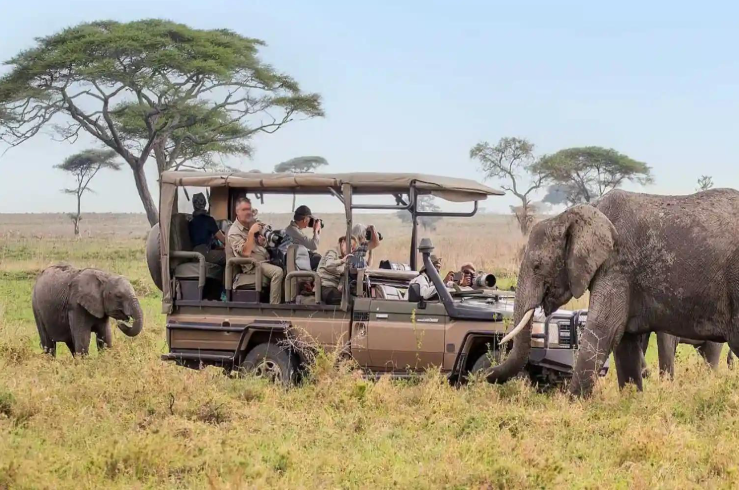
Lake Manyara is especially well known for its elephants. Visitors frequently encounter family groups moving through the forest or feeding near the woodland.
Watching elephants interact is one of the highlights of a guided Lake Manyara safari holiday. Young calves may play beside their mothers while older elephants use their trunks to collect leaves, branches and grass.
Your guide will maintain a respectful distance while finding a suitable position from which you can observe and photograph the animals.
Lake Manyara is traditionally associated with tree-climbing lions. Lions may occasionally rest on acacia branches, particularly during warm periods when they seek shade and relief from insects.
However, tree-climbing behavior is never guaranteed. Lions are wild animals that move freely, and sightings depend on luck, timing and conditions inside the park.
Even if you do not see a lion in a tree, your guide will search suitable areas and explain the theories behind this unusual behavior.
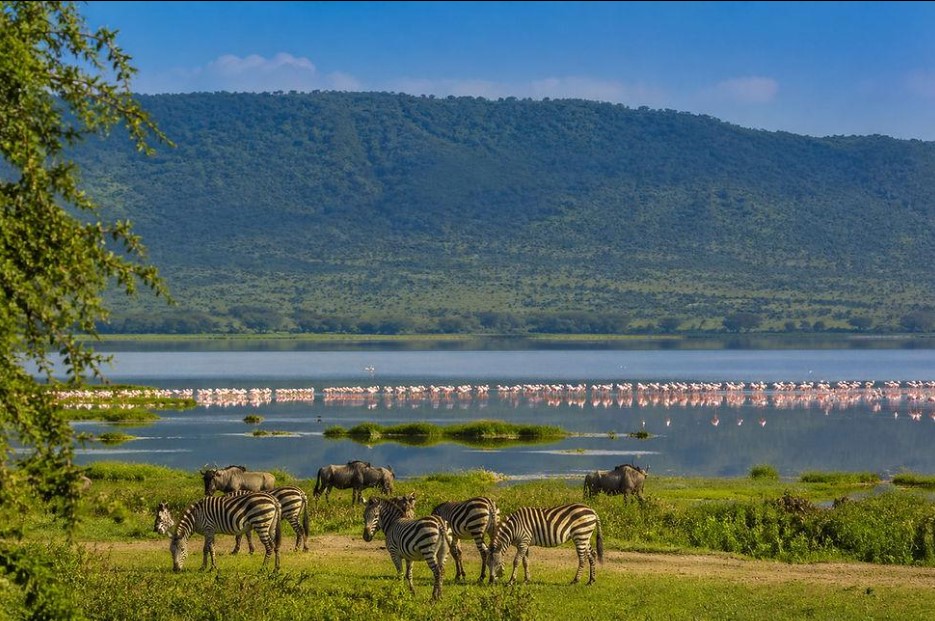
Giraffes can often be observed feeding on acacia trees and other tall vegetation. Zebras, wildebeest and buffaloes may be found in the more open areas, especially where fresh grass and water are available.
The contrast between the elegant giraffes and the dramatic Rift Valley escarpment creates excellent photographic opportunities.
Lake Manyara is famous for its large troops of olive baboons. They are frequently encountered near the forest and along the roadside.
Visitors may observe grooming, feeding, playing and social interactions within the troop. Blue monkeys and vervet monkeys can also be found in the forested sections of the park.
Hippos inhabit the park’s pools and wetland areas. They normally spend much of the day in the water, although they may occasionally be seen grazing on land.
Other possible sightings include:
Leopards are present but naturally elusive. Seeing one requires patience and good fortune.
Lake Manyara is one of northern Tanzania’s most rewarding birdwatching destinations. Hundreds of resident and migratory bird species have been recorded within the park and its surrounding ecosystem.
Depending on the season and lake conditions, visitors may see flamingos feeding along the shoreline. Their numbers vary considerably because water depth, salinity and food availability influence their movements.
Other birds that may be observed include:
Your guide can help identify different species and explain their feeding habits, migration patterns and ecological roles. Binoculars and a camera with a zoom lens are helpful for birdwatching.
Lake Manyara National Park is visually striking because several ecosystems are concentrated within a compact protected area.
Near the park entrance, underground water from the Rift Valley escarpment supports a lush forest. Tall trees, dense vegetation and shaded tracks make this section feel very different from Tanzania’s open savannah parks.
The forest provides habitat for elephants, baboons, blue monkeys, bushbucks and numerous birds.
The acacia woodland is an important feeding area for giraffes, elephants and antelopes. Lions and leopards may also use the woodland for shelter and hunting.
Your guide will carefully scan the branches, bushes and surrounding grass for wildlife.
The open floodplains attract zebras, wildebeest, buffaloes and other grazing animals. Wetland areas support hippos, waterbirds and smaller aquatic species.
Because water levels change throughout the year, the appearance of these areas can vary significantly between visits.
The steep escarpment forms an impressive backdrop to the park. It creates beautiful landscape views and emphasizes the geological forces that shaped this part of East Africa.
Your guided Lake Manyara safari begins with collection from your hotel in Arusha. After meeting your professional driver-guide, you travel southwest through Tanzania’s countryside toward Mto wa Mbu and Lake Manyara National Park.
The drive normally takes approximately two to three hours, depending on traffic and your departure point.
Along the way, you may see farms, villages, banana plantations and views of the Great Rift Valley. Your guide can explain local agriculture, regional geography and daily life in northern Tanzania.
After completing the entrance formalities, you begin your game drive through the groundwater forest. Look for baboons, monkeys, elephants and forest birds.
The environment gradually changes as you continue toward the woodland, floodplains and lake.
A packed lunch is normally served at a designated picnic area. This gives you time to relax, enjoy the surroundings and discuss the morning’s sightings with your guide.
Special dietary requirements can usually be arranged when communicated during booking.
Continue exploring the park in search of giraffes, buffaloes, zebras, antelopes, elephants, hippos and predators.
Your guide will choose the route according to current wildlife information, road conditions and the time available.
After completing the game drive, leave the park and return to Arusha. Arrival is generally in the early evening, although the exact time depends on traffic and the day’s schedule.
You will be dropped off at your hotel or another agreed location.
Lake Manyara fits naturally into many northern Tanzania itineraries.
Day 1: Arusha to Lake Manyara for a game drive, followed by an overnight stay in Mto wa Mbu or Karatu.
Day 2: Early departure for a Ngorongoro Crater game drive, followed by the return to Arusha.
This option combines Lake Manyara’s forests and birdlife with the dense wildlife population of Ngorongoro Crater.
Day 1: Arusha to Tarangire National Park
Day 2: Lake Manyara National Park
Day 3: Ngorongoro Crater and return to Arusha
This itinerary provides three different wildlife environments within a manageable period.
Day 1: Tarangire National Park
Day 2: Lake Manyara National Park
Day 3: Serengeti National Park
Day 4: Serengeti and transfer toward Ngorongoro
Day 5: Ngorongoro Crater and return to Arusha
This is an excellent choice for travelers who want a more complete northern-circuit experience.
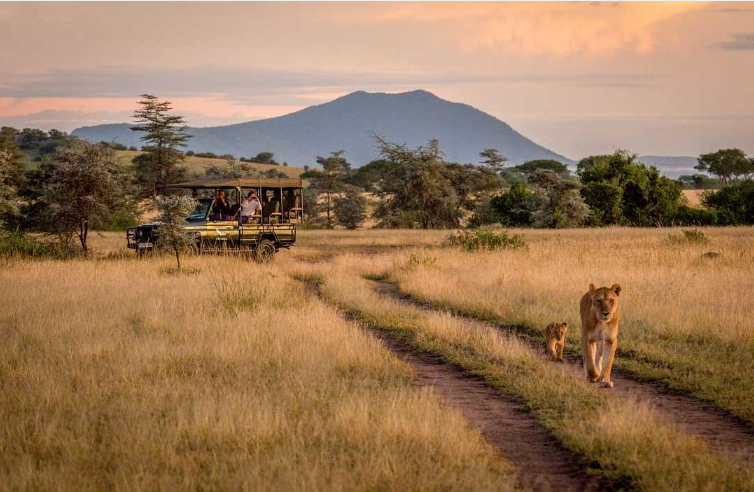
A guided Lake Manyara safari is normally operated in a specially prepared 4×4 Land Cruiser with a pop-up roof. The raised roof allows travelers to stand safely and enjoy unobstructed wildlife views.
Depending on the vehicle and package, amenities may include:
Roads inside the park are natural tracks and can sometimes be dusty, muddy or uneven. Comfortable clothing and practical footwear are recommended.
Lake Manyara can be visited throughout the year. Each season offers a different experience.
The dry season generally offers easier wildlife viewing because animals gather around reliable water sources and vegetation is less dense.
Conditions are usually sunny, although mornings can be cool. This is a popular travel period, so early booking is recommended.
Short rains can refresh the landscape and attract migratory birds. Rain showers are often brief, but conditions vary each year.
The renewed vegetation creates attractive scenery and softer light for photography.
This period is often warm and relatively dry. It is a good time to combine Lake Manyara with other northern Tanzania destinations.
Birdlife remains rewarding, and the green landscapes can be very photogenic.
The main rainy season usually produces lush vegetation, dramatic clouds and fewer visitors. Some roads may become muddy, and wildlife can be more difficult to spot in dense vegetation.
Travelers who appreciate green scenery, birdwatching and quieter parks may still enjoy this season.
A one-day safari does not require accommodation near the park. However, travelers on multi-day itineraries can stay in Mto wa Mbu, Karatu, along the Rift Valley escarpment or at selected properties closer to the park.
Budget options may include campsites, guesthouses and simple lodges. They provide essential facilities at an affordable price.
Public camping generally involves tents and shared bathroom facilities. Camping equipment, mattresses and sleeping bags can be included in organized packages.
Mid-range accommodation normally offers private rooms or tents with ensuite bathrooms, comfortable beds and restaurant facilities.
This category provides a good balance between comfort and price.
Luxury properties may offer spacious rooms, swimming pools, elevated views, fine dining and personalized service.
Some lodges along the Rift Valley escarpment provide panoramic views across the Lake Manyara ecosystem.
Inclusions vary by package, but a guided safari commonly covers:
Multi-day packages may also include accommodation, breakfasts, lunches, dinners and camping equipment.
The following items may not be included unless clearly stated:
Always review the final itinerary and inclusion list before paying your deposit.
The price depends on several factors:
A private safari becomes more economical per person when vehicle costs are shared among several travelers. Shared tours are often better suited to solo travelers with a limited budget.
Request a personalized quotation using your dates, group size and preferred accommodation level to receive an accurate price.
Pack lightly and choose neutral-colored, comfortable clothing.
Recommended items include:
Avoid very bright clothing when possible. Neutral colors such as beige, khaki, brown and olive are practical for safari conditions.
Lake Manyara offers opportunities for wildlife, bird and landscape photography.
For better results:
A private safari is particularly useful for serious photographers because it offers greater control over positioning and the length of each stop.
Responsible tourism helps protect Lake Manyara’s wildlife and supports communities surrounding the park.
Visitors should:
Wildlife sightings are natural experiences and cannot be guaranteed. Patient, respectful observation usually produces the most rewarding encounters.
Mto wa Mbu is a lively town near the entrance to Lake Manyara National Park. It is surrounded by farms and is known for its cultural diversity.
Depending on your schedule, you may add:
A community visit can add cultural depth to your safari, but it should be arranged through a responsible guide who respects residents and local customs.
Tarangire is renowned for its elephants, baobab trees and seasonal wildlife concentrations. It combines easily with Lake Manyara because the parks are relatively close to each other.
Ngorongoro Crater supports an extraordinary range of wildlife within a dramatic volcanic landscape. It is one of the most popular additions to a Lake Manyara safari.
Serengeti offers vast plains, abundant predators and the seasonal movements of the Great Migration. Allow several additional days when adding Serengeti because of the driving distances involved.
Lake Eyasi provides cultural experiences and opportunities to learn about local communities. Visits should be conducted respectfully and with realistic expectations.
After completing a northern Tanzania safari, many travelers fly to Zanzibar for beaches, Stone Town, snorkeling and relaxation.
Yes. Lake Manyara offers varied habitats, elephants, primates, birdlife and beautiful Rift Valley scenery. It is particularly suitable for first-time visitors, families and travelers combining several northern Tanzania parks.
Tree-climbing lions are associated with Lake Manyara, but sightings cannot be guaranteed. Your guide will search areas where lions are most likely to rest.
One full game drive is suitable for most visitors. Lake Manyara can be explored as a day trip or as part of a longer safari itinerary.
Yes. A day trip from Arusha is possible, although an early departure is recommended to maximize wildlife-viewing time.
Yes. The manageable driving distances, varied scenery and frequent sightings of elephants and monkeys can make it an enjoyable family destination.
No. Flamingo numbers depend on water levels, salinity, food availability and seasonal movement. Large concentrations should never be promised.
Organized safaris are generally safe when travelers follow park rules and their guide’s instructions. Wildlife must always be treated with caution and respect.
Vegetarian, vegan, halal and other dietary requirements can generally be arranged with advance notice.
Yes. A private safari includes a dedicated vehicle and guide, offering greater comfort, privacy and flexibility.
Booking early is recommended for travel between June and October and during Christmas and New Year. Last-minute trips may still be possible depending on vehicle and accommodation availability.
A guided Lake Manyara safari holiday is an excellent way to experience Tanzania’s elephants, primates, birdlife and magnificent Rift Valley landscapes. Whether you choose a one-day excursion from Arusha or combine the park with Tarangire, Serengeti and Ngorongoro, an experienced guide will help you make the most of every wildlife encounter.
Contact Kilipath African Safaris with your travel dates, number of guests and preferred accommodation category. We will prepare a personalized itinerary based on your interests, available time and budget.
A Lake Manyara safari can cost USD 150–220 per person for a shared day trip from Arusha. A published example of a…
Read articlePlanning a Tanzania safari that combines Lake Manyara National Park and Nyerere National Park is an excellent way to experience the country's…
Read articlePlanning an unforgettable African wildlife adventure from Zanzibar? Understanding the Tanzania safari package Zanzibar price is an important first step toward choosing…
Read articlePlanning an African wildlife adventure? Understanding the group Tanzania safari price is an important step toward choosing an affordable and unforgettable safari…
Read article