A guided Serengeti safari experience is one of the most rewarding ways to explore Tanzania’s wildlife, landscapes, and extraordinary natural ecosystems. With an experienced safari guide leading the journey, travelers can concentrate on wildlife viewing while someone familiar with the park handles navigation, animal tracking, park procedures, and daily game-drive planning.
The Serengeti is famous worldwide for its vast plains, abundant predators, enormous herds, and the Great Migration. Whether you are visiting Tanzania for the first time, traveling as a couple, joining friends, or planning a family holiday, a guided safari can make the experience easier, safer, and more informative.
What Is a Guided Serengeti Safari Experience?
A guided Serengeti safari normally involves exploring Serengeti National Park in a specially equipped 4×4 safari vehicle accompanied by a professional driver-guide.
Rather than simply driving between wildlife sightings, a knowledgeable guide helps travelers understand what they are seeing. Guides can explain animal behavior, identify different species, interpret tracks, discuss the Serengeti ecosystem, and communicate with other guides to locate areas where wildlife activity is taking place.
A typical safari vehicle has a pop-up roof that allows guests to stand safely during wildlife viewing and photography. Depending on your travel style and budget, you can choose between a private safari and a shared group safari.
Why Explore the Serengeti With a Guide?
The Serengeti covers a huge area, and wildlife is constantly moving. Having a guide who understands the landscape can significantly improve how efficiently you use your safari time.
Guides know important wildlife habitats, seasonal movements, water sources, river systems, and areas frequently visited by predators. They also understand park regulations and appropriate wildlife-viewing distances.
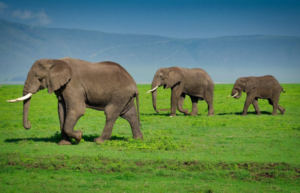
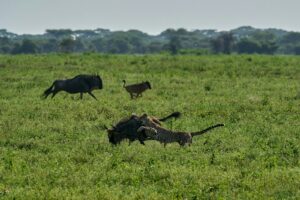
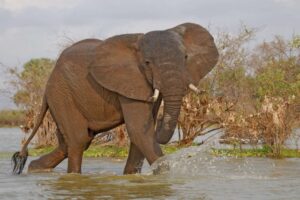
During a guided Serengeti safari experience, you may encounter lions resting beneath acacia trees, elephants crossing the plains, giraffes feeding among woodland areas, cheetahs scanning open grasslands, and large groups of zebra and wildebeest.
Sightings are never guaranteed because these are wild animals living naturally, but that unpredictability is an important part of an authentic safari.
Wildlife You Can See in Serengeti National Park
The Serengeti supports an exceptional variety of wildlife. Travelers commonly hope to see the famous Big Five, although individual sightings depend on location, season, weather, and luck.
Animals you may encounter include:
- Lions
- Leopards
- Cheetahs
- Elephants
- Buffalo
- Giraffes
- Zebras
- Wildebeest
- Hippos
- Hyenas
- Gazelles
- Warthogs
- Crocodiles
- Numerous bird species
The park is particularly famous for its large predator population and the annual movement of wildebeest and zebra through the wider Serengeti-Mara ecosystem.
The Great Migration Experience
For many visitors, seeing the Great Migration is one of the main reasons for booking a guided Serengeti safari.
However, the migration does not remain in one location throughout the year. Herd movements are influenced by rainfall, fresh grazing, and environmental conditions.
From approximately December through April, many wildebeest can be found around the southern Serengeti and Ndutu ecosystem, with the calving period generally associated with the early months of the year.
From around July through October, travelers often focus on the Northern Serengeti, where migrating herds may attempt river crossings.
Because nature does not operate according to an exact timetable, your safari itinerary should be planned around the season rather than assuming that a particular wildlife event will happen on a specific date.
What Happens During a Serengeti Game Drive?
Game drives are the heart of most Serengeti safaris.
Your day may begin early in the morning when wildlife is active and temperatures are cooler. After breakfast or an early departure, you travel across the park with your guide looking for animals and interesting wildlife activity.
When an animal is located, the guide chooses an appropriate viewing position while respecting park regulations. You can observe, photograph, and ask questions about the wildlife.
Some safari days include a picnic lunch inside the park, allowing you to maximize wildlife-viewing time before continuing the afternoon game drive.
After the day’s activities, you return to your campsite, tented camp, or lodge for dinner and overnight accommodation.
Private vs Shared Guided Serengeti Safaris
Choosing between private and shared travel can have a major impact on your safari experience.
A shared safari is generally more affordable because travelers share the vehicle and operating costs. At Kilipath African Safaris, shared safaris use 4×4 Land Cruisers with a maximum of seven travelers and guaranteed window seats.
Private safaris provide a dedicated vehicle and guide. They offer greater flexibility over departure times, stops, photography, accommodation categories, and itinerary design.
Private safaris can be especially suitable for families, honeymooners, photographers, and travelers who want to spend longer at particular wildlife sightings.
Where Can You Stay?
Accommodation is another important part of a guided Serengeti safari experience.
Budget camping offers an adventurous approach to the Serengeti. Travelers stay at public campsites and experience the sounds and atmosphere of the wilderness after the day’s game drive.
Mid-range tented camps provide additional comfort while maintaining a strong connection with nature. Many offer proper beds, private bathrooms, showers, dining facilities, and comfortable common areas.
Luxury camps and lodges provide higher levels of service, premium locations, spacious rooms or tents, and additional amenities.
The right choice depends on your budget and the level of comfort you prefer.
How Many Days Do You Need in the Serengeti?
A short itinerary can introduce you to the Serengeti, but spending additional time generally allows you to explore more areas and enjoy game drives at a more relaxed pace.
A three-day safari combining Serengeti and Ngorongoro can work for travelers with limited time. Four- and five-day itineraries can combine Serengeti with destinations such as Tarangire and Ngorongoro Crater.
Longer private itineraries provide greater flexibility for seasonal wildlife areas such as Northern Serengeti or Ndutu.
When planning, remember that Tanzania’s northern safari destinations involve significant driving distances. A well-designed itinerary should balance travel time with actual wildlife viewing.
Best Time for a Guided Serengeti Safari
The Serengeti can be visited throughout the year, but different months provide different experiences.
The dry season generally makes wildlife easier to observe around available water sources, while greener months bring beautiful scenery, newborn animals in some areas, dramatic skies, and excellent photography opportunities.
If your main objective is the Great Migration, your itinerary should match the expected seasonal location of the herds.
For Northern Serengeti migration experiences, July through October is commonly considered an important period. For Ndutu and the southern ecosystem, December through April is generally more relevant.
What Should You Pack?
Pack comfortable, practical clothing in neutral colors. Lightweight clothes work well during warmer daytime conditions, while a warm jacket is useful for early mornings and especially around the Ngorongoro highlands.
Useful items include sunscreen, sunglasses, a hat, comfortable shoes, mosquito repellent, personal medication, camera equipment, additional batteries or charging equipment, and binoculars.
Avoid packing excessively because safari vehicles and domestic aircraft may have luggage limitations.
Combining Serengeti With Other Tanzania Parks
A Serengeti safari can easily form part of a larger Northern Tanzania itinerary.
Tarangire National Park is known for elephants, baobab landscapes, and diverse wildlife. Ngorongoro Crater provides a very different environment, with wildlife concentrated within the enormous volcanic caldera.
Lake Manyara can also be incorporated depending on your available time and preferred route.
Combining destinations gives travelers a broader understanding of Tanzania because each ecosystem offers different scenery and wildlife experiences.
Guided Serengeti Safari From Zanzibar
Travelers enjoying a Zanzibar beach holiday can also add a Serengeti safari.
Domestic flights can connect Zanzibar with the safari circuit, making a beach-and-safari combination possible without spending unnecessary time traveling overland.
Depending on the itinerary, travelers may fly into the Serengeti and continue their safari by road, or fly between Zanzibar and Arusha before beginning the safari.
This combination is particularly attractive for honeymooners and travelers who want both wildlife adventure and beach relaxation in one Tanzania holiday.
Is a Guided Serengeti Safari Worth It?
For travelers interested in African wildlife, a guided Serengeti safari offers much more than simply seeing animals.
A knowledgeable guide provides context to each sighting. Instead of only seeing a lion, for example, you can learn about pride behavior, hunting strategies, territorial patterns, and the relationship between predators and prey.
The combination of professional guidance, spectacular landscapes, wildlife encounters, and carefully planned logistics makes the Serengeti one of Tanzania’s most memorable safari destinations.
Plan Your Guided Serengeti Safari Experience
A successful Serengeti safari starts with an itinerary designed around the season, your available time, and your preferred travel style.
Kilipath African Safaris offers guided Tanzania safari options ranging from affordable shared adventures to private customized journeys. Travelers can combine Serengeti National Park with Ngorongoro Crater, Tarangire, Lake Manyara, Zanzibar, and other destinations.
Whether you prefer budget camping, comfortable tented lodges, or a private safari experience, careful planning gives you more time to concentrate on what really matters: exploring Tanzania’s remarkable wilderness.