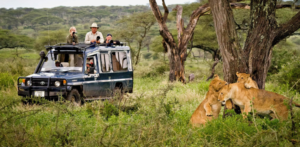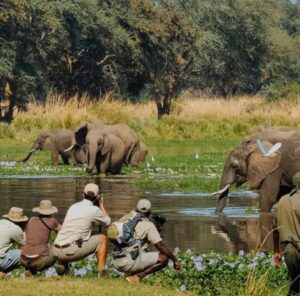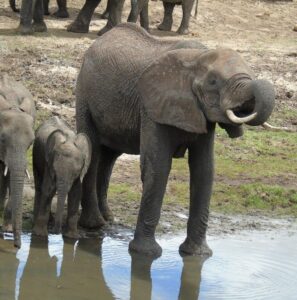
Choosing a guided Tanzania safari company involves more than finding an attractive itinerary. Your operator arranges the vehicle, guide, accommodation, and daily logistics that shape your experience. A clear proposal helps you understand how much time you will spend watching wildlife, where you will sleep, and what your payment covers.
This guide explains what to compare before booking, whether you want a shared camping adventure or a private lodge safari.
What Does a Guided Tanzania Safari Company Do?
A safari company brings together the practical parts of your trip. Depending on the package, these may include airport transfers, park entry arrangements, accommodation, meals, and guided game drives.
Your guide also helps you interpret animal behavior and understand the landscapes you visit. However, wildlife sightings depend on natural conditions. No itinerary can guarantee a particular animal, hunt, or migration crossing.
Ask who will operate your safari. If your booking involves a partner company, clarify the vehicle arrangements, guide language, and main contact before departure.
How to Choose a Safari Company
Check credentials and recent feedback
Ask for the company’s registered business details and current tourism operating licence. Read recent reviews for comments about communication, vehicle condition, guiding, and how the company handled changes.
Tanzania National Parks advises visitors to use licensed operators and roadworthy vehicles. It also emphasizes following gate times and park driving rules. Source: Tanzania National Parks
Request a detailed itinerary
A useful itinerary names each park and overnight stop. It explains when you travel between destinations and when game drives take place.
A “four-day safari” can include substantial driving. Compare the actual time allocated to each park, especially if seeing the Serengeti is your priority.
Confirm accommodation locations
Request lodge or camp names, room arrangements, bathroom facilities, and meal plans. Ask whether proposed properties are confirmed or subject to availability, and how substitutions will be agreed.
Location matters as much as comfort. Staying farther from a park can add travel time to your day.
Private or Shared Guided Safari?
| Safari type | Who it suits | What to clarify |
|---|---|---|
| Shared safari | Travelers who want to share vehicle costs | Group size, seating, fixed route, and accommodation |
| Private safari | Couples, families, and travelers seeking flexibility | Exclusive vehicle use, guide language, and daily pace |
| Camping safari | Travelers comfortable with simple facilities | Bedding, shared bathrooms, towels, and camp setup |
| Lodge or tented camp safari | Travelers seeking greater comfort | Property location, bathroom type, and room category |
Private travel offers more flexibility within park rules, permit limits, and the agreed route. Shared departures follow a coordinated schedule, so special requests should be discussed before booking.
Understanding Safari Costs and Inclusions
Compare written quotations on the same basis: travel dates, number of travelers, route, accommodation, and vehicle arrangement.
Ask whether the price includes:
- Park entry and applicable conservation or concession fees.
- Vehicle, fuel, driver-guide, and game drives.
- Accommodation, meals, and drinking water.
- Airport transfers and accommodation before or after the safari.
- Any domestic flights or optional activities listed in the itinerary.
Also request a clear exclusions list. Tips, drinks, balloon flights, insurance, and personal expenses may be charged separately. Avoid assuming that “all inclusive” covers every part of your holiday.
Planning a Realistic Route
For a first northern Tanzania safari, discuss a route combining Tarangire, Serengeti, and Ngorongoro with your operator. Choose the number of stops around your available time and interests.
An illustrative four-day route is:
- Arusha to Tarangire for a game drive.
- Travel to Serengeti, with wildlife viewing as timing permits.
- Further Serengeti viewing, then travel toward Ngorongoro.
- Ngorongoro Crater visit and return to Arusha.
This is a compact itinerary with long road sections. Adding nights can reduce the pace and provide more time in your preferred park. Confirm the final overnight locations and departure arrangements before booking flights.
When Should You Travel?
Choose dates around your priorities, such as wildlife viewing, photography, birdwatching, or quieter travel periods. Tanzania National Parks describes June to October as generally favorable for wildlife spotting, while rainy periods bring greener scenery and can affect road conditions. Conditions vary between destinations. Source: Tanzania National Parks
If the Great Migration is your main interest, ask which Serengeti area your itinerary visits and why it suits your dates.
Questions to Ask Before Paying
Confirm the deposit, balance deadline, cancellation terms, and date-change conditions in writing. Ask who provides support during the trip and what happens if accommodation or transport arrangements change.
Before making payment, verify the invoice and payment details through the company’s established contact channel.
Plan Your Safari with Kilipath African Safaris
Kilipath African Safaris can help you compare shared and private safari options. Share your dates, group size, preferred parks, accommodation style, and approximate budget to request an itinerary and a clear breakdown of inclusions.