Skip to content

A guided Tanzania wildlife safari adventure is one of the best ways to experience Africa’s spectacular landscapes and extraordinary wildlife. From the endless plains of the Serengeti to the wildlife-rich Ngorongoro Crater and elephant country of Tarangire, Tanzania offers an incredible variety of safari experiences.
Traveling with a professional safari guide makes the journey easier, safer, and more rewarding. Your guide handles navigation, helps identify animals, explains their behavior, and knows where wildlife is most likely to be found.
Why Choose a Guided Tanzania Wildlife Safari?
Tanzania’s national parks are enormous, and wildlife constantly moves according to rainfall, water availability, food, and seasonal conditions. An experienced safari guide understands these movements and can use tracks, animal behavior, sightings from other guides, and local knowledge to improve your wildlife experience.
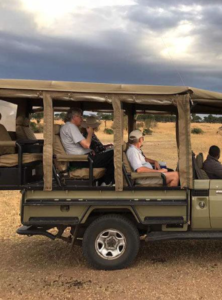
A guided safari also allows you to concentrate on photography and enjoying the scenery rather than worrying about routes and logistics. Most safaris use specially adapted 4×4 vehicles with pop-up roofs, allowing travelers excellent viewing opportunities during game drives.
Best Places for a Tanzania Wildlife Safari
Serengeti National Park is Tanzania’s most famous safari destination. Its vast plains support lions, elephants, giraffes, cheetahs, leopards, buffaloes, zebras, wildebeest and numerous other species. The park is also central to the Great Wildebeest Migration.
Another highlight is Ngorongoro Crater. Descending into the crater provides an opportunity to see a remarkable concentration of wildlife within a relatively compact area. Lions, elephants, buffaloes, hippos, zebras and wildebeest are commonly encountered, while the black rhino is among the most sought-after sightings.
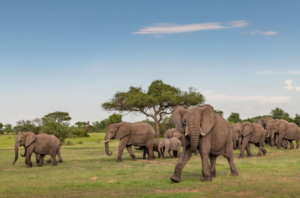
Tarangire National Park is particularly famous for elephants, ancient baobab trees and beautiful landscapes. During the dry season, animals concentrate around the Tarangire River, making wildlife viewing especially rewarding.
Travelers with additional time can also include Lake Manyara National Park, which offers forests, lakeshore scenery, birdlife and diverse habitats.
Sample Guided Tanzania Safari Itinerary
A classic 4-day guided Tanzania wildlife safari adventure can combine three of the Northern Circuit’s major destinations.
Day 1 – Arusha to Tarangire National Park: Depart Arusha in the morning and travel to Tarangire. Spend the day exploring the park with your safari guide before continuing to your campsite or lodge.
Day 2 – Tarangire to Serengeti: Travel toward the Serengeti while enjoying Tanzania’s changing landscapes. After entering the park, continue with an afternoon game drive before heading to your accommodation.
Day 3 – Serengeti to Ngorongoro: Begin with another wildlife drive in the Serengeti. Search for big cats, elephants, giraffes and plains animals before continuing toward the Ngorongoro Conservation Area.
Day 4 – Ngorongoro Crater to Arusha: Descend into Ngorongoro Crater for a game drive. After exploring the crater and having lunch, begin the journey back to Arusha.
Wildlife You Can See
The wildlife diversity is one of the biggest attractions of a Tanzania safari. Depending on your route and season, you may encounter lions, elephants, buffaloes, giraffes, zebras, wildebeest, hippos, cheetahs, hyenas, warthogs, gazelles, antelopes and many species of monkeys and birds.
Leopards and black rhinos can also be seen, although sightings are never guaranteed. This uncertainty is part of the excitement of a genuine wildlife safari.
The Great Wildebeest Migration
For many travelers, the Great Migration is the ultimate Tanzania wildlife experience. Huge herds of wildebeest and zebras move through the Serengeti ecosystem throughout the year in search of grazing and water.
From approximately December through March, the southern Serengeti and Ndutu region become particularly important for the calving season. During the middle of the year, the herds gradually move north, with northern Serengeti becoming an important destination during the river-crossing season.
Because wildlife movements depend heavily on rainfall, exact locations can change from year to year.
Private vs Shared Guided Safaris
Travelers can generally choose between private and shared safari arrangements.
A private safari provides your own vehicle and guide, giving you greater flexibility over departure times, photography stops and the pace of each game drive. It is particularly suitable for couples, families, photographers and travelers seeking a personalized experience.
A shared safari is usually more affordable because transportation and guiding costs are divided among several travelers. It is a good choice for solo travelers, couples and visitors working with a smaller budget.
Camping, Mid-Range or Luxury?
Accommodation can significantly influence the overall safari price.
Budget camping provides a more adventurous experience, often using public campsites with shared bathroom facilities. Mid-range safaris typically use tented camps and lodges offering private rooms or tents with bathrooms. Luxury safaris focus on premium properties, personalized service, excellent locations and additional comfort.
Regardless of accommodation level, the wildlife experience during game drives can still be exceptional.
Best Time for a Guided Tanzania Safari
Tanzania offers wildlife safaris throughout the year.
The June to October dry season generally provides excellent game viewing because vegetation becomes thinner and animals frequently gather near reliable water sources.
The December to March period is particularly attractive for travelers interested in the southern Serengeti and Ndutu calving season.
The green months can offer beautiful landscapes, fewer vehicles in some areas and excellent opportunities for photography and birdwatching.
What Is Usually Included?
A professionally organized guided safari commonly includes a 4×4 safari vehicle, professional driver-guide, national park entry fees, game drives, accommodation according to the selected category, meals during the safari and drinking water.
Packages can differ, so travelers should always confirm whether airport transfers, domestic flights, alcoholic drinks, visas, travel insurance, tips and optional activities are included.
What to Pack
Lightweight clothing in neutral colors works well for most game drives. Bring comfortable shoes, sunscreen, sunglasses, a hat and insect repellent. A warm jacket is useful because early mornings and the Ngorongoro highlands can be surprisingly cool.
Photography enthusiasts should bring spare batteries and sufficient memory-card storage. Binoculars are also extremely useful, especially when animals are farther away from the road.
How Long Should Your Safari Be?
A 3-day safari works well for travelers with limited time, while a 4- or 5-day safari offers a more comfortable introduction to Tanzania’s Northern Circuit.
Travelers with 6–8 days can explore at a slower pace, spend additional time in the Serengeti or combine wildlife viewing with cultural activities. Longer trips can also be combined with Zanzibar for a safari-and-beach holiday.
Is a Guided Tanzania Wildlife Safari Worth It?
For travelers visiting Tanzania for the first time, a professionally guided safari offers major advantages. Local guides understand park routes, wildlife behavior, seasonal movements and the practical challenges of traveling between destinations.
More importantly, a knowledgeable guide can transform a simple animal sighting into a deeper experience by explaining behavior, ecosystems and the relationships between different species.
Frequently Asked Questions
Is Tanzania safe for guided safaris?
Established safari routes are widely used by international travelers. Visitors should follow their guide’s instructions, particularly around wildlife and inside protected areas.
Can children join a Tanzania safari?
Yes. Family safaris can be organized, although itinerary length, accommodation and driving distances should be considered when traveling with young children.
Can I see the Big Five?
Tanzania offers opportunities to see lions, elephants, buffaloes, leopards and black rhinos. However, wildlife is wild, so no responsible safari operator can guarantee every species.
How many days are recommended?
Four to seven days is an excellent range for travelers wanting to explore several Northern Circuit parks without making the itinerary excessively rushed.
Can I combine safari and Zanzibar?
Yes. Safari-and-Zanzibar combinations are extremely popular. Travelers can complete their mainland wildlife safari and then fly to Zanzibar for several days of beach relaxation.
Start Planning Your Tanzania Wildlife Adventure
A guided Tanzania wildlife safari adventure combines spectacular landscapes, fascinating wildlife and the knowledge of experienced local guides. Whether you choose an affordable camping safari, a comfortable mid-range journey or a private luxury experience, Tanzania provides opportunities for unforgettable encounters with nature.
With thoughtful planning, the right itinerary and an experienced guide, destinations such as Serengeti, Ngorongoro and Tarangire can become highlights of an extraordinary African journey.