A guided Tarangire safari adventure is one of the most rewarding ways to experience northern Tanzania. Famous for enormous elephant herds, ancient baobab trees, the life-giving Tarangire River, varied birdlife, and beautiful savannah landscapes, Tarangire National Park offers excellent wildlife viewing in a setting that can feel quieter and more intimate than Tanzania’s larger safari parks.
Located within Tanzania’s Northern Safari Circuit, Tarangire can be visited as a day trip from Arusha or included in a longer itinerary with the Serengeti, Ngorongoro Crater, and Lake Manyara. An experienced safari guide adds enormous value by helping travelers locate wildlife, understand animal behavior, identify birds, and learn about the park’s ecology.
Below are answers to the most common questions travelers ask when planning a guided safari in Tarangire.
What Is a Guided Tarangire Safari Adventure?
A guided Tarangire safari is a wildlife tour through Tarangire National Park accompanied by a professional safari guide, normally using a 4×4 safari vehicle with a pop-up roof.
Instead of simply driving through the park, your guide helps interpret everything happening around you—from elephant family behavior and predator movements to bird calls, tracks, plants, and seasonal wildlife patterns.
Tarangire covers approximately 2,850 square kilometers and takes its name from the Tarangire River, which becomes particularly important to wildlife during the dry months.
A typical guided experience can include:
- Morning and afternoon game drives
- Elephant viewing
- Birdwatching
- Baobab landscape photography
- Visits to areas around the Tarangire River
- Exploration of seasonal swamps such as Silale
- Picnic or bush lunch stops
- Wildlife interpretation by your guide
- Optional walking, balloon, or other activities where available
The trip can range from a single-day safari to several nights inside or around the park.
Why Choose Tarangire National Park?
Tarangire has a character very different from the Serengeti or Ngorongoro Crater.
The landscape combines open grasslands, acacia woodland, river valleys, seasonal wetlands, termite mounds, and huge baobab trees. These habitats support an impressive variety of wildlife.
TANAPA describes Tarangire as especially famous for its elephant concentrations and baobab-dotted landscapes. During the dry season, wildlife congregates around the Tarangire River and other remaining water sources.
For many travelers, Tarangire is particularly appealing because of its combination of:
Elephants: Large family groups are among the park’s signature wildlife experiences.
Baobab trees: The enormous trunks and dramatic shapes create some of Tanzania’s most recognizable safari scenery.
Predators: Lions, leopards, hyenas, and other predators inhabit the park, although sightings can never be guaranteed.
Birdlife: TANAPA reports more than 550 bird species associated with Tarangire, making the area especially attractive to birdwatchers.
Seasonal wildlife concentrations: Zebra, wildebeest, buffalo, giraffe, antelope, and elephants can gather around water sources during the dry months.
What Animals Can You See on a Guided Tarangire Safari?
Wildlife sightings differ according to season, location, weather, and luck, but Tarangire supports an impressive range of mammals.
Common safari sightings can include:
- African elephants
- Giraffes
- Zebras
- Wildebeest
- Buffaloes
- Impalas
- Warthogs
- Baboons
- Vervet monkeys
- Waterbuck
- Dik-diks
- Eland
- Hartebeest
Predators may include lions, leopards, spotted hyenas, cheetahs, and occasionally African wild dogs.
Tarangire is also known for less commonly encountered species such as greater and lesser kudu, gerenuk, and oryx.
A knowledgeable guide improves your chances of spotting animals that might otherwise be overlooked.
For example, an experienced guide may notice fresh tracks across the road, birds giving alarm calls, vehicles gathering at a distant sighting, or unusual animal behavior suggesting that a predator is nearby.
Why Is Tarangire Famous for Elephants?
Elephants are one of Tarangire’s defining attractions.
During dry periods, the Tarangire River and surrounding water sources become particularly important, attracting elephant families from across the wider ecosystem.
Visitors may encounter:
- Mothers with young calves
- Large breeding herds
- Adult bulls
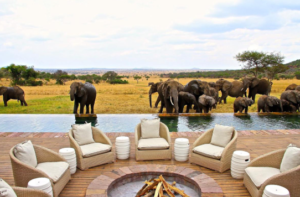
- Elephants bathing or drinking
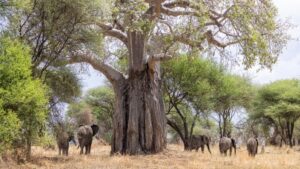
- Herds feeding beneath baobabs
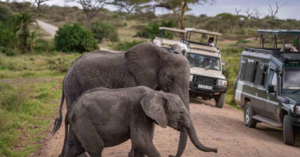
- Elephants crossing safari tracks
Observing elephants with a trained guide also transforms the experience. Your guide can explain how family groups communicate, how calves are protected, and why elephants move between different areas throughout the year.
Always remember that elephants are wild animals. Vehicles should keep an appropriate distance and never block their movement, particularly when they are traveling toward water. TANAPA specifically advises visitors to maintain generous distances from elephants and follow guide instructions.
What Makes Tarangire’s Baobab Trees Special?
Few landscapes say “African safari” quite like an elephant standing beside a gigantic baobab.
Baobabs are an iconic feature of Tarangire. Some grow to impressive dimensions and can survive for extremely long periods.
They also have ecological importance. Their trunks, branches, flowers, and cavities can provide resources or shelter for insects, birds, bats, and small mammals.
During a guided Tarangire safari adventure, your guide can explain traditional stories, ecological relationships, and some of the adaptations that allow these remarkable trees to survive in dry environments.
They are also excellent subjects for photography, particularly in early morning or late-afternoon light.
What Is the Best Time for a Guided Tarangire Safari?
Tarangire is open throughout the year, but the experience changes considerably between seasons.
June to October: Dry Season
The dry season is particularly popular for wildlife viewing.
As seasonal water sources disappear, animals increasingly gather near permanent water and the Tarangire River. TANAPA highlights the dry season as an important period for large concentrations of elephants, zebra, wildebeest, buffalo, and other wildlife.
The landscape becomes golden and dusty, making animals easier to spot in many areas.
November to December: Short Rains
Short rains begin transforming the landscape.
Vegetation becomes greener, bird activity can increase, and photographers often enjoy dramatic skies and fresh scenery.
January to February
These months can provide another attractive window for a Tarangire safari, with generally warm conditions and varied wildlife experiences.
March to May: Green Season
The longer rains usually occur during this period.
The park becomes lush and green, birding can be excellent, and there may be fewer safari vehicles than during the peak dry season.
Some tracks can become muddy, so a capable 4×4 vehicle becomes particularly useful. TANAPA advises travelers that wet-season conditions can make some sections more challenging.
There is therefore no single “bad” season—only different safari experiences.
How Long Should You Spend in Tarangire?
A one-day Tarangire safari is possible and works well for travelers with limited time.
However, staying one or two nights provides a more relaxed experience.
One-Day Safari
A typical day trip from Arusha includes:
Early morning: Depart Arusha and drive toward Tarangire.
Late morning: Enter the national park and begin the game drive.
Midday: Stop for lunch at an appropriate picnic area.
Afternoon: Continue exploring wildlife areas.
Late afternoon: Leave the park and return to Arusha.
TANAPA currently estimates the road journey from Arusha at roughly 2.5–3 hours depending on conditions and route.
Two-Day Tarangire Safari
Staying overnight gives you more opportunity to explore different habitats and enjoy both afternoon and morning game drives.
Three Days or Longer
Travelers particularly interested in photography, elephants, birdwatching, or a slower safari experience may enjoy spending additional time in Tarangire.
What Does a Tarangire Game Drive Feel Like?
A game drive usually takes place in a specially equipped 4×4 safari vehicle.
A pop-up roof allows passengers to stand safely inside the vehicle and enjoy excellent views while photographing wildlife.
Your guide drives slowly through wildlife-rich areas, stopping whenever something interesting appears.
One moment you may be photographing giraffes walking between acacia trees. Twenty minutes later, you could encounter an elephant family crossing the road.
There are also quiet periods—and they are part of the authentic safari experience.
A knowledgeable guide uses these quieter moments to interpret tracks, birds, plants, landscapes, and animal signs while searching for the next sighting.
Is Tarangire Good for Photography?
Yes. Tarangire is particularly photogenic.
Its elephants, baobab trees, open landscapes, river valleys, and dramatic seasonal light provide excellent opportunities for both beginners and experienced wildlife photographers.
Photographic highlights can include:
- Elephants beneath baobabs
- Lions resting in grassland
- Giraffes silhouetted against the horizon
- Colorful birds
- Elephant families at water sources
- Dusty dry-season landscapes
- Green-season scenery
- Sunrise and sunset light
TANAPA lists photographic safaris among the visitor experiences available in the park.
A private guided safari can be particularly useful for photographers because you have greater control over how long you remain at each sighting.
Is Tarangire Good for Birdwatching?
Tarangire is one of Tanzania’s notable birding destinations.
More than 550 bird species are associated with the park according to TANAPA.
Depending on season and habitat, travelers may encounter ostriches, hornbills, lovebirds, bee-eaters, rollers, bustards, kingfishers, vultures, eagles, and many other species.
Bird enthusiasts should inform their safari company before traveling so that a guide with strong birding knowledge can be arranged where possible.
Binoculars also make a significant difference.
Can You Take a Walking Safari in Tarangire?
Guided walking experiences may be available in approved areas and must follow park regulations.
Walking gives travelers a completely different perspective from a vehicle safari.
Rather than concentrating only on large animals, you begin noticing:
- Footprints
- Plants
- Insects
- Droppings
- Animal trails
- Birds
- Smaller wildlife
- Ecological relationships
Walking activities must be accompanied by authorized personnel and follow TANAPA safety requirements.
Availability, location, duration, and fees should therefore be confirmed when arranging your safari.
Can Tarangire Be Combined With Serengeti and Ngorongoro?
Absolutely.
Tarangire is one of the classic destinations on Tanzania’s Northern Safari Circuit and combines naturally with:
Ngorongoro Crater: Famous for concentrated wildlife viewing inside the crater.
Serengeti National Park: Known for vast landscapes, predators, and seasonal Great Migration movements.
Lake Manyara: A smaller northern circuit park with varied habitats.
Tanzania’s official tourism promotion also features Tarangire, Ngorongoro, and Serengeti together as part of the country’s signature northern safari experience.
A popular itinerary might be:
Day 1: Arusha → Tarangire National Park
Day 2: Tarangire → Serengeti
Day 3: Serengeti
Day 4: Serengeti → Ngorongoro
Day 5: Ngorongoro Crater → Arusha
Longer itineraries allow more relaxed game viewing.
What Should You Pack for Tarangire?
For a comfortable guided Tarangire safari, consider bringing:
- Lightweight neutral-colored clothing
- Comfortable closed shoes
- Sun hat
- Sunglasses
- Sunscreen
- Insect repellent
- Camera
- Spare batteries
- Power bank
- Binoculars
- Light jacket or fleece
- Personal medication
- Reusable water bottle
- Small day bag
Neutral colors such as khaki, beige, brown, or olive are practical for safari environments.
Avoid unnecessarily bright clothing and consider avoiding dark blue or black in areas where tsetse flies are present.
TANAPA also recommends neutral clothing, sun protection, drinking water, binoculars, and appropriate insect protection for visitors.
Is a Guided Tarangire Safari Suitable for Families?
Yes.
Tarangire can be an excellent destination for families because elephant sightings are exciting and easy for children to appreciate.
A private safari can be especially convenient for families because departure times, meal stops, and game-drive duration can be adapted more easily.
Parents traveling with young children should discuss:
- Child ages
- Car seats if required
- Accommodation arrangements
- Dietary needs
- Game-drive length
- Swimming-pool availability at lodges
- Walking-safari age restrictions
before confirming the trip.
Where Can You Stay in Tarangire?
Accommodation ranges from simple campsites to tented camps and safari lodges.
Travelers can choose accommodation:
Inside the park: Convenient for maximizing safari time and creating an immersive wilderness experience.
Outside the park: Often provides additional choices across different budgets.
TANAPA lists public campsites, special campsites, tented camps, and lodges among the accommodation possibilities in and around Tarangire.
During the June–October peak safari period, booking early is recommended.
Private or Shared Guided Tarangire Safari?
Both can be excellent options.
Private Safari
A private safari gives your group its own vehicle and guide.
It is suitable for:
- Couples
- Honeymooners
- Families
- Photographers
- Groups of friends
- Travelers wanting maximum flexibility
You can normally spend more time at preferred sightings and customize the pace.
Shared Safari
A shared safari lets you travel with other guests and divide some transportation costs.
It is generally suited to solo travelers, couples, and visitors prioritizing affordability.
The experience remains guided, but daily timing is coordinated with the rest of the group.
Book Your Guided Tarangire Safari Adventure
A guided Tarangire safari adventure offers much more than a chance to photograph elephants. It introduces you to one of northern Tanzania’s most distinctive ecosystems—where giant baobabs rise above the savannah, elephants move between river valleys, birds fill wetlands and woodlands, and every game drive brings a new possibility.
Whether you have just one day or want to include Tarangire in a longer Tanzania safari, Kilipath African Safaris can arrange a private or shared experience tailored to your travel dates, accommodation preference, group size, and budget.
Ready to explore Tarangire National Park? Contact Kilipath African Safaris today and start planning your Tanzania safari adventure.