

Budget Ngorongoro Crater Safari Holiday
Planning a budget Ngorongoro Crater safari holiday from Arusha? Compare a crater day trip, a two-day Tarangire and Ngorongoro safari, or a…
Read articleArusha City - Tanzania
Safari & Travel Tips
August 31, 2026 · 12 min read
A guided Tarangire safari itinerary is one of the best ways to experience Tanzania’s remarkable wildlife, giant baobab trees, beautiful savannah landscapes, and famous elephant herds. Located in northern Tanzania, Tarangire National Park is an excellent destination for travelers looking for an authentic African safari without the crowds commonly associated with some of Tanzania’s larger parks.
Whether you are planning a one-day safari from Arusha, a two-day Tarangire adventure, or a longer Northern Circuit safari combining Tarangire with Serengeti and Ngorongoro Crater, having a professional safari guide makes the experience more rewarding.
This complete guide explains how to plan your guided Tarangire safari itinerary, the best time to visit, wildlife you may encounter, accommodation options, safari activities, packing tips, and suggested itineraries.
Exploring Tarangire National Park with a professional safari guide gives travelers a deeper understanding of the park and its wildlife.
Experienced safari guides know where animals are most likely to gather during different seasons. They also understand animal behavior, birdlife, landscapes, and the best areas for photography.
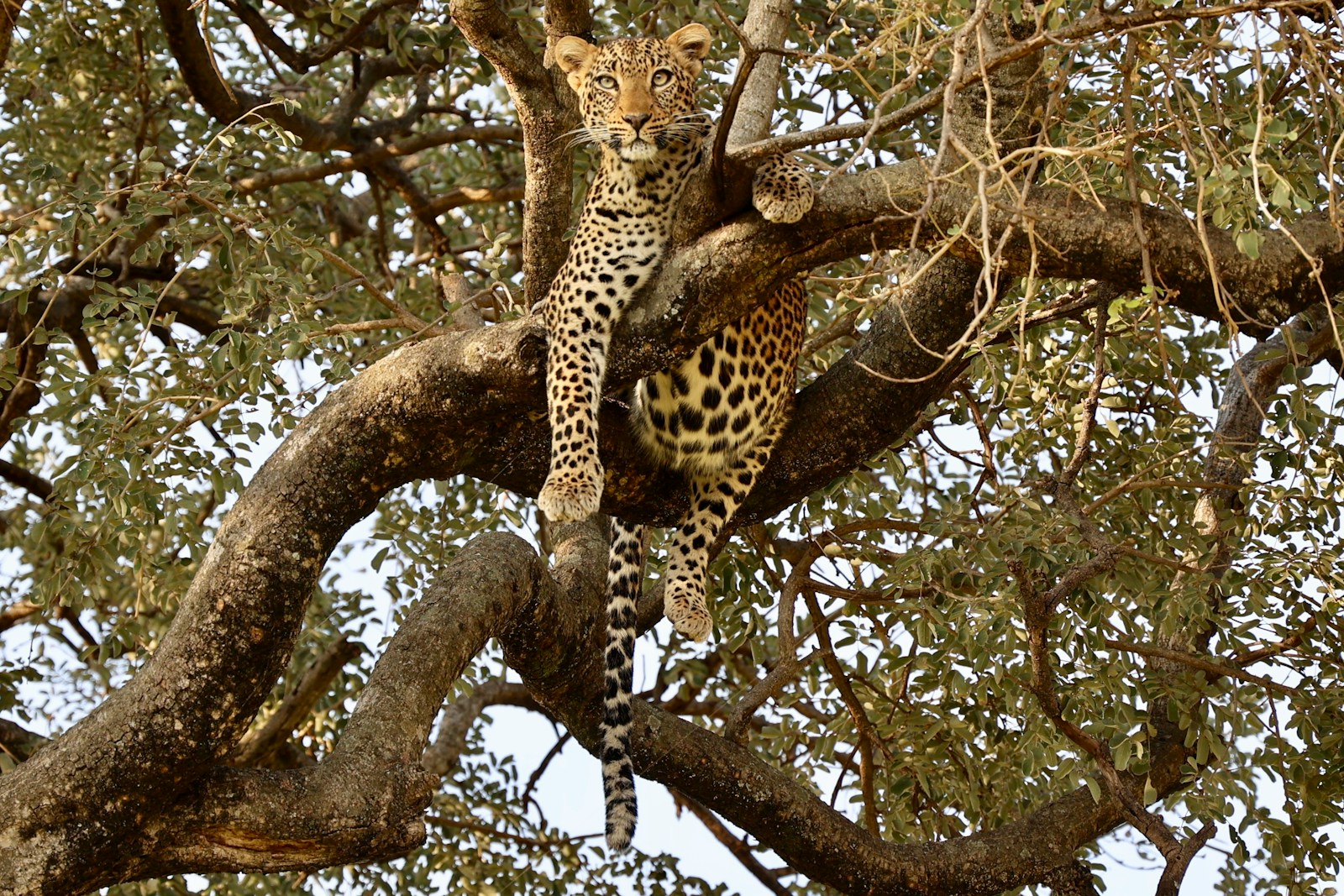
During your guided safari, your guide can help identify animals that might otherwise be difficult to notice, including leopards hiding in trees, lions resting in tall grass, or smaller species such as mongoose, dik-dik, and jackals.
A professional guide also manages park routes, driving times, wildlife viewing opportunities, and safety throughout the safari.
Tarangire National Park is located in northern Tanzania, approximately 120 kilometers southwest of Arusha.
The drive from Arusha to Tarangire usually takes around two hours depending on traffic and road conditions.
Because of its convenient location, Tarangire is often included as the first destination in Tanzania's famous Northern Safari Circuit.
Popular safari routes commonly combine:
Travelers with limited time can also visit Tarangire as a day trip from Arusha.
Tarangire is famous for three main features: elephants, baobab trees, and the Tarangire River.
The park contains one of the largest elephant populations in northern Tanzania. Large elephant families are frequently seen walking through the woodland, drinking from the river, or feeding underneath giant baobab trees.
The landscape itself is another major attraction.
Ancient baobab trees dominate many areas of Tarangire and create spectacular photography opportunities.
The Tarangire River is particularly important during the dry season because it becomes one of the main permanent water sources in the region.
Wild animals travel long distances to drink from the river, creating excellent wildlife viewing opportunities.
A guided Tarangire safari itinerary provides opportunities to observe an impressive variety of wildlife.
Common animals include:
Predators such as leopards, cheetahs, and hyenas are also present, although sightings depend on wildlife movements and luck.
Tarangire is especially famous for elephants.
During the dry season, travelers may see large herds containing dozens of elephants gathering around water sources.
Tarangire National Park is also one of Tanzania's outstanding birdwatching destinations.
More than 500 bird species have been recorded in the park.
Bird enthusiasts may encounter species such as:
Wetland areas and seasonal swamps attract additional bird species throughout the year.
A knowledgeable guide can help identify birds by appearance, sound, habitat, and behavior.
A one-day Tarangire safari is ideal for travelers staying in Arusha or nearby areas who have limited time.
Your guide normally picks you up from your hotel early in the morning.
After meeting your safari guide, you begin the scenic drive toward Tarangire National Park.
The journey passes through local towns, farmland, Maasai areas, and beautiful northern Tanzanian countryside.
Your guide may explain local culture, agriculture, landscapes, and wildlife conservation during the drive.
After completing park entry procedures, your safari game drive begins.
Morning hours can be excellent for wildlife viewing because temperatures are cooler and many animals remain active.
You may immediately encounter giraffes, zebras, antelopes, elephants, and various bird species.
Your guide will choose routes depending on recent wildlife sightings and seasonal animal movements.
Around midday, you normally stop at a designated picnic area for lunch.
Depending on your safari package, lunch may include a packed meal or a prepared hot lunch.
The picnic areas often provide scenic views where travelers can relax before continuing the afternoon game drive.
The afternoon game drive may focus on areas surrounding the Tarangire River.
During dry months, wildlife concentrates near the river because water is limited elsewhere in the ecosystem.
Elephants, zebras, wildebeest, buffalo, antelopes, and predators may all appear around the river.
After completing your game drive, you leave Tarangire National Park and return to Arusha.
A one-day guided Tarangire safari offers an excellent introduction to Tanzania's wildlife, although travelers with more time may prefer staying overnight.
A two-day itinerary allows more relaxed wildlife viewing and provides additional opportunities to experience different areas of Tarangire.
Depart Arusha in the morning with your private or shared safari guide.
After arriving at Tarangire National Park, begin your first game drive.
Spend several hours exploring areas known for elephants, giraffes, zebras, buffalo, antelopes, and predators.
Stop for lunch before continuing your afternoon wildlife drive.
Later in the day, leave the park and travel to your lodge, tented camp, or campsite.
Enjoy dinner and overnight accommodation near Tarangire.
Start your second day with breakfast followed by another wildlife drive.
Morning game drives offer different wildlife experiences compared with afternoon drives.
Predators may still be active, while elephants and other herbivores begin moving toward water and feeding areas.
Continue exploring Tarangire before stopping for lunch.
In the afternoon, leave the park and drive back to Arusha.
Travelers wanting a deeper Tarangire experience can spend three days exploring the park.
A possible itinerary includes:
Drive from Arusha to Tarangire National Park and enjoy an afternoon game drive.
Overnight near the park.
Spend the entire day exploring different regions of Tarangire.
Your guide may visit river areas, woodland habitats, seasonal swamps, and open plains.
This full-day safari gives you more time for wildlife photography and patient observation.
Return to your lodge or camp in the evening.
Enjoy a final morning wildlife drive before leaving Tarangire.
After lunch, drive back to Arusha or continue toward another safari destination.
Many visitors include Tarangire as part of a longer Northern Tanzania safari.
A popular itinerary is:
Drive to Tarangire and enjoy a wildlife game drive.
Overnight near Tarangire or Karatu.
Travel toward Serengeti through the Ngorongoro Conservation Area.
Enter Serengeti and enjoy an afternoon game drive.
Spend the entire day exploring Serengeti National Park.
Look for lions, elephants, giraffes, cheetahs, leopards, wildebeest, zebras, and numerous other species.
Enjoy another Serengeti game drive before traveling toward the Ngorongoro Conservation Area.
Overnight near the crater.
Descend into Ngorongoro Crater for an unforgettable wildlife safari.
Later in the afternoon, return to Arusha.
This itinerary gives travelers an excellent combination of Tanzania's most famous Northern Circuit destinations.
Tarangire National Park can be visited throughout the year.
However, wildlife experiences change according to rainfall and seasonal movements.
The dry season is considered one of the best periods for wildlife viewing in Tarangire.
Water becomes increasingly scarce in surrounding areas, attracting wildlife toward the Tarangire River.
Large concentrations of elephants, zebras, wildebeest, antelopes, and buffalo may gather near remaining water sources.
Vegetation also becomes thinner, often making animals easier to observe.
Short rains normally transform the park into greener landscapes.
Wildlife remains present, while birdwatching becomes particularly rewarding.
Fewer tourists may also provide a quieter safari experience.
January and February can offer pleasant safari conditions with beautiful landscapes and excellent photography opportunities.
This period can also be combined with Southern Serengeti and Ndutu for travelers interested in the wildebeest calving season.
The long rainy season generally occurs between March and May.
Tarangire becomes lush and green, creating impressive scenery and excellent birdlife.
Some roads may become muddy during heavy rain, but safaris continue operating.
Travelers often appreciate fewer safari vehicles during this period.
Some visitors wonder whether they should explore Tarangire independently or choose a guided safari.
For international travelers, guided safaris are generally easier and more informative.
Professional guides handle navigation, park procedures, wildlife tracking, driving, and safari logistics.
Guides are also trained to understand wildlife behavior and can often spot animals that inexperienced visitors might miss.
A guided safari therefore allows travelers to concentrate completely on wildlife observation and photography.
A private guided Tarangire safari provides maximum flexibility.
You have your own safari vehicle and professional guide.
Private safaris are especially suitable for:
Your guide can adjust the pace depending on your interests.
For example, wildlife photographers may prefer spending longer periods at particular sightings instead of moving quickly between locations.
Shared safaris are useful for budget-conscious travelers.
You join other safari guests in the same vehicle while sharing transportation and guiding costs.
Shared safaris can be social and enjoyable, especially for solo travelers who want to meet other visitors.
However, schedules are normally less flexible because the group follows a predetermined route.
Most guided Tarangire safaris use specially designed 4x4 safari vehicles.
The traditional Tanzania safari Land Cruiser normally includes a pop-up roof allowing passengers to stand and photograph wildlife safely.
Safari vehicles may also include:
The elevated viewing position provides excellent opportunities for wildlife photography.
Travelers can choose from several accommodation categories.
Budget camping provides an adventurous safari experience.
Travelers stay in tents at designated campsites.
Camping packages generally include camping equipment, meals, and support from a safari crew.
Budget lodges offer simple private rooms and basic facilities.
They are suitable for travelers wanting more comfort than camping without significantly increasing safari costs.
Mid-range properties are among the most popular choices.
Rooms or safari tents typically have private bathrooms, comfortable beds, dining areas, and attractive surroundings.
Luxury lodges offer high levels of service, beautiful locations, premium dining, spacious rooms, swimming pools, and personalized safari experiences.
Some luxury camps are located inside or immediately outside Tarangire National Park.
Packing appropriately makes your safari more comfortable.
Useful items include:
Morning temperatures may be cooler, while afternoons can become warm.
Layered clothing is therefore practical.
Tarangire is excellent for wildlife and landscape photography.
The combination of elephants and giant baobab trees creates some of Tanzania's most recognizable safari scenes.
Early morning and late afternoon normally provide softer natural light.
A private safari can be particularly valuable for serious photographers because the guide can spend more time positioning the vehicle for suitable angles and lighting.
Tarangire is an excellent destination for family safaris.
Children often enjoy seeing large elephant herds, giraffes, zebras, monkeys, and colorful birds.
Private family safaris allow parents to control the pace of the itinerary.
Families can request shorter game drives, additional breaks, and child-friendly accommodation.
Couples frequently include Tarangire in romantic Tanzania safari itineraries.
Beautiful landscapes, quiet lodges, sunset views, and private wildlife drives make Tarangire particularly suitable for couples and honeymooners.
It can also be combined with Serengeti, Ngorongoro, and Zanzibar for a safari-and-beach holiday.
The price of a Tarangire safari depends on several factors.
These include:
Budget shared safaris are usually the least expensive option.
Private safaris cost more but provide additional comfort, privacy, and flexibility.
Luxury accommodation can significantly increase the overall safari price.
For accurate pricing, travelers should request a customized quotation based on dates, group size, and accommodation preferences.
Typical safari packages may include:
Exact inclusions vary between safari operators and packages.
Always review your itinerary carefully before confirming your booking.
Travelers may enhance their safari with additional experiences.
Depending on availability and itinerary design, options may include:
These activities can add cultural and wildlife diversity to a longer safari itinerary.
Arusha is the primary starting point for most Tarangire safaris.
Travelers usually arrive through Kilimanjaro International Airport or Arusha Airport before transferring to accommodation in Arusha.
The following morning, the safari guide collects guests and begins the drive to Tarangire.
Because the journey is relatively short, travelers can enjoy several hours of wildlife viewing on the same day.
Travelers staying in Zanzibar can also visit Tarangire.
The most practical option is usually flying from Zanzibar to Arusha or Kilimanjaro before starting the road safari.
Longer Tanzania itineraries commonly combine:
Zanzibar → Arusha → Tarangire → Serengeti → Ngorongoro → Zanzibar.
This combination offers both wildlife safari experiences and tropical beach relaxation.
One full day is sufficient to see the main highlights of Tarangire.
However, two days provide a more complete experience.
With additional time, travelers can explore different habitats, enjoy slower game drives, and increase opportunities to observe predators and large elephant herds.
Travelers visiting several Northern Circuit parks normally spend one or two nights around Tarangire.
Yes.
Tarangire is particularly worthwhile for travelers interested in elephants, unique scenery, birdwatching, photography, and less crowded safari experiences.
The park complements Serengeti and Ngorongoro extremely well.
Instead of seeing similar landscapes throughout the entire safari, Tarangire introduces visitors to baobab-dominated woodland, river systems, and seasonal wetlands.
Book accommodation early when traveling during busy months.
Tell your safari operator whether you prefer budget, mid-range, or luxury accommodation.
Share dietary requirements before your safari begins.
Bring a camera or smartphone with enough storage space.
Carry sun protection and a light jacket.
Choose a private safari if photography and itinerary flexibility are priorities.
Consider combining Tarangire with Serengeti and Ngorongoro if you have at least four or five safari days.
A guided Tarangire safari itinerary offers travelers an unforgettable introduction to Tanzania's wildlife and natural landscapes.
From enormous elephant herds and ancient baobab trees to lions, giraffes, zebras, buffalo, and hundreds of bird species, Tarangire provides outstanding safari experiences throughout the year.
A one-day safari works well for travelers with limited time, while two or three days provide a more relaxed and immersive experience.
For the ultimate Tanzania adventure, combine Tarangire with Serengeti National Park and Ngorongoro Crater.
With a knowledgeable safari guide, comfortable 4x4 vehicle, carefully selected accommodation, and well-designed route, your Tarangire safari can become one of the most memorable parts of your Tanzania journey.
Planning a budget Ngorongoro Crater safari holiday from Arusha? Compare a crater day trip, a two-day Tarangire and Ngorongoro safari, or a…
Read articleA Lake Manyara safari can cost USD 150–220 per person for a shared day trip from Arusha. A published example of a…
Read articleA Tanzania safari from Zanzibar can mean a short mainland trip during your beach holiday or a complete package with flights, game…
Read articleLooking for a group Tanzania safari price from Kilipath African Safaris? A published example for our four-day shared camping safari through Tarangire,…
Read article

