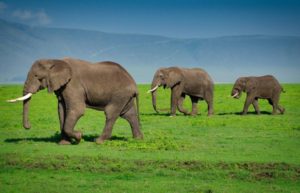
Climbing Mount Kilimanjaro is a dream adventure for travelers visiting Tanzania. But how hard is it really? Whether you’re planning a Tanzania safari or a combined Kilimanjaro trek, understanding the difficulty level, preparation, and what to expect is crucial for a safe and successful climb.
Understanding the Challenge
Mount Kilimanjaro is Africa’s highest peak at 5,895 meters (19,341 feet) above sea level. Unlike technical climbs, it doesn’t require rock climbing skills, but the altitude and multi-day trek make it physically and mentally demanding.
Factors affecting difficulty include:
- Route Choice: Some routes are longer and gradual, like the Lemosho Route, while others are steeper and shorter, like the Umbwe Route.
- Altitude: Acute Mountain Sickness (AMS) is the biggest challenge. Proper acclimatization is essential.
- Fitness Level: Good stamina and basic fitness improve success rates but are not the only determinant.
Tip: Your success is more about pacing and acclimatization than raw strength.
Kilimanjaro Difficulty by Route
Here’s a quick comparison:
| Route | Duration | Difficulty | Highlights |
| Machame Route | 6–7 days | Moderate | Scenic, popular, higher success rate |
| Lemosho Route | 7–8 days | Moderate | Stunning landscapes, longer acclimatization |
| Marangu Route | 5–6 days | Easy | “Coca-Cola” route, huts instead of tents |
| Rongai Route | 6–7 days | Moderate | Northern approach, drier climate |
| Umbwe Route | 5–6 days | Hard | Steep, less crowded, challenging ascent |
| Northern Circuit | 9 days | Hard | Longest, best acclimatization, remote |
Longer routes increase acclimatization time, reducing the risk of altitude sickness, which is why many climbers choose 7–8 day treks for a higher success rate.
Physical and Mental Preparation
Even though Kilimanjaro doesn’t require technical climbing, preparation is key:
- Cardio Training: Hiking, running, and stair climbing build endurance.
- Strength Training: Leg, core, and back exercises help carry backpacks and maintain stability.
- Acclimatization: Plan rest days and gradual ascents to adjust to altitude.
- Mental Readiness: Multi-day treks require perseverance—focus on one day at a time.
Fun fact: Many climbers are first-time hikers who succeed by following a structured training plan.
What to Expect on the Mountain
- Weather Changes: Temperatures range from hot at the base to freezing near the summit. Dress in layers.
- Terrain: You’ll encounter rainforest, moorland, alpine desert, and glaciers.
- Guides and Porters: Local guides handle route navigation and safety, while porters carry tents and food.
KiliPath African Safaris ensures climbers have experienced guides who monitor health, provide support, and increase summit success rates.
Tips for a Successful Climb
- Choose the Right Route: Longer routes improve acclimatization.
- Stay Hydrated: Altitude increases dehydration risk.
- Listen to Your Body: Symptoms like headaches or nausea indicate you may need to slow down.
- Pack Smart: Warm clothing, good boots, trekking poles, and sunscreen are essential.
- Summit at Night: Many routes schedule summit attempts at midnight to reach sunrise at the top.
Combining Kilimanjaro with a Safari
Many travelers pair their Kilimanjaro climb with a Tanzania safari, creating an unforgettable adventure:
- Serengeti Safari & Kilimanjaro: Witness the Great Migration after your trek.
- Ngorongoro Crater Safari & Kilimanjaro: Explore wildlife-rich landscapes at lower altitudes.
- Beach Extension: Relax on Zanzibar after trekking and safari adventures.
KiliPath African Safaris offers combined packages with tailored itineraries for climbers and wildlife enthusiasts.
Conclusion
So, how hard is it to climb Mount Kilimanjaro? The difficulty varies depending on your route, fitness, and preparation. With proper training, a guided plan, and the right mindset, even first-time trekkers can reach the summit and experience one of the world’s most iconic adventures.
Ready to climb Kilimanjaro? Contact KiliPath African Safaris to plan your trek and Tanzania safari today. Our expert guides will ensure a safe, unforgettable journey.