How Long Should You Spend in Ngorongoro Crater?

Safari & Travel Tips | the time to spend in ngorongoro

If you’re planning a safari in northern Tanzania, one of the most common questions travelers ask is: how long should you spend in Ngorongoro Crater?

The answer depends on your safari style, but for most visitors, the ideal time inside the crater is 5 to 6 hours—enough to experience incredible wildlife viewing without rushing.

In this guide, we’ll break down exactly how many hours you need, what to expect, and how to maximize your time in one of Africa’s most iconic safari destinations.

How Many Hours Should You Spend in Ngorongoro Crater?

Most safari game drives inside the crater last:

Half-day (5–6 hours)

This is considered the perfect amount of time because:

  • The crater is relatively small (about 260 km²)
  • Wildlife is dense and easy to spot
  • Roads are well-maintained for efficient game viewing

You’ll typically:

  • Descend early in the morning (around 6:00–7:00 AM)
  • Spend several hours exploring
  • Stop for a picnic lunch near a hippo pool
  • Ascend in the early afternoon

Why 5–6 Hours Is Enough

Unlike vast parks like Serengeti National Park, the Ngorongoro Conservation Area offers a compact ecosystem, meaning wildlife sightings are almost guaranteed within a short time.

What you can see in just a few hours:

  • Lions, including large prides
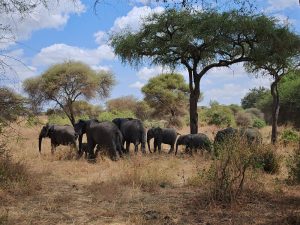
  • Elephants with massive tusks
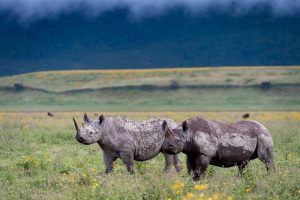
  • Black rhinos (rare but possible)
  • Buffalo, zebras, and wildebeest
  • Flamingos at Lake Magadi

Because animals don’t migrate out of the crater, it’s often called “Africa’s natural wildlife enclosure.”

Can You Spend a Full Day in Ngorongoro Crater?

Yes—but it’s usually not necessary.

Full-day option (6–8 hours):

  • Ideal for photographers
  • Great for wildlife enthusiasts
  • Allows slower-paced exploration

However, most travelers find that:

  • Wildlife viewing peaks in the morning
  • Midday activity slows down
  • You may start repeating sightings

That’s why most safari itineraries prefer a half-day crater tour + travel to next destination.

Is One Day Enough for Ngorongoro Crater?

Yes—1 day is enough

A single well-planned game drive inside the crater can deliver one of the best safari experiences in Tanzania.

Many itineraries combine:

  • Tarangire National Park
  • Ngorongoro Crater
  • Serengeti National Park

This gives you a diverse and unforgettable safari within a few days.

Best Time of Day to Visit Ngorongoro Crater

Early morning is the best time

Why?

  • Predators are still active
  • Light is perfect for photography
  • Fewer vehicles early on
  • Cooler temperatures for wildlife

By arriving early, you increase your chances of spotting:

  • Lions on a hunt
  • Hyenas scavenging
  • Rhinos grazing in open areas

Entry Rules & Time Limits

The Ngorongoro Authority has guidelines for visitors:

  • Vehicles are typically allowed one descent per day
  • Game drives are limited to a set number of hours (usually under a day visit permit)
  • Overnight stays are not allowed inside the crater floor

Most lodges are located on the crater rim, offering breathtaking views.

Should You Stay Overnight Near Ngorongoro?

Absolutely.

Staying near the crater allows you to:

  • Enter early before crowds
  • Enjoy sunrise views
  • Reduce travel time from Arusha

Popular options include:

  • Luxury lodges on the crater rim
  • Mid-range safari lodges in Karatu
  • Budget campsites nearby

Sample Ngorongoro Crater Safari Timing

Here’s a typical day:

  • 06:00 AM – Breakfast at lodge
  • 07:00 AM – Descend into crater
  • 07:30–12:30 PM – Game drive
  • 12:30 PM – Picnic lunch
  • 01:30–02:30 PM – Final sightings
  • 03:00 PM – Ascend crater

Final Verdict: How Long Should You Spend?

Ideal time: 5–6 hours
Minimum time: 4 hours
Maximum recommended: 6–8 hours

For most travelers, a half-day safari inside Ngorongoro Crater is perfect to experience its unmatched wildlife density and scenery.

Plan Your Ngorongoro Safari with Kilipath African Safaris

At Kilipath African Safaris, we design personalized itineraries that ensure you get the best timing, best wildlife encounters, and a seamless safari experience.

Whether you’re combining:

  • Ngorongoro + Serengeti
  • A short 3-day safari
  • Or a luxury Tanzania adventure

We’ll help you make the most of every hour in the crater.

Contact us today to plan your Ngorongoro safari!
Facebook
Pinterest
Reddit
LinkedIn
VK
WhatsApp

Latest Article

Safari & Travel Tips
KiliPath African Safaris

When Is the Best Time to Visit Ngorongoro? | Kilipath African Safaris Ngorongoro Crater is one of Tanzania’s most iconic safari destinations. Known as the “Eighth Wonder of the World,” it is home to an abundance of wildlife including lions, elephants, rhinos, and zebras, all set against a breathtaking volcanic landscape. Timing your visit correctly can make a huge difference in what you see and experience. Here’s a detailed guide on the best time to visit Ngorongoro Crater. ________________________________________ Why Timing Matters Ngorongoro’s wildlife activity, weather, and road accessibility change with the seasons. Choosing the right months ensures: • Clear views of the crater rim and floor • Higher chances of spotting the Big Five • Comfortable conditions for game drives • Avoiding heavy rains that may hinder travel ________________________________________ Best Months to Visit Ngorongoro Tanzania has two main seasons: the dry season and the wet season. Both offer unique experiences. 1. Dry Season (June – October) The dry months are considered the best time to visit Ngorongoro Crater. Benefits include: • Wildlife concentration: Animals gather near waterholes, making sightings easier. • Clear skies: Perfect for photography and panoramic views of the crater. • Comfortable temperatures: Ideal for morning and afternoon safaris. This season is perfect for first-time visitors or those seeking the most reliable safari experience. 2. Wet Season (November & March – May) The wet season brings dramatic skies, green landscapes, and fewer tourists. Highlights include: • Lush scenery: Vibrant landscapes are perfect for photographers. • Breeding season: Spot newborn animals in their natural habitat. • Less crowded: Enjoy a more private safari experience. Travelers should note that roads can be slippery, so some areas may be temporarily inaccessible. ________________________________________ Wildlife Highlights by Season • Dry season: Lions, elephants, rhinos, zebras, and wildebeest are easier to spot around water sources. • Wet season: Migratory birds and wildlife calving provide unique photo opportunities and wildlife encounters. ________________________________________ Tips for Visiting Ngorongoro Crater • Book early: Safaris in peak months fill quickly. • Pack appropriately: Bring layers, sun protection, and rain gear depending on the season. • Hire a guide: Experienced guides increase your chances of spotting wildlife and understanding the ecosystem. ________________________________________ Why Choose Kilipath African Safaris At Kilipath African Safaris, we specialize in tailored safari experiences in Tanzania. Our expert guides, carefully planned itineraries, and luxury accommodations ensure you get the most out of your Ngorongoro adventure. Whether visiting during the dry or wet season, we make every safari safe, comfortable, and unforgettable. ________________________________________ Final Thoughts The best time to visit Ngorongoro Crater depends on your preferences: • Dry season (June–October): Ideal for wildlife viewing and photography. • Wet season (March–May, November): Best for lush landscapes and fewer crowds. No matter the season, Ngorongoro Crater offers a magical safari experience you’ll never forget. ________________________________________ Book Your Safari Today Plan your Ngorongoro adventure with Kilipath African Safaris and explore Tanzania’s wildlife wonderland at the perfect time!

Ngorongoro Crater is one of Tanzania’s most iconic safari destinations. Known as the “Eighth Wonder of the World,” it is home to an abundance of

Read More »
Safari & Travel Tips
KiliPath African Safaris

Can You See Rhinos in Ngorongoro? Your Guide to Spotting Black Rhinos in Tanzania Tanzania is a wildlife lover’s paradise, and among its many treasures, the endangered black rhino stands out as one of the most elusive and fascinating creatures. If you’re wondering where to see black rhinos in Tanzania, the answer is clear: the Ngorongoro Crater is your best bet. Why Ngorongoro Crater Is the Best Place to See Black Rhinos Ngorongoro Crater, often called the “eighth wonder of the world,” is a UNESCO World Heritage Site and the largest unbroken caldera on Earth. Its unique ecosystem supports a wide variety of wildlife, including the critically endangered black rhino. Thanks to strict conservation efforts and the crater’s natural barriers, black rhinos here enjoy a relatively safe and protected environment, making sightings more likely than in other regions of Tanzania. The Experience of Seeing a Black Rhino Black rhinos are known for their solitary and shy nature, which makes spotting them a thrilling experience. On a guided safari through the Ngorongoro Crater, you may encounter these magnificent animals grazing quietly among the lush vegetation. Kilipath African Safaris ensures that your safari experience balances adventure with responsible wildlife viewing, allowing you to witness these rare creatures without disturbing their natural habitat. Tips for a Successful Black Rhino Safari 1. Book a guided tour: Professional guides know the best spots for black rhino sightings and can enhance your experience with insights about the animals and the crater. 2. Go early: Wildlife is often most active in the early morning, giving you a better chance of spotting black rhinos. 3. Bring binoculars and a camera: A long lens or binoculars will help you view these magnificent animals from a safe distance. 4. Respect wildlife rules: Maintain a safe distance and follow your guide’s instructions to ensure both your safety and the rhinos’ wellbeing. Other Wildlife in Ngorongoro While black rhinos are the star attraction, the crater is also home to lions, elephants, buffaloes, and a vast array of bird species. This makes Ngorongoro Crater not just the best place to see black rhinos in Tanzania, but a must-visit destination for any safari enthusiast. Plan Your Ngorongoro Safari with Kilipath African Safaris At Kilipath African Safaris, we specialize in crafting unforgettable Tanzania safari experiences. From black rhino safaris in Ngorongoro to photographic tours across the Serengeti, our expert guides ensure you get the most out of your adventure. Whether you’re a first-time visitor or a seasoned traveler, seeing black rhinos in their natural habitat is a once-in-a-lifetime experience you won’t want to miss. Book your Ngorongoro Crater safari today and witness the magic of Tanzania’s black rhinos up close.

Tanzania is a wildlife lover’s paradise, and among its many treasures, the endangered black rhino stands out as one of the most elusive and fascinating

Read More »
Camping Tanzania Safaris & Tours

Tanzania Safari and Adventure Tours

Experience a Camping Tanzania safari where you can witness the mighty herds of the Great Migration thundering across the Serengeti plains, and the Big 5 animals at The world’s biggest intact volcanic caldera, the Ngorongoro Crater.

4 Days Tour Through Tanzania's Wild Adventures
This safari tour takes you through Lake Manyara, Ngorongoro Crater, and Tarangire , offering chances to see the Big 5, tree-climbing lions, and elephant herds. Stay in scenic lodges with stunning views.
(4.9)
4.9/5
4 - Day Wilderness in Tarangire, Serengeti and Ngorongoro
Experience Tarangire National Park, Serengeti National Park and the Ngorongoro Crater on early morning game drives with our professional guide in a 4×4 Jeep.
(4.9)
4.9/5
5 - Day Exclusive Camping Adventure in Northern Tanzania
Embark on a thrilling five-day journey to encounter Tanzania’s Big Five. Engage in exciting game drives across Tarangire, Lake Manyara, Serengeti, and Ngorongoro.
(4.9)
4.9/5
4 - Day Widlbeest Migration During the Culving Season
Witness one of the most remarkable phases of this extraordinary animal movement as the herds converge on the nutrient-rich Ndutu Plains for the calving season, marked by the daily birth of a thousand newborns.
(4.9)
4.9/5