Planning a safari in Tanzania is exciting but choosing the right clothing can make or break your experience. From game drives in the Serengeti to walking safaris in Ngorongoro, what you wear affects your comfort, safety, and even your chances of spotting wildlife.
This complete guide from Kilipath African Safari will help you pack smartly with the right colors, fabrics, layers, and essential safari clothing tips.
Why Safari Clothing Matters in Tanzania
A Tanzania safari takes you through diverse landscapes—savannahs, forests, mountains, and lakes. Weather conditions can change quickly, from chilly mornings to hot afternoons.
The right clothing helps you:
- Stay comfortable in changing temperatures
- Blend into natural surroundings for better wildlife viewing
- Protect yourself from sun, dust, and insects
Best Colors to Wear on Safari
Choosing the right colors is one of the most important safari clothing rules.
Recommended Colors:
- Khaki
- Olive green
- Beige
- Brown
- Light grey
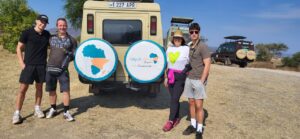
These natural tones help you blend into the environment and avoid disturbing wildlife.
Colors to Avoid:
- Bright colors (red, orange, neon)
- Pure white (gets dirty quickly)
- Dark black/navy (attracts heat and insects)
Bright clothing can also startle animals, making them harder to observe.
Best Fabrics for Safari Clothing
Comfort is key when spending long hours in safari vehicles or walking tours.
Best Fabric Choices:
- Lightweight cotton
- Breathable linen
- Quick-dry synthetic fabrics
- Moisture-wicking materials
These fabrics help regulate body temperature and keep you cool during hot afternoons.
Avoid:
- Heavy jeans (too hot and slow drying)
- Thick polyester (traps heat)
- Tight clothing (restricts movement)
Essential Safari Clothing Layers
Tanzania’s safari regions often experience temperature changes throughout the day.
Morning (Cold & Fresh)
- Light jacket or fleece
- Long-sleeve shirt
- Comfortable trousers
Midday (Hot Sun)
- T-shirt or breathable shirt
- Convertible safari pants or shorts
- Hat with wide brim
Evening (Cool & Breezy)
- Warm fleece or sweater
- Light windbreaker jacket
Layering helps you adjust quickly without discomfort.
Safari Footwear Guide
Your footwear should match both comfort and terrain.
Best Options:
- Closed hiking shoes
- Lightweight boots
- Comfortable sneakers with grip
Avoid:
- Flip-flops (unsafe for bush walks)
- High heels or formal shoes
Comfortable footwear is essential for walking safaris, lodge stays, and uneven terrain.
Must-Have Safari Accessories
Don’t forget these essential items:
- Wide-brim hat (sun protection)
- Sunglasses (UV protection)
- Light scarf or buff (dust protection)
- Lightweight backpack
- Binoculars for wildlife viewing
- Sunscreen (SPF 30+)
- Insect repellent
What to Wear in Different Safari Seasons
Dry Season (June – October)
- Light clothing during the day
- Warm layers for early morning game drives
- Dust-resistant clothing recommended
Wet Season (November – May)
- Waterproof jacket
- Quick-dry clothing
- Closed waterproof shoes
The wet season brings lush landscapes but also muddy roads, so preparation is key.
Safari Packing Tips from Kilipath African Safari
To make your safari stress-free, follow these expert tips:
- Pack light (soft duffel bags work best in safari vehicles)
- Stick to neutral colors only
- Avoid overpacking formal clothes
- Bring laundry-friendly outfits
- Always include a warm layer, even in summer
Final Thoughts
Dressing correctly for a Tanzania safari enhances your comfort, safety, and overall experience. By choosing neutral colors, breathable fabrics, and smart layers, you’ll be fully prepared for every moment of your adventure.
At Kilipath African Safari, we ensure every traveler is well-prepared for an unforgettable journey through Tanzania’s breathtaking wilderness.