Skip to content

A Lake Manyara safari itinerary is an excellent choice for travelers looking for wildlife, dramatic scenery, birdlife, and an easy addition to Tanzania’s famous Northern Safari Circuit. Located beneath the Great Rift Valley escarpment, Lake Manyara National Park combines groundwater forest, acacia woodland, wetlands, open floodplains, hot springs, and an alkaline lake within one remarkably varied destination.
The park is particularly well known for elephants, baboons, monkeys, hippos, giraffes, buffaloes, zebras, birdlife, and its famous tree-climbing lions. Flamingos and other waterbirds may also gather around the lake depending on seasonal water and feeding conditions. TANAPA describes Lake Manyara as a compact park containing several different habitats and confirms that day game drives, birdwatching, photography, canopy walks, and other activities are available.
For travelers beginning their safari in Arusha, Lake Manyara can be visited as a day trip or incorporated into a longer itinerary including Tarangire National Park, Ngorongoro Crater, and Serengeti National Park.
Where Is Lake Manyara National Park?
Lake Manyara National Park is situated in northern Tanzania near the town of Mto wa Mbu and at the foot of the Great Rift Valley escarpment.
It is approximately 125 km from Arusha, and TANAPA estimates the road journey at around 2 to 2.5 hours, depending on traffic and road conditions. Its position makes it particularly convenient for travelers following Tanzania’s Northern Circuit.
Travelers can therefore leave Arusha in the morning, enjoy several hours of wildlife viewing, and either return to Arusha or continue toward Karatu and Ngorongoro.
One-Day Lake Manyara Safari Itinerary
For travelers with limited time, a one-day Lake Manyara safari is one of the easiest options.
Your day normally begins with an early morning departure from Arusha. After breakfast, your safari guide collects you from your hotel and you travel toward Mto wa Mbu and Lake Manyara National Park.
On arrival, you enter the park and begin your game drive through the groundwater forest. This section is particularly interesting because the vegetation feels very different from the open plains associated with many East African safaris.
Baboons and blue monkeys are frequently associated with these forest habitats, while elephants may also be encountered as you travel deeper into the park.
As the game drive continues, the landscape gradually opens into woodland, floodplain, marshes, and lake-edge habitats. Depending on wildlife movements, you may search for elephants, buffaloes, giraffes, zebras, wildebeest, antelopes, hippos, and predators.
Lake Manyara is also famous for lions that sometimes rest in trees. However, wildlife is completely natural, so seeing tree-climbing lions can never be guaranteed.
Around midday, you can stop at a designated picnic area for lunch before continuing your afternoon game drive.
Later, you leave the park and travel back to Arusha, usually arriving during the late afternoon or early evening.
Two-Day Lake Manyara and Ngorongoro Safari
Travelers wanting a short but more varied safari can combine Lake Manyara with Ngorongoro Crater.
On the first morning, you leave Arusha and travel to Lake Manyara National Park. Spend the main part of the day exploring its forest, woodland, wetlands, and lake-edge habitats.
After the game drive, continue toward Karatu or the Ngorongoro Conservation Area, where you spend the night.
The following morning, leave early for Ngorongoro Crater. After descending onto the crater floor, enjoy a game drive through its grasslands, wetlands, forests, and lakes before having lunch at a designated picnic area.
In the afternoon, ascend from the crater and return toward Arusha.
This combination works particularly well because Lake Manyara and Ngorongoro offer very different landscapes and safari experiences within a relatively short itinerary.
Three-Day Lake Manyara Safari Itinerary
Travelers with three days can combine Lake Manyara with Tarangire and Ngorongoro.
Day 1: Arusha – Tarangire National Park – Karatu. Depart Arusha in the morning and drive to Tarangire. Spend the day on safari before continuing to accommodation near Karatu.
Day 2: Lake Manyara National Park. After breakfast, travel to Lake Manyara for a game drive. Explore the forest, floodplain, lake shore and wildlife areas before returning to your lodge.
Day 3: Ngorongoro Crater – Arusha. Leave early for Ngorongoro, descend into the crater for wildlife viewing and return to Arusha later in the day.
This route provides three distinctive environments without requiring the longer driving distances involved in reaching Serengeti.
Four-Day Lake Manyara and Serengeti Safari
If seeing Serengeti is an important part of your Tanzania holiday, at least four or preferably five days gives you a better itinerary.
A typical four-day route begins with Lake Manyara before continuing toward Serengeti.
After your Lake Manyara game drive, you can stay around Karatu. On the second day, travel through the Ngorongoro highlands toward Serengeti National Park.
The third day can be dedicated to wildlife viewing in Serengeti before eventually continuing back toward Ngorongoro.
The final day is normally devoted to Ngorongoro Crater before returning to Arusha.
Although possible, a four-day schedule involves considerable driving. Travelers who have enough time may therefore prefer five or six days so they can spend more relaxed game-drive time in Serengeti.
What Wildlife Can You See in Lake Manyara?
Lake Manyara’s attraction comes from the variety of wildlife found within its contrasting habitats.
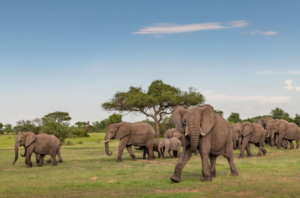
Elephants are among the animals most closely associated with the park. Visitors may also encounter buffaloes, giraffes, zebras, wildebeest, baboons, blue monkeys, bushbuck, hippos and different antelope species.
Lions are present as well, and Lake Manyara has become particularly famous for reports of lions resting in trees. TANAPA officially highlights both elephants and tree-climbing lions among the park’s signature wildlife attractions.
Wildlife sightings vary by season, vegetation, weather and animal movements, so no specific species can be guaranteed on a game drive.
Is Lake Manyara Good for Birdwatching?
Yes. Lake Manyara is one of the most interesting birding destinations on Tanzania’s Northern Circuit.
The combination of alkaline lake, wetlands, forest, woodland, grassland and escarpment creates habitat for a wide variety of birds.
TANAPA highlights flamingos, pelicans, storks, herons, spoonbills, fish eagles, bee-eaters and many other resident and migratory birds.
Flamingos are one of Lake Manyara’s best-known attractions, but their numbers vary according to water conditions, food availability and season. Travelers should therefore consider them a possible highlight rather than a guaranteed sighting.
What Are the Best Activities at Lake Manyara?
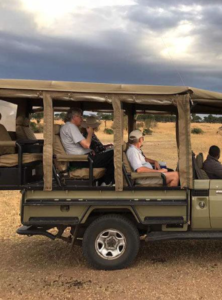
The classic activity is a daytime game drive in a safari vehicle.
However, Lake Manyara can offer much more than conventional wildlife viewing. TANAPA lists activities including game drives, photography, birdwatching and the canopy tree walk. Official TANAPA tourism material also notes that guided walking, night game viewing and some additional activities can be available subject to arrangements and operating conditions.
The canopy walkway is especially interesting for visitors who want to experience the forest from a different perspective.
A cultural experience around nearby Mto wa Mbu can also be incorporated into a privately arranged itinerary.
When Is the Best Time to Visit Lake Manyara?
Lake Manyara can be visited throughout the year.
The dry months generally provide easier safari conditions and can make wildlife viewing more straightforward as vegetation becomes less dense in some areas.
The wetter months transform the surrounding landscapes into lush green scenery and can be excellent for photography and birding.
There is therefore no single perfect month for every traveler. Your best travel period depends on whether your priority is general wildlife, landscapes, photography, birdlife or combining Lake Manyara with other destinations such as Serengeti and Ngorongoro.
Lake Manyara or Tarangire: Which Should You Include?
Lake Manyara and Tarangire offer different experiences, which is why they can work particularly well together.
Lake Manyara is known for its Rift Valley setting, groundwater forest, lake environment, primates, elephants, birdlife and tree-climbing lions.
Tarangire is especially famous for its baobab landscapes, elephants and dry-season wildlife concentrations.
Travelers with enough time can include both rather than treating them as interchangeable destinations.
If your itinerary is extremely short, the choice often depends on travel season and your broader safari route.
How Long Should You Spend in Lake Manyara?
For most travelers, a half-day to full-day game drive is enough to appreciate Lake Manyara’s main habitats.
Spending one night near Mto wa Mbu or Karatu can make the schedule more relaxed, particularly if Lake Manyara is followed by Ngorongoro.
Travelers interested in photography, birding, canopy activities or a slower safari experience may choose additional time.
The park’s location also means you don’t normally need several days exclusively for Lake Manyara unless you have specialist interests.
Where Should You Stay?
Accommodation is available around Mto wa Mbu, Karatu and in areas overlooking the Great Rift Valley.
Options range from budget accommodation and tented camps to comfortable mid-range lodges and luxury properties.
TANAPA notes that accommodation is available both around the park and in nearby areas including Mto wa Mbu and Karatu.
Karatu is particularly convenient when your next destination is Ngorongoro Crater because it places you closer to the conservation area for an early departure.
What Should You Pack?
Safari clothing should be comfortable, lightweight and suitable for changing temperatures. Neutral colors are usually practical for game drives.
A light jacket can be useful during early mornings, especially when your itinerary continues into the higher Ngorongoro region.
Bring sun protection, insect repellent, comfortable footwear, binoculars, your camera, spare batteries or charging equipment, and a reusable water bottle where appropriate. TANAPA also recommends sun protection, binoculars and following guide and ranger instructions while visiting the park.
Can Lake Manyara Be Visited from Zanzibar?
Yes, but planning the flight connection carefully is important.
Travelers staying in Zanzibar often fly to Arusha or Kilimanjaro before beginning the Northern Circuit safari. Depending on available domestic flights and your itinerary, connections through the Lake Manyara area may also be possible.
For a multi-day safari, it is usually better to combine Lake Manyara with Tarangire, Ngorongoro or Serengeti rather than traveling from Zanzibar only for a very short game drive.
Is Lake Manyara Suitable for Families?
Lake Manyara can be an excellent family safari destination because game drives can be shorter than on itineraries involving long transfers across Serengeti.
The varied scenery can also keep younger travelers interested. Forest monkeys, baboons, elephants, giraffes, hippos and birds provide different wildlife experiences throughout the drive.
Families can combine the park with comfortable lodge accommodation around Karatu or Mto wa Mbu.
Is Lake Manyara Worth Visiting?
Lake Manyara is worth considering when its distinctive environment fits your itinerary.
Travelers shouldn’t expect it to feel exactly like Serengeti or Ngorongoro. Its attraction is precisely that it is different.
Within a relatively compact area you can move from dense groundwater forest into open woodland, wetlands, floodplain and lake scenery framed by the Great Rift Valley escarpment.
This diversity makes the park particularly valuable on a multi-destination Northern Tanzania safari.
Plan Your Lake Manyara Safari with Kilipath African Safaris
A well-designed Lake Manyara safari itinerary can be arranged as a short day trip or as part of a complete Tanzania safari covering Tarangire, Serengeti and Ngorongoro.
At Kilipath African Safaris, itineraries can be arranged according to your travel dates, group size, preferred accommodation level, safari duration and budget. Private safaris offer additional flexibility with your own safari vehicle and professional guide, while selected shared safari options can provide a more affordable way to explore Tanzania’s Northern Circuit.
Whether you are planning your first African safari, a family adventure, honeymoon or private wildlife holiday, Lake Manyara can add contrasting scenery, rich birdlife and a distinctive Rift Valley environment to your Tanzania journey.
Ready to plan your Lake Manyara safari? Contact Kilipath African Safaris for a customized itinerary and quotation based on your travel dates and preferred safari