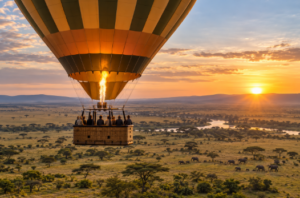
A Lake Manyara safari itinerary is one of the most rewarding ways to experience the incredible diversity of Tanzania’s Northern Safari Circuit. Located beneath the dramatic Great Rift Valley escarpment, Lake Manyara National Park offers travelers a combination of beautiful landscapes, rich birdlife, dense groundwater forests, open plains, acacia woodland, wildlife viewing and views across the alkaline lake.
Although Lake Manyara National Park is smaller than famous destinations such as Serengeti National Park and the Ngorongoro Conservation Area, its compact size makes it an excellent destination for travelers looking for a rewarding safari without spending many hours inside the park.
Lake Manyara can be visited as a one-day safari from Arusha or combined with Tarangire National Park, Ngorongoro Crater and Serengeti National Park to create a complete Tanzania Northern Circuit safari itinerary.
For travelers planning their first Tanzania safari, understanding how Lake Manyara fits into a larger itinerary can help them choose the right number of days, accommodation style, travel season and combination of national parks.
Where Is Lake Manyara National Park?
Lake Manyara National Park is located in northern Tanzania, approximately between Arusha and the Ngorongoro Highlands.
The park sits at the base of the Great Rift Valley escarpment and surrounds part of Lake Manyara, a shallow alkaline lake that attracts a wide variety of bird species.
Because of its convenient location, Lake Manyara is often included in Tanzania safari itineraries connecting:
- Arusha
- Tarangire National Park
- Lake Manyara National Park
- Ngorongoro Conservation Area
- Serengeti National Park
This location makes Lake Manyara a convenient stop for travelers beginning or ending a longer Tanzania safari.
Why Include Lake Manyara in Your Tanzania Safari?
A Lake Manyara safari itinerary offers a very different experience compared with the open grasslands of Serengeti or the volcanic landscapes of Ngorongoro.
Within a relatively small area, visitors can travel through several different habitats.
These include:
- Groundwater forest
- Acacia woodland
- Open grassland
- Wetland areas
- Lake shoreline
- Rocky escarpments
- Seasonal rivers
The changing environment creates opportunities to observe different wildlife species while enjoying beautiful scenery.
Lake Manyara is especially suitable for travelers who appreciate photography, birdwatching and diverse landscapes.
Wildlife in Lake Manyara National Park
One of the main reasons travelers choose a Lake Manyara safari tour is the diversity of wildlife found within the park.
Animals commonly encountered may include:
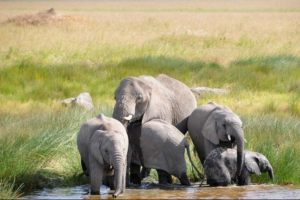
- African elephants
- Giraffes
- Buffalo
- Zebras
- Wildebeest
- Warthogs
- Impalas
- Hippos
- Baboons
- Blue monkeys
- Waterbuck
- Bushbuck
Predators such as lions and leopards are also present, although wildlife sightings can never be guaranteed.
Lake Manyara has historically been associated with tree-climbing lions, but travelers should understand that seeing lions in trees is not guaranteed on every safari.
The park is also famous for its large troops of baboons, which are frequently seen near the forested areas.
Birdlife at Lake Manyara
Lake Manyara is an excellent destination for bird enthusiasts.
The combination of lake, forest, wetland and woodland environments supports hundreds of bird species.
Depending on the season and water conditions, travelers may observe species such as:
- Flamingos
- Pelicans
- Storks
- Hornbills
- Herons
- Egrets
- Kingfishers
- Eagles
- Vultures
- Water birds
Birdwatching can be particularly rewarding during the wetter months when migratory species may also be present.
Best Lake Manyara Safari Itinerary
There are several ways to include Lake Manyara in a Tanzania safari.
The best option depends on your available time, budget and the other national parks you want to visit.
1-Day Lake Manyara Safari Itinerary
A one-day Lake Manyara safari is suitable for travelers staying in Arusha who have limited time.
Morning: Arusha to Lake Manyara
Your safari normally begins in Arusha in the morning.
After breakfast, you meet your professional safari guide and begin driving toward Lake Manyara National Park.
The journey takes you through northern Tanzania’s countryside, local towns and beautiful landscapes.
After arriving at the park entrance, your guide completes the necessary procedures before beginning your game drive.
Lake Manyara Game Drive
During the game drive, you explore different habitats within the national park.
You may encounter elephants walking through the forest, giraffes feeding from trees, buffalo grazing in open areas and large troops of baboons moving near the road.
Your guide helps identify animals, birds and plants while explaining the ecology of Lake Manyara.
Lunch
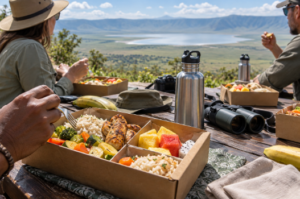
Lunch can normally be enjoyed at an appropriate picnic area inside or near the national park.
After lunch, the game drive continues.
Afternoon Return to Arusha
Later in the afternoon, you leave Lake Manyara and begin the return journey to Arusha.
This itinerary is ideal for travelers wanting a short Tanzania wildlife experience.
2-Day Lake Manyara and Ngorongoro Safari
Combining Lake Manyara with Ngorongoro Crater creates one of the best short safari itineraries in northern Tanzania.
Day 1: Arusha to Lake Manyara
Depart Arusha in the morning and drive to Lake Manyara National Park.
Spend several hours exploring the park while searching for elephants, giraffes, buffalo, zebras, baboons and other wildlife.
After completing your game drive, continue toward Karatu or the Ngorongoro Highlands for dinner and overnight.
Day 2: Ngorongoro Crater to Arusha
After an early breakfast, drive toward Ngorongoro Crater.
Descend into the crater for an extensive game drive.
Ngorongoro is known for its high concentration of wildlife and provides opportunities to see many different species within a relatively small area.
After the game drive, ascend from the crater and return to Arusha.
This itinerary is ideal for travelers with only two safari days.
3-Day Tarangire, Lake Manyara and Ngorongoro Safari
A three-day itinerary allows travelers to experience three different wildlife destinations.
Day 1: Arusha to Tarangire National Park
Begin your safari from Arusha and drive to Tarangire National Park.
Tarangire is well known for its large elephant populations, ancient baobab trees and beautiful landscapes.
Spend the day enjoying a game drive before continuing to your accommodation.
Day 2: Lake Manyara National Park
After breakfast, travel to Lake Manyara National Park.
Explore the groundwater forest, woodland, grassland and lake environment during your game drive.
After completing the safari activities, travel toward Karatu for your overnight stay.
Day 3: Ngorongoro Crater
After breakfast, travel to Ngorongoro Conservation Area.
Descend into the crater for a game drive before returning to Arusha later in the day.
This itinerary is an excellent option for travelers who want variety without spending many days on safari.
4-Day Lake Manyara, Serengeti and Ngorongoro Safari
Travelers who want to experience Serengeti can choose a four-day Tanzania safari.
Day 1: Arusha to Lake Manyara
Start your journey from Arusha and drive toward Lake Manyara National Park.
Spend the day exploring the park before continuing to your accommodation.
Day 2: Lake Manyara Area to Serengeti
After breakfast, continue toward Serengeti National Park.
The journey offers impressive views as you travel through northern Tanzania.
Enter Serengeti and begin your first game drive.
Spend the night inside or near Serengeti National Park.
Day 3: Serengeti to Ngorongoro Area
Enjoy an early morning game drive in Serengeti.
The Serengeti ecosystem is famous for lions, elephants, giraffes, buffalo, cheetahs, leopards, wildebeest and many other species.
Later, continue toward the Ngorongoro Conservation Area.
Day 4: Ngorongoro Crater to Arusha
Descend into Ngorongoro Crater in the morning.
Enjoy several hours of wildlife viewing before ascending from the crater and returning to Arusha.
5-Day Northern Circuit Safari With Lake Manyara
A five-day safari provides more time for wildlife viewing and reduces the need to rush between destinations.
A typical itinerary may include:
Day 1: Arusha to Tarangire National Park
Day 2: Lake Manyara National Park
Day 3: Serengeti National Park
Day 4: Serengeti to Ngorongoro Conservation Area
Day 5: Ngorongoro Crater to Arusha
This itinerary combines several of Tanzania’s most important northern safari destinations.
6-Day Tanzania Safari With Lake Manyara
Travelers who want more time in Serengeti can consider a six-day safari.
A possible itinerary is:
Day 1: Arusha to Tarangire
Day 2: Lake Manyara
Day 3: Serengeti
Day 4: Full-day Serengeti safari
Day 5: Serengeti to Ngorongoro
Day 6: Ngorongoro Crater to Arusha
Having an additional day in Serengeti provides more opportunities to explore different wildlife areas.
Best Time to Visit Lake Manyara
Lake Manyara National Park can generally be visited throughout the year.
However, each season offers a different experience.
June to October
These months generally fall within Tanzania’s drier season.
Wildlife may become easier to observe around available water sources and vegetation may be less dense in certain areas.
The dry season is popular among safari travelers.
November to May
The wetter months often create greener landscapes.
Birdlife can also be particularly impressive during this period.
Photographers may appreciate the green scenery and dramatic skies.
Travelers should remember that rainfall patterns vary from year to year.
Lake Manyara Safari During the Dry Season
The dry season is popular because road conditions are generally favorable and wildlife viewing can be rewarding.
Animals may gather around permanent water sources as surrounding areas become drier.
Temperatures during the morning and evening can sometimes feel cooler, while afternoons may become warm.
Travelers should carry layers of clothing.
Lake Manyara Safari During the Green Season
The green season offers lush vegetation and excellent photographic conditions.
The landscape can become beautifully green after rainfall.
This period can also be rewarding for birdwatching.
Some travelers prefer the green season because certain periods may be less crowded compared with peak safari months.
How Long Should You Spend in Lake Manyara?
For many travelers, approximately half a day to one full day is enough to experience Lake Manyara National Park.
Because the park is relatively compact, you can combine it with another destination without adding several days to your itinerary.
However, travelers particularly interested in birds, photography or slow-paced wildlife observation may want additional time.
Lake Manyara Safari From Arusha
Arusha is the main starting point for most Northern Circuit safaris.
Travelers commonly arrive through Kilimanjaro International Airport before continuing to Arusha.
From Arusha, Lake Manyara can be reached by road.
A professional safari company can arrange transportation, park entry, accommodation, meals and a safari vehicle.
Lake Manyara and Tarangire Safari
Lake Manyara and Tarangire work particularly well together because they offer very different landscapes.
Tarangire is famous for:
- Large elephant populations
- Baobab trees
- Open savannah
- Tarangire River
- Seasonal wildlife concentrations
Lake Manyara offers:
- Forest
- Lake environment
- Wetland ecosystems
- Birdlife
- Rift Valley scenery
Combining both parks gives travelers greater landscape and wildlife diversity.
Lake Manyara and Ngorongoro Safari
Lake Manyara and Ngorongoro are another excellent combination.
A traveler can explore Lake Manyara during the first day and stay around Karatu before visiting Ngorongoro Crater the following morning.
This reduces unnecessary driving and creates an efficient short safari itinerary.
Lake Manyara and Serengeti Safari
Travelers planning a longer safari can continue from Lake Manyara toward Serengeti National Park.
Serengeti provides a completely different safari environment characterized by vast plains and extensive wildlife populations.
A combined itinerary can include Lake Manyara, Serengeti and Ngorongoro.
Adding Tarangire creates an even more comprehensive Northern Circuit experience.
Accommodation Near Lake Manyara
Travelers can choose from different accommodation categories around Lake Manyara and Karatu.
Budget Accommodation
Budget safari accommodation focuses on affordability while providing basic facilities.
This can be suitable for backpackers, solo travelers and travelers who prefer to spend more of their safari budget on activities rather than accommodation.
Mid-Range Accommodation
Mid-range lodges and tented camps offer greater comfort.
Many include:
- Private rooms
- Private bathrooms
- Restaurant facilities
- Comfortable beds
- Gardens or outdoor areas
- Wi-Fi in selected areas
This is a popular choice for couples, families and small groups.
Luxury Accommodation
Luxury lodges offer higher levels of comfort and personalized service.
Facilities may include:
- Spacious suites
- Swimming pools
- Premium dining
- Private balconies
- Scenic views
- Personalized services
Luxury accommodation is particularly suitable for honeymooners and travelers seeking a more exclusive safari experience.
Lake Manyara Safari Cost
The cost of a Lake Manyara safari depends on several factors.
These include:
- Number of safari days
- Private or shared safari
- Accommodation category
- Number of travelers
- Travel season
- Transportation
- Park fees
- Additional activities
A one-day safari normally costs less than a multi-day itinerary combining Serengeti and Ngorongoro.
Private safaris are generally more expensive per person than shared group safaris, particularly for solo travelers.
However, private safaris provide more flexibility.
Private Lake Manyara Safari
A private safari provides your group with its own safari vehicle and professional guide.
Advantages include:
- Flexible departure times
- More control over game-drive duration
- Greater privacy
- Flexible photography stops
- Personalized itinerary
- Easier travel for families
Private safaris are particularly suitable for couples, families, honeymooners and photographers.
Shared Lake Manyara Safari
A shared safari can be a more affordable option.
Travelers share a safari vehicle with other guests following a similar itinerary.
Shared safaris are popular among:
- Solo travelers
- Backpackers
- Budget-conscious travelers
- Travelers interested in meeting other people
The itinerary is generally less flexible compared with a private safari.
What to Pack for a Lake Manyara Safari
Proper packing helps travelers stay comfortable throughout their safari.
Recommended items include:
- Lightweight safari clothing
- Comfortable closed shoes
- Sunglasses
- Sun hat
- Sunscreen
- Camera
- Binoculars
- Light jacket
- Reusable day bag
- Personal medication
- Insect repellent
Neutral-colored clothing such as beige, khaki, brown or olive is commonly recommended for safari travel.
Photography in Lake Manyara
Lake Manyara offers excellent photographic opportunities because of its varied environments.
Travelers can photograph:
- Wildlife
- Birds
- Rift Valley escarpment
- Forest scenery
- Lake landscapes
- Sunrise or afternoon light
- Local vegetation
A telephoto lens is useful for wildlife photography, while a wider lens can help capture landscapes.
Is Lake Manyara Worth Visiting?
Lake Manyara is especially worthwhile for travelers who want to experience several different ecosystems during one Tanzania safari.
It may not have the enormous open plains associated with Serengeti, but its diversity is what makes it interesting.
Visitors can travel from thick forest into open grassland and lake environments within a relatively short distance.
It also fits naturally into an itinerary between Arusha and Ngorongoro.
Lake Manyara Safari for Families
Families can include Lake Manyara in a Tanzania safari because the game drives can be shorter than in larger parks.
Children may enjoy seeing:
- Elephants
- Monkeys
- Baboons
- Giraffes
- Zebras
- Hippos
- Colorful birds
Families should discuss children’s ages and travel requirements with their safari operator before booking.
Lake Manyara Safari for Couples
Lake Manyara works particularly well for couples combining wildlife, scenery and comfortable lodge accommodation.
Couples can combine it with:
- Tarangire
- Serengeti
- Ngorongoro
- Zanzibar
This creates a complete bush-and-beach Tanzania holiday.
Lake Manyara Safari for Honeymooners
Honeymooners may choose private safari arrangements and upgrade to luxury accommodation.
A honeymoon itinerary can include:
Arusha → Tarangire → Lake Manyara → Serengeti → Ngorongoro → Zanzibar.
This combines wildlife experiences with relaxation on Zanzibar’s beaches.
Combining Lake Manyara Safari With Zanzibar
A popular Tanzania holiday combines a Northern Circuit safari with Zanzibar.
Travelers can complete their safari before flying to Zanzibar for several days of beach relaxation.
A typical itinerary may include:
Days 1–5: Tanzania safari
Days 6–10: Zanzibar
This combination is particularly popular among couples and honeymooners.
How to Plan the Perfect Lake Manyara Safari Itinerary
Start by deciding how many days you have available.
If you only have one day, Lake Manyara can be visited from Arusha.
With two days, combine it with Ngorongoro.
With three days, add Tarangire.
With four to six days, include Serengeti.
Your safari operator can then help select suitable accommodations, transportation and activities according to your budget.
A Lake Manyara safari itinerary offers travelers the opportunity to explore one of northern Tanzania’s most diverse and scenic national parks.
From groundwater forests and Rift Valley landscapes to elephants, giraffes, baboons, hippos and impressive birdlife, Lake Manyara provides a safari experience that is very different from Tanzania’s larger savannah parks.
Its convenient location makes it easy to combine with Tarangire National Park, Serengeti National Park and Ngorongoro Crater.
Whether you choose a one-day Lake Manyara safari, a short two-day Lake Manyara and Ngorongoro tour or a complete five- to seven-day Tanzania Northern Circuit safari, careful itinerary planning can help you experience more wildlife while reducing unnecessary travel time.