A Lake Manyara safari Ngorongoro itinerary is one of the best choices for travelers who want to experience two very different wildlife destinations in northern Tanzania within a relatively short safari.
Lake Manyara National Park offers lush groundwater forest, the dramatic Great Rift Valley escarpment, elephants, monkeys, hippos, giraffes and rich birdlife. Ngorongoro Crater, by contrast, provides wide grasslands surrounded by steep volcanic walls and an exceptional concentration of African wildlife.
Combining the two gives you a varied safari experience without spending many days on the road.
Whether you have two days, three days, or want to add these destinations to a longer Serengeti adventure, this guide explains how to plan your trip.
Why Choose a Lake Manyara Safari Ngorongoro Itinerary?
Lake Manyara and Ngorongoro work exceptionally well together because they are relatively close to each other and offer contrasting environments.
At Lake Manyara, you may travel through dense forest one moment and emerge onto open floodplains overlooking an alkaline lake the next. Tanzania National Parks notes that the park contains groundwater forest, acacia woodland, wetlands, open floodplains, hot springs and the soda lake itself.
Ngorongoro provides an entirely different experience.
You descend from the highlands into an enormous volcanic caldera where large numbers of grazing animals and predators live within a relatively concentrated area. The Ngorongoro Conservation Area Authority lists lions, elephants, buffalo, black rhinos, hippos, zebras, wildebeest, hyenas and numerous antelope species among the wildlife found in the conservation area.
For travelers with limited time, this combination delivers impressive wildlife diversity in only a few days.
Recommended 3-Day Lake Manyara Safari Ngorongoro Itinerary
A three-day trip provides a comfortable pace and enough time for meaningful game viewing.
Day 1: Arusha to Lake Manyara National Park
Your safari normally begins in Arusha, Tanzania’s main gateway to the Northern Safari Circuit.
After breakfast, meet your professional safari guide and depart in a 4×4 Land Cruiser toward Lake Manyara National Park.
The drive usually takes approximately 2 to 2.5 hours, depending on traffic and stops. TANAPA places Lake Manyara approximately 125 km from Arusha, near Mto wa Mbu at the base of the Great Rift Valley escarpment.
As you approach Manyara, the scenery changes dramatically.
The walls of the Great Rift Valley rise behind agricultural villages while banana plantations and local farms surround the road near Mto wa Mbu.
After completing park formalities, begin your first game drive.
Wildlife to Look for at Lake Manyara
Lake Manyara is especially famous for:
- African elephants
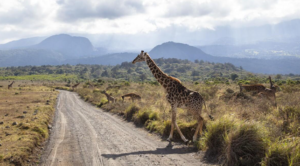
- Giraffes
- Buffalo
- Zebras
- Wildebeest
- Hippos
- Baboons
- Blue monkeys
- Impalas
- Waterbuck
- Warthogs
- Tree-climbing lions
- Flamingos and other waterbirds
TANAPA highlights elephants and unusual tree-climbing lions as notable species and records more than 400 bird species in the wider park ecosystem.
Tree-climbing lions are one of the park’s most famous attractions, although sightings are never guaranteed.
You might instead encounter elephants moving quietly through the forest or large troops of baboons sitting beside the safari track.
Groundwater Forest
One of the first habitats you enter is the lush groundwater forest.
Freshwater springs support tall trees and thick vegetation, creating excellent habitat for monkeys, bushbuck and numerous birds.
Because this habitat is very different from the open plains of Serengeti or Ngorongoro, Lake Manyara adds useful variety to a Tanzania safari.
Lake Shore and Hippo Pool
Continue toward the wetlands and lake area.
Hippos can often be observed around designated pools while herons, storks and other waterbirds search the shallow water for food.
Flamingos can sometimes appear in large numbers, although their presence depends on changing water conditions and food availability. They should therefore be treated as a possible highlight rather than a guaranteed sighting.
After your afternoon game drive, leave the park and travel toward Mto wa Mbu or Karatu.
Overnight
Stay at a lodge, tented camp or budget accommodation around:
Mto wa Mbu, Lake Manyara or Karatu.
Karatu is especially convenient for the following day’s journey toward Ngorongoro.
Day 2: Lake Manyara Area to Ngorongoro Highlands
After breakfast, enjoy a relaxed morning before heading toward the Ngorongoro Conservation Area.
Depending on your safari style, Day 2 can be organized in several ways.
You could enjoy a second short Manyara game drive, explore Mto wa Mbu, visit a local village or simply drive toward the Ngorongoro Highlands and spend the afternoon relaxing.
The landscape becomes increasingly beautiful as your vehicle climbs into the higher elevations surrounding Ngorongoro.
Coffee farms, highland forests and distant mountain views replace the warmer lowlands around Lake Manyara.
Optional Mto wa Mbu Cultural Experience
Travelers interested in Tanzanian culture can spend part of the morning around Mto wa Mbu.
Possible experiences include visiting:
- Local farms
- Banana plantations
- Local markets
- Craft workshops
- Traditional homes
- Local food producers
A village visit provides a useful cultural contrast to the wildlife-focused sections of the trip.
Continue Toward Karatu or Ngorongoro
In the afternoon, continue toward your accommodation.
Travelers can choose between two main areas.
Karatu Accommodation
Karatu offers numerous budget, mid-range and luxury accommodations.
Staying here is often more affordable than sleeping directly on the Ngorongoro Crater rim.
Ngorongoro Crater Rim Accommodation
Crater-rim lodges provide spectacular scenery and convenient early access to the crater.
However, accommodation on or near the rim generally comes at a higher price.
After dinner, rest early because the following morning usually begins before sunrise.
Day 3: Ngorongoro Crater Safari and Return to Arusha
Wake early and enjoy breakfast before traveling toward the Ngorongoro Crater descent road.
Today is usually the wildlife highlight of the safari.
Ngorongoro Crater is the world’s largest intact and unfilled volcanic caldera and supports an extremely high concentration of wildlife. The NCAA describes the crater as having more than 25,000 animals, including representatives of the Big Five.
Your Land Cruiser descends through the highland forest toward the crater floor.
As the vegetation opens, expansive grasslands appear below.
Wildlife Inside Ngorongoro Crater
Possible sightings include:
Lions, elephants, buffalo, black rhinos, spotted hyenas, wildebeest, zebras, hippos, warthogs, Thomson’s gazelles, Grant’s gazelles, elands and jackals.
Leopards can occur in the broader conservation area but are considerably more difficult to observe.
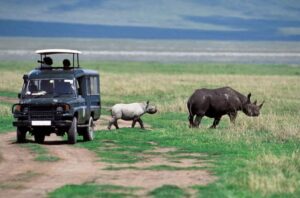
Black rhinos are another major attraction.
Ngorongoro is considered one of Tanzania’s better locations for attempting to see them, although every sighting remains dependent on wildlife movement.
Lions and Hyenas
Ngorongoro supports strong populations of predators because large numbers of herbivores provide an abundant prey base.
You may see lions resting in open grasslands or hyenas moving across the plains looking for hunting and scavenging opportunities.
Wildebeest and Zebra
Large herds of wildebeest and zebra frequently graze across the crater floor.
Their presence also attracts predators, creating some of the most exciting wildlife interactions possible during a Tanzanian safari.
Hippo Pool
A stop near one of the crater’s hippo areas may provide opportunities to observe hippos resting in water.
Depending on the route and park regulations on the day, your guide may also arrange a picnic lunch at an authorized picnic location.
Afternoon Return to Arusha
After completing your game drive, ascend the crater wall and begin driving back toward Arusha.
Arrival is normally in the late afternoon or early evening depending on traffic, road conditions and the time spent inside the crater.
This concludes your Lake Manyara safari Ngorongoro itinerary.
2-Day Lake Manyara and Ngorongoro Safari Option
Travelers with limited time can combine both destinations into two days.
Day 1 – Arusha to Lake Manyara
Depart Arusha early in the morning.
Drive to Lake Manyara National Park and spend much of the day exploring its forest, floodplains, lake shore and wildlife areas.
Enjoy a picnic lunch before continuing toward Karatu.
Overnight near Karatu or Ngorongoro.
Day 2 – Ngorongoro Crater to Arusha
Wake early and descend into Ngorongoro Crater.
Spend several hours exploring the crater floor while searching for lions, elephants, buffalo, rhinos, zebras, wildebeest, hippos and other wildlife.
After lunch, ascend from the crater and return to Arusha.
This option is fast-paced but very practical for travelers visiting Tanzania before or after a Zanzibar holiday.
Lake Manyara vs Ngorongoro: What Is the Difference?
Although they are frequently included in the same safari, the two destinations feel completely different.
| Feature | Lake Manyara | Ngorongoro Crater |
|---|---|---|
| Landscape | Forest, lake, wetlands and escarpment | Volcanic caldera and open grassland |
| Elephants | Excellent possibility | Common |
| Lions | Present; famous for tree climbing | Strong possibility |
| Black rhinos | Extremely uncommon | One of Tanzania’s better viewing locations |
| Flamingos | Seasonal | Can occur around crater lakes |
| Monkeys | Very good | Limited |
| Hippos | Present | Present |
| Birdlife | Outstanding | Excellent |
| Safari duration | Half or full day | Usually half/full-day crater excursion |
| Photography | Forest, birds and scenery | Big wildlife and dramatic landscapes |
Visiting both destinations therefore produces much more variety than visiting either one alone.
Best Time for a Lake Manyara Safari Ngorongoro Itinerary
Both destinations can be visited throughout the year.
However, conditions change significantly between seasons.
June to October – Dry Season
This is one of the most popular periods for northern Tanzania safaris.
Vegetation tends to be drier and animals often gather near dependable water sources.
Advantages include:
- Comfortable game viewing
- Lower rainfall
- Easier wildlife spotting
- Good road conditions
July, August and September are particularly busy, so accommodations should be booked early.
November to December – Short Rains
Short rains usually bring greener landscapes.
Rain often arrives in temporary showers rather than continuous all-day rainfall.
This period can provide attractive photography and fewer visitors than the busiest dry-season months.
January to February
January and February are another excellent period.
Conditions are often warm with green landscapes around many parts of northern Tanzania.
These months also combine well with safaris extending toward Ndutu and Southern Serengeti, where migratory wildebeest gather during the broader calving period.
March to May – Green Season
This is Tanzania’s wetter season.
The landscape becomes particularly lush.
There may be occasional difficult road conditions and longer rain showers, but travelers can benefit from beautiful scenery, excellent birding and often fewer safari vehicles.
How Many Days Do You Need?
For Lake Manyara and Ngorongoro alone, two to three days is normally sufficient.
Choose two days if you have limited time.
Choose three days if you prefer slower travel and would like more time for cultural activities or relaxation.
For a more complete Tanzania safari, consider five to seven days and add Tarangire and Serengeti.
4-Day Extended Safari Option
A popular extension is:
Day 1: Arusha → Tarangire National Park
Day 2: Tarangire → Lake Manyara → Karatu
Day 3: Ngorongoro Crater
Day 4: Return to Arusha or continue to another destination
Another option is:
Day 1: Arusha → Lake Manyara
Day 2: Lake Manyara → Serengeti
Day 3: Serengeti → Ngorongoro
Day 4: Ngorongoro Crater → Arusha
The second route is more demanding because it covers significantly longer driving distances.
5-Day Lake Manyara, Serengeti and Ngorongoro Safari
Travelers who want the classic northern Tanzania experience should consider adding Serengeti.
A sample route is:
Day 1
Arusha → Lake Manyara National Park
Day 2
Lake Manyara/Karatu → Serengeti National Park
Day 3
Full-day Serengeti game drive
Day 4
Serengeti → Ngorongoro area
Day 5
Ngorongoro Crater → Arusha
This itinerary gives you forest, lake, endless plains and volcanic landscapes within one journey.
Animals You May See at Lake Manyara
Lake Manyara is sometimes underestimated because it is smaller than Serengeti.
However, its compact size contains impressive habitat diversity.
TANAPA specifically highlights elephants, lions, buffalo, zebra, wildebeest, giraffes, hippos, monkeys and rich birdlife.
Elephants
Manyara has long been associated with elephants.
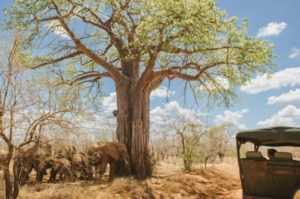
You may encounter individuals or family groups moving between forest and woodland habitats.
Because forest sections can be dense, elephants sometimes appear surprisingly close to the safari track.
Baboons and Blue Monkeys
Primates are another Manyara highlight.
Large baboon troops frequently occupy areas around the groundwater forest.
Blue monkeys can also be observed moving through the canopy.
Tree-Climbing Lions
Manyara’s tree-climbing lions have helped make the park internationally famous.
They may sometimes be found resting on acacia branches.
However, they should never be advertised as guaranteed.
Safari wildlife always moves naturally.
Birds
Lake Manyara is particularly attractive for bird enthusiasts.
Flamingos, pelicans, storks, herons, fish eagles and numerous migratory species can occur within its wetlands and surrounding habitats. TANAPA reports more than 400 recorded bird species.
Wildlife Highlights of Ngorongoro Crater
Ngorongoro is especially impressive because many species occupy a relatively compact landscape.
Black Rhino
The endangered black rhinoceros is one of the crater’s most sought-after animals.
Sightings may occur across open grasslands, although rhinos can sometimes remain far from the road.
Bring binoculars.
Lions
Lion encounters can be excellent.
Prides often occupy open areas where wildebeest, buffalo and zebra provide potential prey.
African Buffalo
Large buffalo frequently graze and rest across the crater floor.
Elephants
Older male elephants are particularly memorable because some individuals develop extremely large tusks.
Spotted Hyenas
Ngorongoro is famous for spotted hyenas.
They are active hunters as well as scavengers and play an important ecological role within the crater.
Hippos
Several wet areas provide suitable habitat for hippos.
Is This Safari Suitable for Families?
Yes.
A Lake Manyara and Ngorongoro safari is especially suitable for families because driving distances are relatively manageable compared with longer overland Serengeti itineraries.
Children often enjoy Manyara because wildlife encounters change quickly between forest, woodland and lake environments.
Ngorongoro also provides frequent wildlife sightings, helping younger travelers remain engaged.
Families should consider:
- Private safari vehicles
- Family rooms
- Regular rest stops
- Shorter game drives for young children
- Snacks and drinking water
- Binoculars
- Warm clothing for Ngorongoro mornings
Private Safari or Shared Safari?
Both can work depending on your budget.
Private Safari
A private safari gives your group exclusive use of a safari vehicle and guide.
Advantages include:
- Flexible departure times
- More photography time
- Flexible wildlife stops
- Personalized itinerary
- Easier travel for families
- Greater privacy
A private safari is especially useful for photographers and honeymoon travelers.
Shared Safari
Shared group safaris cost less because transport and some safari expenses are divided among several guests.
They are suitable for:
- Solo travelers
- Backpackers
- Budget-conscious couples
- Travelers who enjoy meeting others
Your exact route will be less flexible than on a private safari.
Recommended Safari Vehicle
A proper safari should use a 4×4 Land Cruiser with a pop-up roof.
The elevated roof provides excellent visibility and makes wildlife photography easier during game drives.
Useful vehicle features include:
- Charging ports
- Comfortable individual seats
- Seatbelts
- Cooler or refrigerator
- Radio communication
- First-aid kit
- Binoculars
- Pop-up roof
What to Pack
Packing lightly is usually best.
Bring:
- Neutral-colored safari clothing
- Comfortable trousers or shorts
- Long-sleeved shirt
- Sunglasses
- Hat
- Sunscreen
- Insect repellent
- Camera
- Extra batteries
- Binoculars
- Reusable water bottle
- Comfortable closed shoes
Most importantly, bring a warm jacket or fleece.
Ngorongoro’s elevation means mornings along the crater rim can feel surprisingly cold, even when lower-elevation destinations are warm. The NCAA also advises travelers to prepare for cooler conditions in Tanzania’s highland areas.
Photography Tips
Both destinations are excellent for photography but require slightly different techniques.
Lake Manyara Photography
Watch for:
- Elephant portraits
- Monkeys in forest light
- Rift Valley landscapes
- Giraffes against escarpment scenery
- Flamingos and waterbirds
- Tree-climbing lions
A zoom lens works particularly well because wildlife may appear among dense vegetation.
Ngorongoro Photography
Ngorongoro offers excellent opportunities for:
- Lions
- Rhino
- Wildebeest
- Zebra herds
- Hyenas
- Buffalo
- Landscapes
- Safari vehicles against crater walls
Morning light can be particularly beautiful shortly after descending into the crater.
Can Lake Manyara and Ngorongoro Be Combined with Zanzibar?
Absolutely.
This is a popular combination for travelers who want both wildlife and beaches.
A typical vacation might include:
2–5 days safari + 4–7 days Zanzibar.
You can return from the safari to Arusha and continue by flight to Zanzibar.
This combination provides an excellent contrast between Tanzania’s wildlife areas and the beaches of the Indian Ocean.
Where to Stay
Accommodation ranges from simple guesthouses to luxury lodges.
Budget
Budget travelers can stay around Mto wa Mbu or Karatu.
These areas provide convenient access while keeping costs manageable.
Mid-Range
Mid-range lodges often provide:
- Private rooms
- Ensuite bathrooms
- Hot showers
- Restaurant
- Wi-Fi
- Gardens or scenic views
Karatu has particularly good mid-range options.
Luxury
Luxury travelers can stay at properties overlooking the Rift Valley or along the Ngorongoro Crater rim.
Crater-rim properties offer exceptional views but usually cost considerably more.
Is Lake Manyara Worth Visiting?
Yes, particularly when it is combined with Ngorongoro.
Travelers expecting enormous Serengeti-style plains may misunderstand Manyara.
The park’s strength is its diversity.
Within one game drive, you can move between forest, woodland, wetlands, lake shore and open floodplain.
That variety makes the park particularly attractive for birdwatchers, photographers and travelers who enjoy scenery alongside wildlife.
Is Ngorongoro Crater Worth Visiting?
For most first-time Tanzania visitors, definitely.
Ngorongoro delivers a combination of scenery and wildlife rarely found elsewhere.
Descending hundreds of meters from the crater rim onto the wildlife-filled floor is itself an unforgettable part of the experience.
The NCAA describes the crater as the most popular game-drive destination within the conservation area.
A Lake Manyara safari Ngorongoro itinerary combines two of northern Tanzania’s most contrasting landscapes in one compact adventure.
Lake Manyara introduces you to groundwater forests, elephants, monkeys, wetlands, dramatic Rift Valley scenery and outstanding birdlife. Ngorongoro then delivers open grasslands, steep volcanic walls and one of Tanzania’s richest concentrations of large mammals.
For travelers with limited time, a 2-day itinerary works very well.
For those who prefer a comfortable pace, 3 days is the better choice.
And if you have five or more days available, adding Serengeti creates an even more complete Tanzania safari.
From elephants beneath the forest canopy of Lake Manyara to lions, buffalo, wildebeest and black rhinos on the floor of Ngorongoro Crater, this route offers an excellent introduction to the wildlife and landscapes that make Tanzania one of Africa’s premier safari destinations.