

Budget Ngorongoro Crater Safari Holiday
Planning a budget Ngorongoro Crater safari holiday from Arusha? Compare a crater day trip, a two-day Tarangire and Ngorongoro safari, or a…
Read articleArusha City - Tanzania
Safari & Travel Tips
August 13, 2026 · 20 min read
A Lake Manyara safari Serengeti experience combines two remarkably different wildlife destinations in northern Tanzania. Lake Manyara National Park offers lush groundwater forests, beautiful lake scenery, elephants, primates, and exceptional birdlife. The Serengeti provides vast savannahs, abundant predators, large wildlife herds, and the seasonal movements of the Great Migration.
Visiting both parks creates a varied safari rather than repeating the same landscape each day. You can begin among the forests and wetlands of Lake Manyara before continuing toward the seemingly endless plains of Serengeti National Park.
This guide answers the most common questions about routes, travel time, wildlife, accommodation, costs, seasons, packing, and the ideal number of days for a Lake Manyara and Serengeti safari.
Both destinations belong to Tanzania’s famous Northern Safari Circuit.
Lake Manyara National Park lies near the town of Mto wa Mbu, between the Great Rift Valley escarpment and Lake Manyara. It is approximately two hours by road from Arusha, depending on traffic and road conditions.
Serengeti National Park is northwest of Lake Manyara. Most overland itineraries enter through the Ngorongoro Conservation Area before descending toward the Serengeti plains.
The parks are often combined with:
Because the destinations are located along a practical safari route, travelers can visit several major attractions without returning to Arusha between every park.
Lake Manyara and Serengeti complement each other exceptionally well. They offer different habitats, wildlife encounters, and photographic opportunities.
Lake Manyara is relatively compact. Its landscape changes quickly from groundwater forest to open grassland, marshes, acacia woodland, and the lake’s shoreline. It is particularly enjoyable for travelers interested in birds, primates, elephants, scenery, and a relaxed first game drive.
The Serengeti is much larger and requires more exploration time. It is famous for lions, cheetahs, leopards, hyenas, elephants, giraffes, buffaloes, and the Great Migration.
A combined safari may include:
The contrast between the two parks is the main reason this combination is so rewarding.
Lake Manyara National Park is best known for its scenery, ecological diversity, elephants, primates, and birdlife.
The park is narrow and stretches along the base of the Great Rift Valley escarpment. Although it is smaller than Serengeti, it contains several distinct habitats within a limited area.
Elephants are among Lake Manyara’s most memorable animals. They may appear in the forest, beside the road, or in more open sections of the park. The vegetation can create intimate sightings, particularly when elephants emerge from the trees.
Large troops of olive baboons are commonly seen around the forested entrance. Blue monkeys and vervet monkeys may also be observed.
Lake Manyara is an excellent birding destination. Depending on the season and water conditions, visitors may see flamingos, pelicans, storks, herons, hornbills, kingfishers, eagles, and numerous woodland species.
Flamingo numbers vary because changes in water levels and food availability influence where the birds gather. Travelers should therefore avoid treating a large flamingo concentration as a guaranteed sighting.
Lake Manyara is frequently associated with tree-climbing lions. Lions occasionally rest on acacia branches, but such sightings are unpredictable. They should be considered a special possibility rather than the only reason to visit the park.
The steep escarpment creates a dramatic background, particularly when viewed across the lake and surrounding vegetation. This makes Lake Manyara especially attractive to landscape photographers.
Serengeti National Park is one of Africa’s best-known wildlife destinations. Its name is commonly connected to the Maasai expression describing endless plains.
The ecosystem supports an extraordinary variety of wildlife, including:
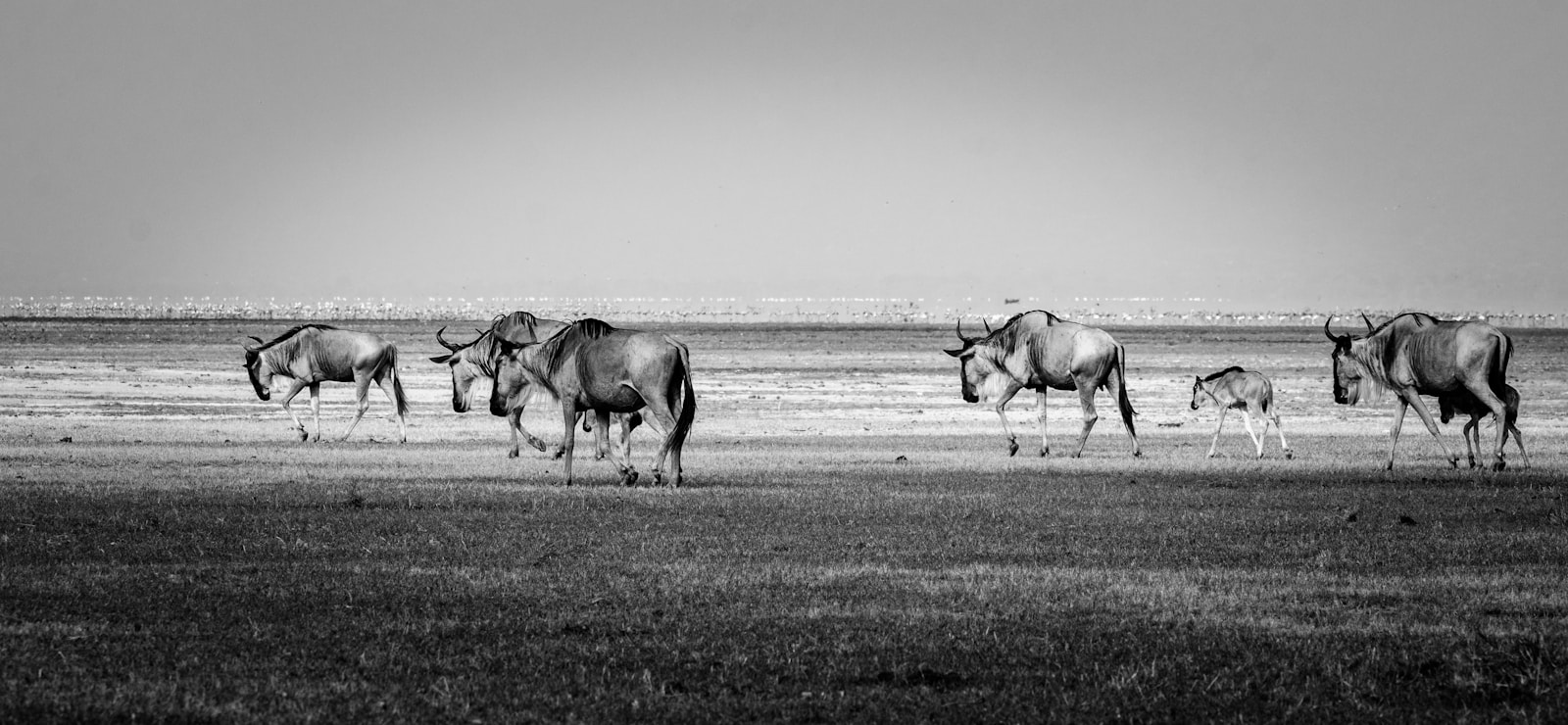
The Serengeti is also famous for the Great Migration, during which wildebeest, zebras, and gazelles move through different sections of the wider ecosystem in search of fresh grazing and water.
The migration is a continuous natural cycle rather than a single event occurring in one permanent location. Rainfall influences the exact timing and concentration of the herds.
The journey from the Lake Manyara area to central Serengeti often takes approximately five to six hours, but it can take longer depending on:
This is not simply an ordinary road transfer. The route passes through scenic areas, including the Ngorongoro highlands, and eventually becomes part of the game-viewing experience as you approach Serengeti.
Travelers should not expect to spend the entire transfer day on an intensive game drive. However, wildlife can often be encountered after entering the Serengeti ecosystem.
A minimum of four days is advisable, especially if traveling overland from Arusha. Five or six days provides a more comfortable experience.
A typical four-day itinerary might include:
This schedule is possible but relatively fast. It works best when the final transfer or flight is carefully planned.
A five-day itinerary allows more meaningful wildlife viewing:
A balanced Northern Circuit itinerary could be:
This option gives travelers a richer experience while reducing the sense of rushing between destinations.
Your safari usually begins with collection from an Arusha hotel or another agreed location. You travel toward Mto wa Mbu and Lake Manyara National Park.
After completing the entry formalities, you begin your game drive through the groundwater forest. Baboons, blue monkeys, bushbuck, and elephants may be encountered in this habitat.
The route then opens into woodland, grassland, and wetland environments. Depending on the season, you may see giraffes, zebras, buffaloes, warthogs, hippos, and numerous birds.
Lunch is normally served at a designated picnic site. After further wildlife viewing, you leave the park and continue to accommodation near Mto wa Mbu, Karatu, or the escarpment.
After breakfast, you travel through the Ngorongoro highlands. The drive offers views of farmland, forest, and the elevated landscape surrounding the conservation area.
Depending on the itinerary and available time, you may stop at a crater viewpoint or visit another attraction along the route.
You then descend toward the Serengeti plains. Wildlife viewing begins after entering the national park. You may encounter giraffes, zebras, gazelles, elephants, and predators before reaching your camp.
Dinner and overnight accommodation are provided inside Serengeti or near one of its boundaries, depending on the selected package.
An early breakfast is followed by a full day of wildlife exploration. Morning is an excellent time to look for predators before temperatures increase.
Your guide follows signs such as animal behavior, fresh tracks, distant vehicle activity, and information shared over the safari radio. However, ethical guides avoid crowding animals or disturbing natural behavior.
Possible encounters include:
Lunch may be served at a picnic area or provided as a packed meal during the drive. You continue exploring until late afternoon before returning to camp.
After breakfast, you enjoy another game drive in Serengeti. The route depends on recent wildlife movement and the location of your accommodation.
Later, you leave the Serengeti and travel toward the Ngorongoro Conservation Area. Along the way, you may continue seeing animals across the open plains.
You spend the night near the crater rim, in Karatu, or at another accommodation selected for the itinerary.
After an early breakfast, you descend into Ngorongoro Crater for a game drive. The crater supports a high concentration of resident wildlife.
Possible sightings include lions, elephants, buffaloes, hippos, zebras, wildebeest, hyenas, gazelles, and occasionally black rhinos.
After lunch and further game viewing, you ascend from the crater and return to Arusha. An airport transfer can sometimes be arranged, but travelers should book a sufficiently late flight to accommodate the drive and possible delays.
Lake Manyara and Serengeti can be visited throughout the year. The best time depends on your wildlife priorities, budget, preferred landscape, and tolerance for rain.
The dry season generally provides excellent wildlife viewing. Vegetation becomes less dense, and animals are frequently found near remaining water sources.
Advantages include:
Possible disadvantages include:
Short rains may begin during this period. The landscape becomes greener, migratory birds arrive, and dust can decrease.
Rain normally does not mean continuous rainfall every day. Showers may be short and followed by clear conditions, although weather cannot be guaranteed.
This is an excellent period for green scenery and predator activity. The wildebeest calving season usually occurs in the southern Serengeti ecosystem and Ndutu region, particularly from late January through February.
The exact location of the herds depends on rainfall and grass conditions.
These are traditionally the wetter months. Some travelers avoid this period, but it can offer:
Roads may become muddy, and some camps close seasonally. A suitable 4x4 vehicle and knowledgeable guide are important.
The Great Migration moves through the Serengeti ecosystem throughout the year. Travelers should choose the correct region rather than assuming that the herds remain in central Serengeti.
A general seasonal pattern is:
These months are guidelines, not fixed appointments. Rainfall can cause earlier or later movement.
A standard shared safari commonly focuses on central Serengeti. Reaching northern Serengeti or the Ndutu migration area usually requires a specially designed route and, in many cases, a private safari.
River crossings are possible in northern Serengeti, generally between July and October. However, they cannot be guaranteed.
The herds may wait near the river for hours or days before crossing. They can also change direction unexpectedly. Even experienced guides cannot schedule the exact moment of a crossing.
To improve your chances:
A one-night visit to northern Serengeti may not provide sufficient time.
Lake Manyara is worth visiting when travelers appreciate scenery, birdlife, elephants, forests, and a varied Northern Circuit itinerary.
It may be particularly suitable for:
However, visitors with very limited time and a strong focus on big cats may prioritize Serengeti and Ngorongoro instead. The best decision depends on the total length of the trip.
Both parks are accessible from Arusha, but they provide different experiences.
| Feature | Lake Manyara | Tarangire |
|---|---|---|
| Landscape | Forest, lake, wetland and escarpment | Baobabs, river valleys and open woodland |
| Famous for | Birds, primates, elephants and scenery | Elephants, baobabs and dry-season wildlife |
| Typical visit | Half day or full day | Full day |
| Best wildlife concentration | Varies with water and vegetation | Often excellent in the dry season |
| Birding | Excellent | Excellent |
| Atmosphere | Lush and compact | Broader and more rugged |
During the dry season, Tarangire often offers stronger concentrations of large animals around the Tarangire River. Lake Manyara remains appealing for its environmental diversity and scenery.
Some longer itineraries include both parks.
A Lake Manyara and Serengeti itinerary can use several accommodation styles.
Budget camping usually includes tents, mattresses, sleeping bags, meals prepared by a safari chef, and shared campsite facilities.
Public campsites inside Serengeti provide an adventurous experience. Facilities are basic, and hot water is not always guaranteed.
Travelers may need to bring:
A tented camp combines a canvas safari atmosphere with beds, furniture, and private bathroom facilities. Standards range from simple mid-range camps to luxury properties.
Many travelers choose tented camps in Serengeti because they provide comfort while maintaining a strong connection with the surrounding environment.
Lodges are permanent buildings that may offer restaurants, lounges, swimming pools, Wi-Fi, and spacious rooms.
Lodges are particularly common around Karatu, Mto wa Mbu, and the Lake Manyara area.
Luxury accommodation may include larger suites, premium dining, private decks, personalized service, and exclusive locations.
The most expensive property is not automatically the best choice. Location is crucial because a remote lodge can add substantial driving time.
In Serengeti, public and special campsites can be located inside the national park. This allows guests to remain close to wildlife areas and experience the sounds of nature at night.
Camps around Lake Manyara are often outside the park, near Mto wa Mbu or surrounding communities.
Campsites are generally unfenced. Guests must follow the guide’s instructions and should not walk alone after dark. Wildlife may occasionally pass near the campsite.
Camping safaris are generally safe when operated by experienced professionals and when travelers follow instructions.
Important rules include:
Animals do not usually view tents as prey, but careless behavior can create unnecessary risk.
Northern Tanzania safaris normally use a customized 4x4 Toyota Land Cruiser.
A properly equipped safari vehicle may include:
The pop-up roof allows travelers to stand safely during wildlife sightings while remaining inside the vehicle.
Roads can be dusty, rough, or muddy. Travelers with back problems or other health concerns should inform the safari company before booking.
No responsible safari operator can guarantee specific wildlife sightings. Wild animals move naturally, and their location changes according to food, water, weather, breeding behavior, and human activity.
Experienced guides improve the chances of excellent sightings by:
The Serengeti offers strong possibilities for seeing predators, but sightings of leopards, rhinos, or hunts should never be promised as guaranteed events.
A standard package commonly includes:
Travelers should confirm every inclusion in writing before paying.
Common exclusions include:
Never assume that domestic flights or airport transfers are included simply because the itinerary begins in another destination.
The price depends on:
Budget camping is normally the lowest-cost option. Shared departures may further reduce the per-person price.
Private mid-range and luxury safaris cost more but provide greater comfort and flexibility. Northern Serengeti migration itineraries are often more expensive because of longer distances, additional days, and seasonal accommodation demand.
Request a complete quotation showing:
Yes. Scheduled light-aircraft flights connect Serengeti airstrips with Arusha, Kilimanjaro, Zanzibar, and other safari regions.
A fly-in or fly-out itinerary can reduce road travel. For example, travelers can drive from Arusha through Lake Manyara to Serengeti and then fly from Serengeti to Zanzibar.
Advantages include:
Considerations include:
Travelers should confirm luggage allowances directly from their booking documents because limits vary by airline and aircraft.
Yes. Travelers staying in Zanzibar can fly to Arusha or Kilimanjaro and begin an overland safari. Another option is to fly directly to an airstrip in Serengeti.
For an itinerary that includes Lake Manyara, flying to Arusha is often practical because the park is around two hours away by road.
A possible plan is:
If time is limited, a fly-in Serengeti itinerary may be more efficient, although including Lake Manyara becomes less straightforward.
A two-day overland Serengeti safari is possible, but it is usually rushed. Much of the available time is spent driving between Arusha, Ngorongoro, and Serengeti.
Serengeti park permits are time-sensitive, and entry and exit times affect the game-viewing schedule.
A minimum of three days is more suitable for a Serengeti-focused trip. Four or five days is better when combining Serengeti with Lake Manyara and Ngorongoro.
A hot-air balloon flight normally begins early in the morning. Guests are collected before sunrise and transferred to the launch site.
The flight typically lasts around one hour, depending on wind and landing conditions. It may be followed by a celebratory breakfast.
Balloon safaris are optional and must usually be reserved in advance.
A Maasai community visit can introduce travelers to local traditions, homes, clothing, and community life. Choose an experience that is respectful and transparent about how fees benefit the community.
Near Lake Manyara, travelers can explore local farms, markets, food, art, and village life. Walking and cycling experiences may also be available.
Olduvai Gorge lies between Ngorongoro and Serengeti and is important for understanding human evolution. A museum visit can be added if the schedule permits.
Night drives are not generally permitted everywhere inside national parks. Where officially available, they may provide opportunities to see nocturnal animals.
Yes, the route can be adapted for families.
Helpful adjustments include:
Parents should check age restrictions for balloon flights, walking safaris, and certain camps.
A private safari is often more comfortable for families because parents can control departure times and breaks.
Yes, provided that the itinerary accounts for long drives, uneven roads, and entry into high vehicles.
Older travelers may prefer:
Travelers with mobility limitations should provide clear information before booking so suitable rooms and vehicles can be requested.
Recommended items include:
Early mornings around Serengeti and Ngorongoro can be cold, even when afternoons are warm.
Avoid carrying unnecessary hard-sided luggage, particularly when using small domestic aircraft.
Neutral colors such as khaki, beige, brown, and olive are practical because they blend with the environment and show dust less easily.
Bright colors are not prohibited on ordinary vehicle safaris, but neutral clothing is more comfortable for wildlife viewing.
Avoid military-style camouflage clothing because it may be restricted or considered inappropriate in some countries.
Dark blue and black clothing may attract tsetse flies in areas where they are present.
Mosquito activity varies by season, location, and accommodation.
Travelers can reduce bites by:
Not every camping tent includes a separate mosquito net, so travelers should confirm this before departure.
Safari meals may include a mixture of Tanzanian and international dishes. Common foods include rice, potatoes, vegetables, pasta, meat, eggs, fruit, soup, bread, and salads.
Vegetarian meals can usually be arranged. Vegan, halal, gluten-free, and allergy-sensitive meals require advance notice.
Travelers with severe allergies should describe exactly what must be avoided and carry appropriate medication.
Most organized safaris provide bottled or filtered drinking water in the vehicle. The exact quantity and policy should be confirmed in the package.
Travelers should drink regularly because heat, altitude, dry air, and long game drives can cause dehydration.
Toilets are available at park gates, visitor centers, picnic sites, lodges, and camps. They may range from modern facilities to basic campsite toilets.
There can be long periods between official facilities. Inform your guide early if you need a stop.
Travelers should carry tissues and hand sanitizer, although litter must never be left in the park.
Many lodges and tented camps offer Wi-Fi in common areas, but connections may be slow or unavailable due to the remote location.
Mobile coverage is inconsistent inside Serengeti. Travelers should prepare for periods without internet access.
A safari is more enjoyable when important work and travel arrangements are completed before entering remote areas.
Tipping is customary but should reflect service quality. A commonly suggested starting point for a group safari is approximately USD 10 per traveler per day for the guide and chef arrangements, although practices vary.
Private travelers may choose a higher combined amount because fewer guests share the tip.
Ask the operator for its current tipping guideline before departure.
Look for an operator that provides:
Membership in a recognized tourism association can add confidence, but travelers should still review the complete booking conditions.
Be cautious if an operator promises guaranteed wildlife sightings, requests unexplained payments, or refuses to identify accommodation.
A Lake Manyara safari Serengeti experience delivers a rewarding combination of scenery, habitats, and wildlife. Lake Manyara introduces travelers to forest ecosystems, Rift Valley landscapes, elephants, primates, and birdlife. Serengeti then expands the journey into vast plains filled with predators, herbivores, and seasonal migration activity.
For the best balance, allow at least five days and include two or more nights in Serengeti. Travelers with additional time can add Ngorongoro Crater, Tarangire National Park, cultural activities, or a Zanzibar beach extension.
The ideal safari is not simply the itinerary covering the greatest number of parks. It is the one that provides enough time to observe wildlife without spending every day rushing between destinations
Planning a budget Ngorongoro Crater safari holiday from Arusha? Compare a crater day trip, a two-day Tarangire and Ngorongoro safari, or a…
Read articleA Tanzania safari from Zanzibar can mean a short mainland trip during your beach holiday or a complete package with flights, game…
Read articleLooking for a group Tanzania safari price from Kilipath African Safaris? A published example for our four-day shared camping safari through Tarangire,…
Read articlePair game drives on Tanzania’s mainland with a few days on Zanzibar’s coast. With Kilipath African Safaris, you can start in Arusha…
Read article

