

Budget Ngorongoro Crater Safari Holiday
Planning a budget Ngorongoro Crater safari holiday from Arusha? Compare a crater day trip, a two-day Tarangire and Ngorongoro safari, or a…
Read articleArusha City - Tanzania
Safari & Travel Tips
August 14, 2026 · 7 min read
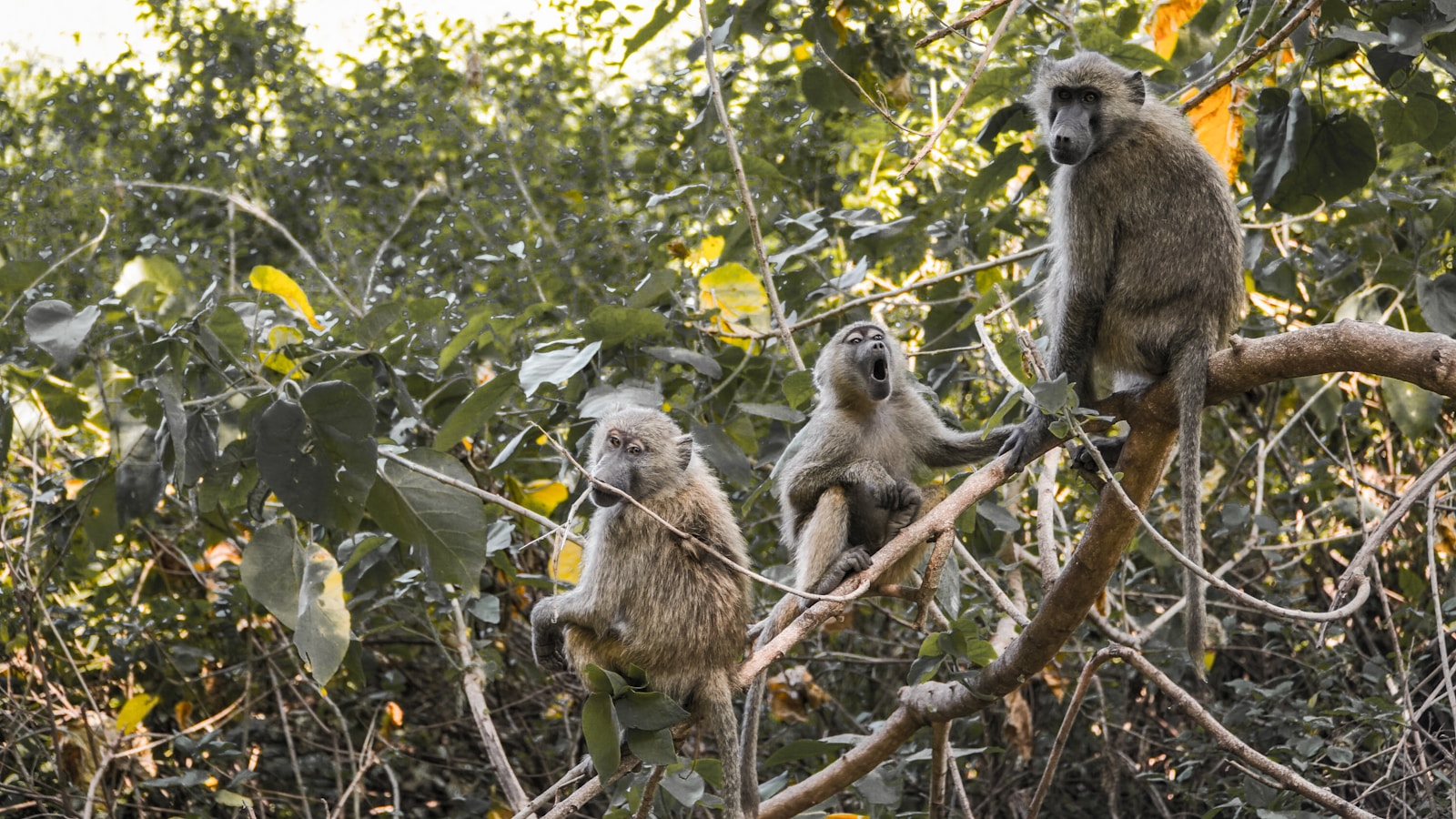
A Lake Manyara safari Serengeti adventure combines two of Tanzania’s most fascinating wildlife destinations. Lake Manyara National Park offers beautiful scenery, diverse birdlife, elephants, monkeys, and the possibility of seeing tree-climbing lions. The Serengeti provides vast plains, abundant predators, large wildlife herds, and the famous Great Migration.
Visiting both parks allows travelers to experience two completely different landscapes during one Northern Circuit safari.
Lake Manyara is compact, green, and easy to explore in a few hours. Serengeti National Park is enormous and normally requires at least two days to appreciate properly.
Together, they provide:
This combination is suitable for couples, families, honeymooners, photographers and first-time safari travelers.
Lake Manyara National Park is located approximately two hours from Arusha. The park lies beneath the dramatic Great Rift Valley escarpment and surrounds part of the shallow alkaline Lake Manyara.
Although smaller than the Serengeti, the park contains several different habitats, including groundwater forests, acacia woodland, open grasslands, wetlands and the lakeshore.
Wildlife commonly seen during a Lake Manyara safari includes:
Lake Manyara is also associated with tree-climbing lions. However, these lions are wild animals, so sightings cannot be guaranteed.
Lake Manyara is one of Tanzania’s most rewarding birdwatching destinations. Depending on the season and water conditions, visitors may see flamingos, pelicans, storks, hornbills, kingfishers, eagles and many other species.
The combination of forest, wetland and grassland habitats supports hundreds of bird species.
Serengeti National Park is one of Africa’s most famous safari destinations. Its name comes from the Maasai word often translated as “endless plains,” an appropriate description of its enormous open landscapes.
The Serengeti is famous for its high concentration of wildlife and excellent predator sightings.
Visitors may encounter:
The Central Serengeti, particularly the Seronera area, offers reliable wildlife viewing throughout the year.
The Great Migration involves huge herds of wildebeest, zebras and gazelles moving through the Serengeti–Mara ecosystem in search of water and fresh grazing.
The approximate movement is:
Migration timing can vary because it depends heavily on rainfall and grazing conditions. Travelers should choose the Serengeti region according to their travel dates.
The journey from Lake Manyara to Central Serengeti normally takes approximately five to six hours, depending on road conditions, stops and wildlife sightings.
The route passes through the Ngorongoro Conservation Area and offers beautiful views. Although it is a long drive, the journey forms part of the safari experience.
Travelers should start early to allow sufficient time for stops and an afternoon game drive after entering the Serengeti.
A minimum of four days is recommended for a safari combining Lake Manyara, Serengeti and Ngorongoro Crater.
A five-day itinerary provides a more relaxed experience and additional time in the Serengeti.
Day 1: Arusha to Lake Manyara
Drive from Arusha to Lake Manyara National Park. Enjoy a game drive through the forest, woodland and lakeshore areas before continuing to your accommodation near Karatu or Mto wa Mbu.
Day 2: Lake Manyara Area to Serengeti
Travel through the Ngorongoro Conservation Area toward Serengeti National Park. Enjoy an afternoon game drive before proceeding to your camp or lodge.
Day 3: Full-Day Serengeti Safari
Spend the entire day exploring the Serengeti. Your guide will select the most productive wildlife areas based on recent sightings and seasonal conditions.
Day 4: Serengeti to Ngorongoro Area
Enjoy another Serengeti game drive before traveling toward Ngorongoro. Overnight near the crater rim, Karatu or at a public campsite, depending on your safari category.
Day 5: Ngorongoro Crater to Arusha
Descend into Ngorongoro Crater for a game drive. After lunch, return to Arusha or continue to Kilimanjaro International Airport.
A Lake Manyara safari Serengeti trip can be enjoyed throughout the year.
This is the dry season in northern Tanzania. Wildlife often gathers near permanent water sources, vegetation becomes thinner, and animals may be easier to spot.
July through October is also the main period for visiting the Northern Serengeti in search of the migrating herds and possible river crossings.
This period is particularly attractive for travelers interested in the Ndutu calving season. Thousands of wildebeest calves are born, attracting lions, cheetahs, hyenas and other predators.
These are generally the wettest months. Landscapes become green and beautiful, visitor numbers are lower, and some accommodations offer reduced rates. However, heavy rainfall can affect roads and travel times.
November commonly brings short rains. The scenery becomes greener, migratory birds arrive, and safari areas are often less crowded.
Travelers can choose from several accommodation categories.
Budget camping usually includes tents, mattresses, sleeping bags, meals and camping assistance. Campsites generally have shared toilets and showers.
This option offers an adventurous experience and helps travelers stay closer to nature.
Mid-range accommodation normally provides private rooms or permanent tents with beds and en-suite bathrooms. It offers a balance between comfort and affordability.
Luxury camps may include spacious suites, premium locations, high-quality meals and personalized services. Some camps are positioned along seasonal migration routes.
Accommodation inside the Serengeti reduces daily driving time and allows travelers to begin game drives early.
A standard package commonly includes:
International flights, visas, travel insurance, tips, alcoholic drinks and optional activities are commonly excluded unless specifically mentioned.
Most Northern Circuit safaris use a specially prepared 4x4 Land Cruiser. A good vehicle should have:
The pop-up roof allows travelers to stand safely and enjoy unobstructed wildlife viewing and photography.
Recommended items include:
Avoid very bright clothing. Black and dark-blue clothes may attract tsetse flies in some safari areas.
Temperatures around Ngorongoro can become cold, especially early in the morning, so warm clothing is important.
For better safari photographs:
Photographers often benefit from booking a private safari because they can spend more time observing a particular animal or scene.
Yes. Lake Manyara and Serengeti can provide an excellent family safari when the itinerary is planned around the children’s ages.
Families should consider:
Parents should always supervise children and follow the guide’s safety instructions.
Safaris are generally safe when conducted with a professional operator and qualified guide.
Travelers should:
Wild animals may move through camps and lodges, particularly at night.
A Lake Manyara safari Serengeti journey offers an excellent introduction to Tanzania’s wildlife and natural beauty. Lake Manyara provides forests, birdlife, elephants and Rift Valley scenery, while the Serengeti delivers vast plains, predators and the possibility of witnessing the Great Migration.
For the best experience, allow at least four to five days, stay inside or close to the parks, and travel with an experienced local guide. Adding Ngorongoro Crater creates a complete Northern Tanzania safari covering three distinctive and unforgettable wildlife destinations.
Planning a budget Ngorongoro Crater safari holiday from Arusha? Compare a crater day trip, a two-day Tarangire and Ngorongoro safari, or a…
Read articleA Tanzania safari from Zanzibar can mean a short mainland trip during your beach holiday or a complete package with flights, game…
Read articleLooking for a group Tanzania safari price from Kilipath African Safaris? A published example for our four-day shared camping safari through Tarangire,…
Read articlePair game drives on Tanzania’s mainland with a few days on Zanzibar’s coast. With Kilipath African Safaris, you can start in Arusha…
Read article

