Skip to content
The Ngorongoro Conservation Area is one of Africa’s most extraordinary wildlife destinations a place where vast volcanic landscapes, dense wildlife populations, and Maasai culture exist side by side. Recognized as a UNESCO World Heritage Site, this iconic safari location is a must-visit on any Tanzania safari.
If you’re planning your adventure with Kilipath African Safari, this complete guide covers everything you need to know: wildlife, UNESCO status, camping options, fees, and the best way to visit.
Where Is the Ngorongoro Conservation Area?
The Ngorongoro Conservation Area is located in northern Tanzania, about 180 km west of Arusha. It forms part of Tanzania’s famous Northern Safari Circuit, which also includes:
- Serengeti National Park
- Tarangire National Park
- Lake Manyara National Park
The conservation area spans approximately 8,292 square kilometers and includes highlands, plains, forests, and the world-famous Ngorongoro Crater.
UNESCO World Heritage Status
The Ngorongoro Conservation Area was declared a UNESCO World Heritage Site in 1979 and later recognized as a mixed cultural and natural heritage site.
What makes it unique?
- It is the world’s largest intact volcanic caldera.
- It supports one of the highest densities of wildlife in Africa.
- It protects archaeological sites like Olduvai Gorge, where early human fossils were discovered.
- It allows the Maasai people to live and graze livestock alongside wildlife.
This rare combination of conservation and human habitation makes Ngorongoro unlike any other park in Tanzania.
The Ngorongoro Crater: Africa’s Natural Wildlife Arena
The Ngorongoro Crater is the highlight of the conservation area.
- Diameter: ~19 km
- Depth: ~600 meters
- Wildlife population: 25,000+ animals
Often called “Africa’s Garden of Eden,” the crater floor offers one of the easiest places in Africa to see the Big Five in a single day.
Wildlife You Can See
Inside the crater, you may encounter:
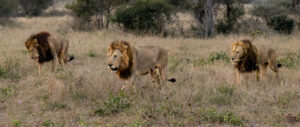
- Lions
- Elephants (including large tuskers)
- Black rhinos
- Buffalo
- Leopards
- Cheetahs
- Hyenas
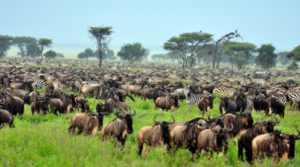
- Zebras
- Wildebeest
- Flamingos at Lake Magadi
Because animals rarely migrate out of the crater, game viewing is consistent year-round.
Beyond the Crater: What Else Is in Ngorongoro?
While most visitors focus on the crater, the conservation area includes:
Olduvai Gorge
One of the most important paleoanthropological sites in the world, often called the “Cradle of Mankind.”
Empakaai Crater
A beautiful, less-visited crater with a soda lake and flamingos.
Olmoti Crater
Ideal for walking safaris and scenic hikes.
Maasai Villages
Cultural visits allow travelers to learn about traditional Maasai life, customs, and cattle herding traditions.
Best Time to Visit Ngorongoro
Ngorongoro is a year-round safari destination, but conditions vary:
Dry Season (June – October)
- Best wildlife viewing
- Fewer mosquitoes
- Clear crater views
- Peak safari season
Green Season (November – May)
- Lush scenery
- Fewer tourists
- Lower lodge prices
- Excellent photography conditions
Because the crater wildlife stays resident, there is no “bad” time to visit.
Ngorongoro Safari Costs & Park Fees (2026 Guide)
Ngorongoro is one of Tanzania’s more premium parks due to conservation fees.
Typical costs include:
- Conservation area entry fee (per person, per day)
- Crater service fee (per vehicle)
- Vehicle permit
- Guide/driver services
When booking with Kilipath African Safari, these fees are usually included in your package for transparency and convenience.
Camping in Ngorongoro Conservation Area
There are two main camping options:
Public Campsites
- Budget-friendly
- Shared facilities
- Popular with overland and adventure travelers
Special Campsites
- Private
- Booked exclusively
- Ideal for luxury mobile camping safaris
For travelers seeking more comfort, crater rim lodges and tented camps offer spectacular sunrise views over the caldera.
How to Visit Ngorongoro Conservation Area
Option 1: Day Trip from Arusha
Possible but long. Expect 10–12 hours total travel and game viewing.
Option 2: Part of a Northern Circuit Safari (Recommended)
Most travelers combine Ngorongoro with:
- Serengeti safari
- Tarangire elephant safari
- Lake Manyara tree-climbing lions
A 4–7 day itinerary allows a more relaxed experience.
Why Choose Kilipath African Safari for Ngorongoro?
When visiting a world-class destination like Ngorongoro, the experience depends on expert planning.
With Kilipath African Safari, you get:
- Professional safari guides
- Custom safari itineraries
- Flexible accommodation options (budget to luxury)
- Transparent pricing
- Local Tanzanian expertise
We design safaris that maximize wildlife sightings while ensuring comfort and responsible tourism.
Frequently Asked Questions
Is Ngorongoro better than Serengeti?
They offer different experiences. Ngorongoro provides dense wildlife in a compact area, while the Serengeti offers vast plains and the Great Migration.
Can you see the Big Five in Ngorongoro?
Yes. It’s one of the best places in Africa to see the Big Five in a single day.
How many days do you need?
1 full day in the crater is enough, but 2 days allows exploration of surrounding highlands.
Is Ngorongoro suitable for families?
Yes. The crater’s high wildlife density makes it rewarding even for shorter game drives.
Final Thoughts
The Ngorongoro Conservation Area is not just another safari stop it is one of the most spectacular natural wildlife sanctuaries on Earth. From its UNESCO recognition to its dramatic crater landscape and cultural heritage, it offers an unforgettable Tanzania safari experience.
If you’re planning your journey, Kilipath African Safari can help you craft the perfect Ngorongoro safari whether it’s a luxury honeymoon, family adventure, or photography expedition.