

Budget Ngorongoro Crater Safari Holiday
Planning a budget Ngorongoro Crater safari holiday from Arusha? Compare a crater day trip, a two-day Tarangire and Ngorongoro safari, or a…
Read articleArusha City - Tanzania
Safari & Travel Tips
October 10, 2026 · 4 min read
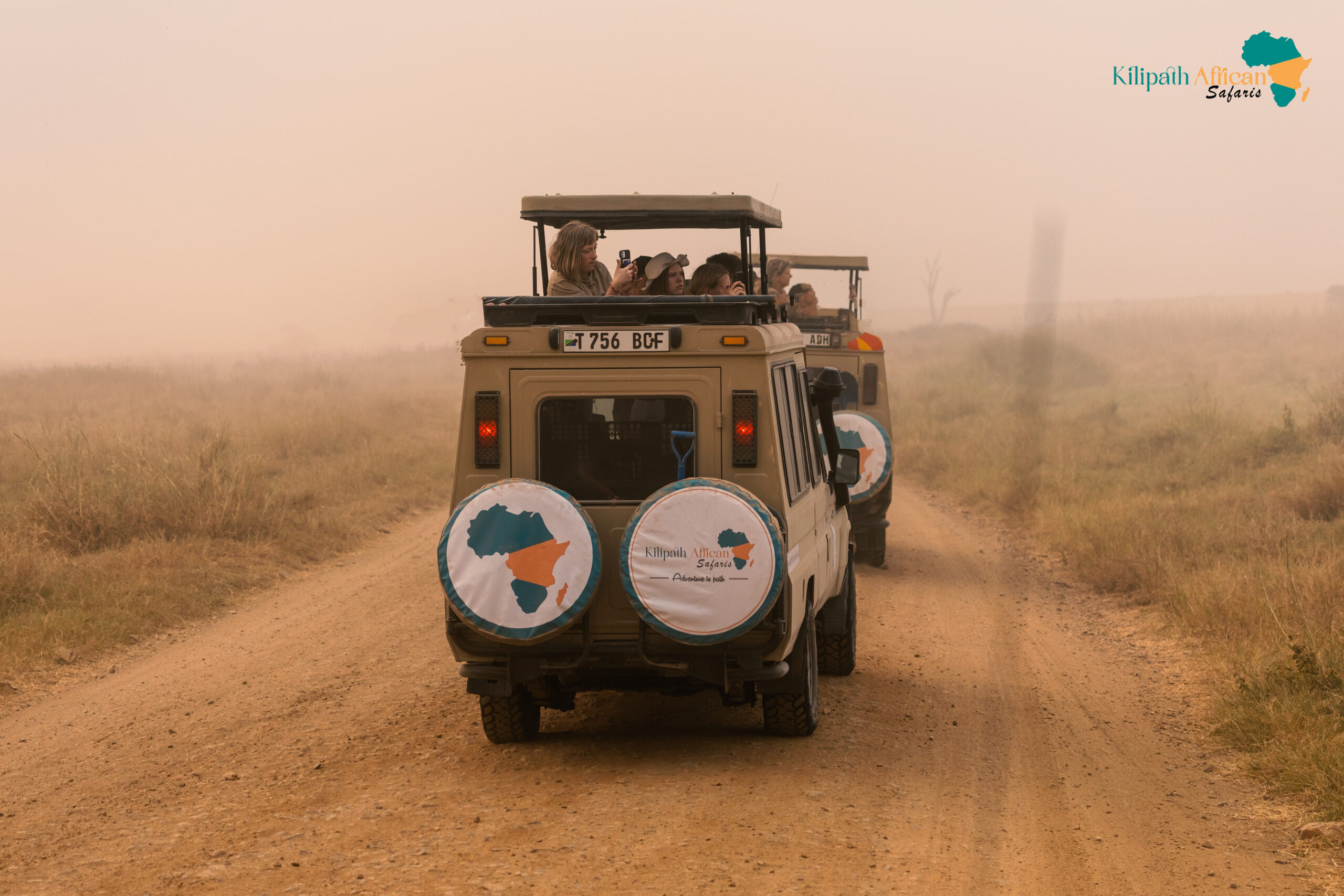
A photography Ngorongoro Crater safari vacation brings together wildlife encounters, sweeping landscapes and opportunities to capture Tanzania’s natural beauty. Whether you travel with a professional camera or a smartphone, thoughtful planning helps you spend more time observing animals and creating memorable photographs.
Kilipath African Safaris can help you arrange a safari around your interests, accommodation preferences and available travel days. Start by deciding whether photography is the main purpose of your holiday or one part of a broader wildlife adventure.
Ngorongoro’s volcanic landscape gives wildlife photographs a distinctive setting. Open grasslands, wooded areas and the surrounding crater walls offer different backgrounds within one destination. The conservation authority identifies the crater as a major attraction for its scenery and concentration of wildlife. Ngorongoro Lengai Geopark
For photographers, this variety encourages a balanced collection of images: close animal portraits, behaviour sequences and wider photographs that show wildlife within its environment.
Avoid spending the entire drive looking through your viewfinder. Watching an animal first can help you anticipate movement and choose a stronger composition.
Tell your consultant which subjects matter most to you. You might prefer predators, birds, large mammals or landscape photography. Your guide can use those interests to shape the drive, although animal sightings and behaviour remain unpredictable.
Prepare a simple photography wish list:
Treat this list as inspiration. Some of your best photographs may come from an unexpected encounter.
Soft light can bring out fur detail and create pleasing colours, while stronger sunlight may produce dramatic shadows. Discuss the earliest practical departure with your operator, taking account of accommodation location, access arrangements and travel time.
An early departure does not guarantee sunrise photography on the crater floor. Ask for a realistic schedule before booking.
During brighter conditions, pay attention to the direction of the light. A slight change in vehicle position, when safe and permitted, can improve your background or reduce harsh shadows across an animal’s face.
You do not need an expensive camera to enjoy a photography safari. Bring equipment you understand and can operate quickly.
| Equipment | How it helps |
|---|---|
| Camera with a telephoto zoom | Frames animals at a respectful distance |
| Wide-angle lens or smartphone | Captures landscapes and travel scenes |
| Spare batteries and memory cards | Keeps you ready throughout the drive |
| Camera beanbag | Supports a heavier lens against a suitable vehicle surface |
| Protective bag and lens cloth | Helps manage dust and keep equipment organised |
A zoom lens offers flexibility when animals change position. Avoid changing lenses unnecessarily in dusty conditions, and keep your camera accessible without blocking other passengers.
For moving animals, begin with a fast shutter speed and adjust it to the subject’s pace. Continuous autofocus and short bursts can help you capture changing expressions or movement.
For portraits, focus carefully on the nearest visible eye. Review a few images at full magnification to check sharpness, especially after changing settings.
Smartphone users should avoid excessive digital zoom. Include the surrounding landscape when an animal is distant, keep the phone steady and tap the subject to set focus.
Whatever equipment you use, a sharp, thoughtfully composed photograph is more useful than a large collection of rushed images.
Day 1: Arusha to Tarangire
Enjoy a game drive, practise your camera settings and continue to your booked accommodation.
Day 2: Ngorongoro Crater
Depart early according to the confirmed schedule, descend for a game drive and photograph wildlife and landscapes from permitted locations.
Day 3: Return to Arusha
Enjoy breakfast and return to Arusha. Any additional activity should be agreed in advance and fit your onward travel arrangements.
This is a proposed private itinerary; the final route depends on your dates and preferences.
Choose accommodation by considering comfort, budget and its location relative to the crater access route. Confirm journey times, meal arrangements and charging facilities before booking.
Follow your guide’s instructions, keep noise low and give animals space. Never request that wildlife be disturbed for a photograph. Ask permission before photographing people.
Send us your travel dates, number of travellers, preferred accommodation and photography interests. Mention whether you prefer a private or shared safari and share your arrival and departure details.
Contact Kilipath African Safaris for a personalised Ngorongoro Crater photography safari quotation and a clear itinerary suited to your vacation.
Planning a budget Ngorongoro Crater safari holiday from Arusha? Compare a crater day trip, a two-day Tarangire and Ngorongoro safari, or a…
Read articleA Lake Manyara safari can cost USD 150–220 per person for a shared day trip from Arusha. A published example of a…
Read articleA Tanzania safari from Zanzibar can mean a short mainland trip during your beach holiday or a complete package with flights, game…
Read articleLooking for a group Tanzania safari price from Kilipath African Safaris? A published example for our four-day shared camping safari through Tarangire,…
Read article

