Skip to content

A Ngorongoro Crater safari Lake Manyara planning experience combines two remarkably different wildlife destinations within Tanzania’s famous Northern Safari Circuit. Lake Manyara National Park introduces you to lush groundwater forests, elephants, primates, birdlife, and beautiful Rift Valley scenery. Ngorongoro Crater then delivers one of Africa’s most concentrated wildlife-viewing experiences inside an ancient volcanic caldera.
Because the parks are relatively close to each other, they can easily be included in a two-day safari, combined with Tarangire for three days, or connected with Serengeti National Park for a more complete Tanzania safari.
At Kilipath African Safaris, we organize private and shared safari packages according to your travel dates, budget, accommodation preference, and arrival location. Whether you are planning a quick safari from Arusha, a family holiday, a romantic private tour, or a longer Serengeti adventure, we can help you create a smooth and rewarding itinerary.
Why Combine Ngorongoro Crater and Lake Manyara?
Although both destinations belong to Tanzania’s Northern Safari Circuit, their landscapes and wildlife experiences are very different.
Lake Manyara National Park is known for its ecological variety. Within a relatively compact area, visitors may encounter groundwater forest, open grassland, acacia woodland, wetlands, hot springs, and the shores of the alkaline lake. The park is particularly enjoyable for elephants, baboons, monkeys, giraffes, buffaloes, zebras, antelopes, and birds.
Ngorongoro Crater offers a more dramatic and concentrated safari. After descending from the forested crater rim, you enter a vast natural basin containing grasslands, marshes, woodland, freshwater springs, and Lake Magadi. This combination supports large numbers of animals throughout the year.
Combining the two areas gives travelers:
- Two completely different landscapes
- Excellent wildlife-viewing opportunities
- Manageable driving distances
- A chance to see both forest and open-plains species
- Flexible budget, mid-range, and luxury accommodation
- An excellent short safari option from Arusha
- Easy connections with Tarangire and Serengeti
This route is particularly suitable for first-time visitors, couples, families, photographers, and travelers who have limited time in northern Tanzania.
Lake Manyara National Park: What to Expect
Lake Manyara National Park lies beneath the dramatic cliffs of the Great Rift Valley. It is often visited at the beginning or end of a Northern Circuit safari because of its convenient location between Arusha and the Ngorongoro Highlands.
The entrance takes you into a cool groundwater forest with towering trees and dense vegetation. Troops of baboons are commonly seen close to the road, while blue monkeys move through the forest canopy. As the landscape opens, you may encounter elephants, giraffes, buffaloes, zebras, impalas, warthogs, and different species of antelope.
Wildlife in Lake Manyara
Lake Manyara is especially appreciated for the variety of animals that can be seen within a small area. Sightings vary according to rainfall, water levels, vegetation, and natural animal movement, but the park may offer opportunities to see:
- African elephants
- Masai giraffes
- Cape buffaloes
- Zebras
- Hippos
- Baboons
- Blue monkeys
- Impalas
- Warthogs
- Waterbucks
- Bushbucks
- Spotted hyenas
- Lions
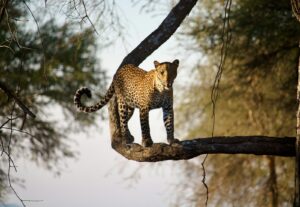
- Leopards
- Numerous bird species
Lake Manyara is historically associated with tree-climbing lions. However, lions are wild animals and sightings cannot be guaranteed. Their location changes according to prey, vegetation, weather, and other natural conditions.
Elephants are often among the park’s most memorable residents. They may be seen crossing the road, feeding in woodland, or moving quietly through the forest.
Birdwatching at Lake Manyara
Lake Manyara is an excellent destination for bird lovers. The combination of woodland, forest, wetlands, grassland, and lake habitat attracts an impressive variety of birds.
Depending on the season and lake conditions, travelers may encounter flamingos, pelicans, storks, hornbills, kingfishers, eagles, herons, cormorants, and many smaller species.
Flamingo numbers vary because these birds move between alkaline lakes in response to food and water conditions. It is therefore best to consider them a possible highlight rather than a guaranteed sighting.
Lake Manyara Scenery
Wildlife is only one part of the Lake Manyara experience. The escarpment rising above the park creates a beautiful background, while the changing habitats make every section of the game drive feel different.
The park is an excellent choice for travelers who appreciate landscapes, photography, birds, primates, and a peaceful introduction to Tanzania’s wildlife.
Ngorongoro Crater: What to Expect
Ngorongoro Crater is the central attraction within the Ngorongoro Conservation Area. Formed by the collapse of a massive ancient volcano, the crater is approximately 600 meters deep and contains a floor covering roughly 260 square kilometers.
Visitors normally spend the night around Karatu, near the conservation-area entrance, or at accommodation on or close to the crater rim. Early the following morning, the safari vehicle travels to the descent road and enters the crater.
The descent itself is unforgettable. Forested walls give way to an enormous open landscape where animals may be visible across the plains.
Wildlife in Ngorongoro Crater
The crater supports a high concentration of resident wildlife. Its grasslands, water sources, swamps, and woodland provide suitable habitats for both predators and herbivores.
Animals commonly observed may include:
- Lions
- Spotted hyenas
- Wildebeest
- Zebras
- Cape buffaloes
- Hippos
- Warthogs
- Thomson’s gazelles
- Grant’s gazelles
- Elands
- Jackals
- Ostriches
- Elephants
- Black rhinoceroses
Ngorongoro is regarded as one of Tanzania’s important places for a possible black-rhino sighting. Nevertheless, rhinos may remain far from the road, partially hidden in vegetation, or outside clear viewing range. Binoculars are useful, and sightings are never guaranteed.
Large male elephants are sometimes found near Lerai Forest and other wooded sections of the crater. Elephant herds with young animals are less commonly seen on the crater floor than in parks such as Tarangire or Lake Manyara.
Predators in the Crater
The abundance of herbivores supports a healthy predator population. Lions and spotted hyenas are among the animals most frequently observed. Visitors might see lions resting in the grass, hyenas searching for food, or jackals moving across the plains.
Cheetahs and leopards can occur in the wider conservation area, but they are less predictable on a typical crater-floor game drive.
Lake Magadi and the Hippo Pool
Lake Magadi is a shallow alkaline lake located on the crater floor. Its appearance changes according to rainfall and seasonal water conditions. Flamingos and other waterbirds may gather around the lake when conditions are favorable.
The hippo pool is another popular area. Visitors may stop nearby for a picnic lunch while watching hippos resting in the water. All food and waste must be handled responsibly because the crater remains a protected wildlife environment.
Lake Manyara Versus Ngorongoro Crater
| Feature | Lake Manyara | Ngorongoro Crater |
|---|---|---|
| Landscape | Forest, woodland, wetlands and lake | Open caldera, grassland, marsh and woodland |
| Famous for | Elephants, primates, birds and Rift Valley scenery | Dense wildlife, predators and possible rhino sightings |
| Typical game drive | Half day or full day | Approximately 4–6 hours on the crater floor |
| Best accommodation area | Mto wa Mbu, Manyara or Karatu | Karatu, conservation area or crater rim |
| Safari atmosphere | Green, varied and intimate | Dramatic, open and wildlife-rich |
| Suitable for | Birders, families and nature lovers | First-time visitors, photographers and Big Five seekers |
The two parks should not be treated as substitutes. Lake Manyara offers habitat diversity and forest wildlife, while Ngorongoro provides concentrated viewing in a spectacular volcanic setting.
Recommended Two-Day Safari Itinerary
A two-day itinerary is the shortest practical way to experience both destinations from Arusha.
Day 1: Arusha to Lake Manyara National Park
Your safari begins with pickup from your hotel in Arusha. After meeting your professional guide, you travel southwest toward Lake Manyara. The drive passes local communities, farms, and beautiful countryside before reaching the Rift Valley.
After completing the entrance formalities, you begin your Lake Manyara game drive. Depending on animal movement, you may explore the groundwater forest, acacia woodland, open plains, hippo areas, and sections near the lakeshore.
A picnic or packed lunch can be served during the game drive. In the afternoon, you leave the park and continue to your accommodation around Mto wa Mbu or Karatu.
Meal plan: Lunch and dinner
Accommodation: Budget, mid-range or luxury lodge near Manyara or Karatu
Day 2: Ngorongoro Crater and Return to Arusha
After an early breakfast, you drive to the Ngorongoro Conservation Area. Your guide completes the necessary registration before continuing toward the crater descent road.
You descend into the crater for an extensive game drive. The route may cover the open plains, Lake Magadi, Lerai Forest, marshes, and the hippo pool, depending on wildlife locations and road conditions.
After lunch and further wildlife viewing, you ascend the crater wall and begin the return journey to Arusha. Arrival is normally in the late afternoon or early evening, although the exact time depends on traffic, weather, and the day’s program.
Meal plan: Breakfast and lunch
Accommodation: Not included unless requested
This itinerary is ideal for visitors who want a short safari before traveling to Zanzibar, climbing Mount Kilimanjaro, or continuing to another destination.
Recommended Three-Day Safari Itinerary
Adding Tarangire creates a more varied three-day safari.
Day 1: Arusha to Tarangire National Park
Drive from Arusha to Tarangire for a game drive among baobab trees, seasonal river habitats, and areas frequently visited by elephants. Continue to your lodge in the Manyara or Karatu area.
Day 2: Ngorongoro Crater
Travel early to Ngorongoro, descend into the crater, and spend the day exploring its varied habitats. Return to Karatu for dinner and overnight.
Day 3: Lake Manyara and Arusha
After breakfast, drive to Lake Manyara for a game drive focused on elephants, primates, woodland wildlife, and birdlife. Return to Arusha after the safari.
This itinerary reduces unnecessary backtracking and includes three contrasting protected areas.
Five-Day Northern Tanzania Safari
Travelers with more time can combine Lake Manyara and Ngorongoro with Serengeti National Park.
A typical five-day route could be:
- Day 1: Arusha to Lake Manyara
- Day 2: Lake Manyara or Karatu to Serengeti
- Day 3: Full-day Serengeti game drive
- Day 4: Serengeti to Ngorongoro or Karatu
- Day 5: Ngorongoro Crater and return to Arusha
This journey gives you a broader understanding of northern Tanzania’s ecosystems. You experience Lake Manyara’s forests, the Serengeti plains, the Ngorongoro Highlands, and the wildlife-rich crater floor.
Additional nights can be added in Serengeti for more relaxed game drives and better photography opportunities.
Best Time to Visit
Ngorongoro Crater and Lake Manyara can be visited throughout the year. The best period depends on your priorities.
June to October: Dry Season
The dry season generally offers comfortable safari conditions and easier wildlife viewing because vegetation may be less dense. Animals often gather near permanent water sources.
This period is popular, so accommodations and vehicles may be booked well in advance. July, August, September, and October can be particularly busy.
November to December: Short Rains
The short rains may refresh the landscape and create excellent photographic conditions. Rain usually does not continue all day, although patterns are unpredictable.
The parks may feel greener, and there can be fewer visitors than during the busiest dry-season months.
January to March: Warm and Green
These months often bring warm temperatures, green landscapes, and good birdwatching. Ngorongoro remains productive for wildlife throughout this period.
This can also be an excellent time to connect the safari with the Ndutu region for the wildebeest calving season, depending on annual migration movement.
April to May: Long-Rain Period
The longer rains normally occur during April and May. Landscapes become beautifully green, but some roads can be muddy and travel times may increase.
Advantages may include fewer safari vehicles, quieter accommodations, dramatic skies, and seasonal offers from selected lodges. Travelers should bring suitable rain protection and maintain some flexibility.
Where to Stay
Accommodation selection strongly influences the comfort, atmosphere, and price of your safari.
Mto wa Mbu
Mto wa Mbu is located close to Lake Manyara and offers easy access to the park. It is a lively town with farms, local markets, workshops, and cultural activities.
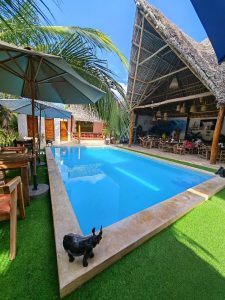
Accommodation here ranges from simple guesthouses and camps to comfortable lodges. It is a practical choice for travelers prioritizing Lake Manyara or a cultural tour.
Karatu
Karatu lies between Lake Manyara and the Ngorongoro Conservation Area. It is one of the most convenient bases for itineraries combining the two destinations.
The area offers:
- Budget lodges
- Mid-range country lodges
- Farm-style accommodation
- Boutique properties
- Luxury retreats
Karatu is cooler than the lowlands and is surrounded by farmland and green hills. Staying here normally offers better value than sleeping directly on the crater rim.
Ngorongoro Crater Rim
Crater-rim lodges provide an atmospheric location and may reduce the morning drive to the descent gate. Selected properties have spectacular views into the caldera.
The main disadvantage is cost. Rim accommodation is generally more expensive than comparable properties in Karatu.
Inside the Conservation Area
Tented camps and lodges within the wider conservation area can provide convenient access and a remote safari atmosphere. Their location should always be checked carefully because “Ngorongoro accommodation” does not automatically mean that a property overlooks the crater.
Budget, Mid-Range or Luxury Safari?
Budget Safari
A budget trip may use public camping or simple lodges outside the protected areas. It focuses on wildlife and keeps accommodation costs lower.
Camping packages can include tents, mattresses, sleeping bags, meals prepared by a safari chef, and shared campsite facilities.
Mid-Range Safari
Mid-range safaris generally use comfortable lodges or tented camps with private bathrooms. This category is popular with couples, families, and first-time safari travelers because it balances comfort and price.
Luxury Safari
Luxury itineraries may include crater-rim lodges, premium tented camps, larger rooms, refined dining, personalized service, and enhanced privacy.
Luxury does not necessarily produce more wildlife sightings, but it can improve the comfort, location, and overall style of the journey.
Private Versus Shared Safari
Private Safari
On a private safari, the vehicle and guide are reserved for your booking. This provides greater flexibility over departure times, photographic stops, and the pace of the journey.
A private safari is especially suitable for:
- Couples seeking privacy
- Families with children
- Photographers
- Honeymoon travelers
- Small groups
- Guests with special interests
- Travelers requiring a customized route
Shared Safari
A shared safari allows you to join other travelers and divide transport costs. It is an economical option for solo travelers and couples.
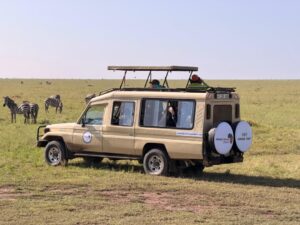
At Kilipath African Safaris, shared safaris use a 4×4 vehicle with a pop-up roof, and every traveler receives a window seat. Because the group follows one confirmed itinerary, shared tours have less flexibility than private safaris.
Availability should be confirmed for your exact travel dates.
How Much Does the Safari Cost?
The cost of a Ngorongoro and Lake Manyara safari depends on:
- Number of travelers
- Private or shared transport
- Number of safari days
- Accommodation category
- Travel season
- Room arrangement
- Pickup and drop-off locations
- Additional parks
- Airport transfers
- Optional cultural or walking activities
The quotation should clearly explain whether it includes park entry fees, crater service fees, accommodation, meals, transport, guide services, drinking water, and applicable taxes.
Travelers should avoid comparing safari prices based only on the final amount. One package may include airport transfers, full-board accommodation, and crater fees, while another may exclude them.
Request a detailed written itinerary and list of inclusions before confirming.
What Is Usually Included?
A professionally organized package commonly includes:
- 4×4 safari Land Cruiser
- Professional English-speaking guide
- Park entry fees
- Ngorongoro Crater service fee
- Accommodation specified in the itinerary
- Meals during the safari
- Drinking water
- Game drives
- Government taxes
- Arusha hotel pickup and drop-off
- Camping equipment and chef for camping packages
Depending on the selected offer, soft drinks, airport transfers, pre-safari accommodation, or additional activities may also be included.
What Is Usually Excluded?
Typical exclusions include:
- International flights
- Tanzania visa costs
- Travel insurance
- Tips for the guide and safari crew
- Alcoholic drinks
- Personal purchases
- Laundry
- Optional activities
- Medical expenses
- Accommodation before or after the safari unless stated
- Domestic flights unless specifically included
Always review the final quotation because inclusions differ between companies and packages.
Optional Activities Near Lake Manyara
A Lake Manyara itinerary can be enhanced with activities outside the standard game drive.
Mto wa Mbu Cultural Tour
A guided community visit may include local farms, markets, workshops, food preparation, and an introduction to everyday life in the area. The experience should be conducted respectfully and with a knowledgeable local guide.
Treetop Walkway
The canopy walkway near Lake Manyara provides a different view of the forest. It can be added if timing and availability allow.
Bicycle Tour
Cycling tours around Mto wa Mbu may pass farms, villages, banana plantations, and areas near the Rift Valley. Routes and safety conditions should be discussed in advance.
Maasai Cultural Visit
A visit to a Maasai community can be arranged as part of some itineraries. Choose experiences that are transparent, respectful, and beneficial to the participating community.
What to Pack
Pack light, especially when using domestic flights or joining a shared safari. A soft-sided travel bag is easier to store than a large rigid suitcase.
Recommended items include:
- Neutral-colored lightweight clothing
- Warm jacket or fleece
- Comfortable closed shoes
- Sun hat
- Sunglasses
- Sunscreen
- Insect repellent
- Personal medication
- Camera and spare batteries
- Binoculars
- Reusable water bottle
- Small daypack
- Rain jacket
- Travel documents
- Power bank
- Cash for tips and personal expenses
Ngorongoro mornings can be cold because of the elevation. Layered clothing allows you to remain comfortable during the early descent and remove warmer garments later.
Avoid extremely bright colors during game drives. Neutral green, beige, brown, and gray clothing is practical.
Photography Tips
Both destinations offer excellent photography, but they require slightly different approaches.
At Lake Manyara, animals may appear among trees or dense vegetation. Be ready to adjust exposure and focus quickly as the vehicle moves between shade and open areas.
In Ngorongoro, wildlife may be far across the plains. A telephoto lens is extremely useful, while a wider lens helps capture the crater walls and large animal groups.
Helpful photography advice includes:
- Keep your camera accessible before entering the park
- Bring extra batteries and memory cards
- Use a dust-protective camera bag
- Ask the guide to position the vehicle safely
- Avoid making loud noises at sightings
- Do not ask the guide to drive off designated roads
- Carry binoculars for distant rhino sightings
- Photograph landscapes as well as animals
A private safari offers photographers more control over the length and position of stops.
Responsible Safari Travel
Ngorongoro and Lake Manyara are protected ecosystems. Responsible visitor behavior helps preserve wildlife and habitats.
Travelers should:
- Never feed wild animals
- Keep noise levels low
- Stay inside the vehicle unless the guide confirms an authorized area
- Avoid leaving plastic or food waste
- Respect park speed limits
- Follow the guide’s safety instructions
- Maintain an appropriate distance from wildlife
- Avoid pressuring guides to drive off-road
- Use refillable bottles where possible
- Respect local people and request permission before taking portraits
Responsible tourism also involves selecting operators that employ professional local guides, treat staff fairly, follow park regulations, and support conservation.
Plan Your Safari with Kilipath African Safaris
The best Ngorongoro Crater safari Lake Manyara planning process begins with your travel dates, group size, accommodation preference, and total number of available days.
Our team can help you arrange:
- Private and shared safari packages
- Budget, mid-range, and luxury accommodation
- Airport pickup and drop-off
- Arusha accommodation
- Family and honeymoon safaris
- Vegetarian and other dietary requirements
- Lake Manyara, Ngorongoro, Tarangire, and Serengeti combinations
- Zanzibar flight connections
- Customized itineraries
- Professional safari guides
- Guaranteed window seats on shared departures
Contact Kilipath African Safaris with your preferred dates, number of travelers, and accommodation level. We will prepare a detailed itinerary and transparent quotation designed around your Tanzania journey.
Start planning today and experience the forests of Lake Manyara, the dramatic walls of Ngorongoro, and some of Tanzania’s most memorable wildlife encounters in one carefully organized safari.