Skip to content

A Ngorongoro Crater safari Nyerere vacation combines two remarkably different wildlife destinations in Tanzania. Ngorongoro Crater offers concentrated game viewing within a spectacular volcanic landscape, while Nyerere National Park provides an expansive wilderness filled with rivers, lakes, woodlands, and fewer safari vehicles.
This combination is ideal for travelers who want to experience both Tanzania’s Northern and Southern safari circuits. In Ngorongoro, visitors descend into a natural wildlife sanctuary where lions, elephants, buffaloes, hippos, and occasionally black rhinos can be seen. In Nyerere, travelers can enjoy traditional game drives alongside boat safaris and, where permitted, guided walking experiences.
Although the two destinations are located far apart, domestic flights make it possible to combine them efficiently. A carefully planned itinerary can provide excellent wildlife encounters without spending unnecessary time on long road transfers.
Why Combine Ngorongoro Crater and Nyerere National Park?
Ngorongoro and Nyerere complement each other beautifully because they offer different landscapes and safari styles.
Ngorongoro Crater is famous for:
- Excellent wildlife density
- Dramatic crater scenery
- Opportunities to search for the black rhino
- Large populations of lions, buffaloes, zebras, and wildebeest
- Convenient combination with Tarangire and Serengeti
Nyerere National Park is known for:
- Vast and uncrowded wilderness
- The Rufiji River and its surrounding lakes
- Boat safaris
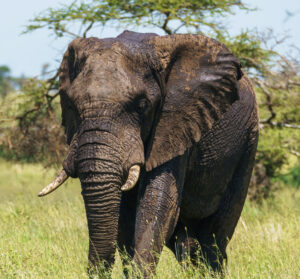
- Large elephant and buffalo populations
- African wild dogs
- Hippos, crocodiles, and abundant birdlife
- A peaceful Southern Circuit safari atmosphere
Together, these destinations provide a more complete view of Tanzania’s natural diversity.
Understanding Ngorongoro Crater
Ngorongoro Crater is part of the wider Ngorongoro Conservation Area in northern Tanzania. The crater was formed following the collapse of a huge ancient volcano. Today, its floor contains grasslands, wetlands, woodland, freshwater areas, and a seasonal soda lake.
The crater’s enclosed geography supports a high concentration of animals throughout the year. Wildlife can move in and out, but many animals remain within the crater because food and water are generally available.
A typical crater safari begins early in the morning. Guests descend along one of the designated roads and spend several hours exploring the crater floor before ascending in the afternoon.
Wildlife in Ngorongoro Crater
Animals commonly encountered include:
- African lions
- Spotted hyenas
- Cape buffaloes
- Zebras
- Wildebeest
- Thomson’s and Grant’s gazelles
- Warthogs
- Hippos
- Golden jackals
- Elephants
- Elands
The crater is also one of Tanzania’s notable destinations for searching for the endangered black rhino. However, sightings are never guaranteed because rhinos may remain far from the roads.
Leopards may occasionally be found around the forested crater slopes, while giraffes are normally absent from the crater floor because the steep descent is unsuitable for them.
Birdlife in Ngorongoro
Ngorongoro is also rewarding for birdwatchers. Depending on the season, visitors may encounter:
- Flamingos
- Grey crowned cranes
- Kori bustards
- Ostriches
- Secretary birds
- Egyptian geese
- Sacred ibises
- Black kites
- Various eagles and vultures
The crater’s wetlands and grasslands support resident and migratory species.
Understanding Nyerere National Park
Nyerere National Park lies in southern Tanzania and forms part of the enormous ecosystem historically associated with the Selous. It is one of Africa’s largest protected wilderness areas.
The Rufiji River is the heart of the park’s photographic safari region. Its channels, lakes, sandbanks, and palm-fringed shorelines create a productive habitat for wildlife.
Compared with destinations such as the Serengeti and Ngorongoro, Nyerere generally receives fewer tourists. This creates a quieter and more exclusive safari experience.
Wildlife in Nyerere National Park
Travelers may have opportunities to see:
- African elephants
- Cape buffaloes
- Lions
- Leopards
- African wild dogs
- Giraffes
- Zebras
- Wildebeest
- Greater kudus
- Impalas
- Waterbucks
- Hippos
- Nile crocodiles
- Baboons and monkeys
Wild dogs are one of Nyerere’s most sought-after species. The park forms part of an important habitat for these endangered predators, but sightings depend on the packs’ movements.
The Rufiji River Experience
The Rufiji River makes Nyerere different from many other Tanzanian safari destinations. Its waterways attract wildlife, particularly during the dry season.
Boat safaris may reveal:
- Hippos resting in the water
- Crocodiles along the banks
- Elephants drinking near the river
- Monitor lizards
- Kingfishers
- African fish eagles
- Herons, storks, and bee-eaters
Sunset boat safaris can be especially memorable as the light changes over the river and surrounding palm trees.
Best Time for a Ngorongoro Crater Safari Nyerere Vacation
The best period depends on the experience you prefer.
June to October
The dry season is generally excellent for combining both destinations. In Nyerere, animals are increasingly drawn toward the Rufiji River and remaining water sources. Vegetation becomes thinner, which may make wildlife easier to spot.
Ngorongoro remains productive throughout the year, although mornings on the crater rim can be cold.
Advantages include:
- Strong general wildlife viewing
- Lower rainfall
- Better road conditions
- Excellent opportunities near water sources in Nyerere
This is also a popular travel period, so early accommodation and flight reservations are advisable.
November and December
Short rains can transform the landscapes into greener environments. The parks may feel quieter than during the main dry-season months, although weather patterns vary.
This period may offer:
- Green scenery
- Good birdwatching
- Fewer visitors in some areas
- Attractive photographic conditions
Occasional showers should be expected.
January to March
Ngorongoro can be combined with the Ndutu region during the southern Serengeti calving season. Nyerere remains warm, green, and potentially humid, with some rain possible.
This season may appeal to photographers, birdwatchers, and travelers who enjoy lush scenery.
April and May
These months usually experience heavier seasonal rains. Some camps in Nyerere may close temporarily, and certain roads can become challenging.
Ngorongoro remains accessible, but cloud, rain, and mist are possible. Travelers considering this period should confirm accommodation and flight availability before finalizing their trip.
Recommended Length of the Vacation
A well-designed Ngorongoro Crater safari Nyerere vacation usually requires at least six or seven days. Eight to ten days provide a more relaxed experience.
A shorter itinerary may feel rushed because the destinations belong to separate safari circuits and normally require a domestic flight connection.
Seven-Day Sample Itinerary
Day 1: Arrival in Arusha
Arrive at Kilimanjaro International Airport or Arusha Airport and meet your safari representative. Transfer to your hotel in Arusha for relaxation and a safari briefing.
Depending on your arrival time, you may visit a local market, coffee estate, Cultural Heritage Centre, or simply rest at the hotel.
Day 2: Arusha to Ngorongoro Area
After breakfast, drive toward the Ngorongoro highlands. The journey passes through local towns, farms, and the escarpment landscape.
You may visit Mto wa Mbu, a Maasai community, or a coffee-growing area if time permits. Continue to your lodge in Karatu or on the crater rim.
Day 3: Ngorongoro Crater Safari
Begin early and travel to the crater entrance. Descend into the caldera for an extensive game drive.
Search for lions, hyenas, buffaloes, elephants, wildebeest, zebras, hippos, and black rhinos. Enjoy a picnic lunch at an authorized location before continuing the safari.
Later, ascend from the crater and return to your accommodation.
Day 4: Flight to Nyerere National Park
Transfer to the appropriate airstrip for your domestic flight to Nyerere. Exact flight arrangements may require a connection or an overnight stay, depending on the available schedule.
Upon arrival, meet the camp guide and transfer to your accommodation. If time permits, enjoy an afternoon game drive or boat safari.
Day 5: Nyerere Game Drives
Spend the day exploring Nyerere’s riverine forests, open plains, lakes, and woodland.
Look for elephants, lions, buffaloes, giraffes, antelopes, and wild dogs. A full-day drive may include a picnic lunch in the wilderness, while some camps offer morning and afternoon activities.
Day 6: Boat Safari and Wildlife Exploration
Begin with a game drive or an optional guided walking activity where offered. In the afternoon, take a boat safari along the Rufiji River or nearby lakes.
Watch hippos, crocodiles, waterbirds, and animals approaching the river to drink. Return to camp for dinner and your final night in the park.
Day 7: Flight to Dar es Salaam or Zanzibar
After breakfast, transfer to the airstrip and fly to Dar es Salaam or Zanzibar. You can continue to an international flight or begin a beach holiday.
Extended Nine-Day Itinerary
For travelers who want a more complete safari, consider:
- Arrival in Arusha
- Tarangire National Park
- Transfer to the Ngorongoro highlands
- Ngorongoro Crater
- Flight or transfer day
- Nyerere game drive
- Full-day Nyerere safari
- Boat safari and optional walking safari
- Fly to Dar es Salaam or Zanzibar
Tarangire adds baobab landscapes, elephants, and another distinct ecosystem to the journey.
Safari Activities
Game Drives
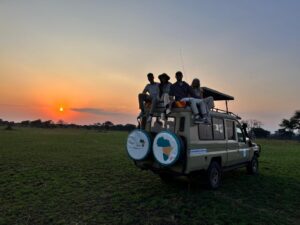
Game drives are the main activity in both Ngorongoro and Nyerere. Travelers usually explore in a specially adapted 4×4 safari vehicle with a professional guide.
A good safari vehicle should offer:
- A pop-up roof
- Window access
- Charging facilities
- A cooler or refrigerator
- Seatbelts
- First-aid equipment
- Radio communication
- Binoculars where provided
Private safaris offer greater flexibility because guests can decide how long to remain at sightings and when to begin each activity.
Boat Safaris
Boat safaris are among the highlights of Nyerere. They provide a different perspective from vehicle-based game viewing.
Travelers can observe aquatic animals, birds, and wildlife visiting the riverbanks. Boat trips may be conducted in the morning or late afternoon, depending on camp schedules and conditions.
Guided Walking Safaris
Selected camps in Nyerere offer guided walking safaris. These activities focus on the smaller details of the ecosystem, including tracks, plants, insects, birds, and animal behavior.
Walking safaris are conducted under professional supervision and are subject to park regulations, weather, wildlife conditions, and age requirements.
Cultural Experiences
Cultural visits can be included near Arusha, Karatu, or Mto wa Mbu. These experiences may introduce travelers to local food, farming, crafts, music, and community life.
Cultural activities should be arranged respectfully through responsible local operators.
Accommodation Options
Budget Accommodation
Budget travelers may use simple lodges or tented camps outside the main conservation areas. These properties generally provide basic rooms, meals, and essential facilities.
Budget options are more common around Karatu and near the boundaries of Nyerere.
Mid-Range Accommodation
Mid-range lodges and tented camps offer a comfortable balance between price and experience. They commonly include:
- Private bathrooms
- Comfortable beds
- Full-board meals
- Lounge and dining areas
- Scenic locations
- Electricity during scheduled hours
This category is suitable for couples, families, small groups, and first-time safari travelers.
Luxury Accommodation
Luxury properties may include:
- Spacious suites or permanent safari tents
- Premium locations
- Personalized service
- Private dining
- Swimming pools
- Fine cuisine
- Laundry services
- Exclusive safari activities
Luxury accommodation on the Ngorongoro rim may provide impressive crater views, while high-end camps in Nyerere may overlook the Rufiji River or nearby lakes.
Staying in Karatu or on the Ngorongoro Crater Rim
Karatu accommodation is usually more affordable and offers access to farms, villages, and coffee estates. However, it takes additional time to reach the crater descent road.
Crater-rim accommodation provides a more convenient early start and, at selected lodges, dramatic views. It is generally more expensive.
The best choice depends on your budget and desired level of convenience.
Getting Between Ngorongoro and Nyerere
There is no practical direct road journey for most vacation itineraries. The destinations are in different parts of Tanzania, and driving would consume substantial time.
The most convenient approach is usually:
- Travel by road between Arusha and Ngorongoro
- Return or transfer to an available airstrip
- Fly to Nyerere, sometimes through Dar es Salaam or another connection
- Fly from Nyerere to Dar es Salaam, Zanzibar, or another scheduled destination
Domestic schedules and routes can change, so your safari operator should confirm the most suitable connection for your exact dates.
Combining the Safari With Zanzibar
Nyerere is conveniently positioned for travelers who want to finish their vacation in Zanzibar. Scheduled flights frequently connect the Southern Circuit with Zanzibar, subject to seasonal operations and availability.
A beach extension may include:
- Stone Town
- Nungwi
- Kendwa
- Paje
- Jambiani
- Matemwe
- Mnemba-area snorkeling
- Spice-farm visits
A typical combination might include seven days on safari followed by four to seven nights in Zanzibar.
Private or Shared Safari?
A private safari is strongly recommended when combining Ngorongoro and Nyerere. The route involves separate circuits, domestic flights, and personalized transfers, making it difficult to coordinate as a standard shared safari.
A private itinerary provides:
- A dedicated safari vehicle and guide
- Flexible departure times
- More time at preferred wildlife sightings
- Easier coordination with domestic flights
- Accommodation selected according to your budget
- Personalized activities
- Greater privacy for couples and families
Shared safaris may be available for standard Northern Circuit routes, but they rarely combine smoothly with Nyerere.
What Is Normally Included?
A complete safari package may include:
- Airport or hotel transfers
- Professional English-speaking safari guide
- Private 4×4 safari vehicle
- Park and conservation fees
- Ngorongoro Crater service fees
- Domestic flights specified in the itinerary
- Accommodation
- Meals according to the itinerary
- Drinking water during game drives
- Boat safari in Nyerere, when listed
- Government taxes and levies
Travelers should check the written itinerary carefully because inclusions differ among operators.
What Is Normally Excluded?
Common exclusions include:
- International flights
- Tanzania visa costs
- Travel and medical insurance
- Guide and camp staff gratuities
- Alcoholic beverages
- Personal purchases
- Laundry unless specified
- Optional cultural activities
- Balloon safaris
- Additional accommodation before or after the tour
- Vaccinations and medical expenses
Packing List
Recommended items include:
- Lightweight, neutral-colored clothing
- Long trousers and long-sleeved shirts
- Comfortable closed shoes
- Sandals for camp
- Warm jacket for Ngorongoro
- Sun hat
- Sunglasses
- Sunscreen
- Insect repellent
- Personal medication
- Camera and spare batteries
- Power bank
- Binoculars
- Small daypack
- Reusable water bottle
- Travel documents
- Soft-sided luggage
Ngorongoro mornings can be surprisingly cold, particularly on the crater rim. Nyerere is generally warmer, so breathable clothing is useful.
Photography Tips
Bring a camera with a telephoto lens if wildlife photography is important to you. A lens in the 100–400 mm range is versatile, while a wider lens is valuable for crater scenery, landscapes, and animals close to the vehicle.
Additional recommendations include:
- Carry spare batteries
- Bring multiple memory cards
- Use a beanbag for camera support
- Protect equipment from dust
- Keep the camera accessible
- Photograph during early and late light
- Avoid sudden movements around wildlife
Private safaris are especially suitable for photographers because the guide can spend longer at sightings when conditions allow.
Responsible Safari Practices
Visitors should help protect the destinations by:
- Following park regulations
- Avoiding littering
- Never feeding animals
- Remaining inside the vehicle unless instructed otherwise
- Respecting wildlife-viewing distances
- Keeping noise low around animals
- Avoiding pressure on guides to drive off-road illegally
- Reducing single-use plastic
- Respecting local communities
- Choosing responsible operators and accommodations
Wildlife welfare and habitat protection should always take priority over obtaining a photograph.
Is This Safari Suitable for Families?
Yes, the itinerary can be adapted for families. Private vehicles provide flexibility for children, while lodges can be selected based on family-room availability and safety.
Parents should consider:
- The duration of game drives
- Domestic flight luggage limits
- Swimming-pool supervision
- Age restrictions for walking safaris
- Age restrictions at certain camps
- Malaria precautions
- Early morning departure times
Boat safaris and walking activities may have minimum-age requirements set by the park, operator, or accommodation.
Is It Suitable for Honeymooners?
This combination is excellent for honeymooners seeking privacy and variety. Ngorongoro provides dramatic scenery, while Nyerere offers peaceful camps and romantic river experiences.
Special arrangements may include:
- Private safari vehicle
- Room decoration
- Bush dinner
- Private sundowner
- Celebration cake
- Champagne
- Romantic boat safari
- Zanzibar beach extension
Special arrangements should be requested before arrival.
Final Thoughts
A Ngorongoro Crater safari Nyerere vacation offers an exceptional combination of famous wildlife viewing and remote African wilderness. Ngorongoro provides dramatic scenery and concentrated animal encounters, while Nyerere introduces travelers to river safaris, uncrowded landscapes, and a broader range of safari activities.
The journey is most successful when domestic flights, accommodation, transfers, and park activities are carefully coordinated. With enough time and a thoughtfully designed private itinerary, travelers can experience two contrasting sides of Tanzania before continuing to Dar es Salaam, Zanzibar, or their next destination.