

Budget Ngorongoro Crater Safari Holiday
Planning a budget Ngorongoro Crater safari holiday from Arusha? Compare a crater day trip, a two-day Tarangire and Ngorongoro safari, or a…
Read articleArusha City - Tanzania
Safari & Travel Tips
August 24, 2026 · 12 min read
A Ngorongoro Crater Safari Serengeti adventure combines two of Tanzania's most celebrated wildlife destinations into one unforgettable journey. From the enormous open plains of the Serengeti to the dramatic volcanic landscape of the Ngorongoro Crater, this safari route offers travelers an exceptional opportunity to experience wildlife, breathtaking scenery, traditional cultures, and some of East Africa's most famous safari landscapes.
For travelers dreaming of lions resting beneath acacia trees, elephants wandering across open plains, huge herds of wildebeest and zebra, and early-morning game drives surrounded by spectacular scenery, combining the Serengeti and Ngorongoro is an excellent choice.
Whether you are planning your first African safari, a honeymoon, family holiday, photography adventure, private safari, or longer Tanzania vacation, this guide explains what you need to know when planning a Ngorongoro Crater Safari Serengeti experience.
The biggest advantage of combining these destinations is variety.
The Serengeti is famous for its enormous ecosystem, open savannah, predators, seasonal wildlife movements, and the Great Migration. Ngorongoro provides a completely different safari environment, with wildlife concentrated within an ancient volcanic caldera.
Together, they create a safari itinerary that offers both extensive wilderness exploration and concentrated wildlife viewing.
A typical journey may include:
This combination works particularly well for travelers with approximately four to seven days available for safari.
Serengeti National Park is one of Africa's legendary wildlife destinations.
Its name is associated with seemingly endless grasslands, large populations of predators and the movement of enormous wildebeest and zebra herds across the wider Serengeti ecosystem.
A Serengeti game drive can reveal a different wildlife scene around almost every corner.
Travelers may encounter:
Wildlife sightings are never guaranteed because these are wild animals living in a natural ecosystem. However, the Serengeti's diversity makes it one of Tanzania's most rewarding safari destinations.
Central Serengeti, particularly the Seronera region, is popular because wildlife can be found here throughout much of the year.
The combination of grasslands, river systems, woodland and rocky kopjes provides habitat for many different species.
Predators are a major attraction.
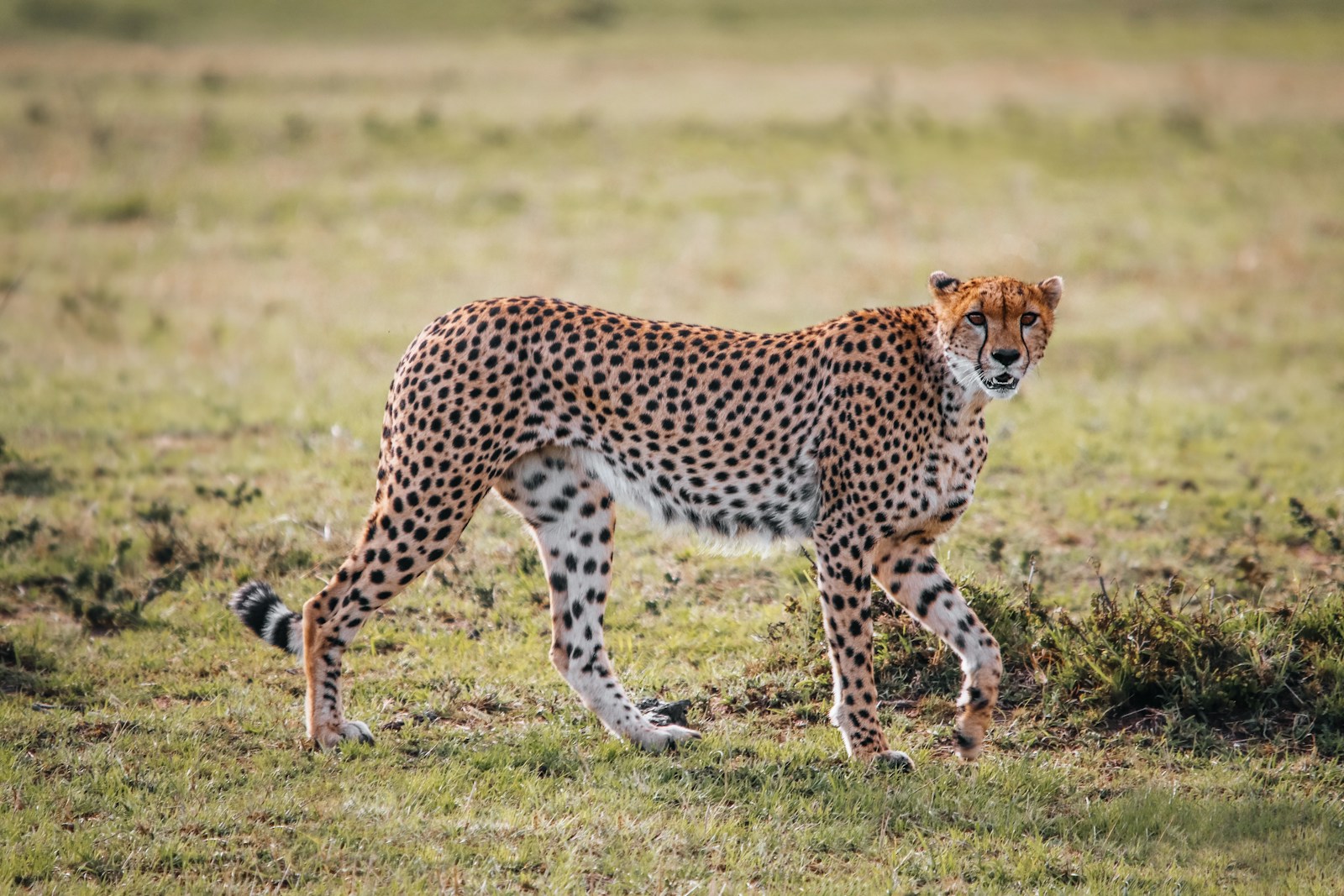
Lions are regularly associated with the Serengeti landscape, while leopards may be encountered around riverine woodland. Cheetahs often favor open terrain where their speed provides an advantage while hunting.
Central Serengeti can therefore be incorporated into Tanzania safari itineraries throughout the year.
For many travelers, the Great Migration is one of the main reasons for visiting the Serengeti.
Huge numbers of wildebeest, accompanied by zebra and other grazing animals, move through the Serengeti ecosystem following seasonal rainfall and fresh grazing.
However, the migration is not permanently located in one place.
Its approximate location changes throughout the year depending on rainfall, grazing conditions and other natural factors.
This makes timing and itinerary planning particularly important.
The southern Serengeti and Ndutu ecosystem can become especially important during the green season.
January and February are particularly famous for the wildebeest calving period.
Large numbers of young wildebeest are born during this season, creating remarkable wildlife viewing opportunities and attracting predators.
As conditions change, herds generally begin moving through different sections of the ecosystem.
Travelers visiting during this period can experience greener scenery and potentially fewer safari vehicles than during peak-season months.
The northern Serengeti becomes particularly attractive as migrating herds move north.
This period is widely associated with potential Mara River crossing activity.
River crossings are completely natural events and cannot be guaranteed for a particular day or time. Patience is essential when planning a migration-focused safari.
Short rains can influence the movement of herds back toward central and southern areas.
Because wildlife movements depend on nature rather than fixed calendars, travelers interested specifically in the migration should build flexibility into their safari itinerary.
After experiencing the vastness of the Serengeti, descending into the Ngorongoro Crater creates an entirely different atmosphere.
The Ngorongoro Crater is a massive volcanic caldera surrounded by steep walls.
From viewpoints along the rim, travelers can appreciate the enormous scale of the landscape before descending to the crater floor for a game drive.
Within the crater are grasslands, wetlands, woodland and freshwater environments supporting a remarkable variety of animals.
A Ngorongoro Crater safari may provide opportunities to see:
The crater is also famous as one of the places in Tanzania where travelers may have an opportunity to encounter the critically endangered black rhinoceros.
Rhino sightings are never guaranteed, and animals can sometimes be far from the safari tracks, making binoculars particularly useful.
Crater safari days commonly begin early.
Morning conditions can be cool around the crater rim, so travelers should bring a warm jacket or fleece.
After reaching the descent road, the safari vehicle travels down into the crater.
The change in scenery is impressive.
Once on the crater floor, your guide begins searching for wildlife while explaining animal behavior, habitats and the unique ecology of the Ngorongoro Conservation Area.
Lunch is normally enjoyed at an appropriate designated area before continuing the game drive.
Later, you ascend from the crater and continue toward your accommodation or Arusha, depending on your itinerary.
Although both destinations provide excellent wildlife viewing, their safari experiences are quite different.
Serengeti National Park is about scale, wilderness and exploration. You can spend several days traveling through different areas and still experience only a fraction of the ecosystem.
Ngorongoro Crater provides a more concentrated safari experience. The crater floor covers a much smaller area, allowing travelers to explore multiple habitats during a single game drive.
This is exactly why combining them works so well.
Serengeti provides the feeling of an enormous African wilderness.
Ngorongoro provides dramatic scenery and concentrated wildlife viewing.
There is no single month that is perfect for every traveler.
The best time depends on what you want to experience.
These months are excellent for travelers interested in the southern Serengeti and Ndutu calving season.
Predator activity can also be fascinating during this period.
The landscape becomes greener during the rainy season.
Some travelers prefer this period because certain areas can feel quieter compared with peak season.
Road conditions and rainfall should be considered when planning.
June marks a transition toward Tanzania's dry season and can offer excellent safari conditions.
These are popular safari months because of dry-season wildlife viewing.
Travelers interested in northern Serengeti migration activity often consider July through October.
August and September are particularly popular, so early accommodation reservations are strongly recommended.
Short rains can transform the landscape, creating fresh vegetation and dramatic skies.
December also begins another important period for travelers interested in the southern Serengeti ecosystem.
For a combined Serengeti and Ngorongoro safari, we recommend allowing at least four days when possible.
Five or six days provides a more relaxed experience.
A three-day safari is possible but relatively fast-paced.
A typical structure could include:
Day 1: Arusha to Serengeti
Day 2: Serengeti game drive and transfer toward Ngorongoro
Day 3: Ngorongoro Crater game drive and return to Arusha
This itinerary works for travelers with limited time but involves significant driving.
Four days provides better balance.
Day 1: Arusha – Serengeti National Park
Day 2: Full-day Serengeti safari
Day 3: Serengeti – Ngorongoro area
Day 4: Ngorongoro Crater – Arusha
Having a full day in Serengeti significantly improves the experience.
A five-day itinerary allows travelers to combine another national park with Serengeti and Ngorongoro.
For example:
Day 1: Arusha – Tarangire National Park
Day 2: Tarangire – Serengeti
Day 3: Full-day Serengeti
Day 4: Serengeti – Ngorongoro
Day 5: Ngorongoro Crater – Arusha
This is an excellent classic Northern Circuit safari itinerary.
Six days provides additional time for wildlife viewing and a more comfortable travel pace.
Travelers may spend additional nights in Serengeti or combine Tarangire, Serengeti, Ngorongoro and another experience.
A private safari is an excellent choice for couples, families, honeymooners, photographers and travelers wanting flexibility.
You travel in your own safari vehicle with your dedicated professional guide.
Advantages include greater flexibility over:
Photographers especially benefit because additional time can be spent observing particular animals or waiting for better photographic opportunities.
Shared group safaris provide a more affordable way of experiencing Tanzania's Northern Circuit.
Travelers share the safari vehicle with other guests following a scheduled itinerary.
At Kilipath African Safaris, our shared safari Land Cruisers accommodate a maximum of seven travelers, with each guest provided a window seat.
Shared safaris are particularly suitable for:
Because group itineraries operate according to predetermined schedules, they normally provide less flexibility than private safaris.
Your accommodation can significantly influence the overall safari experience.
Camping is one of the most adventurous ways to explore Tanzania.
Depending on the safari arrangement, camping equipment can include:
Public campsites provide an authentic experience surrounded by Tanzania's wilderness.
Mid-range tented camps combine comfort with a strong connection to nature.
Many provide private bathrooms, comfortable beds, dining areas and beautiful wilderness locations.
They are popular among couples, families and first-time safari travelers.
Luxury accommodation can provide larger rooms, premium dining, swimming pools, spectacular locations and personalized services.
Luxury options are especially attractive for honeymooners and travelers celebrating special occasions.
The price of a Tanzania safari depends on many factors rather than one fixed rate.
Important factors include:
Private safari costs are divided among travelers sharing the vehicle.
This means the per-person price can decrease as the number of travelers increases.
Longer itineraries include additional accommodation, meals, park fees, vehicle usage and guiding services.
Camping generally costs less than mid-range or luxury accommodation.
High-demand periods may have higher accommodation prices.
Private safaris generally cost more but provide greater flexibility.
Shared safaris reduce costs by distributing vehicle expenses among several travelers.
Fly-in safaris cost more than completely overland itineraries but can significantly reduce driving time.
For an accurate quotation, travelers should provide:
This allows a safari operator to prepare a package based on the actual trip rather than an unreliable generic estimate.
Depending on the package selected, a Tanzania safari can include:
Always check your individual quotation because inclusions differ between packages.
Items commonly excluded can include:
Read your safari quotation carefully before confirming your reservation.
Your vehicle is an important part of the experience because you may spend several hours inside it each day.
A purpose-built 4x4 safari Land Cruiser typically provides an elevated viewing position and pop-up roof for wildlife observation.
Depending on the vehicle configuration, amenities may include charging facilities, cooler/fridge storage, radio communication and binoculars.
The pop-up roof allows travelers to stand safely during appropriate wildlife sightings while remaining inside the vehicle.
Serengeti and Ngorongoro are outstanding destinations for wildlife photography.
Travelers can photograph everything from sweeping landscapes to close wildlife encounters.
Consider carrying:
Dust is common on safari roads during dry periods, so protect your photography equipment appropriately.
Packing lightly but correctly makes safari travel easier.
Recommended items include:
Ngorongoro mornings can be surprisingly cold, particularly around the crater rim.
Layered clothing is therefore recommended.
Adding Tarangire National Park creates one of Tanzania's classic safari routes.
Tarangire is particularly famous for elephants, baobab trees and beautiful seasonal landscapes.
A popular itinerary is:
Arusha → Tarangire → Serengeti → Ngorongoro Crater → Arusha
This route provides three distinctly different ecosystems within one safari.
The Serengeti and Ngorongoro are excellent choices for honeymooners.
A private safari can provide greater privacy and flexibility, while carefully selected tented camps create a romantic atmosphere.
A honeymoon itinerary can include:
Combining safari with Zanzibar is particularly popular because couples can experience wildlife first and relax beside the Indian Ocean afterward.
A hot-air balloon safari is one of the most memorable optional Serengeti experiences.
The morning usually starts before sunrise.
Guests are transferred to the launch area before boarding the balloon for an aerial journey above the Serengeti landscape.
The exact route is determined partly by wind conditions.
From above, travelers can appreciate the scale of the Serengeti in a completely different way.
Balloon experiences are subject to availability and weather conditions, so advance booking is recommended.
Travelers staying in Zanzibar can easily combine a beach vacation with a mainland safari.
Several itinerary styles are possible.
You can fly from Zanzibar toward northern Tanzania and begin an overland safari, or use scheduled flights into the Serengeti for certain fly-in itineraries.
After completing your safari, you can either return to Zanzibar or connect with an international departure.
The best arrangement depends on your available days, budget and flight schedule.
For most first-time Tanzania safari travelers, absolutely.
Ngorongoro combines extraordinary scenery with excellent wildlife-viewing opportunities.
The moment you reach the crater rim and look across the caldera is memorable even before the game drive begins.
When paired with the Serengeti, the contrast becomes even more impressive.
The Serengeti is one of the fundamental destinations of a Tanzania wildlife safari.
Its combination of wildlife, landscapes, predators, migration activity and enormous wilderness areas makes it difficult to replicate elsewhere.
If your itinerary allows enough time, spending at least two nights in or around the Serengeti provides a much better experience than rushing through the park.
Your ideal safari should be designed around your travel dates, available time, accommodation preferences, budget and wildlife interests.
Whether you prefer an affordable camping adventure, comfortable mid-range tented safari, luxury honeymoon journey, private photographic safari, or Serengeti and Ngorongoro experience combined with Zanzibar, the itinerary can be customized around your priorities.
Kilipath African Safaris can help you create a personalized Serengeti and Ngorongoro itinerary with carefully planned game drives, accommodation and transportation.
Start planning your Ngorongoro Crater Safari Serengeti adventure and experience two of Tanzania's most remarkable wildlife destinations in one journey.
Planning a budget Ngorongoro Crater safari holiday from Arusha? Compare a crater day trip, a two-day Tarangire and Ngorongoro safari, or a…
Read articleA Tanzania safari from Zanzibar can mean a short mainland trip during your beach holiday or a complete package with flights, game…
Read articleLooking for a group Tanzania safari price from Kilipath African Safaris? A published example for our four-day shared camping safari through Tarangire,…
Read articlePair game drives on Tanzania’s mainland with a few days on Zanzibar’s coast. With Kilipath African Safaris, you can start in Arusha…
Read article

