Lake Manyara vs. Nyerere Safari Prices | Tanzania Guide
A Lake Manyara safari can cost USD 150–220 per person for a shared day trip from Arusha. A published example of a…
Read articleArusha City - Tanzania
Safari & Travel Tips
September 3, 2026 · 17 min read
A safari combining Nyerere National Park and Lake Manyara National Park introduces travelers to two remarkably different sides of Tanzania. Nyerere offers an expansive Southern Circuit wilderness shaped by the Rufiji River, while Lake Manyara presents a compact Northern Circuit park beneath the dramatic Great Rift Valley escarpment.
These parks are not located close together. Nyerere is in southern Tanzania, whereas Lake Manyara is southwest of Arusha in northern Tanzania. Visiting both therefore requires more planning than a standard Northern Circuit itinerary. Domestic flights, private transfers and carefully selected overnight stops are usually necessary.
The reward is an unusually varied Tanzania safari. In Nyerere, travelers can enjoy traditional game drives, boat safaris and, where permitted, guided walking experiences. At Lake Manyara, visitors explore groundwater forest, open plains, woodland and lakeshore habitats during a concentrated game drive.
This Nyerere National Park safari Lake Manyara travel guide answers the most important questions about routes, wildlife, activities, seasons, accommodation, costs and trip planning.
Combining the two parks is ideal for travelers who want more than a conventional safari itinerary. Each destination contributes something different.
Nyerere National Park is best known for:
Lake Manyara National Park is known for:
Nyerere provides the scale and remoteness of the Southern Circuit. Lake Manyara offers a smaller, diverse ecosystem that fits naturally into a Northern Circuit safari.
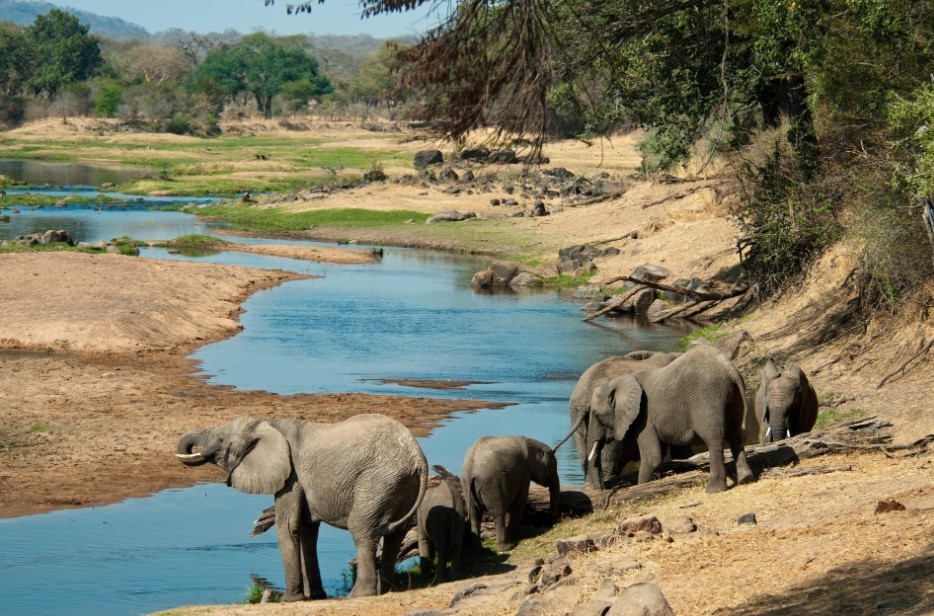
According to Tanzania National Parks, Nyerere’s habitats include miombo woodland, riverine forest, grassland, floodplains and the Rufiji River system. The area supports predators, elephants, hippos, crocodiles and more than 430 recorded bird species. Tanzania National Parks
Nyerere National Park is situated in southern Tanzania. Much of its safari activity is concentrated around the Rufiji River and the lakes and channels connected to it.
The park was formed from part of the historic Selous Game Reserve and is now managed as one of Tanzania’s major national parks. Its enormous landscapes create a different atmosphere from many of the busier parks in northern Tanzania.
Most visitors reach Nyerere by:
Flying is generally the most convenient option, especially for travelers with a limited number of days.
Lake Manyara National Park is in northern Tanzania, approximately southwest of Arusha. It lies along the base of the Great Rift Valley escarpment, close to Mto wa Mbu and within convenient reach of Karatu.
It is commonly included in itineraries visiting:
The park can normally be reached by road from Arusha in approximately two to three hours, depending on traffic, road conditions and the location of the traveler’s hotel.
No. This is the most important point to understand when planning the journey.
Nyerere belongs to Tanzania’s Southern Safari Circuit, while Lake Manyara belongs to the Northern Safari Circuit. They are separated by a considerable distance, and there is not usually a simple direct road transfer between the two parks that makes sense for an ordinary holiday.
A well-planned combination usually involves connecting through Dar es Salaam, Zanzibar, Arusha or Kilimanjaro. Flight schedules determine the most practical routing.
Travelers should avoid treating the two destinations as neighboring parks. A professional tour operator must coordinate domestic flights, airport transfers, baggage limits, accommodation and park-entry timings.
The most efficient arrangement is usually to fly between the Southern Circuit and northern Tanzania.
A typical route could be:
Direct seasonal connections may occasionally simplify the route, but schedules can change. Travelers should confirm their exact flights before paying for non-refundable accommodation.
A practical itinerary requires at least six or seven days, excluding international arrival and departure days. Eight to ten days provides a more comfortable experience.
A balanced itinerary might include:
Nyerere deserves at least two full safari days because its activities are varied. Lake Manyara can be visited during a half-day or full-day game drive, although staying nearby reduces travel pressure.
Travelers who have fewer than six days may be better served by concentrating on one circuit.
Arrive at Julius Nyerere International Airport and transfer to a hotel. Use the evening to rest and prepare for the domestic flight.
Take a morning flight to an airstrip serving your camp or lodge. Meet your guide and begin your safari, depending on the arrival time.
The afternoon may include a game drive or boat safari.
Spend the day exploring riverine habitats, woodland and open areas. Look for elephants, buffaloes, lions, giraffes, impalas, zebras and African wild dogs.
Enjoy a morning boat safari along the Rufiji River or its connected waterways. Hippos, crocodiles and waterbirds are often important highlights.
An afternoon game drive or guided walk may be arranged, subject to park rules, location and camp operations.
Leave Nyerere by light aircraft and connect through Dar es Salaam or Zanzibar to Arusha or Kilimanjaro. Transfer to an Arusha hotel.
Because flight schedules can change, this day should not be overloaded with safari activities.
After breakfast, drive toward Lake Manyara National Park. Enjoy a game drive through its forest, woodland, floodplain and lakeshore environments.
Stay near Mto wa Mbu, Lake Manyara or Karatu.
Continue to Ngorongoro Crater or Tarangire National Park. This addition makes the long journey between southern and northern Tanzania more rewarding.
Complete a final activity before returning to Arusha. Depending on the schedule, transfer to Arusha Airport or Kilimanjaro International Airport.
A late-evening flight is safer than an early departure because wildlife sightings, road conditions and traffic can affect the arrival time.
Nyerere National Park supports an impressive variety of wildlife. However, sightings remain natural and cannot be guaranteed.
Animals travelers may encounter include:
The African wild dog is one of Nyerere’s signature species. These endangered predators use enormous territories, so finding them depends on recent movements and communication between experienced guides.
The Rufiji River supports aquatic and river-dependent wildlife. Boat safaris can provide excellent views of hippos, crocodiles and birds, while game drives explore the surrounding plains and woodland. TANAPA’s Nyerere overview
Lake Manyara’s landscape changes over a relatively short distance, supporting a wide range of animals.
Possible sightings include:
Lake Manyara is frequently promoted for its tree-climbing lions. They may be seen resting on branches, but such sightings are unpredictable. Travelers should consider them a special possibility rather than a guaranteed attraction.
The park’s elephants, primates, scenery and birdlife often provide the most dependable highlights.
Yes. Nyerere is an excellent destination for birdwatchers because it contains wetlands, riverbanks, woodland and open country.
Travelers may look for:
TANAPA reports more than 430 recorded bird species in Nyerere. Birding is rewarding throughout the year, while the wetter period brings greener landscapes and additional seasonal activity. Nyerere wildlife and habitats
Lake Manyara is one of the Northern Circuit’s most accessible birding destinations. Its variety of habitats can produce many sightings during a single game drive.
Birdlife may include pelicans, storks, herons, egrets, hornbills, kingfishers, raptors and numerous woodland species.
Flamingos are sometimes present, but their numbers and locations change according to water levels, food conditions and regional movement. Travelers should not book Lake Manyara solely on the expectation of seeing a vast flamingo concentration.
Game drives remain the central safari activity. Guides explore tracks along the river, lakes, plains and woodland in search of animals.
Private game drives offer greater flexibility for photographers, families and travelers with specific wildlife interests.
Boat safaris are among the greatest reasons to visit Nyerere. They offer a perspective that is unavailable in most Northern Circuit national parks.
Depending on water conditions and the exact operation, travelers may observe hippos, crocodiles, fish eagles, kingfishers and animals approaching the river to drink.
Guided walks may be offered by selected camps or authorized operators. These experiences focus on tracks, plants, insects, animal behavior and the smaller details that are easily missed from a vehicle.
Walking activities are subject to regulations, safety conditions and the availability of properly qualified guides.
The combination of river, lakes, floodplains and woodland makes Nyerere an attractive destination for specialist and casual birdwatchers.
Nyerere is particularly appealing to photographers who appreciate river landscapes, fewer vehicles and varied safari activities. A private vehicle is recommended for serious photography.
The main activity is a game drive. Visitors can explore the park’s contrasting habitats in a relatively short period.
Depending on current park offerings, regulations and availability, other experiences in the wider area may include:
Activities outside the national park should be booked with a reputable operator and clearly distinguished from activities conducted inside the park.
The dry season, generally from June through October, is often considered the easiest period for wildlife viewing. Vegetation becomes thinner, and animals are more likely to concentrate near dependable water sources.
Advantages of the dry season include:
The greener season can also be rewarding. Landscapes become lush, birdlife is active and visitor numbers may be lower. However, rain can affect roads, airstrip operations and access to certain areas.
Some camps close during the heaviest rains. Always confirm seasonal availability before booking.
Lake Manyara can be visited throughout much of the year.
The drier months generally make game viewing easier because vegetation is less dense. The wetter months bring greener scenery, active birdlife and dramatic skies.
The ideal period depends on the traveler’s priorities:
Water levels and local road conditions can change, so seek recent advice from your safari operator.
July through October is generally the most straightforward period for combining Nyerere and Lake Manyara. Domestic flight operations are typically convenient, rain disruption is less likely and wildlife viewing is strong.
This is also a popular safari period, so flights, lodges and camps should be reserved early.
June and November may offer a useful balance between favorable conditions and lower demand, although seasonal weather patterns are never completely predictable.
Accommodation ranges from comfortable tented camps to exclusive luxury properties. Many camps are positioned near the Rufiji River, lakes or wildlife-rich channels.
Typical options include:
Many tented rooms have proper beds and private bathrooms. “Tented camp” does not automatically mean basic camping. Some of Tanzania’s most luxurious safari properties use canvas structures while providing en-suite bathrooms, hot showers, electricity and high-quality dining.
Before booking, check whether the property includes:
TANAPA maintains visitor information about accommodation associated with Nyerere National Park. Nyerere accommodation information
Travelers can stay:
Mto wa Mbu is convenient for local activities and park access. Escarpment lodges may provide panoramic views. Karatu has a broad selection of accommodation and works well for travelers continuing to Ngorongoro Crater.
The best choice depends on the next day’s route rather than the hotel alone.
The total cost varies significantly because the itinerary usually includes domestic flights between southern and northern Tanzania.
The price may include:
Factors influencing the price include:
A private safari costs more in total, but the price per traveler normally decreases when vehicle and guide costs are shared by more people.
Park fees and government charges can change. Request an itemized quotation and confirm which taxes, activities and transfers are included.
It is possible, but it is not one of the cheapest Tanzania safari combinations. The distance between the two parks and the need for domestic flights can increase the overall price.
Budget-conscious travelers should consider:
Travelers seeking the lowest possible safari price may be better advised to choose either the Southern Circuit or Northern Circuit rather than both.
It is technically possible to cover long sections by road, but it is generally not recommended for a normal holiday. The journey would involve great distances, extended driving time and overnight stops.
Flying saves time and allows more days for wildlife viewing. A road-based journey may appeal to overland travelers with a longer schedule and an interest in seeing less-visited parts of Tanzania.
For most visitors, a flight connection is the sensible choice.
Yes. Zanzibar is a convenient starting or finishing point because scheduled flights commonly connect it with safari destinations in southern and northern Tanzania.
A possible arrangement is:
The exact order should be based on available flights. It may be more efficient to complete the Northern Circuit first and finish with Nyerere before returning to Zanzibar.
Yes, provided the itinerary is designed around the children’s ages and tolerance for flights and road travel.
Families should consider:
Wild camps may be unfenced, meaning animals can move through the property. Parents must follow camp instructions and supervise children carefully.
This combination is excellent for honeymooners who want privacy and contrasting landscapes. Nyerere’s river camps offer an intimate wilderness setting, while the Lake Manyara area provides attractive lodges and convenient access to Ngorongoro.
Honeymoon enhancements might include:
Honeymoon extras should be requested in advance and confirmed in writing.
Neither park is universally better. They serve different purposes.
| Feature | Nyerere National Park | Lake Manyara National Park |
|---|---|---|
| Safari circuit | Southern Circuit | Northern Circuit |
| Landscape | River, lakes, floodplains and woodland | Rift Valley forest, woodland and lakeshore |
| Recommended stay | Two to four nights | Half day to one night |
| Main activities | Drives, boats and selected walks | Primarily game drives |
| Signature wildlife | Wild dogs, hippos, crocodiles and predators | Elephants, primates and birds |
| Atmosphere | Remote and expansive | Compact and accessible |
| Best for | Wilderness and varied activities | Scenic Northern Circuit addition |
Nyerere is generally the stronger choice for a multi-night standalone safari. Lake Manyara works particularly well as one component of a wider Northern Circuit itinerary.
Recommended items include:
Light aircraft have strict baggage restrictions. Soft-sided bags are usually preferable to hard suitcases. Confirm the airline’s current weight and size limits before departure.
Mosquitoes can occur in both regions, especially near water and during wetter periods. Nyerere also contains areas where tsetse flies may be present.
Travelers should:
Consult a qualified travel-health professional before traveling. Health recommendations depend on nationality, medical history, itinerary and current regulations.
Comprehensive travel insurance is strongly recommended. The policy should cover:
Because remote safari areas may require air evacuation, travelers should verify the policy’s evacuation limits rather than assuming ordinary medical coverage is sufficient.
A private arrangement is especially valuable for this itinerary because of its logistical complexity.
Benefits include:
In Nyerere, some activities may still be shared with other guests staying at the same camp unless a private activity has been specifically booked.
Yes. Once travelers have reached the Northern Circuit, adding Ngorongoro, Tarangire or Serengeti often provides better value than traveling north only for Lake Manyara.
A comprehensive trip could include:
Such an itinerary normally requires ten to fourteen days for a relaxed pace.
They are in separate safari circuits. Flights and a transit plan are normally required.
Domestic flights may be affected by weather or operational changes. Include sufficient connection time.
One night provides little time for the park’s different activities. Two or three nights is much more rewarding.
All wildlife moves freely. Even famous species such as wild dogs and tree-climbing lions cannot be guaranteed.
Hard suitcases and excess luggage can create complications. Confirm restrictions before packing.
A beautiful lodge may add several hours of unnecessary driving. Accommodation should support the next day’s activity.
A long list of destinations does not automatically create a better safari. Adequate time in each park usually produces a more enjoyable experience.
A Lake Manyara safari can cost USD 150–220 per person for a shared day trip from Arusha. A published example of a…
Read articlePlanning a Tanzania safari that combines Lake Manyara National Park and Nyerere National Park is an excellent way to experience the country's…
Read articlePlanning an unforgettable African wildlife adventure from Zanzibar? Understanding the Tanzania safari package Zanzibar price is an important first step toward choosing…
Read articlePlanning an African wildlife adventure? Understanding the group Tanzania safari price is an important step toward choosing an affordable and unforgettable safari…
Read article