Skip to content

A Nyerere National Park safari and Lake Manyara holiday offers travelers the opportunity to experience two remarkably different sides of Tanzania. Nyerere National Park introduces you to the wild landscapes, rivers, and remote atmosphere of Tanzania’s Southern Safari Circuit, while Lake Manyara National Park delivers beautiful scenery and accessible wildlife viewing in the north.
Combining these destinations requires careful planning because they are located in different regions of the country. However, with a well-organized itinerary and domestic flights, travelers can enjoy boat safaris, traditional game drives, birdwatching, cultural experiences, and spectacular landscapes in one unforgettable Tanzanian holiday.
This guide explains what to expect, how to travel between the parks, the best time to visit, recommended activities, accommodation options, and practical tips for planning your safari.
Why Combine Nyerere National Park and Lake Manyara?
Nyerere National Park and Lake Manyara National Park provide contrasting safari experiences.
Nyerere is enormous, remote, and relatively uncrowded. Its rivers, woodlands, lakes, and open plains support an impressive variety of wildlife. The Rufiji River is one of its defining natural features and makes boat safaris possible—an experience unavailable in most parks on Tanzania’s Northern Circuit.
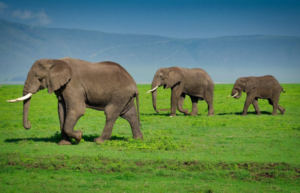
Lake Manyara is much smaller but exceptionally scenic. The park lies beneath the dramatic cliffs of the Great Rift Valley and contains groundwater forests, open grasslands, acacia woodland, wetlands, and the lake itself. It is particularly famous for elephants, primates, birdlife, and occasional sightings of tree-climbing lions.
Travelers who combine the two destinations can enjoy:
- Traditional wildlife game drives
- Boat safaris along the Rufiji River
- Excellent birdwatching
- Beautiful Rift Valley scenery
- Opportunities to see elephants, lions, giraffes, hippos, and buffaloes
- A combination of remote wilderness and classic Northern Circuit attractions
- Convenient extensions to Zanzibar, Tarangire, Ngorongoro, or Serengeti
It is an excellent combination for travelers who want more variety than a standard safari itinerary.
Discovering Nyerere National Park
Nyerere National Park is located in southern Tanzania and forms part of the wider Selous ecosystem. It is one of Africa’s largest protected wilderness areas, offering an adventurous safari experience far from the busier routes of northern Tanzania.
The park’s landscape includes miombo woodland, palm-fringed waterways, open plains, lakes, and channels connected to the Rufiji River. This variety creates habitats for many wildlife species and makes every game drive feel different.
Wildlife in Nyerere National Park
Nyerere National Park is home to a diverse population of African wildlife. Depending on the season and the area visited, travelers may encounter:
- African elephants
- Lions
- African wild dogs
- Hippos
- Nile crocodiles
- Giraffes
- Zebras
- Buffaloes
- Wildebeest
- Greater kudu
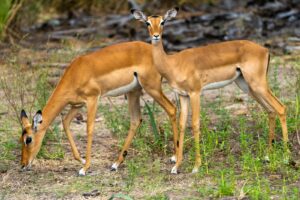
- Impalas
- Waterbuck
- Warthogs
- Hyenas
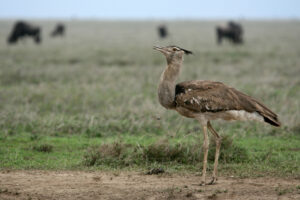
- Numerous bird species
African wild dogs are among the park’s most exciting animals. They require large territories and can be difficult to find, but Nyerere remains one of Tanzania’s important habitats for this endangered predator.
Wildlife sightings are never guaranteed, and this uncertainty is part of an authentic safari. Experienced guides follow tracks, observe animal behavior, communicate with other guides, and select productive areas based on current conditions.
Boat Safaris on the Rufiji River
A boat safari is one of the greatest highlights of a Nyerere National Park safari.
Rather than watching wildlife only from a safari vehicle, visitors can explore sections of the Rufiji River and its connected channels by boat. Hippos may appear near the surface, crocodiles rest along the banks, and elephants or antelopes occasionally approach the water to drink.
The river is also an excellent place for birdwatching. African fish eagles, kingfishers, herons, storks, bee-eaters, and other water-associated birds can often be observed.
Boat safaris are commonly arranged in the late afternoon, when the temperature becomes cooler and the light is ideal for photography. Activity availability depends on water conditions, park regulations, and the location of the selected accommodation.
Game Drives in Nyerere
Game drives remain an essential part of the Nyerere experience. Early morning drives are particularly rewarding because temperatures are cooler and predators may still be active.
Afternoon game drives provide another opportunity to explore the park as animals begin moving toward water sources. Some itineraries include full-day drives with a packed lunch, while others divide the day into morning and afternoon activities.
A private safari vehicle offers greater flexibility. Travelers can spend more time photographing animals, wait patiently at interesting sightings, and adapt the schedule according to their interests.
Exploring Lake Manyara National Park
Lake Manyara National Park is situated between Arusha and the Ngorongoro Conservation Area. Its convenient position makes it a popular addition to Northern Circuit itineraries.
Although it covers a relatively compact area, the park contains several different ecosystems. Visitors can travel from a lush groundwater forest into open areas, acacia woodland, wetlands, and lakeshore habitats during a single game drive.
Wildlife in Lake Manyara
Lake Manyara National Park is especially known for its elephants and primates. Troops of baboons are frequently encountered, while blue monkeys may be seen in the forested areas.
Other animals found in the park include:
- Elephants
- Giraffes
- Buffaloes
- Zebras
- Warthogs
- Hippos
- Impalas
- Bushbuck
- Monkeys and baboons
- Lions
- Leopards
- Spotted hyenas
The park is often associated with tree-climbing lions. These lions may rest on acacia branches, but sightings are unpredictable and should be considered a special bonus rather than a guaranteed attraction.
Lake Manyara’s changing water levels influence wildlife distribution. A professional guide will select the best accessible areas based on recent animal movements, road conditions, and seasonal changes.
Birdwatching at Lake Manyara
Lake Manyara is a rewarding destination for bird enthusiasts. The lake, wetlands, woodland, and forest support many resident and migratory species.
Visitors may observe pelicans, storks, hornbills, kingfishers, raptors, waterbirds, and—when conditions are suitable—flamingos. The number and location of flamingos change according to water depth, food availability, and other environmental factors.
Even travelers who are not dedicated birdwatchers often appreciate the park’s colorful species and varied natural environments.
The Great Rift Valley Landscape
One of Lake Manyara’s strongest attractions is its landscape. The steep Great Rift Valley escarpment creates a magnificent background, while the forest and lake provide a refreshing contrast to the drier plains found elsewhere.
The scenery makes Lake Manyara an excellent destination for landscape photography and a relaxing beginning or conclusion to a longer safari.
How to Travel Between Nyerere and Lake Manyara
Nyerere National Park and Lake Manyara are not neighboring destinations. Nyerere belongs to the Southern Circuit, while Lake Manyara is part of the Northern Circuit.
Driving directly between them would consume a significant amount of holiday time. For most travelers, flying is the most practical solution.
A well-planned journey may involve:
- Arriving in Dar es Salaam or Zanzibar
- Flying to an airstrip serving Nyerere National Park
- Spending two or three nights in Nyerere
- Flying back through Dar es Salaam or Zanzibar
- Taking a domestic flight to Arusha
- Continuing by road to Lake Manyara
- Extending the safari to Tarangire, Ngorongoro, or Serengeti
Flight schedules and routings vary, and some connections may require an overnight stay. The itinerary should therefore be designed around confirmed flight times rather than estimated connections.
Travelers with limited time may choose one circuit instead of trying to include both. However, those with approximately seven to ten days can combine the destinations more comfortably.
Suggested Eight-Day Safari Itinerary
Day 1: Arrival in Dar es Salaam or Zanzibar
Arrive in Tanzania, meet your representative, and transfer to your hotel. Use the evening to rest and prepare for the safari.
Day 2: Fly to Nyerere National Park
Take a domestic flight to Nyerere. Meet your guide at the airstrip and begin your first wildlife activity. Depending on arrival time and lodge arrangements, this may be a game drive or boat safari.
Day 3: Full-Day Nyerere Safari
Spend the day exploring the park by safari vehicle. Search for elephants, lions, giraffes, buffaloes, wild dogs, and other animals. Enjoy lunch in an appropriate designated location before continuing the afternoon game drive.
Day 4: Boat Safari and Departure
Enjoy a morning activity or a boat safari, depending on your accommodation program. Fly back to Dar es Salaam or Zanzibar and connect to Arusha when the schedule permits.
Day 5: Arusha to Lake Manyara
After breakfast, drive from Arusha to Lake Manyara National Park. Explore the forest, woodland, lakeshore environments, and wildlife areas before continuing to accommodation near Mto wa Mbu or Karatu.
Day 6: Cultural Experience or Additional Safari
Visit a local community, explore Mto wa Mbu, enjoy a guided nature activity, or continue to Tarangire National Park. Activities should be selected according to your interests and available time.
Day 7: Ngorongoro Crater Extension
Descend into the Ngorongoro Crater for a memorable game drive. The crater supports a high concentration of wildlife and complements the river and forest environments experienced earlier.
Day 8: Return to Arusha
Travel back to Arusha for your onward flight, additional accommodation, or a Zanzibar beach extension.
This sample itinerary can be adjusted according to domestic flight availability, budget, accommodation preference, and total travel time.
Best Time for a Nyerere and Lake Manyara Holiday
The best travel period depends on the experience you value most.
June to October
The dry season generally offers productive wildlife viewing. Vegetation becomes less dense, animals gather around permanent water sources, and roads are usually easier to navigate.
This period is excellent for game drives in Nyerere and can also be combined with Northern Circuit destinations. July through September is popular, so early reservations are strongly recommended.
November to February
Short rains may bring greener landscapes, dramatic skies, and excellent birdwatching. Wildlife remains present, although animals may spread across wider areas as seasonal water becomes available.
December and January are attractive for travelers combining a safari with a festive-season or Zanzibar holiday.
March to May
This is the main rainy period in many parts of Tanzania. Landscapes are beautifully green, but heavy rain can affect roads, activities, and flight operations. Some seasonal camps may close.
Travelers interested in this period should confirm that their preferred accommodation and safari activities are operating.
Accommodation Options
Both destinations offer accommodations for different budgets and travel styles.
In and around Nyerere, travelers can choose from tented camps, riverfront lodges, and more exclusive safari camps. Staying close to the park or near a productive wildlife area reduces daily travel time.
Around Lake Manyara, accommodation is available in Mto wa Mbu, Karatu, along the Rift Valley escarpment, and within or near the park. Options range from simple lodges to luxury properties with expansive views.
When comparing accommodation, consider:
- Location and transfer time
- Whether bathrooms are private
- Meal arrangements
- Included safari activities
- Electricity and charging facilities
- Wi-Fi availability
- Swimming pools or relaxation areas
- Family-room configurations
- Accessibility for older travelers or children
Luxury camps often provide a more intimate atmosphere, while mid-range lodges offer comfort at a more accessible price.
What to Pack
Pack light, comfortable clothing in neutral colors such as beige, khaki, brown, or green. Avoid very bright clothing during game drives.
Useful items include:
- Lightweight shirts and trousers
- A warm jacket for early mornings
- Comfortable closed shoes
- Sun hat and sunglasses
- Sunscreen
- Insect repellent
- Camera and spare batteries
- Binoculars
- Personal medication
- Small day bag
- Reusable water bottle
- Travel documents
- Soft-sided luggage for domestic flights
Domestic aircraft often have strict baggage limits, so travelers should confirm the allowance before packing. Soft-sided bags are generally more suitable than hard suitcases.
Responsible Safari Travel
Responsible tourism helps protect wildlife and supports the communities connected to Tanzania’s protected areas.
Travelers should avoid feeding animals, keep noise levels low, follow the guide’s instructions, and never pressure a driver to leave approved roads. Wildlife should be observed with patience and respect.
Choosing responsible accommodations and local safari operators also helps generate employment and conservation income. Cultural visits should be organized respectfully so that local people benefit directly from the experience.
Is This Safari Combination Right for You?
A Nyerere National Park safari and Lake Manyara holiday is ideal for travelers who:
- Want to explore both southern and northern Tanzania
- Enjoy diverse landscapes and wildlife experiences
- Would like to include a boat safari
- Prefer quieter wilderness areas
- Have enough time for domestic flight connections
- Plan to extend their trip to Ngorongoro, Serengeti, Tarangire, or Zanzibar
It may not be the best choice for a very short safari because travel between the two circuits requires additional time and cost. For short trips, concentrating on either the Southern Circuit or Northern Circuit usually provides a more relaxed experience.
Plan Your Tanzania Safari with Kilipath African Safaris
Combining Nyerere National Park and Lake Manyara creates a distinctive Tanzanian adventure. You can watch hippos and crocodiles from a boat on the Rufiji River, search for African wild dogs in a remote wilderness, admire elephants beneath the Rift Valley escarpment, and explore the forests and wetlands surrounding Lake Manyara.
The key to a successful journey is thoughtful planning. Flight schedules, park locations, seasonal conditions, and accommodation availability must all work together.
Kilipath African Safaris can create a personalized itinerary based on your travel dates, budget, preferred comfort level, and wildlife interests. Whether you want a private safari, family holiday, romantic journey, photographic adventure, or Zanzibar extension, our team will help you design a smooth and memorable experience.
Contact Kilipath African Safaris today and begin planning your Nyerere National Park safari and Lake Manyara holiday in Tanzania.