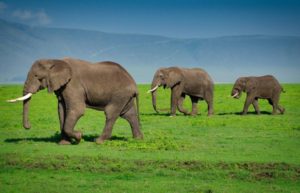
Combining Nyerere National Park and Serengeti National Park gives travelers the opportunity to experience two different sides of Tanzania. Nyerere offers river landscapes, woodlands, and varied safari activities, while Serengeti is known for its vast plains and the Great Migration. Together, they create a journey with changing scenery and different ways to explore wildlife. TANAPA
Successful Nyerere National Park safari Serengeti planning begins with a realistic itinerary. These parks belong to different safari regions, so transport deserves as much attention as accommodation and game drives. Allowing enough time in each destination helps make the journey enjoyable and prevents travel days from taking over the holiday.
This guide explains how to approach your route, choose accommodation, compare quotations, and prepare a balanced itinerary.
Understanding the Two Destinations
Nyerere National Park
Nyerere lies in Tanzania’s southern safari region and was formerly part of the larger Selous Game Reserve. Its landscapes include miombo woodland, floodplains, and the Rufiji River system. These environments give the park a different character from the open grasslands commonly associated with a northern Tanzania safari. TANAPA
For planning purposes, think carefully about which part of Nyerere you will visit. Your accommodation’s location affects arrival transfers and the activities that can fit comfortably into each day.
Ask whether the camp is inside or outside the park, which airstrip serves it, and how long the transfer takes. A lodge name alone does not explain how much time you will spend traveling.
Serengeti National Park
Serengeti protects an ecosystem that supports the Great Migration. For visitors interested in this movement of wildlife, choosing the appropriate safari area is an essential part of planning. TANAPA
Avoid booking accommodation simply because it has “Serengeti” in its name. Ask your operator to explain why its location suits your dates and interests.
A traveler hoping to follow the migration may need a different route from someone who wants several relaxed days of general wildlife viewing. Your itinerary should reflect that difference.
Why Combine Nyerere and Serengeti?
The main attraction of combining these parks is variety. You can experience contrasting landscapes while building a holiday around your preferred pace.
The combination is particularly useful if you want to:
- Explore more than one Tanzanian safari region.
- Spend several nights in each destination.
- Include different types of guided activities.
- Create a longer wildlife holiday before or after a beach stay.
- Focus on photography without changing accommodation every night.
However, visiting both parks requires additional transport planning. If your holiday is short, compare a two-park itinerary with a longer stay in one region before deciding.
Choosing Your Travel Dates
Start with your main priority. Do you want migration-focused game drives, varied activities, a particular camp, or the best itinerary within a fixed budget?
TANAPA’s Nyerere brochure describes a dry season beginning in June and lasting until approximately November. It also notes that December to February can be green and attractive, with many areas accessible. Conditions still need to be checked for your specific route and accommodation. tanzaniaparks.go.tz
For Serengeti, ask your operator to match the safari area to your travel dates and explain the reasoning. Migration movements depend on natural conditions, so an itinerary should allow flexibility.
Do not make your whole holiday depend on witnessing one particular event. River crossings and individual animal sightings cannot be scheduled or guaranteed.
Before confirming dates, check:
- Accommodation availability.
- Transport connections between the parks.
- Activities operating during your stay.
- The suitability of your chosen Serengeti area.
- Any seasonal access restrictions affecting your route.
Traveling Between Nyerere and Serengeti
Transport is one of the most important parts of this itinerary.
Nyerere can be reached by air from Dar es Salaam to park airstrips, and road access is also possible. TANAPA advises arranging lodge or park transfers in advance. TANAPA
For a combined safari, request a complete transport plan before paying a deposit. Do not assume that a direct flight between your chosen airstrips operates on your dates.
Your quotation should identify:
- Departure and arrival airports or airstrips.
- Whether connections are required.
- Who handles each transfer.
- The expected arrival time at each camp.
- Whether there is time for an activity on transfer days.
- The baggage allowance for every flight.
If the operator proposes road travel between regions, request the driving schedule and overnight stops. Compare the resulting travel time with an itinerary using flights.
How Many Days Should You Allow?
A useful planning starting point is three nights in Nyerere and three or four nights in Serengeti, with additional time for arrival and connections.
This is a suggested itinerary structure rather than a fixed requirement. The right length depends on your flights, camp locations, interests, and budget.
For a relaxed trip, protect full safari days. Two nights at a camp may provide only one complete day if you arrive late and leave early.
When reviewing an itinerary, count both the nights and the full days available for activities.
Sample Nine-Day Nyerere and Serengeti Itinerary
The following itinerary illustrates a balanced approach. Exact transfers and activities must be confirmed for your dates.
| Day | Suggested plan | Overnight |
|---|---|---|
| 1 | Arrive in Dar es Salaam and prepare for the safari | Dar es Salaam |
| 2 | Transfer to Nyerere; afternoon activity if arrival time permits | Nyerere |
| 3 | Full safari day with activities arranged through your camp | Nyerere |
| 4 | Second full day to explore at a comfortable pace | Nyerere |
| 5 | Travel toward Serengeti using confirmed connections | Serengeti or connection stop |
| 6 | Full-day Serengeti game viewing | Serengeti |
| 7 | Another full safari day in the selected area | Serengeti |
| 8 | Further game viewing or a prebooked optional activity | Serengeti |
| 9 | Transfer to the airstrip and continue your journey | Departure or extension |
If the connection on Day 5 requires an overnight stop, extend the itinerary to preserve your planned Serengeti stay.
Choosing Accommodation
Select accommodation according to location, comfort, and the experience you want.
Before booking, ask about private bathrooms, electricity, charging facilities, meal arrangements, and the distance from the arrival airstrip. Travelers with dietary requirements should request confirmation that their needs can be accommodated.
For each camp, establish whether activities are private or shared. A private room does not automatically mean you have a private safari vehicle.
Also ask whether optional activities are included in the accommodation package or charged separately.
Understanding Your Safari Quotation
A combined safari involves several services, so compare quotations carefully.
Request a written breakdown covering accommodation, meals, park charges, flights, transfers, guiding, and scheduled activities. The quotation should also identify exclusions such as drinks, tips, optional experiences, and excess baggage.
Avoid comparing only the final total. A lower-priced package may include fewer full safari days, different accommodation locations, or fewer activities.
Ask your operator to explain:
- What is included in the quoted price?
- Which costs are payable separately?
- What deposit is required?
- When is the balance due?
- What happens if a flight schedule changes?
- Which cancellation terms apply to accommodation and flights?
Current park fees should be checked when the quotation is prepared; TANAPA specifically advises visitors to consult the latest Nyerere fee schedule. Nyerere National Park
Packing and Final Preparation
Pack according to the baggage rules supplied by your airline. If your journey includes several flights, confirm the allowance for every sector.
Useful items include comfortable clothing, a light warm layer, closed shoes, sun protection, binoculars, camera batteries, and personal essentials.
Before departure, obtain one final itinerary containing accommodation names, transfer arrangements, flight details, emergency contacts, and confirmed dietary requests.