Lake Manyara vs. Nyerere Safari Prices | Tanzania Guide
A Lake Manyara safari can cost USD 150–220 per person for a shared day trip from Arusha. A published example of a…
Read articleArusha City - Tanzania
Safari & Travel Tips
August 26, 2026 · 9 min read
Photography Lake Manyara safari tours offer an exciting opportunity to capture Tanzania’s wildlife, birdlife, forests, wetlands, and dramatic Rift Valley scenery in one compact national park. From large elephant families walking through the forest to flamingos feeding along the lakeshore, Lake Manyara provides photographers with an impressive variety of subjects.
Located between Arusha and the Ngorongoro Conservation Area, Lake Manyara National Park is an excellent destination for a day safari or part of a longer Northern Tanzania itinerary. Its varied habitats allow travelers to photograph wildlife in forests, grasslands, wetlands, and woodland without covering extremely long distances.
Whether you are an experienced wildlife photographer or simply enjoy taking travel photographs with your phone, a Lake Manyara photography safari can be planned around light conditions, animal behavior, preferred subjects, and the amount of time you want to spend at each sighting.
Lake Manyara National Park may be smaller than Serengeti National Park, but its compact size can be an advantage for photographers. Several different habitats are located close to one another, creating a diverse collection of photographic opportunities during a single game drive.
You can begin the day photographing monkeys beneath the forest canopy, continue toward open areas where elephants and giraffes may be seen, and later photograph waterbirds near the lake.
Lake Manyara is particularly attractive to photographers because of its:
The combination of wildlife and scenery makes the park suitable for portraits, environmental wildlife images, landscape photography, bird photography, and travel storytelling.
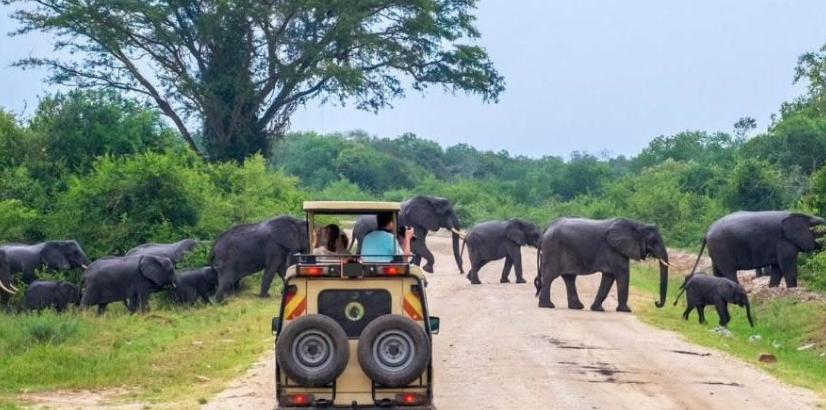
Lake Manyara is well known for its elephants. They may be encountered inside the forest, beside the road, or moving through more open woodland.
Photographing elephants in the forest can be challenging because of changing light and shadows, but it can also produce dramatic images. The trees provide a natural frame, while dust, vegetation, and sunlight filtering through the canopy can add atmosphere.
A patient guide can position the safari vehicle at a respectful distance and allow the elephants to move naturally. Photographers should avoid calling, making loud noises, or attempting to change an animal’s direction.
Flamingos are among the most famous subjects associated with Lake Manyara. Their numbers vary according to water levels, food availability, and seasonal conditions, so large concentrations cannot be guaranteed on every visit.
Even when flamingo numbers are lower, the park remains an outstanding destination for bird photography. Pelicans, storks, herons, egrets, kingfishers, hornbills, eagles, and other species can be observed in different parts of the park.
A telephoto lens is helpful for birds that remain far from the road. Photographers should also look beyond close portraits and capture wider scenes showing birds within the lake and escarpment environment.
Lake Manyara is famous for lions that sometimes rest in trees. Researchers and safari guides have suggested several possible reasons for this behavior, including escaping insects, avoiding damp ground, enjoying cooler air, or gaining a better view.
However, tree-climbing lions are wild animals and sightings are never guaranteed. Finding one requires patience, careful observation, and some luck.
If a lion is located in a tree, photographers may need to work with difficult angles, branches, and strong contrasts between the shaded animal and bright sky. Changing the vehicle’s position slightly—where park regulations permit—can make a significant difference.
Large troops of olive baboons are frequently seen in Lake Manyara National Park. Their social behavior creates excellent storytelling opportunities. Visitors may witness grooming, feeding, playing, resting, or interactions between adults and young baboons.
Blue monkeys and vervet monkeys may also be found in forested areas. Because forest light can be limited, using a higher ISO and a wide aperture can help maintain a fast enough shutter speed.
Photographers should watch for expressive moments rather than taking only straightforward portraits. Eye contact, interactions, gestures, and family behavior often produce the most memorable images.
The park’s hippo pools offer opportunities to photograph hippos, waterbirds, and wetland landscapes. Hippos may remain partly submerged during the warmer hours, making early morning conditions particularly attractive.
A longer lens helps isolate faces, eyes, and interactions. Wider compositions can include the surrounding water, birds, vegetation, and distant escarpment.
Lake Manyara supports giraffes, buffaloes, zebras, wildebeest, warthogs, antelopes, and other animals. Wildlife distribution changes throughout the year according to vegetation and water conditions.
Giraffes can create beautiful environmental photographs when positioned against the Rift Valley escarpment. Buffaloes may appear in large groups, while zebras and wildebeest are more likely to be found in open areas.
Lake Manyara National Park can be visited throughout the year, but every season creates different photographic conditions.
The dry season normally provides easier wildlife viewing because vegetation becomes thinner and animals gather near dependable water sources.
Photographic advantages may include:
This season is popular, so some areas may receive more safari vehicles. A private photography safari provides more control over timing and positioning.
The rainy and green seasons transform Lake Manyara into a lush environment. The vegetation becomes greener, clouds can create dramatic backgrounds, and migratory birds increase the park’s birdlife diversity.
Advantages of green-season photography include:
Rain may occasionally affect road conditions or visibility, but showers often pass quickly. Protecting cameras with rain covers or waterproof bags is recommended.
Morning game drives generally offer cooler temperatures, softer light, active wildlife, and a chance to photograph the forest with gentle sunlight. Early starts are especially useful for travelers interested in birds, elephants, monkeys, and atmospheric landscapes.
Afternoon light can also be beautiful, particularly when the sun begins to drop behind the escarpment. Warm light may enhance the colors of elephants, giraffes, grasslands, and dusty roads.
The best option depends on your itinerary. A full-day private game drive provides the greatest flexibility because you can explore different habitats as the light changes.
You do not need professional equipment to enjoy photography Lake Manyara safari tours. Modern mobile phones, compact cameras, mirrorless cameras, and DSLRs can all produce attractive images.
Useful equipment may include:
A telephoto zoom is particularly practical because animals can appear at different distances. Changing lenses frequently inside a dusty vehicle should be avoided whenever possible.
Animals can move suddenly, especially birds and monkeys. A shutter speed of approximately 1/1000 second or faster can help freeze action. Slower speeds may work for resting animals or carefully supported photographs.
For wildlife portraits, focus on the animal’s nearest visible eye. Sharp eyes create a stronger connection between the subject and the viewer.
Do not concentrate only on close portraits. Grooming baboons, feeding elephants, flying birds, interacting giraffes, and resting buffaloes can communicate more about life inside the park.
Lake Manyara’s scenery is an important part of the story. Use wider compositions to show animals beneath the escarpment, elephants inside the forest, or birds along the lakeshore.
Before pressing the shutter, check for distracting branches, vehicles, signs, or bright areas behind the animal. Small adjustments to your position can improve the final photograph.
Wildlife photography often requires waiting. An animal that appears inactive may suddenly stretch, look toward the camera, interact with another animal, or move into better light.
A one-day tour normally begins in Arusha and travels to Lake Manyara National Park for a game drive. It is suitable for visitors with limited time, although much of the day must be balanced between driving and photography.
A private tour is recommended because it allows you to leave early and adjust the game drive according to conditions.
This itinerary combines Lake Manyara’s forests and birdlife with the wildlife of the Ngorongoro Crater. The contrast between the two destinations creates an excellent variety of photographs.
Travelers can stay overnight in Karatu or near the Ngorongoro Conservation Area.
This route provides three distinctive photographic environments:
It is a rewarding option for travelers who want a short but varied Northern Tanzania photography safari.
Lake Manyara can also be included at the beginning or end of a longer Serengeti itinerary. This combination gives photographers access to both intimate forest scenes and the vast plains of the Serengeti.
Inclusions depend on the selected package, but a professionally organized Lake Manyara safari commonly includes:
Always request a written list of inclusions and exclusions before confirming your booking. Flights, tips, travel insurance, visas, alcoholic drinks, and optional activities may be charged separately.
Photography Lake Manyara safari tours reveal a remarkably diverse side of Tanzania. Within one park, you can photograph elephants beneath a forest canopy, baboons interacting beside the road, colorful birds around the wetlands, and wildlife framed by the Great Rift Valley escarpment.
Kilipath African Safaris can organize private and customized photography tours from Arusha, including Lake Manyara, Tarangire, Ngorongoro Crater, and Serengeti National Park. Your itinerary can be designed around your available time, preferred accommodation, photographic interests, and budget.
Contact us to start planning your Lake Manyara photography safari and experience Tanzania through your own lens.
A Lake Manyara safari can cost USD 150–220 per person for a shared day trip from Arusha. A published example of a…
Read articlePlanning a Tanzania safari that combines Lake Manyara National Park and Nyerere National Park is an excellent way to experience the country's…
Read articlePlanning an unforgettable African wildlife adventure from Zanzibar? Understanding the Tanzania safari package Zanzibar price is an important first step toward choosing…
Read articlePlanning an African wildlife adventure? Understanding the group Tanzania safari price is an important step toward choosing an affordable and unforgettable safari…
Read article