Lake Manyara Safari: Complete Guide for Travelers
Experience the extraordinary beauty of Tanzania with a Lake Manyara safari. Located beneath the dramatic Great Rift Valley escarpment, Lake Manyara National…
Read articleArusha City - Tanzania
Safari & Travel Tips
November 27, 2026 · 3 min read
Yes. Ngorongoro Crater is an excellent wildlife photography destination because of its high concentration of animals, open grasslands, dramatic crater walls and diverse natural habitats.
Photographers can capture animal behavior, wildlife portraits and breathtaking panoramic landscapes.
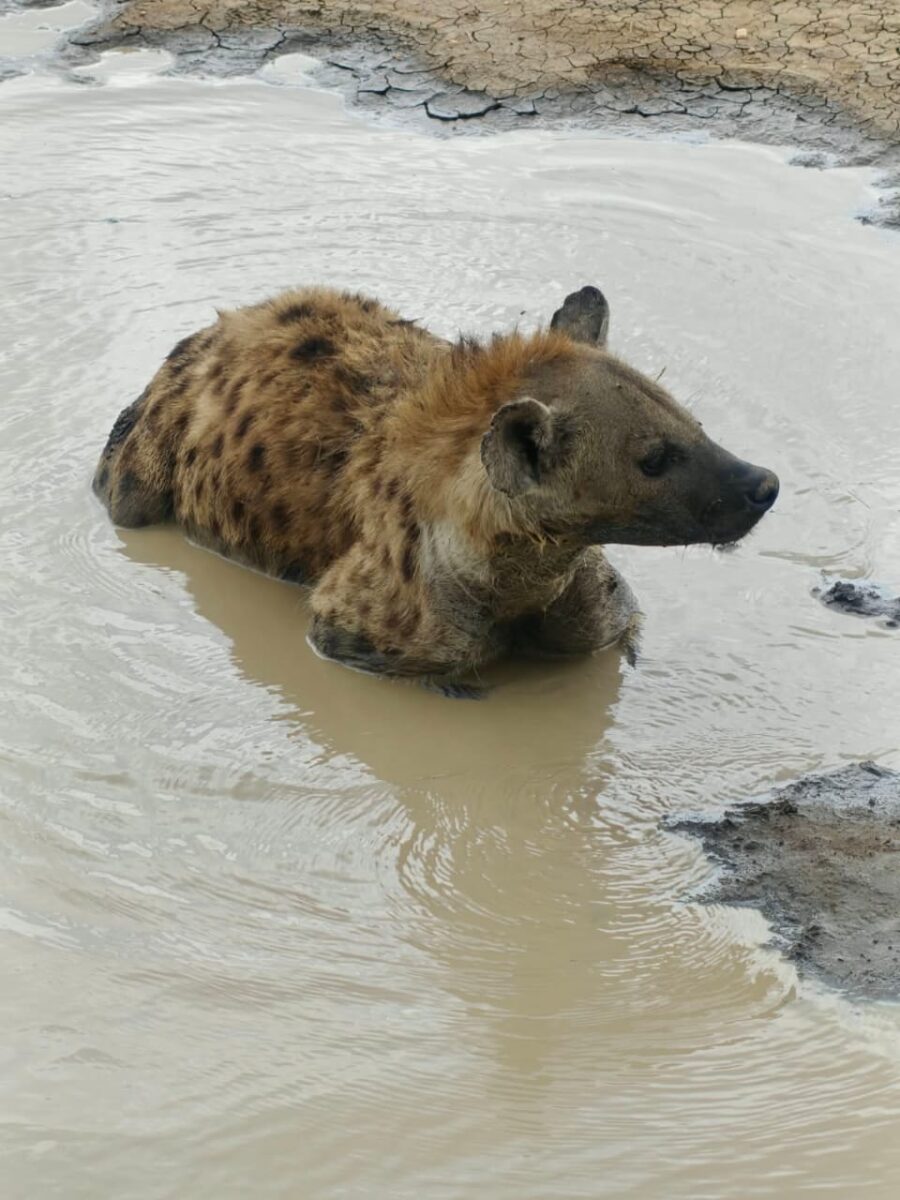
Visitors can photograph a wide variety of wildlife, including:
Wildlife sightings depend on natural conditions, animal movements and the season.
Ngorongoro Crater offers excellent photography opportunities throughout the year.
Some of the most rewarding photography locations include:
Recommended photography equipment includes:
A smartphone can also capture beautiful landscapes and nearby wildlife.
A private photography safari is ideal for travelers who want greater flexibility, additional space for camera equipment and more time to observe particular animals.
Shared safaris are an affordable alternative for photography enthusiasts who are comfortable following a group itinerary.
Early morning is particularly rewarding because of soft natural light, cooler temperatures and active wildlife.
Late afternoon can also provide beautiful photographic lighting, subject to crater operating hours and permitted game-drive schedules.
Estimated safari prices per person per day include:
| Safari category | Estimated cost |
|---|---|
| Budget shared safari | $200–$350 |
| Mid-range safari | $350–$600 |
| Luxury private safari | $600–$1,200+ |
The final price depends on travel dates, accommodation, group size, park fees and safari duration. These are indicative estimates rather than confirmed package prices.
A 3–5-day safari is an excellent option for combining Ngorongoro Crater with other famous wildlife destinations.
Suggested 5-day photography safari itinerary:
Absolutely. Photography safaris are suitable for travelers of all experience levels. Experienced safari guides can help identify wildlife, position the vehicle appropriately and find rewarding photography opportunities.
Yes. Popular photography safari combinations include:
These destinations provide additional opportunities to photograph wildlife, landscapes, local cultures and tropical beaches.
Drone photography is restricted and requires appropriate authorization from the relevant Tanzanian authorities. Travelers should arrange the necessary permissions before bringing or operating a drone.
Depending on your selected package, inclusions may include:
Kilipath African Safaris provides personalized wildlife experiences, experienced local guides, comfortable safari vehicles and flexible private safari itineraries.
Whether you are a professional wildlife photographer or visiting Tanzania for the first time, our team can help you plan a memorable photography adventure.
Capture extraordinary wildlife moments, breathtaking landscapes and unforgettable African memories with Kilipath African Safaris.
Contact us today to receive a personalized photography safari itinerary, check availability and request your safari quotation. Let us turn your Tanzania photography dream into an unforgettable adventure.
Experience the extraordinary beauty of Tanzania with a Lake Manyara safari. Located beneath the dramatic Great Rift Valley escarpment, Lake Manyara National…
Read articleA Tanzania photography safari can start at around USD 740 per person for a four-day shared trip from Arusha. For a private…
Read articlePlanning the best Serengeti safari trip is an exciting opportunity to discover Africa’s spectacular wildlife, endless savannahs, breathtaking landscapes, and unforgettable natural…
Read articleLooking for a budget Lake Manyara safari company in Tanzania? Kilipath African Safaris is based in Arusha and can help you plan…
Read article