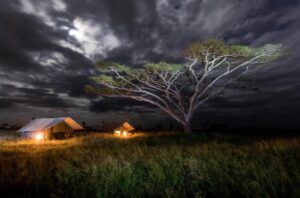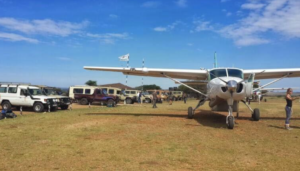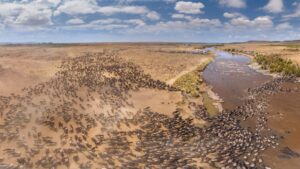
A photography Ngorongoro Crater safari itinerary is designed for travelers who want more than a standard game drive. It provides additional time at wildlife sightings, flexible departure times, carefully selected photography locations, and the support of an experienced safari guide who understands light, animal behavior, and vehicle positioning.
Ngorongoro Crater is one of Tanzania’s most rewarding wildlife photography destinations. Its enclosed ecosystem supports a remarkable concentration of animals, including lions, elephants, buffaloes, zebras, wildebeests, hippos, hyenas, flamingos, and the rare black rhinoceros.
The changing landscape makes photography especially interesting. Within a relatively compact area, photographers can capture open grasslands, forested crater slopes, freshwater pools, wetlands, acacia woodland, and the dramatic crater walls.
This private photography safari can be customized for:
- Professional wildlife photographers
- Amateur photographers
- Content creators and filmmakers
- Couples interested in safari photography
- Photography clubs and small groups
- Families traveling with cameras
- Travelers using smartphones
- First-time visitors to Tanzania
- Returning safari guests seeking a slower experience
A private safari vehicle is strongly recommended because it allows you to control your schedule and remain longer at important sightings.
Why Choose Ngorongoro Crater for Wildlife Photography?
Ngorongoro Crater offers an unusual combination of abundant wildlife, beautiful scenery, and relatively short distances between different habitats. This gives photographers opportunities to create a diverse portfolio during a single game drive.
High Concentration of Wildlife
The crater floor supports large numbers of grazing animals and the predators that follow them. Zebras and wildebeests are frequently found across the grasslands, while lions and spotted hyenas may be observed resting, hunting, feeding, or interacting.
Buffaloes are common around marshes and grassland areas. Elephants are often seen near the woodland and Lerai Forest. Black rhinoceroses may appear in the open plains, although sightings are never guaranteed.
Excellent Scenic Backgrounds
Wildlife photographs become more powerful when the surroundings contribute to the composition. Ngorongoro provides spectacular backgrounds, including:
- The towering crater walls
- Morning mist along the rim
- Golden grasslands
- Lerai Forest
- Seasonal wetlands
- Lake Magadi
- Hippo pools
- Volcanic landscapes
- Clouds and changing mountain light
These backgrounds make it possible to capture environmental portraits instead of only close-up animal images.
Opportunities for Big Five Photography
Ngorongoro is one of Tanzania’s most reliable locations for photographing several members of the Big Five. Lions, buffaloes, elephants, and black rhinoceroses can be found within the conservation area. Leopards are present but are much more difficult to see on the crater floor.
Guests can combine Ngorongoro with Serengeti National Park or Tarangire National Park to increase their chances of photographing all five species.
Suitable for Different Photography Levels
You do not need professional equipment to enjoy this itinerary. Guests can use:
- DSLR cameras
- Mirrorless cameras
- Compact cameras
- Video cameras
- Smartphones
- Action cameras
The guide can assist with positioning and anticipating animal movement, while guests remain responsible for operating their equipment.
Recommended 3-Day Photography Ngorongoro Crater Safari Itinerary
Day 1: Arrival in Arusha
You will be welcomed at Kilimanjaro International Airport or Arusha Airport by our professional representative. After meeting your driver, you will transfer to your accommodation in Arusha.
Depending on your arrival time, you may relax at the lodge or participate in a short safari briefing. During the briefing, the guide will discuss:
- Your photography interests
- Target wildlife species
- Camera equipment
- Preferred photography style
- Vehicle positioning
- Expected weather and light
- The following day’s departure time
- Equipment protection and charging
This is also an opportunity to organize batteries, memory cards, lenses, bean bags, and other accessories.
Accommodation: Comfortable lodge in Arusha
Meals: Dinner or meals according to your selected package
Day 2: Arusha to Ngorongoro Conservation Area
After breakfast, you will leave Arusha and travel toward the Ngorongoro Conservation Area. The journey passes through changing landscapes, local towns, farms, and the highlands surrounding Karatu.
Depending on your package and arrival time, you may enjoy one of the following activities:
- Photography around the Ngorongoro highlands
- Cultural photography with permission
- A visit to a local market
- A guided nature walk
- Scenic photography from the crater viewpoint
- Relaxation at the lodge
- Sunset photography from the crater rim
The crater viewpoint provides an impressive introduction to the destination. From the rim, you can photograph the enormous caldera and the changing light across the crater floor.
Your guide will explain the next morning’s schedule and help you prepare for an early departure.
Accommodation: Lodge or tented camp near the crater rim or in Karatu
Meals: Breakfast, lunch and dinner
Day 3: Full Photography Game Drive in Ngorongoro Crater
After an early breakfast, you will travel to the crater entrance and descend approximately 600 meters into the caldera. Starting early gives you a chance to experience softer light and increased animal activity.
The morning may provide opportunities to photograph:
- Lions walking through the grasslands
- Hyenas returning from nocturnal activity
- Wildebeests and zebras grazing
- Buffaloes moving between feeding areas
- Elephants near Lerai Forest
- Hippos in freshwater pools
- Jackals searching for food
- Birds feeding near wetlands
- Black rhinoceroses in the distance
Your private guide will position the vehicle carefully while respecting park regulations, wildlife space, and other visitors. When conditions allow, you can remain at promising sightings instead of immediately moving to the next animal.
Around midday, you will stop at a designated picnic area for lunch. The location often provides photography opportunities involving hippos, waterbirds, and the surrounding landscape. Food must be handled carefully because some birds may attempt to take unattended meals.
After lunch, you will continue exploring the crater floor. Afternoon photography may include animal portraits, interactions between species, and wider compositions featuring the crater walls.
Later, you will ascend from the crater and drive back to Arusha or continue to your next Tanzania destination.
Meals: Breakfast and lunch
Safari type: Private photography game drive
Extended 5-Day Photography Safari Itinerary
Travelers who want more photographic variety can choose an extended itinerary combining Tarangire, Ngorongoro, and Lake Manyara.
Day 1: Arrival in Arusha
Airport pickup, transfer to your lodge, safari briefing, and equipment preparation.
Day 2: Arusha to Tarangire National Park
Travel to Tarangire for a private photography game drive. The park is known for elephants, baobab trees, seasonal wildlife concentrations, and impressive landscapes.
Photography opportunities can include:
- Elephant families
- Baobab silhouettes
- Giraffes
- Lions
- Zebras and wildebeests
- Birds of prey
- Antelopes
- Sunset landscapes
Overnight near Tarangire or Karatu.
Day 3: Lake Manyara or Ngorongoro Highlands
Visit Lake Manyara National Park or spend the day photographing the Ngorongoro highlands. Lake Manyara may provide opportunities to photograph baboons, monkeys, elephants, giraffes, waterbirds, and forest scenery.
The exact activity can be selected according to seasonal conditions and your photography priorities.
Day 4: Full-Day Ngorongoro Crater Photography Safari
Descend into the crater early for an extended photography game drive. Concentrate on predators, large mammals, birds, landscapes, and animal behavior.
Overnight in Karatu or return toward Arusha.
Day 5: Return to Arusha or Airport Transfer
After breakfast, return to Arusha. Depending on your flight schedule, you may stop for shopping, local photography, or lunch before transferring to the airport.
Best Time for a Photography Ngorongoro Crater Safari
Ngorongoro Crater can be visited throughout the year. Each period offers different photographic conditions.
June to October: Dry Season
The dry season generally brings cooler mornings, reduced vegetation, and good wildlife visibility. Animals may be easier to locate in open areas, while the drier landscape creates warm and earthy colors.
Advantages include:
- Good wildlife visibility
- Lower chance of heavy rain
- Clearer roads
- Concentrations around water sources
- Golden grassland backgrounds
This is also a popular travel season, so there may be more safari vehicles around major sightings.
November to December: Short Rains
The short rains often bring greener scenery and dramatic skies. Rainfall may be brief and followed by beautiful light.
Potential benefits include:
- Fresh green landscapes
- Fewer dusty conditions
- Dramatic clouds
- Attractive environmental portraits
- Interesting bird photography
January to March: Green Season
This period can offer lush scenery, colorful birds, young animals, and highly photogenic landscapes. Nearby areas of the southern Serengeti and Ndutu are also important during the calving season.
Combining Ngorongoro with Ndutu can create an excellent predator, newborn-animal, and landscape photography itinerary.
April to May: Long Rains
The long-rain period can produce striking scenery, misty crater walls, saturated colors, and fewer visitors. Photographers should carry waterproof protection for cameras and personal equipment.
Rain can make some conditions challenging, but it can also create unique images that are difficult to capture during the dry season.
Animals You May Photograph
Wildlife sightings cannot be guaranteed, but Ngorongoro supports an impressive variety of species.
Lions
Lions are among the crater’s most photographed predators. They may be seen resting on the grass, walking near the road, feeding, or interacting with pride members.
A longer lens is useful for portraits, while a medium zoom allows you to include the crater environment.
Black Rhinoceroses
Ngorongoro is one of Tanzania’s important black rhinoceros habitats. They are frequently viewed at a distance, so a telephoto lens is recommended.
Photographers must remain patient. Rhinoceroses may be partially hidden by grass, affected by heat haze, or positioned far from permitted roads.
Elephants
Large bull elephants are often encountered near woodland areas. Lerai Forest can provide attractive combinations of elephants, acacia trees, filtered light, and shadow.
Spotted Hyenas
Hyenas are active and social predators that provide fascinating behavioral photography. You may observe them walking, resting, feeding, communicating, or interacting with lions.
Wildebeests and Zebras
Large grazing animals are widely distributed across the crater floor. They are excellent subjects for:
- Herd photographs
- Environmental compositions
- Predator-prey storytelling
- Dust and movement images
- Silhouettes
- Parent-and-young portraits
Hippos
Hippo pools offer opportunities to photograph hippos in water, territorial behavior, waterbirds, reflections, and wider wetland scenes.
Birds
Ngorongoro is also a rewarding destination for bird photography. Depending on the season and habitat, photographers may encounter:
- Flamingos
- Crowned cranes
- Secretary birds
- Kori bustards
- Ostriches
- Eagles
- Vultures
- Storks
- Herons
- Waterfowl
A long telephoto lens is particularly useful for smaller species.
Recommended Photography Equipment
A successful photography safari does not require the most expensive equipment. The most useful camera setup is one that you understand and can operate quickly.
Camera Bodies
Carrying two camera bodies is helpful because it reduces the need to change lenses in dusty conditions. One camera can hold a telephoto lens while the second carries a wider zoom.
A single camera body is also sufficient when paired with a versatile zoom lens.
Suggested Lenses
Useful lens ranges include:
- Wide-angle lens: Landscapes, crater views and accommodation
- 24–70mm: Travel scenes and environmental photography
- 70–200mm: Medium-distance wildlife and portraits
- 100–400mm: Flexible wildlife photography
- 150–600mm: Distant subjects, birds and rhinoceroses
- Fast prime lens: Low-light wildlife and creative portraits
Useful Accessories
Consider packing:
- Extra batteries
- Multiple memory cards
- Battery charger
- Power bank
- Lens-cleaning cloth
- Dust blower
- Waterproof camera cover
- Bean bag
- Camera strap
- Laptop or backup drive
- Neutral-density filter
- Polarizing filter
- Lens hood
Tripods may be inconvenient inside a safari vehicle. Bean bags are usually more practical because they can support the camera on the vehicle window or roof opening.
Photography Safari Vehicle
The quality of the vehicle and its configuration can strongly influence a photography safari.
Our private safari vehicles are designed to support wildlife viewing and photography. Depending on availability and vehicle configuration, features may include:
- Pop-up roof
- Large windows
- Charging sockets or USB ports
- Cooler or refrigerator
- Radio communication
- First-aid kit
- Seat belts
- Space for camera equipment
- Bean bags upon request
- Guaranteed window access
- Professional driver-guide
A private vehicle gives your party more space and eliminates the need to balance your photography priorities with unrelated travelers.
Benefits of a Private Photography Safari
Flexible Departure Time
You can begin early to take advantage of morning light and wildlife activity. The final departure time remains subject to lodge schedules, gate hours, and conservation-area regulations.
More Time at Sightings
Standard safaris often focus on seeing as many species as possible. A photography safari can spend more time waiting for the right expression, movement, interaction, or background.
Better Vehicle Positioning
Your guide can consider:
- Direction of light
- Background
- Animal movement
- Road position
- Other vehicles
- Safety
- Park regulations
Positioning cannot always be perfect, but patience and careful observation can significantly improve your opportunities.
Space for Equipment
Camera bags and long lenses require additional room. A private vehicle gives photographers more freedom to move safely between viewing positions.
Personalized Wildlife Priorities
Some guests want to concentrate on lions and other predators. Others prefer birds, landscapes, elephants, or animal behavior. Your route can be planned around these interests whenever conditions permit.
Accommodation Options
The itinerary can be arranged using budget, mid-range, luxury, or premium accommodation.
Karatu Accommodation
Staying in Karatu can provide excellent value and a comfortable lodge environment. Many properties offer gardens, spacious rooms, restaurants, and private bathrooms.
Karatu is outside the crater rim, so the morning transfer to the crater entrance is longer than it is from a rim lodge.
Ngorongoro Rim Accommodation
Accommodation near or on the crater rim provides convenient access and impressive scenery. Some lodges offer views over the caldera, allowing guests to photograph mist, sunrise, clouds, and changing light.
Rim accommodation is generally more expensive but can reduce morning travel time.
Tented Camps
Tented camps combine a close-to-nature atmosphere with essential comfort. Mid-range and luxury tents may include:
- Private bathroom
- Hot shower
- Comfortable bed
- Electricity or charging
- Restaurant
- Lounge area
- Professional camp staff
Accommodation is selected according to availability, budget, travel dates, and preferred comfort level.
What Is Included?
A typical private photography Ngorongoro Crater safari package may include:
- Airport pickup and drop-off
- Private 4×4 safari vehicle
- Professional English-speaking safari guide
- Ngorongoro Conservation Area entrance fees
- Crater service or descent fees
- Accommodation stated in the itinerary
- Meals stated in the itinerary
- Drinking water during the safari
- Game drives
- Government taxes and applicable service charges
- Photography-focused schedule
- Window access for every photographer
- Charging facilities in the safari vehicle
The final inclusion list will be confirmed in your personalized quotation.
What Is Not Included?
The package normally excludes:
- International flights
- Tanzania visa
- Travel insurance
- Personal camera equipment
- Alcoholic beverages
- Optional activities
- Tips for the guide and lodge staff
- Personal shopping
- Laundry unless stated
- Medical expenses
- Items not mentioned in the itinerary
Responsible Wildlife Photography
Wildlife welfare must always come before the photograph. Guests and guides must follow conservation-area regulations.
Responsible practices include:
- Never asking the guide to drive off-road where it is prohibited
- Avoiding loud noises
- Not feeding animals
- Maintaining an appropriate distance
- Avoiding the use of flash near sensitive wildlife
- Allowing animals to cross freely
- Not blocking an animal’s path
- Respecting other safari vehicles
- Following instructions from guides and rangers
- Requesting permission before photographing local people
Responsible behavior protects the environment and produces more natural wildlife images.
Practical Photography Tips
Use a Fast Shutter Speed
Animals can move without warning. A sufficiently fast shutter speed helps prevent motion blur, especially when photographing birds, running animals, or interactions.
Watch the Background
A clean background can transform an ordinary wildlife picture. Before taking the photograph, check for vehicles, bright objects, branches, or distracting horizon lines.
Photograph at Eye Level When Possible
The height of a safari vehicle can limit the angle, but your guide may be able to position the vehicle where the road, slope, or animal location creates a more natural perspective.
Capture Behavior
Portraits are valuable, but behavior often tells a stronger story. Watch for:
- Grooming
- Hunting
- Feeding
- Playing
- Territorial displays
- Parent-and-young interactions
- Predator competition
- Birds taking flight
Include the Environment
Do not use the longest focal length for every image. Wider compositions showing the animal within the crater landscape create a sense of location.
Prepare Before the Sighting
Keep your camera switched on and use practical starting settings. Wildlife encounters can develop quickly, leaving little time to search through menus.
Protect Your Equipment from Dust
Keep unused equipment inside closed bags, avoid unnecessary lens changes, and clean lenses carefully at the end of the day.
Who Should Book This Safari?
This photography Ngorongoro Crater safari itinerary is suitable for travelers who:
- Want a private safari experience
- Prefer a slower game-drive pace
- Carry professional camera equipment
- Want to photograph the Big Five
- Enjoy bird photography
- Need extra space in the vehicle
- Want flexible wildlife-viewing time
- Prefer an experienced private guide
- Want to combine wildlife and landscape photography
It is also suitable for non-photographer companions because the flexible schedule provides an immersive wildlife experience.
Suggested Safari Extensions
Serengeti National Park
Add two or more nights in the Serengeti for predator photography, open landscapes, large herds, and possible Great Migration experiences.
Ndutu
From approximately December through March, Ndutu is an excellent extension for calving-season photography, predators, and newborn animals.
Tarangire National Park
Tarangire adds elephants, baobabs, birds, and a different landscape to the portfolio.
Lake Manyara National Park
Lake Manyara provides forest, groundwater habitats, primates, elephants, and seasonal birdlife.
Zanzibar
After the safari, fly to Zanzibar for beaches, Stone Town, cultural photography, snorkeling, and relaxation.
Book Your Photography Ngorongoro Crater Safari
A photography Ngorongoro Crater safari itinerary gives you the time, space, and flexibility required to create meaningful wildlife images. From lions crossing open grasslands to elephants moving through Lerai Forest, every game drive presents new possibilities.
We can customize the itinerary according to:
- Your travel dates
- Number of travelers
- Photography experience
- Preferred animals
- Accommodation category
- Safari duration
- Camera equipment
- Budget
- Additional destinations
- Airport and hotel transfers
Contact Kilipath African Safaris to receive a personalized photography safari itinerary and quotation. Share your preferred dates, group size, accommodation level, and photography priorities, and our team will design a private Tanzania safari around your interests.