Lake Manyara vs. Nyerere Safari Prices | Tanzania Guide
A Lake Manyara safari can cost USD 150–220 per person for a shared day trip from Arusha. A published example of a…
Read articleArusha City - Tanzania
Safari & Travel Tips
September 4, 2026 · 11 min read
A Photography Nyerere National Park Safari Deal gives wildlife lovers and photographers the opportunity to explore one of Tanzania's most spectacular wilderness areas while having plenty of time to capture memorable images.
Nyerere National Park combines vast miombo woodland, open plains, wetlands, lakes, and the impressive Rufiji River. These different habitats provide excellent opportunities to photograph elephants, lions, giraffes, buffalo, hippos, crocodiles, African wild dogs, antelopes, and hundreds of bird species.
The park is especially attractive to photographers because wildlife viewing can be combined with traditional game drives, boat safaris, and selected guided walking experiences. TANAPA specifically lists photographic safaris among the activities available in Nyerere National Park.
At Kilipath African Safaris, we can customize your Nyerere photography safari according to your travel dates, preferred accommodation, budget, and photography interests.
Nyerere offers something different from Tanzania's busier northern safari circuit. Its vast landscapes and waterways provide photographers with opportunities to create images that combine wildlife with dramatic natural environments.
The Rufiji River is particularly valuable for photography. Elephants may appear along the riverbanks, hippos gather in the channels, crocodiles rest near the water, and colorful birds can be photographed from a completely different perspective during a boat safari.
Potential subjects include:
Nyerere remains an important stronghold for African wild dogs, while lions, elephants, buffalo, hippos and crocodiles are also characteristic animals of the park.
For photographers looking for something beyond the usual lion-and-elephant photographs, African wild dogs can be one of the biggest highlights of a Nyerere safari.
The park is recognized as an important habitat for these endangered predators. Photographing a pack moving across woodland, resting together or interacting socially can become one of the most memorable moments of your Tanzania safari.
Because wild dogs can move quickly, having an experienced safari guide who understands their behavior is especially useful for photographers.
One of the biggest reasons to choose a photography Nyerere National Park safari deal is the chance to photograph wildlife from the water.
A Rufiji River boat safari provides a completely different perspective from sitting inside a safari vehicle.
You may photograph:
Hippos emerging from the water
Their eyes, ears and noses appearing above the surface can create excellent wildlife portraits.
Crocodiles along sandbanks
Large Nile crocodiles may rest beside the river.
Elephants drinking
Elephants frequently use riverine environments, creating beautiful opportunities for environmental photographs.
African fish eagles
These impressive birds are closely associated with the waterways.
Kingfishers and bee-eaters
Smaller birds can add variety to your photography portfolio.
Sunset landscapes
Golden evening light reflected across the Rufiji River can produce excellent wide-angle photographs.
TANAPA highlights boat safaris along the Rufiji as one of Nyerere's signature experiences.
Your photography safari begins with a transfer or flight toward Nyerere National Park.
Depending on your chosen package, you can travel by road or take a domestic flight to one of the airstrips serving the park.
After arrival, meet your professional safari guide and begin exploring the wilderness.
The afternoon is excellent for your first photography session as the sun becomes softer and animals become more active.
Possible subjects include:
After the game drive, continue to your lodge or tented camp.
Accommodation: Budget, mid-range or luxury according to your package.
Start early in the morning when the light is softer and temperatures are cooler.
Morning sessions can be particularly productive for predators.
Your guide will concentrate on areas where wildlife has recently been active while allowing additional time at important sightings whenever possible.
Instead of simply driving from animal to animal, a photography-focused safari can prioritize patience.
If a lion is beautifully positioned beside the road, for example, your guide can allow time to wait for:
Continue exploring Nyerere throughout the day before returning to your accommodation.
Spend another morning photographing animals by safari vehicle.
After lunch and some relaxation, prepare for a boat safari along the Rufiji River.
This section of the trip offers opportunities for wildlife photographs that are very different from conventional game-drive images.
Look for hippos, crocodiles, elephants along the riverbanks and numerous waterbirds.
As evening approaches, use the softer light for silhouettes and landscape photography.
Return to your accommodation for dinner and overnight.
Wake early for one final game drive.
Morning light can create beautiful conditions for photographing animals against woodland, grassland or dusty roads.
After your safari, return toward Dar es Salaam or fly onward according to your Tanzania itinerary.
Travelers can also combine Nyerere with destinations such as:
A conventional safari concentrates primarily on seeing animals.
A photography safari should also consider position, timing, light, patience and viewing angles.
Our photography-focused itineraries can be arranged with more flexibility so that photographers have additional time to work with promising sightings.
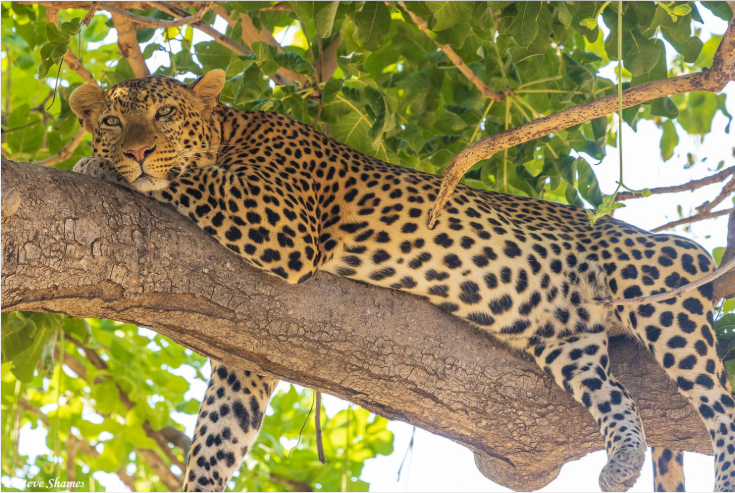
For example, instead of leaving immediately after seeing a leopard resting in a tree, photographers may prefer to wait and see whether it moves into better light.
This patience can transform an ordinary wildlife sighting into an exceptional photograph.
For serious photographers, we recommend a private safari vehicle.
A private safari provides considerably more freedom than joining a scheduled group.
You can decide how long to remain at sightings and communicate directly with your guide about the position you want for photography.
Our safari vehicles feature an opening roof that provides excellent visibility during game drives.
Private arrangements are particularly useful for travelers carrying:
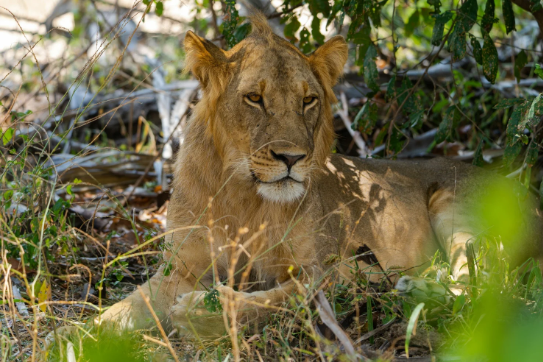
Nyerere supports lions across its woodland and floodplain habitats.
Photographers should look for them early in the morning and later in the afternoon when temperatures are cooler.
Possible photographic situations include lions:
Elephants provide some of Nyerere's most recognizable photographs.
Photographing them beside the Rufiji River can be especially rewarding.
Instead of concentrating only on close portraits, try wider compositions showing elephants surrounded by palm trees, river channels or woodland.
These environmental images communicate the scale and character of the park.
Wild dogs are among the most exciting subjects photographers can encounter in southern Tanzania.
Their social behavior can produce fascinating sequences as members interact, rest or move together.
Because packs may cover substantial distances, sightings can never be guaranteed.
However, Nyerere is regarded as one of Tanzania's important areas for them.
Boat safaris provide excellent opportunities to observe hippos.
A longer lens can capture:
Always follow your boat guide's instructions and maintain safe distances.
The Rufiji River system provides habitat for Nile crocodiles.
They can sometimes be photographed resting on sandbanks or partially submerged beside the water.
The open landscapes and woodland edges of Nyerere create attractive backgrounds for giraffe photography.
Early morning and sunset are particularly good for silhouettes and wider compositions.
Nyerere isn't only for big mammals.
It is also an excellent destination for bird photographers.
TANAPA reports more than 400 bird species in the park, with the river and wetland systems supporting particularly diverse birdlife.
Potential photography subjects include:
A boat safari can be especially productive because you can photograph birds close to the river's edge.
Nyerere can provide photographic opportunities throughout the year, although conditions change seasonally.
TANAPA identifies photographic activities as available year-round.
The dry season is popular for wildlife viewing.
Vegetation tends to become thinner and wildlife may concentrate around permanent water sources.
This can make animals easier to locate.
The landscape becomes greener and more colorful.
Photographers interested in dramatic skies, fresh vegetation and birdlife may particularly enjoy this period.
This is typically the wetter period.
Some routes can become more difficult depending on rainfall, while certain camps may operate seasonally.
For photography, however, green landscapes and dramatic cloud formations can be beautiful.
Light is one of the most important elements of wildlife photography.
Morning offers soft light and often increased predator activity.
We recommend starting your photography game drive as early as park regulations and your itinerary allow.
Afternoon light becomes warmer as sunset approaches.
This is an excellent time for:
TANAPA also recommends dawn and late afternoon for favorable light and wildlife sightings in Nyerere.
You do not need professional equipment to enjoy the safari.
However, photographers may consider carrying:
Camera body
A DSLR or mirrorless camera with good autofocus is useful.
Telephoto lens
A 100–400 mm or similar zoom is practical for safari photography.
Long telephoto lens
400–600 mm can be valuable for birds and distant wildlife.
Wide-angle lens
Useful for landscapes, elephants close to the vehicle and accommodation photography.
Extra batteries
Safari days can be long.
Memory cards
Wildlife photographers often take hundreds or thousands of images.
Bean bag
Helpful for supporting longer lenses.
Lens cleaning equipment
Safari roads can become dusty.
Instead of taking only static portraits, watch for interaction.
Interesting moments include:
Behavior often produces more memorable photographs.
Not every image should be tightly cropped.
Nyerere's river systems, palm trees, miombo woodland and floodplains are part of the story.
Use wider compositions to show wildlife within its natural environment.
For wildlife portraits, sharp eyes usually make the photograph feel much more engaging.
Lower perspectives can create stronger photographs, particularly during boat safaris.
Wildlife photography rewards patience.
Waiting ten additional minutes may be the difference between photographing a sleeping animal and capturing extraordinary behavior.
Our Photography Nyerere National Park Safari Deal can be customized according to your preferred comfort level.
Suitable for travelers who prioritize wildlife experiences over luxury.
Options may include basic lodges or camping arrangements.
A good balance between comfort and price.
Expect comfortable rooms or permanent tents with private facilities depending on the selected property.
Luxury camps provide more exclusive surroundings, premium hospitality and beautifully positioned accommodation.
These are excellent for honeymooners, professional photographers and travelers seeking maximum comfort.
Packages can typically be arranged to include:
Exact inclusions depend on the itinerary selected.
Unless specifically stated in your quotation:
Visitors intending to carry out photography or filming for commercial purposes should check the applicable TANAPA permits and regulations before travel.
One of the most convenient options for travelers already staying in Zanzibar is a fly-in Nyerere safari.
You can fly from Zanzibar toward southern Tanzania, enjoy your wildlife safari, and return to Zanzibar afterward.
Popular options include:
Ideal for travelers with limited time.
Provides more game-viewing opportunities plus potential boat safari time.
Recommended for photographers because there is more time to wait at sightings and explore different areas.
Best for travelers who want a slower pace and greater flexibility.
Photography often requires patience.
During a shared safari, other travelers may want to leave a sighting before you have finished photographing it.
On a private safari, you control the pace.
You can tell your guide:
“I would like to wait here for another 20 minutes.”
That freedom can make an enormous difference for serious photographers.
A private vehicle is therefore our preferred option for dedicated wildlife photography trips.
Both parks are excellent, but they provide different experiences.
Serengeti is famous for enormous open plains and the Great Migration.
Nyerere combines woodland, lakes, river channels and floodplains, with the additional advantage of boat-based wildlife viewing.
For photographers interested in diverse environments, wild dogs, river wildlife and fewer conventional safari scenes, Nyerere can be particularly rewarding.
For a longer southern Tanzania photography safari, Nyerere and Ruaha make an excellent combination.
Nyerere provides:
Ruaha offers:
Together, they create a diverse southern Tanzania wildlife photography itinerary.
Yes.
Nyerere is especially attractive for photographers interested in wildlife behavior, wild landscapes and river ecosystems.
However, professional photographers intending to use photographs commercially should confirm current permit requirements before traveling because TANAPA has separate rules for commercial photography and filming.
Turn your Tanzania holiday into a photographic adventure through one of the country's great southern wilderness areas.
Whether your dream image is an African wild dog running through the bush, an elephant drinking beside the Rufiji River, a lion in golden morning light, a hippo emerging from the water or a fish eagle flying above the river, Nyerere offers countless possibilities.
At Kilipath African Safaris, we can customize your itinerary according to:
Contact Kilipath African Safaris today for a personalized Photography Nyerere National Park Safari Deal and let us create a safari itinerary designed around your camera, your pace and the wildlife you want to photograph.
A Lake Manyara safari can cost USD 150–220 per person for a shared day trip from Arusha. A published example of a…
Read articleA Nyerere Tanzania wildlife safari can take you from a woodland game drive in the morning to a boat on the Rufiji…
Read articlePlanning a Tanzania safari that combines Lake Manyara National Park and Nyerere National Park is an excellent way to experience the country's…
Read articleDiscover Tanzania’s untamed wilderness without exceeding your travel budget. A budget Ruaha safari adventure offers incredible wildlife encounters, spectacular landscapes, authentic African…
Read article